Let’s be honest: the old saying “an apple a day keeps the doctor away” was probably invented by a very hopeful orchard owner. Apples are lovely—crunchy, sweet, and full of fiber—but when winter rolls in like a frosty ninja with sniffles and sore throats, we need a little more than fruit and optimism.
So, what actually keeps children out of the clinic during winter?
Let’s talk about the real MVPs of natural immunity—no sugar coating (unless it’s Manuka honey with a therapeutic UMF).
Elderberry: The Berry That Fights Like a Warrior Princess
Elderberry tincture is my go-to for immune support. It’s like giving your child’s immune system a sword, shield, and a motivational speech.
DIY Elderberry Syrup Recipe
Ingredients:
1 cup dried elderberries
4 cups water
1 tbsp fresh ginger (grated)
1 tsp cinnamon
½ tsp cloves
1 cup raw Manuka honey (UMF 10+ or higher)
Instructions:
Simmer elderberries, water, ginger, cinnamon, and cloves for 45 minutes.
Mash the berries, strain the liquid.
Let it cool slightly, then stir in the Manuka honey.
Store in a glass jar in the fridge. Use within 2 months.
Dosage: 1 tsp daily for children (age 2+), 1 tbsp for adults. Double it if the sniffles sneak in.
Manuka Honey: Sweet, Sticky, and Smarter Than Your Average Spoonful
Not all honey is created equal. Manuka honey with a therapeutic UMF (Unique Manuka Factor) is like the Harvard graduate of honeys. It’s antibacterial, antiviral, and tastes like dessert disguised as medicine.
Goldenseal Tincture: The Bitter Truth That Works
Yes, it tastes like a forest floor. Yes, your child might make dramatic faces. But goldenseal is a powerful antimicrobial and respiratory & digestive support. I use it sparingly and wisely—like a few drops in drinking water. If the water is homemade filtered or spring) Ruqya water, this is the best!
Bone Broth & Meat Broth: Grandma Was Right (But Make It Pasture-Fed)
If elderberry is the sword, broth is the armor. I swear by:
Grass-fed beef bones
Pasture-raised chicken
Wild game like deer (if you’ve got a hunter in the family)
🕰 Dr. Natasha Campbell-McBride’s Wisdom:
Meat broth: Simmer for 2–3 hours. It’s gentle, nourishing, and ideal for children with sensitive digestion.
Bone broth: Simmer for 24–72 hours to extract deep minerals, gelatin, and immune-boosting compounds.
Add garlic, onion, herbs, and love. Bonus: your house will smell like a hug.
Aromatherapy & Humidifiers: Because Dry Air Is a Villain
Winter air in Calgary? Drier than a toddler’s logic.
Humidifiers help prevent dry sinuses, cracked lips, and the dreaded “I can’t breathe through my nose” drama.
Add essential oils like eucalyptus, lavender, or frankincense to a diffuser for extra immune support and calming vibes.
Gemmotherapy: Baby Buds, Big Benefits
Gemmotherapy uses extracts from young plant buds—think of it as the plant’s baby energy. It’s gentle, powerful, and ideal for children’s immune support. Favorites include:
Blackcurrant bud (Ribes nigrum) for inflammation and adrenal support
Rosehip bud for immunity and skin health
Bonus Tips
Warm socks and warm hearts: Never underestimate the power of cozy feet and emotional safety.
Chant-style reminders: “Sip your broth, sniff your oils, hug your honey, skip the sniffles!”
Laugh therapy: Because giggles boost immunity. (Science-ish.)
Final Word: Apples Are Cute, But Broth Is Boss
So yes, give your child apples. But also give them broth, berries, buds, and a winter wellness routine that’s rooted in nature and sprinkled with love. And if they still end up at the doctor’s office? You tried. You’re amazing. And you probably packed elderberry syrup in your purse anyway.
FAQs
Here you go, Minaam — a clean, polished FAQ section based entirely on your content, keeping the playful tone but making it super clear and useful.
FAQs: Natural Winter Remedies for Children
1. Are apples really enough to keep children healthy in winter?
Not quite. Apples are nutritious, but winter brings extra challenges like dry air, viruses, and weakened immunity. Children usually need more than 1 fruit to stay well during cold months, like oranges provide vitamin C to fight flu better. And ofcourse berries!
2. What is elderberry good for?
Elderberry is commonly used for general immune support. Many people use it during winter to help the body respond to seasonal sniffles.
3. How do I make homemade elderberry syrup?
You simmer dried elderberries with water and spices, strain, cool, and mix with raw Manuka honey. It’s stored in the fridge and used within a couple of months.
4. Why is Manuka honey special?
Manuka honey with a therapeutic UMF rating is known for its antibiotic properties. People often use it in winter for throat comfort.
5. What is goldenseal tincture used for?
Goldenseal is a bitter herbal extract often used in small amounts for general antimicrobial support. Because it’s strong, you add a few drops in drinking water to gain benefit.
6. What’s the difference between meat broth and bone broth?
Meat broth simmers for 2–3 hours and is gentle on digestion.
Bone broth simmers for 24–72 hours and becomes rich in minerals and gelatin.
Both are popular winter staples for warmth and nourishment.
7. Do humidifiers really help in winter?
Yes. Dry winter air can irritate sinuses and skin. Humidifiers help maintain moisture, making breathing more comfortable and reducing dryness-related discomfort.
8. What is gemmotherapy?
Gemmotherapy uses extracts from young plant buds. Some people use it for gentle immune and inflammation support. Popular options include blackcurrant bud and rosehip bud.
9. What are some simple daily winter wellness habits for children?
Keep feet warm with cozy socks
Use broth regularly
Diffuse calming essential oils
Encourage laughter and play
Maintain hydration and rest
10. If I do all this, will my child avoid the doctor completely?
These practices can support general wellness, but children may still get sick sometimes — and that’s okay to build natural immunity.
Are you dealing with a thyroid disorder like hypothyroidism or Hashimoto’s? You’re not alone. While medication can help balance your hormone levels, many people are still left feeling tired, heavy, and frustrated because the root cause of the constant attack on your thyroid isn’t being fixed.
It makes sense why so many of us look for alternative therapy for thyroid issues. This search often leads to the ancient practice of cupping.
Cupping therapy for the thyroid is growing fast as a natural remedy for thyroid health. It’s an approach rooted in traditional Chinese medicine (TCM) that aims to clear inflammation and improve flow. But does it actually work? Can placing those cups on your skin really help your thyroid gland?
In this guide, we cut through the noise. We’ll explore the real evidence, looking at how cupping might help reduce the inflammation that drives conditions like Hashimoto’s. We’ll cover the specific cupping points for thyroid health and give you the essential safety warnings you need before you try this holistic treatment for thyroid issues.
What Is Cupping Therapy?
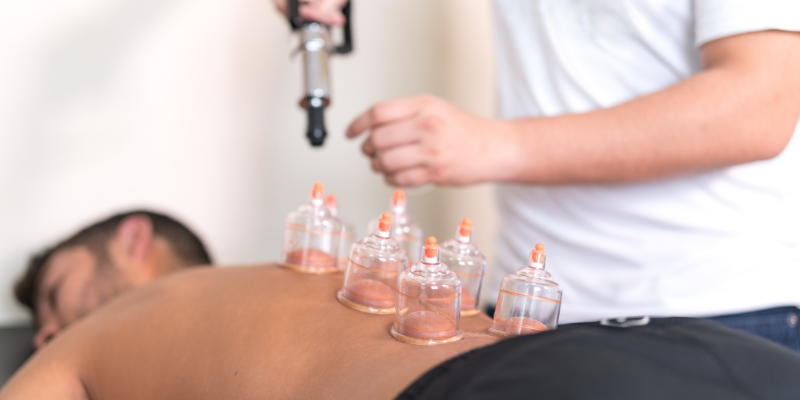
Cupping therapy is an ancient practice, rooted in Traditional Chinese Medicine (TCM), where special cups are placed on the skin to create suction. This process gently pulls the skin and underlying tissue up.
Cupping Therapy Benefits: An Overview
The main goal of cupping is simple: to promote natural healing by improving blood flow and clearing blockages. While famous for relieving muscle pain, cupping benefits are believed to extend deep inside the body, helping with inflammation and boosting the immune system. For many, it is a powerful alternative therapy option.
Clearing Blockages: The TCM View
In TCM, a blockage of vital energy, known as Qi or blood, is what causes pain and sickness (called stagnation). Cupping relieves this by:
Pulling Stagnation: The suction draws toxins and old, stagnant blood to the surface.
Improving Circulation: This action clears the way for fresh, oxygen-rich blood to flow into the area, promoting balance and natural healing.
Dry Cupping vs. Wet Cupping
It’s important to know the difference:
Dry Cupping: Uses suction only. Best for muscle relaxation and a mild circulation boost.
Wet Cupping (Hijama): Involves suction, small scratches, and then renewed suction to draw out a small amount of “bad” blood. This method is often the specific focus when discussing serious health issues and Hashimoto’s.
How Cupping May Support Thyroid Health
While cupping therapy for the thyroid is not a replacement for doctor-prescribed medication, many people find it to be a powerful complementary tool for improving their overall thyroid health. The benefits come from cupping’s effects on your body’s systems, which in turn can indirectly support a healthier thyroid environment.
1. Improved Circulation and Reduced Stagnation
The thyroid gland needs a healthy blood supply to produce and release its hormones effectively. When the local area (the neck and upper back) experiences stagnation, it can impact how the gland functions.
Action: Cupping pulls old, stagnant blood to the surface and increases fresh circulation.
Support: This increased flow may help deliver more nutrients and oxygen to the thyroid area while removing metabolic waste, indirectly supporting better thyroid function.
2. Boosting Lymphatic Flow and Detoxification
The lymphatic system is critical for draining waste and fighting infection. Thyroid issues, especially Hashimoto’s, involve inflammation and waste buildup.
Action: Cupping stimulates the lymphatic vessels beneath the skin.
Support: A more efficient lymphatic flow helps the body manage inflammation and clear out cellular waste. This generalized detoxification is especially useful for managing thyroid disorders that have an inflammatory component.
3. Stress Reduction and Relaxation
Stress is a major factor that can trigger and worsen autoimmune conditions like Hashimoto’s and Graves’ disease.
Action: The deep tissue work of cupping is profoundly relaxing, similar to a deep massage, and can lower the body’s stress hormone (cortisol) levels.
Support: By promoting deep relaxation and balancing the nervous system, cupping may reduce the severity of stress-related flare-ups, offering indirect support for the entire endocrine system.
Framing Cupping as a Complementary Therapy
It is essential to view cupping as a holistic treatment for thyroid issues, meaning it supports the body’s natural healing mechanisms alongside, not instead of, conventional care. It addresses underlying issues like inflammation and poor circulation, which can make your medication and other lifestyle changes more effective.
Cupping and Thyroid Disorders
Cupping therapy is explored as a supporting measure for managing symptoms and addressing the underlying inflammation seen in various thyroid disorders. By applying the principles of TCM clearing stagnation and improving flow cupping aims to provide relief where conventional medicine may fall short.
Cupping Therapy for Hypothyroidism & Hashimoto’s
Hypothyroidism (underactive thyroid) often goes hand-in-hand with Hashimoto’s Thyroiditis, an autoimmune condition where the body attacks the thyroid gland. For those seeking a natural remedy for thyroid issues, cupping focuses on managing the persistent symptoms of this condition.
Fatigue and Muscle Tension: Hypothyroidism often causes crushing fatigue and muscle stiffness. Cupping, especially on the back and shoulders, can break up deep muscle knots, ease tension, and boost circulation to combat the feeling of sluggishness.
Stress Relief: Stress is a major trigger for Hashimoto’s flare-ups. The deep relaxation achieved during a cupping session can help calm the nervous system, potentially reducing the inflammatory load that drives the autoimmune attack.
Cupping Therapy for Hyperthyroidism & Graves’ Disease
Hyperthyroidism (overactive thyroid) and its autoimmune form, Graves’ disease, are characterized by anxiety, racing heart, and nervousness. While cupping cannot stop the overproduction of hormones, its ability to calm the body can be highly beneficial.
Calming the Nervous System: Cupping therapy, when focused on the back and high shoulders, can be very grounding. This can help soothe the agitated nervous system common with hyperthyroidism, supporting overall balance and easing feelings of anxiety and restlessness.
Cupping Therapy for Goiter & Thyroid Nodules
A goiter is an abnormal enlargement of the thyroid gland, which can be caused by various conditions. Thyroid nodules are growths within the gland.
Focus on Lymphatic Flow: Cupping is never done directly on a goiter or nodule. Instead, a practitioner focuses on gentle cupping around the neck or upper chest and back to enhance lymphatic drainage and circulation in the surrounding area.
Tension Relief: By relieving surrounding muscle tension in the neck, shoulders, and chest, cupping may reduce external pressure and improve the environment around the gland.
Cupping Benefits by Condition
To summarize the potential uses of cupping treatment for thyroid issues:
Thyroid Condition
Primary Benefit of Cupping
Target Keyword Integration
Hypothyroidism
Easing fatigue, muscle stiffness, and coldness.
cupping therapy for hypothyroidism
Hashimoto’s
Reducing inflammation and calming the autoimmune response.
cupping for Hashimoto’s
Hyperthyroidism / Graves’
Calming the nervous system and reducing anxiety.
cupping for Graves’ disease
Goiter / Nodules
Improving lymphatic drainage and tension in the neck area.
cupping therapy for goiter
Cupping Points for Thyroid (TCM Approach)
In Traditional Chinese Medicine (TCM), the goal of treating the thyroid is often not to cup the gland directly, but to treat the imbalances in the body (like stagnation, heat, or deficiency) that are affecting the thyroid. This involves using specific acupuncture points for thyroid cupping that influence circulation, immunity, and endocrine function.
Key Cupping Areas for Thyroid Health
A certified TCM practitioner will customize the points, but treatment often focuses on these areas to address symptoms and root causes:
Back-Shu Points (Upper Back): The most common and safest area for thyroid cupping. The back houses powerful “Shu” points related to specific organs. Placing cups here can:
Influence the Kidney and Spleen meridians, which TCM links to hormone regulation and energy production.
Relieve muscle tension that can restrict circulation to the neck and head.
Front Chest Points: Points on the upper chest and sternum, such as Ren-22 (located in the depression at the base of the throat), are used to calm the nervous system and clear the throat/chest area.
Local Neck Area: Cups may be placed around the clavicle (collarbone) or at the base of the skull to improve local lymphatic drainage and blood flow, but extreme caution is taken in this region (see safety notes below).
Safety First: Cupping on Neck and Throat
The greatest concern in cupping therapy for thyroid disorders is safety around the delicate throat area. The thyroid gland is rich in blood vessels, and powerful nerves vital for voice control (like the recurrent laryngeal nerve) pass through this region.
Avoid Direct Suction: Cupping therapy on throat area directly over the thyroid gland or the major blood vessels (carotid arteries) is extremely dangerous and must be avoided.
The Neck Strategy: If a practitioner uses cupping on neck for thyroid issues, they will typically use very light suction and place the cups only on the thick muscles at the side or back of the neck never directly in the front.
Ren-22 Note: While the acupuncture point Ren-22 is located on the midline of the throat, only acupressure or specific mild techniques (like gentle massage or light needle insertion) are typically used. Cupping should not be strongly applied directly over the trachea or thyroid.
Crucial Takeaway for Readers
Because of the sensitivity of this area and the risk of injury, seeking a highly certified, licensed TCM practitioner or acupuncturist who has experience treating thyroid disorders is absolutely mandatory for anyone considering cupping near the neck or throat.
Dry Cupping vs. Wet Cupping for Thyroid
When considering cupping therapy for thyroid health, it’s important to understand the difference between the two main techniques, as the mechanism and safety considerations change significantly.
Feature
Dry Cupping
Wet Cupping (Hijama)
Action
Creates strong vacuum suction on the skin.
Suction is applied, small superficial skin incisions are made, and suction is reapplied.
Goal
Increase local circulation, relieve muscle tension, and stimulate blood flow to the area.
Detoxification and removal of small amounts of stagnant blood, which may contain inflammatory substances or autoantibodies (anti-TPO/anti-TG).
Impact
Primarily physical and circulatory.
Primarily physical and immune-modulatory.
Relevance to Thyroid
Better for easing general neck/shoulder tension and promoting relaxation (helpful for Hyperthyroidism).
Better aligned with studies that suggest reducing autoimmunity and inflammation (helpful for Hashimoto’s and Hypothyroidism).
Safety Considerations for Each Technique
Both forms of cupping treatment for thyroid should only be performed by a certified practitioner, but the safety concerns differ:
Dry Cupping Safety:
Generally safer and less invasive.
The main risk is bruising or potential blistering if the suction is too strong or left too long.
Can be used more widely on the back and shoulders for general cupping for thyroid health benefits.
Wet Cupping (Hijama) Safety:
Higher Risk Profile: Because it involves small incisions, the risks of infection, scarring, and improper blood loss are present.
Contraindications: Must be avoided by individuals with bleeding disorders (like hemophilia), those taking strong blood thinners (anticoagulants), or people with severe anemia.
Practitioner Skill is Vital: For conditions like Hashimoto’s, the specific point selection (often on the back) and hygiene protocol must be flawless to ensure safe and effective use.
In summary, when exploring cupping and thyroid disorders, wet cupping for thyroid is the method most often cited in literature relating to immune system modulation, but it requires the strictest safety standards.
Benefits of Cupping Treatment for Thyroid Disorders
Beyond addressing circulation and inflammation, cupping treatment for thyroid issues offers key holistic benefits that support overall thyroid health and are a valuable natural remedy complement to standard medical care.
Benefit
How Cupping Supports Thyroid Health
Stress Reduction
Calms the nervous system, potentially lowering stress hormones (cortisol) which can trigger autoimmune flares (Hashimoto’s or Graves’ disease).
Muscle Relaxation
Releases deep tension and stiffness in the neck and shoulders often caused by thyroid disorders, easing discomfort.
Enhanced Circulation
Increases local blood flow and stimulates the lymphatic system, helping to clear waste and deliver fresh nutrients.
Support for Emotional Well-being
Deep relaxation can improve mood and reduce anxiety, supporting the holistic treatment for thyroid goals.
Natural Remedy Complement
It’s a non-drug alternative therapy for thyroid issues, supporting the body’s natural processes without interfering with hormone medication.
Safety: Is Cupping Safe for Thyroid Patients?
The question of whether cupping therapy for thyroid patients is safe is crucial. While generally considered low-risk when performed correctly, thyroid patients must be aware of specific concerns, especially related to the technique and existing medications.
Risks Specific to Thyroid Patients
The main risks for thyroid patients revolve around two factors:
Placement Hazard: As mentioned, direct, strong suction during cupping on neck for thyroid can injure the fragile structures in the throat, including the thyroid gland, blood vessels, and nerves. Extreme caution is mandatory in this area.
Blood Thinners (Wet Cupping): Patients with certain thyroid issues may have other related health conditions or be taking medications. If a patient is on blood thinners (anticoagulants), wet cupping (Hijama) must be strictly avoided due to the risk of excessive bleeding.
When to Avoid Cupping (Contraindications)
Cupping is generally not recommended for anyone experiencing the following:
Active Infection or Fever: Cupping should be postponed until the illness has passed.
Bleeding Disorders: Conditions like hemophilia, or use of blood-thinning medications.
Severe Anemia:Wet cupping should be avoided if the patient has low iron or severe anemia.
Active Skin Conditions: Avoid areas with eczema, psoriasis, open wounds, or severe inflammation.
Pregnancy: Cupping is generally avoided on the abdomen, lower back, and specific acupuncture points during pregnancy.
Who Should Perform Cupping
The success and safety of cupping treatment for thyroid issues are entirely dependent on the skill of the practitioner.
Certification is Key: Only seek treatment from a licensed, certified TCM practitioner, acupuncturist, or physical therapist who has extensive training in cupping.
Experience with Thyroid: Ideally, choose a professional who has specific experience treating endocrine and autoimmune conditions like Hashimoto’s.
Communicate Clearly: Always inform the practitioner of your full medical history, all medications (especially blood thinners), and your exact thyroid disorder before the session begins. They need to understand your condition to choose the appropriate cupping points for thyroid and the safe technique (dry vs. wet).
How to Use Cupping for Thyroid at Home (If Attempted)
While seeking professional guidance is always the safest and most effective path for cupping therapy for thyroid issues, some people choose to use at-home silicone or plastic cups for light, general relaxation. If you choose to attempt cupping at home, extreme caution is required.
Gentle Dry Cupping Only
If you attempt any at-home cupping:
Dry Cupping is Mandatory: Only use dry cupping sets (silicone or manual pump). Wet cupping (Hijama) must never be attempted at home due to the high risks of infection, scarring, and uncontrolled bleeding.
Keep Suction Light: Use minimal suction. The goal is light stimulation, not deep bruising. Strong suction can cause significant discomfort and damage.
Focus on Safe Zones: Focus on general tension relief in the large, fleshy muscles of the shoulders and upper back. These areas indirectly promote better circulation to the neck.
Absolutely Avoid the Front of the Throat
This is the single most important safety rule:
Do NOT Cup the Neck Front:Never apply any form of cupping (even light dry cupping) directly on the front of the neck or cupping therapy on throat area. This area contains major blood vessels (carotids) and the thyroid gland itself. Applying suction here is highly dangerous.
Limit Neck Area: If you cup the neck at all, restrict it to the large muscles at the back and sides of the neck, and keep the suction very brief and light.
When to Seek Professional Guidance
For the most effective and safest results concerning your thyroid disorder, it is always best to consult with the Practitioner of Cupping Therapy.
Autoimmune Conditions: If you are treating a serious condition like Hashimoto’s or Graves’ disease, you need a professional to select the precise acupuncture points for thyroid cupping that address your immune system imbalance.
Optimal Points: A professional knows the specific, safe cupping points for thyroid health on the back (Shu points) that offer the greatest therapeutic benefit.
Safety Assurance: A certified practitioner ensures proper hygiene, manages suction levels safely, and can correctly evaluate if you have any contraindications for treatment.
Recommendation: Treat cupping therapy for your thyroid as a professional procedure rather than a casual home remedy. If you’re seeking treatment in Calgary, Canada, be sure to choose a reputable practitioner who specializes in TCM and therapeutic cupping to ensure the safest and most effective results.
Conclusion
In summary, cupping therapy for thyroid disorders is best understood as a holistic treatment for thyroid issues a supportive and complementary therapy that works alongside conventional medical care, not against it.
Cupping, whether through deep relaxation and circulation boosting or the targeted anti-inflammatory action of wet cupping (Hijama), offers significant benefits for those dealing with chronic conditions like hypothyroidism and Hashimoto’s. It helps manage persistent symptoms like fatigue and muscle stiffness.
For anyone exploring alternative therapy for thyroid health, it is essential to remember two key points. Firstly, cupping can enhance your well-being and symptom relief, but it does not replace hormone replacement medication. Secondly, due to the safety risks, especially when considering the neck area, the best results and safest experience come from consulting a certified practitioner.
The natural healing haven, which is Calgary, Canada–based, emphasizes that effective cupping therapy isn’t about the clinic’s name but about finding a qualified professional who understands the specific cupping points for thyroid and autoimmune conditions. By integrating this ancient practice wisely, cupping for thyroid health can become a valuable part of your overall wellness strategy.
FAQS
Does cupping therapy help thyroid function?
Cupping doesn’t directly change thyroid hormone levels, but it may support overall thyroid wellness by improving circulation, easing muscle tension, and reducing stress. It’s considered a complementary therapy rather than a standalone treatment.
Is cupping safe for thyroid patients?
Yes, cupping is generally safe for thyroid patients when done by a trained professional. The cups should not be placed directly over the throat or thyroid gland, and people with severe symptoms or sensitive conditions should consult their doctor first.
How to use cupping for thyroid nodules?
Cupping should not be placed directly over thyroid nodules. Practitioners usually apply gentle cupping on nearby areas like the upper back or chest to support circulation. Always seek a qualified TCM practitioner for this treatment.
Can cupping reduce thyroid inflammation?
Cupping does not treat thyroid inflammation directly, but it may help reduce related discomfort by improving circulation and lowering tension. It should be used as supportive care alongside medical treatment.
Feeling tired, stiff, or just a little “off”? You’re not alone. Many people are looking for natural ways to feel better and boost their wellness. That’s why cupping therapy is making a huge comeback! It’s an ancient practice trusted for centuries, and today, we’re going to dive into the amazing benefits of cupping therapy you can start enjoying right now.
What is Cupping Therapy?
Cupping is a simple yet powerful technique. Special cups are placed on the skin to create a gentle, localized suction. This pull is the key to unlocking the many cupping benefits.
The practice goes by many names. You might hear it called Hijama or Ventosa. Whether you’re exploring hijama benefits or ventosa benefits, the core idea of using cups for health remains the same. The Chinese cupping benefits are also a huge part of Traditional Chinese Medicine (TCM).
Dry vs. Wet, Body vs. Facial
Cupping isn’t a one-size-fits-all treatment:
Dry Cupping vs. Wet Cupping: Most people start with dry cupping, where only suction is used. It’s gentle and great for muscles. Wet cupping benefits (or the full hijama therapy benefits) involve a tiny skin scratch to draw out a small amount of “stagnant” blood, famous for its detoxification power. Both the dry cupping therapy benefits and wet cupping benefits offer profound results.
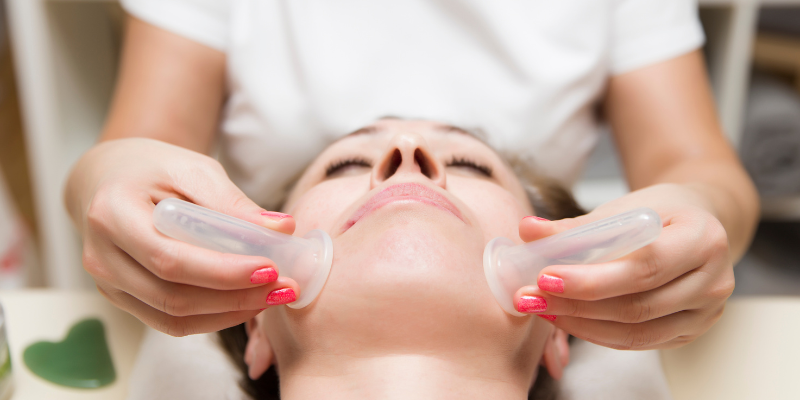
Body vs. Facial Cupping: Cups are used on large areas like the back, but tiny, delicate cups are used for your face, which we’ll cover later!
Health Benefits of Cupping Therapy: Simple & Effective
The main benefit of cupping therapy is its amazing ability to relieve pain and promote healing naturally. Here are the core cupping therapy benefits you need to know:
1. Pain Relief & Muscle Relaxation
The suction helps lift the connective tissue, which loosens tight, painful muscles. This makes the benefits of cupping massage incredibly effective.
If you have persistent aches, the benefits of cupping for muscle soreness are unbeatable.
The benefits of back cupping are especially sought after for chronic tension and stiffness. If you are struggling with daily aches, back pain cupping therapy is a powerful, natural way to find relief. It’s like a super deep-tissue massage!
2. Improved Circulation & Detoxification
By drawing blood flow to the treated area, the cups help your body clear out old, stagnant blood and toxins. This boost in circulation is a key component of cupping’s health benefits, providing a fresher feeling from the inside out. This detoxification is why the hijama cupping benefits are so highly praised.
3. Stress Reduction & Holistic Wellness
It may sound intense, but a cupping session is often deeply relaxing. The physical relief translates directly into mental calm. Experiencing these holistic hijama benefits can help reduce stress and promote a sense of overall well-being. Looking at the before and after cupping benefits, many people notice a huge improvement in their mood and energy levels.
Skin & Beauty Benefits: Getting Your Glow On
Cupping isn’t just for muscles! The gentle suction of the face and neck using small cups has incredible cosmetic effects.
Facial Glow: It promotes circulation, helping to brighten your complexion.
Skin Tone: By boosting blood flow and helping with lymphatic drainage, it can improve the look and texture of your skin. This beauty technique is commonly known as facial cupping therapy and is loved for its non-invasive approach to revitalizing the skin.
Targeted Benefits: Zeroing In on Relief
Beyond the general benefits, you can target specific areas for incredible results. Whether you call it cup therapy benefits or look into the powerful benefits of cupping, the targeted approach is often key.
Foot Cupping Benefits: Placing cups on your feet can ease tension from standing all day and relieve pain related to plantar fasciitis and other conditions.
Joint and Limb Relief: Applying cups around joints can help reduce swelling and improve mobility, tapping into the powerful benefits of dry cupping for targeted areas.
Cupping for Different Body Areas
The beauty of cupping is its versatility. No matter the area, the goal is always to provide relief and renewal.
Back
The classic area for cupping, the back is where you often hold the most tension. Applying cups here helps relieve muscle knots and stiffness. The benefits of dry cupping on the back are widely recognized for addressing chronic discomfort. The relief from deep tissue work offered by back cupping benefits is why many people seek this out.
Face / Skin
Cupping isn’t just for muscles! The gentle suction of the face and neck using small cups has incredible cosmetic effects.
Facial Glow: It promotes circulation, helping to brighten your complexion.
Skin Tone: By boosting blood flow and helping with lymphatic drainage, it can improve the look and texture of your skin. This beauty technique is commonly known as facial cupping therapy and is loved for its non-invasive approach to revitalizing the skin.
Limbs, Feet, and Other Targeted Areas
Cupping isn’t just a back treatment. It can be applied to nearly any fleshy part of the body to target localized issues:
Legs and Arms: Useful for sports injuries, muscle recovery, and easing tired limbs.
Feet: The foot cupping benefits focus on easing the soreness of the plantar fascia and promoting whole-body relaxation.
Before and After: What People Usually Experience
The most exciting part of this treatment is seeing the real-world impact. The collective experience of the before and after cupping benefits is overwhelmingly positive.
Physical Relief
Pain Reduction: The number one result is a noticeable drop in muscle and joint pain. The relief from the deep work of hijama cupping benefits can be immediate.
Muscle Relaxation: You’ll feel a profound relaxation, often described as lightness, due to the release of built-up tension.
Better Mobility: With less stiffness, you’ll find it easier to move, bend, and stretch.
Choosing the Right Cupping Therapy for You
Now that you know the amazing potential and the difference between, say, wet cupping benefits and dry cupping benefits, it’s time to take the next step and experience what the benefits of cupping are for yourself!
If you’re in Calgary, Canada, and looking for natural, effective relief, finding the right practitioner is key. At Natural Healing Haven, we offer personalized cupping sessions to maximize your results. We can help you decide if standard cupping therapy or the deep detox benefits of hijama are best suited for your health goals.
Conclusion
We’ve covered the incredible and comprehensive range of the benefits of cupping therapy, proving decisively that this practice is far more than just a fleeting wellness trend; it is a respected, time-tested path to achieving and maintaining better overall health.
The treatment offers profound, deep, and lasting comfort for pain relief, effectively addressing the chronic muscle tension and stiffness that often limit daily life. Furthermore, the enhanced blood flow, coupled with the systemic detoxification provided, contributes significantly to holistic hijama benefits, allowing you to feel genuinely refreshed, rejuvenated, and significantly less stressed, contributing to a state of total wellness.
Beyond internal health, even your outer appearance benefits, as your complexion receives a noticeable boost thanks to the improved local circulation and the reduced puffiness that is a hallmark of excellent lymphatic drainage for complete skin care. By understanding the breadth of these advantages, you can move confidently toward integrating this ancient practice into your modern health routine.
FAQs
What are the benefits of cupping for pain vs skin, vs general health?
For pain, the main advantage is relief from muscle tension and soreness by loosening deep tissues. For skin, it improves circulation for a healthy glow. For general health, it promotes detoxification, reduces stress, and offers holistic hijama benefits through better circulation.
Is facial cupping safe vs body cupping?
Yes, both are safe when done by a professional. Facial cupping uses lighter suction and smaller cups specifically for delicate skin. Body cupping, like dry cupping therapy, uses stronger suction for deeper muscle work.
How often should cupping be done (body vs face)?
Frequency varies by goal. For chronic body pain, sessions might be weekly until symptoms improve. For facial cupping therapy, sessions can be more frequent to maintain the circulatory and beauty effects. A practitioner will personalize your schedule for optimal cupping health benefits.
Cupping therapy has become one of the most talked‑about holistic treatments currently not just for athletes, but for anyone dealing with muscle tension, stress, or sluggish circulation. This ancient technique uses suction to lift the skin and underlying tissues, encouraging fresh blood flow and releasing deep‑seated tightness.
When people search for cupping online, they’re often curious about the “before and after” outcomes, how the body feels before treatment, what changes happen during the session, and what the marks look like afterward. Understanding these transformations helps set realistic expectations and highlights why cupping remains a trusted natural therapy.
What Cupping Does to Your Body
Cupping works by creating negative pressure (suction) on the skin. This gentle pull stimulates several physiological responses that support healing and relaxation.
Key Physiological Effects
Improved Circulation: Suction draws blood toward the surface, increasing nutrient and oxygen delivery to tight or stagnant areas.
Muscle Relaxation: The lifting effect helps release fascia and loosen stiff muscles.
Detoxification Support: Increased blood flow may help the body clear metabolic waste more efficiently.
Nervous System Relief: Many people experience deep relaxation as tension melts away.
What Happens Inside the Body During Cupping
A closer examination of the internal processes activated during cupping, exploring how the technique boosts circulation, releases fascia, reduces tension, and supports the body’s natural ability to heal, recover, and relax.
Physiological Effect
What It Means
How It Helps
Increased Circulation
Blood moves toward the treated area
Reduces stiffness, supports healing
Fascia Release
Suction lifts connective tissue
Improves mobility and reduces tension
Muscle Relaxation
Pressure eases tight muscle fibers
Relieves chronic pain and soreness
Detoxification Support
Enhanced blood flow and lymph movement
Helps clear stagnation and waste
Nervous System Calm
Relaxation response activated
Reduces stress and promotes well‑being
Before Cupping Therapy: What You Should Know
Preparing for your cupping session helps you get the most out of your treatment and ensures a smoother before and after cupping therapy experience. A few simple steps can make a noticeable difference in how your body responds during and after the session.
Preparing Your Body
Stay hydrated to support circulation and help your body recover more efficiently.
Eat a light meal one to two hours before your appointment to avoid discomfort.
Avoid lotions, oils, or creams on the treatment area, as they can affect suction.
Wear loose, comfortable clothing that allows easy access to your back, stomach, or legs.
Communicate any health concerns or conditions with your practitioner so they can tailor the session safely.
These small preparations help reduce sensitivity, improve suction, and enhance your overall results after cupping.
Common Target Areas for Cupping
Cupping can be applied to several areas depending on your goals and the type of tension or discomfort you’re experiencing.
Target Area
Description
Common Benefits / Before & After Notes
Back
The most common area for cupping, suitable for upper and lower back tension.
Helps with muscle knots, stiffness, and chronic tightness. Often shows noticeable relief in before and after cupping therapy results.
Stomach
Used to support digestion and ease abdominal tightness.
May reduce bloating and improve digestive comfort. Stomach cupping before and after often shows a softer, less tense abdomen.
Legs
Popular for athletes or anyone with tight hamstrings, calves, or circulation issues.
Helps improve mobility, reduce heaviness, and ease muscle tightness. Cupping on legs before and after commonly shows better movement and reduced tension.
Face
A gentle, gliding technique designed to boost circulation and reduce puffiness.
Often results in subtle lifting, improved skin tone, and a refreshed appearance. Facial cupping before and after therapy typically shows brighter, more
After Cupping Therapy: What to Expect
Understanding what happens after a cupping session helps clients feel prepared and confident about the healing process. While cupping is generally gentle and non‑invasive, it does create noticeable changes on the skin and within the muscles as the body responds to increased circulation and tissue release.
Immediate Sensations: Warmth, Soreness, and Marks
Right after your session, it is normal to experience several short‑term sensations as your body adjusts:
Warmth or tingling in the treated area due to increased blood flow
Mild soreness, similar to post‑workout muscle fatigue
Visible circular marks, which are a natural result of suction
Light pressure relief as tight muscles begin to relax
Possible fatigue, as the nervous system shifts into a calmer state
These reactions are part of the body’s natural healing response. Many practitioners emphasize that proper aftercare supports recovery and enhances results.
Duration and Appearance of Marks or Bruises
Cupping marks are not traditional bruises caused by impact. They form when suction draws blood toward the surface of the skin. Their color and intensity depend on circulation, muscle tension, and stagnation in the treated area.
Here is what you can expect:
Most marks last 3–7 days, gradually fading as the body reabsorbs the blood
Darker marks may take up to 10 days to fully disappear, especially on sensitive skin
Color varies from light pink to deep purple, depending on the level of stagnation
Mild tenderness around the marks is normal and typically fades within 24–48 hours
Practitioners highlight that these marks are temporary and part of the therapeutic process, especially when the body is releasing tension or stagnation.
Before and After Examples by Body Area
Understanding how cupping works on different parts of the body helps set realistic expectations. While results vary from person to person, many clients notice visible and physical changes immediately after treatment and over the next few days.
Stomach Cupping Before and After
Stomach cupping is often used to support digestion, reduce bloating, and ease abdominal tightness. Common before and after observations include:
A softer, less tense abdominal area
Reduced bloating or heaviness
Improved digestive comfort
A feeling of lightness or relief in the midsection
These changes occur because cupping increases circulation and helps release tension in the abdominal fascia.
Cupping on Legs Before and After
Leg cupping is popular among athletes and individuals with tight muscles or circulation issues. Typical before and after results include:
Reduced tightness in calves, hamstrings, or thighs
Improved mobility and flexibility
Less heaviness or fatigue in the legs
Enhanced blood flow, which may improve recovery
Many people notice that their legs feel lighter and more relaxed immediately after the session.
Facial Cupping Before and After Therapy
Facial cupping uses gentle, gliding suction to stimulate circulation without leaving marks. Common before and after changes include:
Reduced puffiness
Brighter, more even skin tone
Subtle lifting of the cheeks and jawline
Relaxed facial muscles
A refreshed, “awake” appearance
These results come from increased blood flow and lymphatic drainage in the face.
Aftercare and Dos & Don’ts
Proper aftercare helps your body recover and enhances your overall before and after cupping therapy results.
What to Do After Cupping
Drink plenty of water to support circulation
Rest if your body feels tired
Keep the treated area warm
Moisturize gently with a natural lotion or oil
Eat light, nourishing meals
Allow your body time to recover, especially if marks are dark or tender
These steps help your body process the increased blood flow and release of tension.
What Not to Do After Cupping
Avoid the following for at least 24 hours:
Intense exercise or heavy lifting
Hot showers, saunas, or steam rooms
Cold exposure, including ice baths
Alcohol or smoking
Heavy or greasy meals
Scratching, rubbing, or exfoliating the treated area
Your skin is more sensitive after cupping, so gentle care is essential.
Managing Soreness or Side Effects
It is normal to experience mild side effects after cupping. These usually fade within a few hours to a few days.
Common sensations include:
Mild soreness, similar to post‑workout fatigue
Tender cupping marks
Warmth in the treated area
Light fatigue or relaxation
Slight tightness around the marks
These reactions are part of the body’s natural healing response. If soreness occurs, rest, hydration, and gentle heat can help ease discomfort.
Whom to Consult
Cupping therapy should be performed by qualified professionals such as cupping practitioners, certified Hijama therapists, or trained holistic wellness providers. These practitioners understand proper suction levels, safe techniques, and how to tailor each session to your needs.
Anyone with underlying medical conditions should consult a healthcare professional beforehand. This is especially important for individuals with cardiovascular issues, bleeding disorders, autoimmune conditions, pregnancy, or recent injuries.
Professional guidance is essential for safe treatment, personalized recommendations, and effective before and after cupping therapy results. In Calgary, Canada, Natural Healing Haven offers a structured and knowledgeable approach to cupping, providing clients with expert care, clear expectations, and supportive aftercare to enhance their overall healing experience.
Conclusion
Cupping therapy offers a natural way to ease muscle tension, improve circulation, and support overall well‑being. While temporary marks and mild soreness are common, they are simply signs of increased blood flow and typically fade within a few days. With proper aftercare such as staying hydrated, resting, and avoiding intense activity your body can recover smoothly and benefit fully from the session.
For the safest and most effective experience, it’s important to work with a trained practitioner who can assess your needs and guide you through the process. Professional support ensures proper technique, personalized recommendations, and a clear understanding of what to expect before and after cupping therapy, helping you achieve the best
FAQS
How long do cupping bruises last?
Cupping marks are generally not bruises, but discolorations that usually fade within 3 to 7 days, depending on the individual’s circulation and how stagnant the area was.
Is soreness normal?
Yes, slight soreness or tenderness in the treated area is normal for 24 to 48 hours, similar to the feeling after a deep-tissue massage.
When will marks fade?
The circular marks typically fade within one week, though lighter marks may disappear in just a few days.
Can I exercise or shower immediately after?
It is best to avoid intense exercise and hot showers, baths, or saunas for 4 to 6 hours after cupping to allow the skin to close and cool down naturally.
Cupping therapy is an ancient healing technique that utilizes suction cups to stimulate blood flow, release muscle tension, and support the body’s natural healing and recovery processes. Rooted in Traditional Chinese and Middle Eastern medicine, it has been practiced for centuries to ease pain, detoxify, and restore balance.
Today, neck cupping therapy is gaining popularity as more people struggle with “tech‑neck” stiffness and discomfort caused by long hours on phones and laptops. Unlike quick fixes such as painkillers, cupping offers a holistic approach that targets the root of the problem.
By relieving tight muscles, improving circulation, and reducing stress, neck cupping has become a go‑to natural solution for office workers, athletes, and wellness enthusiasts alike.
So, let’s explore this blog together and discover why cupping therapy on the neck is becoming one of the most talked‑about wellness trends.
What Is Cupping Therapy on the Neck?
How Cupping Works
Cupping therapy uses suction cups placed on the skin to gently lift tissue. This vacuum effect increases blood circulation, loosens tight muscles, and stimulates the body’s natural healing response. When applied to the neck area, it helps relieve stiffness, reduce tension headaches, and improve posture by targeting the cervical muscles that often carry stress.
Dry Cupping vs. Moving (Gliding) Cupping
Neck cupping offers two main styles: dry cupping for deep relief and moving cupping for flexibility. Knowing the difference helps you pick the method that suits your needs.
Method
How It Works
Best For
Unique Notes
Dry Cupping
Cups are placed in one spot and left for several minutes.
Deep muscle relaxation, improved blood flow, chronic neck pain, and stubborn knots.
Stationary technique: provides strong suction and targeted relief.
Moving / Gliding Cupping
Cups are lightly suctioned and then moved along the neck muscles with oil.
Tech‑neck, posture issues, stress relief, and mobility improvement.
Creates a massage‑like effect; gentler and more dynamic for sensitive neck areas.
Both methods are effective, but moving cupping is often preferred for the neck since it’s gentler and more dynamic.
What Makes Neck Treatment Unique
The neck is a high‑stress zone; it supports the head, connects to the spine, and is prone to tension from poor posture.
Cupping here not only relieves pain but also improves blood flow to the brain, which may reduce headaches and mental fatigue.
Unlike back or leg cupping, neck therapy requires precision and gentleness because of sensitive nerves and thinner muscles.
Benefits of Neck Cupping
Neck cupping therapy isn’t just a wellness trend; it’s a powerful way to ease modern pain and restore balance. Here are the key benefits that make it stand out:
1. Reduces Muscle Tension
The suction gently lifts tight muscle fibers, helping release knots and stiffness. This makes it especially effective for people with chronic neck pain or stress‑related tension.
2. Improves Blood Flow
By drawing blood toward the surface, cupping enhances circulation in the cervical area. Better blood flow means more oxygen and nutrients reach the muscles, speeding up recovery.
3. Helps with Headaches or Migraines
Neck tension is often linked to headaches. Cupping relaxes strained muscles and improves circulation, which may reduce the frequency and intensity of tension headaches or migraines.
4. Relieves Tech‑Neck and Desk‑Related Stiffness
Hours of screen time can cause “tech‑neck.” Cupping therapy counteracts poor posture by loosening tight muscles and restoring natural alignment.
5. Supports Lymphatic Drainage
The gentle suction stimulates lymph flow, helping the body clear toxins and reduce swelling. This detoxifying effect can leave you feeling lighter and more energized.
6. May Improve Range of Motion
By easing stiffness and releasing fascia, cupping can improve flexibility in the neck and shoulders, making everyday movements smoother and less painful.
How the Procedure Is Done
Where the Cups Are Placed
During a neck cupping therapy session, cups are carefully positioned along the cervical spine, shoulders, and upper trapezius muscles. These are the areas most affected by stress, poor posture, and “tech‑neck.” Placement is strategic targeting of tension points while avoiding sensitive nerves.
Types of Cups Used
Practitioners may choose different cups depending on the treatment style:
Silicone Cups: Flexible and easy to glide, perfect for moving cupping or massage‑style therapy.
Plastic Cups: Often used with pumps to control suction levels precisely.
Glass Cups: Traditional option, sometimes used with fire cupping for deeper suction and relaxation.
Each type has its own benefits, but silicone cups are especially popular for neck treatments because they’re gentle and adaptable.
Duration of Treatment
A typical neck cupping session lasts between 10–20 minutes. Stationary cups may be left in place for 5–10 minutes, while gliding techniques are performed in shorter intervals to avoid over‑suction. The overall duration depends on whether the focus is pain relief, relaxation, or posture correction.
What the Suction Feels Like
Clients usually describe the sensation as:
A gentle pulling or tightness on the skin
Warmth as blood flow increases
Deep relaxation similar to a massage
Mild pressure that eases once the cups are removed
Temporary red marks or “cup kisses” may appear, but they fade within a few days and are a normal sign of improved circulation.
Aftercare & What to Expect
Normal Side Effects
After a neck cupping therapy session, it’s common to notice:
Circular marks or “cup kisses” where the cups were placed
Mild soreness or tenderness in the treated area
Warmth or light fatigue as circulation improves
These are normal signs that your body is responding to treatment and usually fade quickly.
How Long Do Cupping Marks Last?
Marks typically last 3–7 days, depending on your skin type and the intensity of suction.
Darker marks may appear if there was more tension or stagnation in the muscles.
With proper aftercare, they fade naturally without leaving scars.
Aftercare Tips for Best Results
Hydration: Drink plenty of water to flush out toxins and support recovery.
Heat or Ice: Apply gentle warmth (like a warm compress) to relax muscles, or use ice if soreness feels uncomfortable.
Gentle Movement: Light stretching or slow neck rolls help maintain flexibility and prevent stiffness.
Avoid Strain: Skip heavy workouts or intense activity for 24 hours to let your body heal.
Skin Care: Use soothing oils like lavender or coconut oil to calm the skin.
Safety, Risks & Who Should Avoid It
Category
Details
Skin Issues
Avoid cupping on broken skin, rashes, eczema, varicose veins, or severe sensitivity.
Blood Disorders
Not recommended for individuals with bleeding disorders, clotting problems, or those on blood‑thinning medication.
Pregnancy Cautions
Pregnant women should avoid cupping on the abdomen or lower back; neck cupping should only be done under professional guidance.
When to Skip Cupping
Do not undergo cupping if you have a fever, open wounds, active skin infection, or severe inflammation.
Qualified Practitioner
Always consult a trained Natural Health Practitioner or certified therapist to ensure safe technique, proper hygiene, and personalized care.
Who Can Benefit Most from Neck Cupping
Not everyone experiences neck pain the same way, but certain groups find neck cupping therapy especially effective. Here’s who benefits the most:
Desk Workers
Long hours at a desk or computer often lead to “tech‑neck” and poor posture. Cupping helps release stiffness, improve circulation, and restore flexibility, making it a natural solution for office fatigue.
Athletes
Athletes dealing with tight muscles, strain, or recovery needs can use neck cupping to reduce tension and improve mobility. It’s especially helpful for those in sports that demand upper-body strength and endurance.
People with Chronic Tension
For individuals living with ongoing stress or muscle tightness, cupping provides deep relief by loosening fascia and reducing inflammation. Regular sessions can support long‑term neck health.
Those Experiencing Tension Headaches
Neck stiffness is often linked to headaches. By improving blood flow and relaxing cervical muscles, cupping may reduce the frequency and intensity of tension headaches or migraines.
Whom to Consult
When considering Cupping Therapy, it’s essential to seek guidance from trained professionals who understand safe techniques and proper suction levels.
Consulting with certified practitioners ensures that each session is tailored to your individual needs and reduces the risk of complications. If you are in Canada, finding a reputable clinic in a city like Calgary will give you access to a wide range of specialized professionals.
At Natural Healing Haven in Calgary, Canada, clients can consult with experienced wellness providers who specialize in neck cupping treatments. Their expertise helps you achieve effective pain relief, improved circulation, and supportive aftercare all within a safe, professional environment.
Conclusion
Cupping therapy on the neck blends ancient healing wisdom with modern wellness needs, offering natural relief for stiffness, headaches, and tech‑neck tension. Whether you’re an office worker hunched over a laptop, an athlete seeking faster recovery, or someone struggling with chronic stress, neck cupping provides a gentle yet powerful way to restore balance.
While the benefits are impressive, from improved blood flow to reduced muscle tension, it’s important to follow proper aftercare and consult a qualified practitioner to ensure safe results. Marks and mild soreness are normal, but hydration, gentle movement, and professional guidance make the experience smoother and more effective.
In short, neck cupping is more than a trend; it’s a holistic solution for healthier posture, better circulation, and lasting relaxation. If you’re ready to explore natural healing, consider consulting with Natural Healing Haven to experience the benefits of cupping therapy firsthand.
FAQs
Is neck cupping painful?
Not typically. It usually feels like gentle suction, similar to a deep massage, and is often relaxing. Any mild tightness eases quickly.
How long do cupping marks last?
The circular marks, often called “cup kisses,” usually fade within 3–7 days. Duration depends on the suction strength and the degree of underlying stagnation.
Can neck cupping help with headaches?
Yes. Improving blood flow and reducing muscle tension in the neck can help relieve tension headaches and potentially some migraines.
Who should avoid neck cupping?
Avoid if you have skin conditions, blood disorders, active infections, or open wounds. Pregnant individuals should seek professional guidance.
Have you ever seen those circular, reddish marks on an athlete or a celebrity and wondered what they were? That’s the telltale sign of cupping therapy!
In short, cupping is an ancient practice that involves placing cups on the skin to create a gentle vacuum, or suction. This lift helps to increase blood flow to the area, relax tight muscles, and promote healing. It’s been used for thousands of years to soothe aches, ease tension, and boost overall wellness.
Why Everyone Is Talking About Stomach Cupping
You might be familiar with cupping on the back or shoulders, but lately, a new trend is catching on in the wellness world: stomach cupping, also known as abdominal cupping.
Why the sudden interest? Well, people are discovering that this simple technique can be a powerful way to tap into the well-being of their core. Our modern lives often lead to feeling slow, heavy, and tense in the belly, and people are searching for natural, non-invasive ways to feel better.
What Can Stomach Cupping Help With?
The main reason people are exploring this treatment is to address common, uncomfortable issues that often hold them back. Many are hoping to find relief from:
Bloating: That heavy, uncomfortable feeling after eating.
Sluggish Digestion: When things feel like they’re just moving too slowly.
Deep Tension: Easing that tightness that can build up in the abdominal muscles.
It’s all about gently encouraging your gut to be happier and healthier, leading to a lighter, more comfortable you!
What Is Stomach/Abdominal Cupping?
You know that cupping uses suction, but how does this technique change when you apply it to the soft, sensitive area of the belly?
The Science of Suction on Soft Tissue
When a therapist places a cup on your abdomen and creates a vacuum (suction), it gently pulls the skin, the layer just beneath it (called the superficial fascia), and the muscle up into the cup.
Think of the suction like a “reverse massage.” Instead of pushing down on your muscles, cupping lifts and separates the layers of tissue. On the abdomen, this lifting effect is especially powerful because the tissue is generally softer and thinner than, say, the tissue on your back.
This gentle pull helps to:
Bring fresh blood to the area.
Encourage fluid movement (like lymph fluid) to help flush things out.
Loosen tight spots and restrictions that might be causing discomfort.
Understanding the Different Methods
Stomach cupping can be done in a couple of different ways, depending on your goals:
Cupping Method
How It Works
What’s Best For
Dry Cupping (Static)
The cups are placed on specific spots and left in place for a short time (usually 5 to 15 minutes).
Focusing on specific “stuck” or tender points or working on acupuncture points related to digestion.
Moving/Gliding Cupping
A light oil or lotion is applied, and the practitioner slides the cups across the skin while the suction is active.
Covering a larger area, helping to physically move or stimulate the digestive organs, and creating a deeper, massage-like release.
What Cupping May Do For Your Gut
While cupping therapy should never replace advice from a doctor, many people who try the abdominal technique report feeling significant positive shifts. Here are some of the potential benefits you might experience:
1. Boosted Local Blood Flow
The gentle suction helps draw blood to the surface of the skin and the tissue underneath. This may improve local circulation in the abdominal area, delivering fresh oxygen and nutrients to the digestive tract and supporting organ health.
2. Supporting Your Drainage System
The lifting action of the cups can act like a gentle pump. This action is thought to support lymphatic drainage, helping your body move along excess fluid and waste products that contribute to a sluggish, heavy feeling.
3. Helping to Ease Tightness
If you often feel full, distended, or tight in the stomach, cupping may offer a sense of relief. It helps reduce bloating or abdominal tightness by creating space and releasing superficial congestion in the tissue.
4. Deep Muscle Relaxation
Just like cupping on the back relaxes tight traps, abdominal cupping can relax abdominal and core muscles. This gentle release of tension can feel wonderful, especially if you hold stress in your midsection.
5. Relief Around the Gut
For some people, slow digestion is linked to tension and restriction around the digestive organs. By relaxing the area, cupping may support digestion by reducing tension around the gut, potentially allowing things to move more smoothly.
6. Aiding Relaxation and Stress Relief
Any treatment that encourages you to slow down and breathe deeply is a win for stress management. The gentle rhythm and localized warmth of abdominal cupping can aid relaxation and stress relief, which is crucial since stress directly impacts digestion.
7. Part of a Wellness Routine
Many people incorporate abdominal cupping into their self-care practices. It is often used in detox or overall wellness routines as a complementary therapy to help feel lighter and more invigorated.
How Stomach Cupping Is Done
Ready to try it? Here is a simple breakdown of what typically happens during an abdominal cupping session, from the tools used to the sensations you’ll feel.
The Tools of the Trade
Practitioners use several types of cups, all designed to create that helpful suction:
Silicone Cups: These are often soft, flexible, and easily squeezed to create the vacuum. They are popular for abdominal work and gliding (moving) techniques because they conform well to the body’s curves.
Glass Cups: These usually require a bit of heat (often from a quick flash of flame, which is not used to burn the skin) to create the suction. They are very effective for strong, static (still) cupping.
Plastic Cups: These are typically attached to a hand pump that the practitioner uses to control the exact level of suction.
Where the Cups Go
A qualified practitioner will choose placement areas based on your specific goals (like addressing bloating or tension). The cups are most commonly placed on these areas:
Upper Abdomen: Focusing on the area just below the ribs to support the upper digestive process.
Lower Abdomen: Targeting the lower belly to encourage movement and assist with tightness.
Sides (Flanks): Working along the sides of the core to release tension in the side muscles and aid lymphatic flow.
Duration and Sensation
The time for an abdominal cupping session is usually quite short, but very effective:
Detail
Typical Practice
Duration
The cups are usually kept on the skin for 5 to 20 minutes at a time.
Sensation
You should feel a gentle pulling or tugging sensation, followed by warm pressure in the area.
Pain Level
The treatment should not be painful. If the suction is too strong and causes sharp discomfort, let your practitioner know immediately so they can adjust it.
What Clients Experience
During the session, most clients report a highly relaxing experience. You might feel a pleasant warmth as blood rushes to the area, and a deep sense of calm.
Many clients share that as the cups are left in place or glided across the belly, they feel the abdomen soften and the built-up tension release. It’s an excellent time to close your eyes, take some deep breaths, and allow your body to move into that “rest and digest” state we talked about earlier.
What to Expect Afterward: Post-Cupping Care
After your session, you’ll likely notice a few gentle changes as your body responds to the treatment.
Immediate Aftermath
What You May Notice
Quick Explanation
Light Marks
Temporary circular redness or marks that are usually less intense than back cupping. They typically fade within a few hours to a few days.
Warmth/Soreness
A feeling of warmth or a mild, light soreness, similar to a gentle massage.
Relaxed Core
Many feel their abdominal muscles are softer, less restricted, and easier to move.
Essential Aftercare Tips
To get the most benefit, remember these simple steps:
Hydrate: Drink plenty of water to help your body flush out toxins.
Keep it Light: Avoid heavy meals right away; give your digestive system a gentle break.
Skip the Heat: Avoid extreme heat (like hot tubs or saunas) for 24 hours to prevent skin irritation.
Safety, Risks, and Who Should Avoid It
While stomach cupping is generally considered low-risk, it’s very important to know when it should be avoided. Your safety comes first!
When to Be Extra Cautious or Skip Cupping
Please take note of these important health considerations and always consult a doctor before starting a new therapy:
Pregnancy: Cupping on the abdomen is NOT recommended during pregnancy unless you have received specific approval and guidance from a qualified healthcare provider.
Existing Conditions: You should avoid abdominal cupping if you are currently experiencing:
Any kind of abdominal infection.
Active inflammation or fever.
A hernia in the area.
Recovery from a recent surgery on the abdomen.
Blood Health Concerns: If you have blood-clotting disorders or are taking blood-thinning medication, you absolutely must consult with a clinician or doctor before trying cupping.
Skin and Pain: Always avoid cupping directly over open wounds, cuts, varicose veins, or areas of severe, unexplained abdominal pain.
Choose a Trained Practitioner
When exploring cupping therapy, especially for the stomach, your choice of practitioner is crucial. If you are in Canada, particularly in Calgary, seeking out a practitioner who is well-versed in the city’s natural health community will provide you with the best options.
A good practitioner knows exactly how to apply the cups for gentle, safe healing. Look for someone experienced in natural methods, like a natural health practitioner in Calgary, who focuses on quality care. They will guide your session to ensure it is both effective and comfortable.
Who May Benefit the Most
If you are looking for natural ways to ease tummy troubles and feel lighter, you might be an ideal candidate for abdominal cupping.
Group
Key Benefit
Bloating/Sluggish Digestion
Helps ease heaviness and encourages gut movement.
Abdominal Muscle Tightness
Relaxes core muscles and releases deep tension (great for athletes).
Wellness & Detox Users
Supports the body’s natural fluid and lymphatic processes.
Seeking Relaxation
Aids stress relief by calming the nervous system.
Conclusion
We’ve explored how abdominal cupping is emerging as a powerful, non-invasive way to care for your core. This gentle technique uses simple suction to achieve some big goals: promoting healthy blood flow, supporting drainage, easing deep muscle tension, and ultimately helping to reduce those uncomfortable feelings of bloating and sluggishness.
It’s more than just a passing trend; it’s a natural approach designed to switch your body into that vital “rest and digest” mode, allowing your internal systems to work more efficiently. By choosing a knowledgeable practitioner, you can safely integrate this ancient healing method into your modern wellness routine.
If you’ve been searching for a simple, relaxing way to feel lighter and less restricted in your midsection, this therapy could be the gentle push your digestive system needs.
FAQs
Does stomach cupping hurt?
No. You should feel a gentle pulling or warm pressure, not pain. Practitioners use lighter suction on the stomach. If it hurts, tell your therapist to adjust the cup.
Will I get those dark marks (hickeys) on my stomach?
You may get light, temporary marks that show increased blood flow. They are usually less intense than on the back and fade quickly, often in a few hours to a couple of days.
How often should I get abdominal cupping done?
This depends on your goals. For chronic issues, your practitioner may suggest initial sessions followed by maintenance. Always ask for a personalized plan.
Can cupping help me lose weight?
No, it is not a direct weight-loss treatment. However, by reducing bloating and helping digestion, it can make you feel lighter. It works best as a support to a healthy lifestyle.
Back pain is something almost everyone experiences at some point. Instead of relying only on medicines, many people are now exploring natural options like back pain cupping therapy. This ancient practice has been used for centuries to ease pain, reduce muscle tension, and improve overall health.
What is Cupping Therapy?
Cupping therapy is a healing method where cups are placed on the skin to create gentle suction. This suction improves blood flow, relaxes tight muscles, and supports the body’s natural recovery. Today, it is widely used as a natural treatment for back pain, helping with both lower and upper back discomfort.
Historical Background
The roots of cupping therapy go back thousands of years. In Chinese medicine, cupping was used to balance energy (Qi) and improve circulation. In the Middle Eastern tradition, especially through Hijama for back pain, it was practiced as a way to remove toxins and promote healing.
Over time, these traditions spread across the world, and cupping became recognized as a safe and effective method for easing pain, reducing inflammation, and supporting wellness.
With this foundation in mind, let’s explore how cupping therapy can help with back pain, its different types, and the benefits it offers.
How Cupping Works for Back Pain
Suction and Negative Pressure
Cupping therapy uses special cups placed on the skin to create suction, also called negative pressure. Unlike massage, which presses down on muscles, cupping gently pulls the skin and tissue upward. This lifting effect helps loosen tight areas and encourages better blood flow.
Enhancing Circulation and Relaxation
The suction created during cupping therapy for back pain improves circulation in the targeted area. Better blood flow means more oxygen and nutrients reach the muscles, which supports healing. At the same time, the gentle pull relaxes tissues, making the back feel lighter and less stiff.
Releasing Muscle Tension and Promoting Mobility
One of the biggest benefits of muscle tension relief cupping is its ability to release knots and stiffness. By reducing pressure in the muscles, cupping helps restore flexibility and makes movement easier. This is especially helpful for people with lower back pain or upper back pain caused by sitting, standing, or stress.
Reducing Inflammation
Cupping also works as a natural way to calm inflammation. The suction draws out stagnant fluids and encourages fresh circulation, which can ease swelling and discomfort. Many people find that cupping for inflammation not only reduces pain but also supports long-term back health.
In short, back pain cupping therapy works by using suction to improve circulation, relax tissues, release muscle tension, and reduce inflammation, all of which promote mobility and natural healing.
Types of Cupping Used for Back Pain
Cupping therapy comes in different forms, each with its own method and benefits. Choosing the right type depends on the kind of back pain you have and the results you’re looking for.
1. Dry Cupping
In dry cupping for back pain, cups are placed on the skin and suction is created without any cuts or blood release.
This method is often used for muscle tension relief, cupping, and improving circulation.
Best for: mild to moderate back pain, stiffness, or soreness after long hours of sitting or standing.
2. Wet Cupping (Hijama)
Wet cupping for back pain, also known as Hijama, involves creating suction and then making small, controlled incisions to release a small amount of blood.
It is believed to remove toxins and reduce inflammation more deeply.
Best for: chronic back pain, inflammation, or when natural detoxification is desired.
3. Fire Cupping
In fire cupping, a flame is briefly placed inside the cup before applying it to the skin. The cooling air creates suction.
This traditional method is often used in Chinese medicine to improve energy flow and circulation.
Best for: deep muscle pain, stress-related tension, and improving overall relaxation.
Differences and When Each Type is Used
Type of Cupping
Description
Best Used For
Dry Cupping
Gentle and non-invasive. Uses suction only without cuts or blood release.
Every day, muscle stiffness, mild back pain, and general relaxation.
Wet Cupping (Hijama)
More intensive. Involves suction plus small incisions to release a little blood.
Chronic back pain, inflammation, and natural detoxification.
Fire Cupping
The traditional method uses heat inside the cup to create suction.
Deep relaxation, stress-related tension, and energy balance.
Each type of cupping therapy offers unique benefits. Whether you need relief from lower back pain, upper back pain, or inflammation, your therapist can guide you to the method that best suits your condition.
Benefits of Cupping for Back Pain
Cupping therapy offers several natural advantages for people struggling with back pain. By improving circulation and easing muscle tension, it supports overall recovery and wellness. Here are the main benefits:
Benefit
How It Helps
Improved Blood Flow
The suction in cupping therapy for back pain increases circulation, bringing oxygen and nutrients to sore muscles.
Reduced Muscle Stiffness
Dry cupping for back pain helps loosen tight muscles, making the back feel lighter and more relaxed.
Relief from Chronic Back Tension
Regular sessions can ease long-term pain and tension, especially in the lower and upper back.
Support for Mobility and Flexibility
By releasing muscle knots, cupping promotes easier movement and better posture.
Stress Reduction
The relaxing effect of cupping therapy for the back calms the nervous system and reduces stress.
Complementary Treatment for Athletes
Many athletes use muscle tension relief cupping to recover faster, reduce inflammation, and improve performance.
With these benefits, back pain cupping therapy stands out as a safe and natural treatment option that supports healing, relaxation, and better mobility.
What to Expect During a Cupping Session
If you’re new to cupping therapy for back pain, knowing what happens during a session can help you feel more comfortable. Here’s a simple breakdown:
Step-by-Step Process
Preparation: The therapist cleans the skin and may apply oil to help the cups glide smoothly.
Cup Placement: Cups are placed on specific points of the back.
Suction Creation: Suction is made either by a pump, heat (fire cupping), or manual technique.
Treatment Time: Cups remain in place or are gently moved across the skin, depending on the method.
Sensations
You may feel pressure, tightness, or pulling where the cups are placed.
Most people describe the feeling as unusual but not painful.
As muscles relax, the sensation often becomes soothing.
Duration of Treatment
A typical cupping therapy for the back session lasts 10–20 minutes.
The exact time depends on the type of cupping (dry, wet, or fire) and your condition.
Aftereffects
Red marks or mild bruising may appear where the cups were placed.
These marks are harmless and usually fade within a few days.
Some people feel immediate relief, while others notice improvement after a few sessions.
Overall, a cupping session is safe, simple, and often deeply relaxing. By understanding the process, sensations, and aftereffects, you can approach back pain cupping therapy with confidence.
Risks & Precautions of Cupping Therapy for Back Pain
While back pain cupping therapy is generally safe, it’s important to understand the possible risks and when to avoid it. Knowing these precautions helps you get the benefits while staying safe.
Temporary Marks and Bruises
After a session, you may notice round marks or mild bruises where the cups were placed.
These marks are usually painless and fade within a few days.
Skin Sensitivity
Some people may experience mild irritation, redness, or itching after cupping therapy for back pain.
Sensitive skin types should consult a therapist before starting.
When to Avoid Cupping
Cupping is not suitable for everyone. It should be avoided in certain cases, such as:
Skin infections: Placing cups on infected areas can worsen the condition.
Bleeding disorders: people with clotting problems should avoid wet cupping (Hijama).
Pregnancy precautions: cupping should not be done on the abdomen or lower back during pregnancy.
Open wounds or severe inflammation: cups should never be placed on broken skin.
By following these precautions, cupping therapy for back pain can remain a safe and effective natural treatment. Always consult a trained professional or a trusted cupping therapy consultant before starting, especially if you have medical conditions.
At-Home Cupping vs. Professional Therapy
Cupping therapy can be done at home or with the help of a trained practitioner. Both options have benefits, but it’s important to know when professional guidance is best.
Benefits of Going to a Trained Practitioner
A cupping therapy consultant or therapist has the right skills to place cups safely.
They can choose the correct type of cupping (dry, wet, or fire) based on your condition.
Professional sessions reduce the risk of skin irritation or improper suction.
Best for people with chronic back pain, inflammation, or medical conditions.
Safe Home Cupping Tips
Use only dry cupping for back pain, as it is the safest method for beginners.
Always start with clean skin and apply oil for smooth cup movement.
Keep sessions short (5–10 minutes) and avoid sensitive areas.
Follow instructions carefully and use high-quality cupping sets designed for home use.
When DIY is Not Recommended
Avoid home cupping if you have skin infections, bleeding disorders, or are pregnant.
Do not attempt wet cupping (Hijama) at home, as it requires professional training.
Skip DIY if you experience severe pain, inflammation, or open wounds.
In these cases, it’s safer to consult a trained cupping therapy consultant.
Whether you choose at-home cupping or professional therapy, the key is safety. For mild stiffness, home cupping can be helpful, but for chronic pain or medical concerns, guidance from an experienced Natural Health Practitioner is always recommended.
Cupping for Specific Back Pain Types
Back pain can affect different areas of the body, and cupping therapy for back pain can be adapted to target each type. Here’s how it may help:
Upper Back Pain
Cupping therapy for upper back pain focuses on the shoulders and neck area.
Suction helps release tight muscles caused by stress, poor posture, or long hours at a desk.
Many people find relief from stiffness and improved flexibility in this region.
Lower Back Pain
Cupping for lower back pain targets the muscles around the spine and hips.
It can ease tension from heavy lifting, standing for long periods, or everyday strain.
By improving circulation, cupping supports mobility and reduces discomfort in the lower back.
Sciatica-Related Pain
While not a medical treatment, cupping therapy for back pain may provide comfort for those experiencing tension linked to sciatica.
Cups are often placed along the lower back and legs to relax tight muscles and improve blood flow.
This can help reduce pressure and promote relaxation without making medical claims.
Whether it’s upper back pain, lower back pain, or tension related to sciatica, cupping offers a natural way to support relaxation, mobility, and overall back health.
Conclusion
Cupping therapy has become a popular natural approach for managing different types of back pain. Whether it’s dry cupping for everyday stiffness, wet cupping (Hijama) for chronic pain and detox, or fire cupping for deep relaxation, each method offers unique benefits.
Alongside improved blood flow, reduced muscle tension, and stress relief, cupping can also support mobility and flexibility, making it a valuable complementary practice for both everyday individuals and athletes.
While at-home cupping can be helpful for mild discomfort, professional guidance is always recommended for chronic pain or specific health concerns. A trained therapist or Natural Health Practitioner can ensure the safest and most effective results.
In short, cupping therapy for back pain is not just about temporary relief; it’s about supporting long-term wellness, relaxation, and a healthier lifestyle.
FAQs
Does cupping really help with back pain?
Yes, many people find cupping therapy for back pain helpful. It improves blood flow, reduces muscle stiffness, and supports relaxation. While results vary, it is often used as a complementary treatment for both upper and lower back discomfort.
How long do cupping marks last?
The round marks or mild bruises from cupping usually fade within 3–7 days. They are harmless and a normal part of the healing process.
How often should I get cupping?
For general muscle tension, cupping therapy can be done once every 1–2 weeks. For chronic back pain, a therapist or Natural Health Practitioner may recommend more regular sessions depending on your needs.
Is cupping painful?
Most people describe cupping as a feeling of pressure or tightness, not pain. The sensation often becomes soothing as muscles relax.
Facial cupping therapy is a gentle, non-invasive facial treatment that uses small suction cups, often made of soft silicone face cups, to massage the skin. Unlike body cupping, which can leave marks, face cupping massage is designed to be light and soothing. The suction helps improve circulation, supports facial cupping for lymphatic drainage, and encourages a natural lift, making it popular for those seeking facial cupping anti-aging benefits and a radiant glow.
Brief History: Traditional Chinese Medicine Roots
Facial cupping has its origins in traditional Chinese medicine (TCM), where cupping therapy has been practiced for thousands of years. Historically, glass or bamboo cups were used on the body to stimulate energy flow, reduce pain, and promote healing. Over time, this ancient technique was adapted for the face, creating a softer version that focuses on beauty and wellness. Today, facial cupping therapy blends these traditional roots with modern skincare, offering a holistic approach to natural face lifting with cupping and overall skin health.
How Facial Cupping Works
Explanation of Negative Pressure and Suction
Facial cupping therapy works through the principle of negative pressure. When a cup is placed on the skin and gently squeezed or moved, it creates suction. This suction lifts the skin slightly away from the underlying tissues. Unlike pressing or pulling, this upward motion encourages better blood flow and stimulates the skin without causing damage. The gentle suction is what makes face cupping massage effective for relaxation and rejuvenation.
How It Affects the Skin and Underlying Tissues
Improved circulation: The suction increases blood flow, bringing oxygen and nutrients to the skin.
Facial cupping for lymphatic drainage: It helps move excess fluid, reducing puffiness and swelling.
Collagen stimulation: Regular use supports collagen production, which can soften fine lines and wrinkles.
Natural lifting effect: The upward motion creates a subtle lift, making facial cupping a popular choice for anti-aging and natural face lifting with cupping.
Relaxation of facial muscles: It eases tension, which may also help with cupping therapy for facial nerve pain.
Tools Used in Facial Cupping
Different types of cups are used depending on preference and skin sensitivity:
Silicone face cups: Soft, flexible, and easy to use at home. They allow controlled suction and smooth gliding.
Glass cups: Traditionally used in Chinese medicine, often with a pump or flame to create suction.
Plastic cups with pumps: Modern versions that let you adjust suction levels more precisely.
Most beginners prefer silicone cups because they are gentle, safe, and simple to handle, making them ideal for learning how to do facial cupping at home.
Benefits of Facial Cupping Therapy
Facial cupping therapy is more than just a beauty trend; it offers a range of skin and wellness benefits. By using gentle suction with silicone face cups or glass cups, this non-invasive facial treatment can help your skin look and feel healthier. Here are the main advantages:
Improved Circulation
The suction created during a face cupping massage boosts blood flow. Better circulation means more oxygen and nutrients reach your skin, leading to a brighter, healthier complexion and supporting facial cupping for glowing skin.
Lymphatic Drainage
Facial cupping encourages lymphatic drainage, helping your body remove excess fluid and toxins. This reduces swelling and promotes a more sculpted, refreshed look.
Reduced Puffiness
If you struggle with morning puffiness or tired-looking skin, facial cupping can help. The gentle suction moves fluid away from the face, leaving you looking more awake and energized.
Temporarily Lifted and Toned Appearance
One of the most popular facial cupping benefits is the natural lifting effect. Regular sessions can create a temporarily toned look, making it a favorite for those seeking facial cupping anti-aging results and natural face lifting with cupping.
Stress Relief and Relaxation
Beyond skincare, facial cupping also relaxes facial muscles. This can ease tension and even help with cupping therapy for facial nerve pain, making it both a beauty and wellness practice.
Improved Product Absorption
By stimulating the skin, facial cupping helps serums and oils absorb more effectively. This means your skincare products can work better, enhancing overall facial cupping results.
Potential Risks & Side Effects of Facial Cupping Therapy
While facial cupping therapy offers many benefits, it’s important to understand the possible side effects. Using suction on delicate facial skin can sometimes cause temporary issues, especially if done too often or with too much pressure.
Bruising or “Cup Kisses”
One of the most common side effects is mild bruising, often called “cup kisses.” These marks happen when suction is left in one spot for too long. They usually fade within a few days but can be noticeable, so it’s best to keep cups moving during a face cupping massage.
Irritation
Some people may experience redness, sensitivity, or mild irritation after a session. This is usually temporary, but overuse of silicone face cups or glass cups can make the skin feel tender. Always use gentle pressure and keep sessions short to avoid discomfort.
Not Recommended for Certain Skin Conditions
Facial cupping is not suitable for everyone. It should be avoided if you have:
Rosacea (suction can worsen redness and flare-ups)
Broken capillaries (cupping may make them more visible)
Active acne or skin infections (can spread bacteria and increase irritation)
If you have sensitive skin or medical concerns, consult a professional before trying facial cupping therapy at home.
How to Perform Facial Cupping at Home
Facial cupping therapy can be safely done at home with the right tools and technique. Using silicone face cups or glass cups, you can enjoy the benefits of a gentle face cupping massage without professional help. Here’s a simple guide:
Step 1: Prep Your Skin
Start with clean, dry skin.
Apply a light facial oil or serum. This helps the cups glide smoothly and improves product absorption.
Avoid cupping on broken skin, active acne, or sensitive areas.
Step 2: Duration and Frequency
Each session should last 5–10 minutes.
Beginners can start 2–3 times per week.
Over time, you may increase frequency, but avoid daily use to prevent irritation or facial cupping side effects.
Step 3: Movements (Gliding vs. Stationary)
Gliding technique: Place the cup on the skin, squeeze gently, and glide upward along the cheeks, jawline, and forehead. This supports natural face lifting with cupping and facial cupping for fine lines.
Stationary technique: Place the cup on one spot for 2–3 seconds, then release. This helps stimulate circulation but should be done carefully to avoid bruising (“cup kisses”).
Step 4: Aftercare
Gently wash off excess oil and apply a soothing moisturizer.
Avoid direct sun exposure immediately after cupping.
Drink water to support lymphatic drainage and detox.
If mild redness appears, it usually fades within a few hours.
It’s best to consult a trained facial cupping therapy practitioner before trying it at home. A professional can guide you on safe techniques, the right tools, and whether this treatment suits your skin type or condition. This helps you enjoy the facial cupping benefits while reducing the risk of side effects.
Professional Facial Cupping
What to Expect During a Professional Session
When you book a professional facial cupping therapy session, the experience is usually more structured and customized than at home. A trained practitioner will:
Begin with a skin assessment to check for conditions like rosacea or broken capillaries.
Cleanse your skin and apply a nourishing oil or serum.
Use a variety of tools, such as silicone face cups or glass cups, with controlled suction.
Apply both gliding and stationary techniques to improve circulation, encourage lymphatic drainage, and support natural face lifting with cupping.
Finish with soothing aftercare, often including hydration masks or calming products to maximize facial cupping results.
Why Do Some People Choose Professionals Over DIY?
While how to do facial cupping at home is simple, many people prefer professionals because:
Safety: Practitioners know how to avoid common facial cupping side effects like bruising or irritation.
Customization: They tailor the treatment to your skin type and concerns, whether it’s facial cupping for fine lines, puffiness, or relaxation.
Better results: Professionals often combine cupping with other non-invasive facial treatments for enhanced outcomes.
Convenience: You can relax during the session without worrying about technique or tools.
Facial Cupping vs. Traditional Body Cupping
Although both practices use suction as their core technique, facial cupping therapy and traditional body cupping serve very different purposes. Here’s a quick comparison to help you understand how they differ.
Aspect
Facial Cupping Therapy
Traditional Body Cupping
Purpose
Beauty and skincare: improves circulation, reduces puffiness, supports anti-aging, and provides natural face lifting with cupping
Healing and wellness: used in traditional Chinese medicine to relieve pain, muscle tension, and improve energy flow
Tools Used
Small silicone face cups or glass cups designed for delicate facial skin
Larger glass, bamboo, or plastic cups are often applied with stronger suction
Technique
Gentle suction with gliding or short stationary holds; focus on lymphatic drainage and relaxation
Stronger suction, often left stationary for several minutes; may leave marks (“cup kisses”)
Relief from muscle pain, improved circulation, detoxification, and sometimes used for respiratory issues
Side Effects
Mild redness or irritation; not recommended for rosacea, broken capillaries, or active acne
Bruising, circular marks, soreness; generally safe but more intense
Session Duration
Short sessions (5–10 minutes)
Longer sessions (15–30 minutes)
Popularity
Growing trend in skincare and non-invasive facial treatments
Long-standing practice in holistic medicine and
In short, facial cupping is a gentle, beauty-focused version of traditional cupping, while body cupping remains a therapeutic practice rooted in ancient healing. For safe and effective results, it’s always wise to consult with a Natural Health Practitioner or a qualified professional in Calgary, Canada, before starting.
Conclusion
Facial cupping therapy is a gentle, non-invasive facial treatment that blends ancient healing traditions with modern skincare. By using small silicone face cups or glass cups, this technique can improve circulation, support lymphatic drainage, reduce puffiness, and even provide a natural lift for fine lines and wrinkles. Many people enjoy the visible facial cupping results, such as glowing skin and a refreshed appearance, while others turn to professionals for customized care and added safety.
Like any treatment, it’s important to be mindful of potential facial cupping side effects, such as mild bruising or irritation, and to avoid cupping if you have conditions like rosacea or active acne. Beginners can start slowly at home, but consulting a trained practitioner ensures you get the most out of the therapy while keeping your skin safe.
In the end, facial cupping offers a holistic approach to beauty and wellness, combining relaxation, natural lifting, and improved product absorption. Whether you choose DIY sessions or professional treatments, this ancient practice can be a valuable addition to your skincare routine, helping you achieve facial cupping for glowing skin safely and naturally.
FAQS
Does it hurt?
No, facial cupping therapy should not hurt when done correctly. The suction from silicone face cups or glass cups is gentle and designed for delicate facial skin. You may feel a light pulling or tingling sensation, but it should be comfortable. If you experience pain, reduce the suction or stop the session to avoid irritation.
How long do results last?
The facial cupping results are usually temporary after each session. You may notice reduced puffiness, a brighter glow, and a lifted appearance that can last for a few hours to a couple of days. With regular practice, benefits like softer fine lines and improved circulation may become more noticeable over time.
How often should you do it?
For beginners, face cupping massage is best done 2–3 times per week, with each session lasting about 5–10 minutes. Daily use is not recommended, as overdoing it may lead to facial cupping side effects like redness or irritation. Consistency is key; regular but moderate sessions help maintain healthy, glowing skin.
Indigestion is that uncomfortable feeling you get after eating heavily, bloating, or burning in your stomach. It’s also called an upset stomach, and it can make you feel restless.
Why does it happen? Most of the time, indigestion comes from eating too fast, eating too much, or choosing foods that are too oily or spicy. Stress and irregular eating habits can also trigger it.
The good news is that indigestion is very common and usually not serious. With a few at-home remedies for indigestion and simple lifestyle changes, you can manage it easily. In fact, many household remedies for indigestion and natural cures for indigestion work well to bring quick relief.
So, if you’ve ever wondered how to get rid of indigestion without rushing to the pharmacy, you’re in the right place. Let’s explore the blog and discover easy, natural ways to feel better fast.
Home Remedies & Quick Relief
Indigestion doesn’t have to keep you down. There are easy at-home remedies for indigestion that bring fast relief. Let’s look at a few simple steps you can try right away:
1. Warm Water
A glass of warm water is one of the easiest household remedies for indigestion. It helps your stomach settle and supports digestion. If you’re asking how I get rid of indigestion naturally, start here.
2. Ginger
Ginger is a trusted herbal remedy for digestion. Sip ginger tea or chew a small piece of fresh ginger to ease bloating. It’s one of the best natural ways to ease indigestion after a heavy meal.
3. Peppermint or Chamomile Tea
Both peppermint and chamomile tea are soothing. They relax your stomach muscles and reduce discomfort. This is a gentle remedy for indigestion and heartburn that works for many people.
4. Light Walking
A short walk after eating helps food move through your system. It’s a simple, natural way to cure indigestion without any medicine.
5. Avoid Lying Down After Meals
Lying down too soon can make indigestion worse. Stay upright for at least 30 minutes after eating. This small change is an effective indigestion treatment home remedy
Home Remedies & Quick Relief
Eating Habit Changes
Changing the way you eat can make a big difference. Many natural ways to cure indigestion start with simple eating habits. Here are a few easy tips:
1. Smaller Meals
Large meals overload your stomach. Eating smaller portions is one of the best natural cures for indigestion. It keeps digestion smooth and prevents discomfort.
2. Slow Eating and Chewing Properly
Rushing through food often leads to indigestion. Slow down, chew well, and enjoy your meal. This simple step is a powerful indigestion treatment home remedy.
3. Avoid Large Late‑Night Meals
Heavy dinners late at night can trigger heartburn and indigestion. If you’re looking for a remedy for indigestion and heartburn, keep your evening meals light.
4. Drinking Water Regularly
Water helps break down food and supports digestion. Staying hydrated is one of the easiest household remedies for indigestion and keeps your stomach happy.
Foods to Avoid
If you want quick relief and long‑term comfort, knowing what foods to skip is just as important as trying home remedies for indigestion. Some foods make your stomach work harder and can trigger discomfort. Here are the main ones:
1. High‑Fat Meals
Greasy, fried, or heavy meals slow down digestion. Cutting back on them is one of the best natural ways to cure indigestion.
2. Spicy Foods
Spices add flavor, but too much can irritate your stomach lining. If you often need a remedy for indigestion and heartburn, reducing spicy food helps.
3. Acidic Foods
Citrus fruits, tomatoes, and vinegar can trigger burning sensations. Avoiding them is a simple indigestion treatment home remedy that works for many people.
4. Chocolate
Chocolate may taste great, but it can relax stomach muscles and cause acid reflux. If you’re asking how I get rid of indigestion naturally, limiting chocolate is a smart step.
5. Soda and Caffeine
Carbonated drinks and excessive coffee consumption can increase gas and acidity. Skipping them is one of the easiest household remedies for indigestion
Note: Everyone’s body is different. It’s always better to consult with a qualified practitioner or a holistic nutritionist. They can guide you on which foods to avoid based on your personal health needs, ensuring your plan is safe and effective.
Over‑the‑Counter Options
Sometimes home remedies aren’t enough. In those cases, an indigestion treatment home remedy can be supported with safe over‑the‑counter medicines. These options are common, easy to find, and often bring quick relief.
Antacids
Antacids work fast by neutralizing stomach acid. They’re often used as a quick remedy for indigestion and heartburn when discomfort strikes suddenly.
H2 Blockers
H2 blockers reduce the amount of acid your stomach makes. They don’t act as quickly as antacids, but they last longer. For many people, they’re a reliable natural way to ease indigestion when lifestyle changes aren’t enough.
PPIs (Proton Pump Inhibitors)
PPIs are stronger acid reducers. They’re usually recommended for short‑term use unless a doctor advises otherwise. While they’re not a household remedy for indigestion, they can help with recurring symptoms when other methods don’t work.
Prevention Tips
The best way to deal with indigestion is to stop it before it starts. Along with at-home remedies for indigestion, these prevention tips can help you stay comfortable every day:
Stress Management
Stress often makes indigestion worse. Relaxation techniques like deep breathing, meditation, or even a short walk can be powerful natural ways to ease indigestion.
Maintaining a Healthy Weight
Extra weight puts pressure on your stomach and can trigger heartburn. Keeping a healthy weight is one of the most effective natural cures for indigestion.
Avoiding Smoking
Smoking weakens the muscles that keep stomach acid in place. Quitting is not only good for your overall health but also a strong remedy for indigestion and heartburn.
Proper Sleep Posture
Sleeping flat can make indigestion worse. Elevating your head with a pillow helps prevent acid reflux. This simple change is an easy indigestion treatment home remedy that works overnight.
When to Seek Medical Help
Most of the time, indigestion can be managed with at-home remedies for indigestion and simple lifestyle changes. But sometimes, it’s important to know when to get professional help.
If your symptoms are persistent or severe, don’t ignore them. While household remedies for indigestion and natural cures for indigestion can bring relief, ongoing discomfort may point to something more serious.
Red‑flag signs include vomiting, unexplained weight loss, blood in stool, or difficulty swallowing. If you notice any of these, it’s best to seek medical advice right away. A doctor can guide you beyond indigestion treatment home remedies and make sure you get the right care.
Conclusion
Indigestion is common, and most of the time it’s manageable. Small lifestyle changes like eating lighter meals, staying active, and avoiding trigger foods can make a big difference. Simple at-home remedies for indigestion, such as ginger tea, warm water, or peppermint, can bring quick relief, while healthy habits help prevent future discomfort.
Remember, these household remedies for indigestion and natural cures for indigestion work well for many people, but if your symptoms persist or get worse, it’s important to seek medical help. A doctor can rule out serious issues and guide you toward the right treatment.
It’s also a good idea to consult with a natural health practitioner or holistic nutritionist. They can give you personalized advice on which foods and remedies suit your body best, making your plan safer and more effective.
FAQs
What is the fastest way to relieve indigestion?
Quick remedies such as warm water, ginger, or antacids usually help. These are easy at-home remedies for indigestion that bring fast relief.
Can stress cause indigestion?
Yes, stress can affect digestion and lead to symptoms like bloating and discomfort. Managing stress is one of the best natural ways to ease indigestion.
Does drinking water help with indigestion?
Yes, small amounts of warm water can help soothe the digestive system. It’s a simple household remedy for indigestion that works for many people.
Is indigestion the same as acid reflux?
No, although they can overlap. Acid reflux involves stomach acid moving into the esophagus, while indigestion is general discomfort in the upper stomach. Both may need different approaches, from natural cures for indigestion to medical advice.
When should I worry about indigestion?
If it’s frequent, severe, or comes with symptoms like vomiting, weight loss, or trouble swallowing, it’s time to seek medical help. Beyond indigestion treatment home remedies, a doctor can guide you safely.
Cellulite is something many people notice on their skin, especially on the legs, thighs, or hips. It looks like small bumps or dimples and happens when fat pushes against the skin. This is very common and can appear in both women and men, often due to genetics, lifestyle, or changes in the body.
Because cellulite is so common, people are always searching for ways to reduce it. In recent years, there’s been a growing interest in natural and alternative treatments. Instead of heavy medical procedures, many prefer simple methods they can try at home.
One of the popular natural options is cupping therapy for cellulite. This method uses suction cups to gently pull the skin, improve blood flow, and may help smooth out the appearance of cellulite. Many call it a cellulite cupping treatment, and it’s becoming a trend among those who want a non‑invasive way to care for their skin.
So, if you’re curious about how it works and whether it’s right for you, let’s explore the blog.
How Cupping Therapy Works for Cellulite
So, how does cupping therapy for cellulite actually work? The idea is simple. By using suction cups, the skin is gently pulled upward. This action can bring a few possible benefits:
Increases blood circulation: better blood flow may help nourish the skin and reduce the look of cellulite.
Stimulates lymphatic drainage: this helps the body clear out extra fluids and toxins that can make cellulite more visible.
Temporarily lifts and separates tissue layers: the suction effect may loosen tight areas under the skin.
Improves skin elasticity and texture: many people notice their skin feels smoother after a cellulite cupping treatment.
May loosen fascia beneath the skin: fascia is the connective tissue under the skin, and releasing it may reduce dimples.
It’s important to know that results vary. Some people see changes quickly, while others notice only small improvements. Also, the effects of cupping for cellulite may be temporary, so regular sessions are often needed to maintain results.
Benefits of Cupping for Cellulite
One reason people try cupping therapy for cellulite is that it’s simple and natural. Unlike medical treatments, it’s non‑invasive and drug‑free, which makes it appealing to those who want gentle options.
Here are some of the main cupping benefits for cellulite:
Can improve skin tone and firmness: the suction effect may help the skin look tighter and more even.
Relaxing and massage‑like: many say a cellulite cupping treatment feels soothing, almost like a deep massage.
May reduce fluid retention: by stimulating circulation and lymphatic drainage, cupping for cellulite can help the body release extra fluids.
May offer temporary smoothing effects: after a session, the skin may look smoother, though results often fade if treatments are not repeated.
Overall, cupping and cellulite treatments are seen as a natural way to support skin health. While the effects may be temporary, many enjoy the relaxing process and the short‑term improvements in skin texture.
What to Expect During a Session
If you’re planning to try cupping therapy for cellulite, it helps to know what the session feels like. A typical treatment usually lasts around twenty to thirty minutes. During this time, suction cups are placed on the skin, often on the legs or thighs, where cellulite is most common.
The main sensation you’ll notice is a gentle pulling or tightness. This is the suction effect, and many people describe it as unusual at first but not painful. After the session, it’s normal to see temporary marks or redness on the skin. These usually fade within a few hours to a couple of days.
For best results, many practitioners suggest doing cupping for cellulite two to three times per week. Regular sessions may help improve circulation and give the skin a smoother look. Just remember, results vary from person to person, and the changes are often temporary.
At‑Home Cupping vs. Professional Cupping
Both methods have unique advantages. Here is the difference:
Aspect
At‑Home Cupping
Professional Cupping
Tools Used
Silicone cups
Specialized equipment with stronger suction
Oils & Products
DIY oils, basic massage oils
Professional‑grade oils and techniques
Technique
Self‑applied, requires following the safety tips
More controlled, precise application
Safety & Best Practice
Important to follow instructions carefully
Supervised by a trained therapist
Benefits
Affordable, convenient, and can be done anytime
Deeper results, expert guidance, safer experience
Limitations and Realistic Expectations
It’s important to understand that cupping therapy for cellulite is not a permanent cure. The results can vary from person to person, depending on body type, lifestyle, and how severe the cellulite is. Some people may notice smoother skin after a few sessions, while others see only small changes.
Cupping works best when it’s combined with healthy habits. Regular exercise, staying hydrated, and eating a balanced diet can all support the effects of a cellulite cupping treatment. Without these, the improvements may fade quickly.
Another key point is that cupping for cellulite should not replace medical care. If you have skin conditions or health concerns, it’s always best to consult a doctor first. Cupping therapy treatment with a practitioner can be a helpful addition to your routine, offering guidance and safer techniques, but it’s not a substitute for professional medical advice.
Safety Tips & Side Effects
Like any treatment, cupping therapy for cellulite comes with a few safety points to keep in mind. It’s normal to experience some bruising, redness, or mild soreness after a session. These marks usually fade within a few days. You should avoid cupping on broken skin or areas with varicose veins, as this can cause irritation.
Cupping is also not recommended during pregnancy unless you have medical advice from a doctor. People with bleeding disorders should avoid it completely, since suction can increase risks. Another important step is hygiene; always use clean cups and safe tools to prevent infections or skin problems.
While at‑home cupping can be tempting, it’s often better to consult a trained therapist for your cellulite cupping treatment. A professional can apply stronger suction with proper technique, reduce risks, and guide you on the right frequency for safe results.
This way, you enjoy the benefits of cupping for cellulite while staying confident about your safety. Working with a Natural Health Practitioner for your cupping therapy ensures the process is done correctly, with expert care and advice tailored to your needs.
Conclusion
Cupping therapy for cellulite has become a popular option for those looking for a natural way to smooth and tone their skin. By improving circulation, supporting lymphatic drainage, and loosening fascia beneath the surface, a cellulite cupping treatment can offer temporary improvements in texture and firmness.
Still, it’s important to keep realistic expectations. Results vary depending on body type, lifestyle, and the severity of cellulite, and the effects are usually short‑term. For lasting benefits, cupping works best when combined with exercise, hydration, and a healthy diet.
Safety should always come first. While at‑home cupping is convenient, consulting a trained therapist or a Natural Health Practitioner for your cupping therapy treatment with practitioner ensures proper technique, stronger results, and reduced risks. And remember, cupping is not a substitute for medical care; it’s a complementary approach that can support your overall wellness routine.
In the end, cupping therapy treatment offers a gentle, non‑invasive way to care for your skin. Whether you choose DIY silicone cups or professional sessions, the key is consistency, safety, and combining it with healthy lifestyle choices for the best outcome.
FAQs
Does cupping really get rid of cellulite?
Cupping therapy may help reduce the appearance of cellulite temporarily by improving circulation and lymph flow, but it does not permanently eliminate cellulite.
How often should I do cupping for cellulite?
Many practitioners recommend two to three sessions per week for noticeable results, though frequency can vary depending on individual needs.
Does cupping hurt?
Cupping therapy for cellulite should not be painful. You may feel tight suction and notice temporary marks or mild soreness afterward.
Is cupping safe to do at home?
Yes, at‑home cupping can be safe if done gently with clean silicone cups and oils. Avoid excessive suction and always follow best practices.
How long do results last?
Results from a cellulite cupping treatment may last anywhere from a few days to a few weeks, depending on lifestyle, hydration, and consistency.
Can cupping get rid of deep cellulite?
Cupping may soften the appearance of cellulite, but it will not remove deep or severe cellulite completely.
Who should avoid cupping therapy?
People with bleeding disorders, skin infections, varicose veins, or those who bruise easily should avoid cupping therapy treatment.