Author: Minaam Jamil

  • Holistic Hijama Benefits: Healing the Body Through Natural Therapy

    Holistic Hijama Benefits: Healing the Body Through Natural Therapy

    Modern life places constant pressure on the human body. Long working hours, emotional stress, poor sleep, processed food, and limited movement slowly disrupt our natural balance. Over time, this imbalance shows up as fatigue, body pain, headaches, hormonal issues, poor immunity, and mental exhaustion. Most people respond by masking symptoms with medication, yet the root cause often remains untouched.

    This is where traditional healing methods offer a different path.

    Hijama, also known as wet cupping, is a time-tested healing practice that focuses on restoring balance rather than suppressing symptoms. Used for centuries across cultures and strongly rooted in prophetic medicine, hijama works by removing stagnant blood, improving circulation, and supporting the body’s natural detox system.

    More than just physical therapy, hijama connects spiritual wellness with physical healing. It treats the body as a whole, mind, body, and soul, making it a powerful option for those seeking long-term wellbeing through natural methods.

    Understanding Holistic Hijama Therapy

    Holistic hijama therapy is built on a simple but powerful idea: the body heals best when physical treatment, internal balance, and spiritual wellbeing work together. Rather than focusing on one symptom, hijama looks at the root causes of imbalance, stagnant blood, restricted circulation, toxin buildup, and nervous system stress.

    This approach is what makes hijama relevant not only in traditional medicine but also in modern holistic care.

    What Is Hijama and How Does It Work?

    Hijama is a traditional healing technique that uses suction cups on specific points of the body to stimulate blood flow and detoxification. Its origins trace back thousands of years and span multiple civilizations, where it was used to relieve pain, restore energy, and support internal organ health.

    There are two primary methods used today:

    MethodHow It WorksPurpose
    Dry CuppingSuction only, no skin incisionsImproves circulation and muscle relaxation
    Wet Cupping (Hijama)Suction followed by light superficial incisionsRemoves stagnant blood and toxins

    The more structured and therapeutic application of wet cupping is known as treatment hijama. In this approach, cupping points are carefully selected based on the individual’s condition, lifestyle, and health goals rather than using a general pattern.

    For example, when addressing internal balance and glandular health, practitioners may support wellness plans that include cupping therapy for the thyroid as a complementary approach to improving circulation and reducing localized stagnation.

    One key benefit of cupping therapy lies in its ability to activate the body’s natural healing response without introducing chemicals or invasive procedures, making it suitable for long-term wellness strategies.

    In addition to physical healing, gentle techniques such as facial cupping therapy are often used to encourage lymphatic drainage, reduce tension, and promote relaxation, especially for individuals experiencing stress-related symptoms.

    Hijama Islam and Its Roots in Prophetic Medicine

    Hijama holds a deeply respected position in Islamic tradition. It is mentioned in authentic narrations as one of the most beneficial forms of treatment, recommended by the Prophet Muhammad (PBUH). This spiritual foundation transforms hijama from a physical therapy into an act of mindful self-care.

    The Islamic cupping benefits extend beyond bodily relief. Many people experience a sense of spiritual calm, emotional clarity, and inner balance after sessions. Hijama is traditionally performed on specific days and with intentional care, reflecting its importance in prophetic medicine.

    Within hijama Islam, healing is viewed as a trust that requires caring for the body responsibly while maintaining spiritual awareness. This perspective reinforces the idea that physical health, emotional well-being, and spiritual balance are deeply interconnected.

    Holistic Hijama Benefits for Mind and Body

    When the body is under constant physical, mental, or emotional pressure, it starts sending signals. These signals often appear as pain, fatigue, stress, or a general feeling of heaviness. Holistic hijama therapy focuses on listening to these signals and responding in a way that supports the body instead of silencing it.

    By working on circulation, detoxification, and nervous system balance, hijama helps restore harmony between the mind and body.

    Physical Hijama Benefits for Pain and Circulation

    One of the most well-known hijama benefits is its impact on physical discomfort. Muscle pain, stiffness, and inflammation often develop due to poor blood flow and the buildup of stagnant blood in certain areas of the body. This stagnation restricts oxygen delivery and slows down the healing process.

    Hijama addresses this problem at its source.

    Through targeted suction and controlled blood release, hijama helps:

    • Reduce muscle tightness and deep-seated tension
    • Ease stiffness caused by prolonged sitting or physical strain
    • Relieve inflammation linked to poor circulation
    • Encourage fresh, oxygen-rich blood flow to affected areas

    As circulation improves, tissues receive better nourishment, and the body’s natural repair mechanisms become more active. This is why many people experience noticeable relief after just a few sessions, especially when pain has been persistent or recurring.

    In addition to pain relief, hijama supports natural detoxification by allowing the body to release stagnant blood that may contain metabolic waste. This cleansing effect helps lighten the physical load the body carries, leading to a greater sense of comfort and mobility.

    This deep internal cleansing is a cornerstone of professional detoxification therapy, helping the body reset from the inside out. By clearing metabolic pathways, we allow our natural systems to function without the burden of environmental toxins.

    Mental and Emotional Balance Through Hijama Natural Healing

    Stress doesn’t only affect the mind; it settles into the body. Tight shoulders, shallow breathing, headaches, and constant fatigue are often physical expressions of emotional overload. Hijama natural healing works by calming the nervous system and releasing tension stored in the body.

    When the mind is at peace, the body follows, which is why we often pair physical treatments with lifestyle counseling. This visionary approach ensures that you aren’t just treating a symptom, but building a sustainable foundation for mental resilience.

    Many individuals report:

    • A deep sense of relaxation during and after sessions
    • Reduced mental clutter and racing thoughts
    • Improved sleep quality
    • Better emotional regulation

    By improving blood flow and reducing internal pressure, hijama signals the nervous system to shift out of “fight or flight” mode. This calming response allows the body to reset, helping energy move more freely and evenly throughout the system.

    When mental stress is reduced, energy balance naturally improves. People often feel lighter, clearer, and more focused without the crash that comes from stimulants or temporary fixes.

    Advantages of Hijama for Overall Wellness

    Beyond pain relief and stress reduction, the long-term advantages of hijama support whole-body wellness. Instead of waiting for symptoms to appear, many people use hijama as a preventive practice to maintain balance and vitality.

    Some of the key wellness benefits include:

    Wellness AreaHow Hijama Supports It
    Immune SystemEncourages lymphatic flow and detox support
    Energy LevelsReduces fatigue caused by stagnation
    RecoverySupports faster healing and tissue repair
    VitalityImproves oxygen and nutrient delivery

    Regular sessions can help the body stay resilient, especially during periods of high stress, seasonal changes, or physical exhaustion. As the seasons shift, it is also essential to look at natural remedies for kids in winters to keep the entire family protected. Strengthening the household’s collective immunity through natural means ensures long-term vitality for all ages. Over time, this consistent support strengthens the body’s ability to adapt, recover, and function at its best.

    Rather than pushing the body harder, hijama works by removing what holds it back, allowing natural strength, clarity, and vitality to return.

    Benefits of Wet Therapy in Holistic Hijama

    At the core of hijama lies wet cupping, the element that turns this practice into a powerful detox and recovery tool. While general cupping focuses mainly on muscle relaxation, wet therapy works deeper by removing stagnation that slows the body’s natural healing process.

    Instead of masking pain or discomfort, wet hijama clears internal blockages so the body can restore balance on its own.

    What Makes Wet Cupping Different From Dry Cupping?

    Dry cupping creates suction on the skin to stimulate circulation and release surface-level tension. Wet cupping builds on this process by allowing controlled blood release after gentle suction.

    This controlled release serves two key purposes:

    • Controlled blood release: It helps reduce internal pressure caused by congested or stagnant blood, especially in areas prone to chronic tension, such as the spine and shoulders.
    • Detox mechanism: By drawing out blood that contains metabolic waste, the body is encouraged to replace it with fresh, oxygen-rich circulation.

    This deeper action is why wet cupping is often chosen for persistent conditions, including muscular strain addressed through back pain cupping therapy, where surface treatments alone may not be enough.

    Benefits of Wet Therapy for Toxin Removal

    When toxins accumulate in the blood, they can disrupt circulation, irritate nerves, and slow metabolic function. Wet hijama directly supports detoxification by physically removing stagnant blood from targeted areas.

    As a result, many people experience:

    • Reduced inflammation and heaviness
    • Improved oxygen and nutrient delivery
    • Faster tissue recovery
    • Better overall metabolic efficiency

    This cleansing effect is particularly helpful for areas where tension and pressure build up, such as the upper spine and shoulders. In such cases, wet hijama is often used alongside cupping therapy on neck regions to support circulation and relieve compression that contributes to discomfort.

    Safety and Hygiene in Wet Hijama Therapy

    Because wet hijama involves minor skin incisions, maintaining high safety standards is essential. Professional practitioners follow strict hygiene protocols to ensure the therapy is both effective and safe.

    These standards typically include:

    • Use of sterile, single-use instruments
    • Proper skin cleansing before and after cupping
    • Controlled and shallow incisions
    • Careful disposal of all materials

    Aftercare plays an equally important role. Clients are usually advised to keep the treated areas clean, stay hydrated, and allow the body time to rest. These steps help prevent irritation and support smooth recovery.

    When performed correctly, wet hijama therapy is a safe, controlled, and deeply restorative process that supports both immediate relief and long-term wellbeing.

    Hijama and Cupping Therapy in Modern Holistic Care

    As people move toward more natural and preventive healthcare choices, traditional therapies are finding a renewed place in modern wellness systems. Hijama and cupping therapy are no longer viewed as alternative practices; they are increasingly integrated into holistic care plans that focus on long-term balance rather than short-term symptom control.

    What makes hijama especially relevant today is its ability to work alongside modern lifestyles while staying true to its traditional roots.

    Hijama and Cupping Therapy: Similarities and Differences

    At first glance, hijama and cupping therapy may appear similar. Both involve placing cups on the body to create suction and stimulate circulation. However, their purpose, depth, and outcomes differ in important ways.

    AspectHijama (Wet Cupping)General Cupping Therapy
    TechniqueSuction and light incisionsSuction only
    Primary FocusDetoxification and healingMuscle relaxation
    Depth of EffectDeep systemic impactSurface-level relief
    Traditional UseProphetic and holistic medicinePhysical therapy support
    Modern ApplicationTherapeutic and preventive careSports and wellness recovery

    Traditional hijama focuses on restoring internal balance by removing stagnant blood, while modern cupping therapy is often used for temporary relief of muscle tension. In contemporary holistic settings, both approaches may be used together, depending on the individual’s needs.

    This blend of traditional wisdom and modern application allows practitioners to customize care without compromising safety or effectiveness.

    Holistic Hijama Therapy for Chronic Conditions

    Chronic conditions often demand long‑term management, and many people are turning to hijama as a natural alternative to conventional treatments. 

    By targeting specific points on the body, hijama helps release tension, improve circulation, and restore balance. Let’s explore how this therapy supports three common chronic issues:

    Headaches and Migraines

    Migraines and tension headaches can be debilitating, affecting productivity and quality of life. Hijama works by improving blood flow to the head and reducing pressure caused by stagnant blood.

    • Suction cups placed on targeted points help relieve vascular congestion.
    • Wet therapy encourages detoxification, which may reduce the frequency of migraine episodes.
    • Many patients report feeling lighter and more relaxed after sessions.

    For those seeking natural relief, cupping for migraine relief offers a gentle yet effective approach without relying on heavy medication.

    Back and Neck Discomfort

    Back and neck pain are among the most common chronic complaints worldwide. Hijama provides a non‑invasive solution by:

    • Reducing muscle stiffness and inflammation
    • Enhancing circulation to the spine and surrounding tissues
    • Supporting posture correction through relaxation of tight muscles

    This makes hijama a practical option for those with sedentary lifestyles or repetitive strain injuries, offering relief without dependency on painkillers.

    Hormonal Imbalance Support

    Hormonal imbalances can lead to fatigue, mood swings, and metabolic issues. Hijama helps regulate the body’s internal systems by:

    • Stimulating endocrine function through targeted cupping points
    • Supporting detoxification, which reduces stress on hormonal pathways
    • Encouraging energy balance that promotes overall wellness

    Scientific Perspective and Holistic Validation

    While hijama has been practiced for centuries, modern science is beginning to validate what traditional practitioners have long known: wet cupping can support circulation, relieve pain, and promote detoxification. 

    Understanding these scientific perspectives helps bridge ancient wisdom with contemporary health care, offering a credible foundation for holistic hijama therapy.

    What Modern Research Says About Hijama Benefits

    Scientific studies and clinical observations suggest several physiological mechanisms behind hijama’s effectiveness. These include improvements in circulation, pain relief, and detox pathways.

    • Improved Circulation:
      By creating suction on the skin, hijama draws stagnant blood to the surface, encouraging fresh, oxygen-rich blood to flow into the affected areas. This improved circulation helps tissues recover faster, reduces inflammation, and enhances overall vitality.
    • Pain Relief:
      Hijama stimulates the nervous system to release endorphins and reduces pressure in tight muscles and joints. Clinical studies have shown significant pain reduction in chronic conditions such as lower back pain, neck stiffness, and migraines.
    • Detox Pathways:
      The controlled release of stagnant blood allows the body to remove metabolic waste, reducing internal inflammation. This process supports liver and kidney function, which are essential for maintaining natural detoxification pathways.
    Benefit AreaHow Hijama Supports It
    CirculationIncreases oxygenated blood flow to stagnant areas
    Pain ReliefReduces nerve pressure and releases endorphins
    DetoxificationRemoves stagnant blood and metabolic waste
    InflammationDecreases localized swelling and tissue stress

    These findings demonstrate that hijama is not just a traditional practice, but it also has measurable physiological benefits that support long-term health.

    Integrating Hijama With Other Natural Healing Practices

    For maximum effectiveness, hijama is best used as part of a broader wellness strategy. Combining it with other natural practices enhances the results and supports sustainable health.

    • Balanced Diet: Consuming nutrient-rich foods, avoiding excessive processed items, and staying hydrated complements hijama’s detoxification effects.
    • Lifestyle Practices: Regular exercise, adequate sleep, and mindful movement help maintain the circulatory and lymphatic benefits gained from hijama sessions.
    • Stress Management: Techniques such as meditation, deep breathing, and journaling reduce nervous system overload, allowing the body to respond more effectively to therapy.

    When hijama is integrated with these natural healing practices, individuals often experience compounded benefits, including higher energy levels, improved immunity, and better emotional resilience.

    Who Can Benefit From Holistic Hijama Therapy?

    Holistic hijama therapy is designed to support the body’s natural healing and restore balance across multiple systems. Because it works at a fundamental level, improving circulation, detoxification, and nervous system function, it can benefit a wide range of people, from those seeking general wellness to individuals managing specific health concerns.

    Hijama for Men and Women

    Both men and women can experience profound benefits from holistic hijama therapy. Its natural, non-invasive approach makes it suitable for adults of all ages, as long as individual health considerations are addressed.

    Key benefits include:

    • General Wellness:
      • Supports overall physical and mental balance
      • Enhances energy levels and vitality
      • Promotes detoxification and circulation
    • Hormonal Balance:
      • Helps regulate menstrual cycles and reproductive health
      • Reduces stress-related hormonal fluctuations
      • Supports thyroid function and metabolic regulation
    Benefit AreaHow Hijama Supports MenHow Hijama Supports Women
    Circulation & DetoxReduces muscle strain, improves organ functionSupports hormonal organs and detox pathways
    Energy & VitalityEnhances stamina and recoveryBoosts overall energy and reduces fatigue
    Stress ReliefCalms the nervous systemSupports emotional and hormonal balance

    Because hijama works holistically, the results often extend beyond the area treated, helping both men and women feel more balanced and resilient in daily life.

    When Hijama May Not Be Recommended

    While hijama is generally safe, it may not be suitable for everyone. Certain conditions require careful consideration or consultation with a qualified practitioner:

    • Contraindications:
      • Severe anemia or low blood count
      • Pregnancy (without medical guidance)
      • Bleeding disorders or use of blood-thinning medication
      • Skin infections or open wounds at treatment sites
    • Importance of Consultation:
      • Professional assessment ensures therapy is appropriate
      • Helps tailor treatment points to individual needs
      • Minimizes risk of side effects while maximizing benefits

    By consulting a trained practitioner, individuals can safely enjoy the advantages of holistic hijama therapy while respecting their personal health needs.

    Professional Hijama Treatment and Aftercare

    Receiving holistic hijama therapy is more than just a procedure; it’s a carefully guided experience that promotes natural healing, restores balance, and supports long-term wellness. Knowing what to expect during and after a session can help you feel comfortable, confident, and fully prepared.

    What to Expect During a Holistic Hijama Session

    At Natural Healing Haven, each session begins with a personalized consultation to ensure safety and effectiveness. Here’s what a typical session involves:

    • Consultation:
      • Review of medical history and current health conditions
      • Discussion of goals and specific areas of concern
      • Determination of whether general cupping therapy or targeted hijama points are best suited

    • Procedure Overview:
      • Skin preparation using antiseptic cleansers
      • Placement of cups on selected points, with dry or wet cupping techniques as required
      • Controlled suction and, in the case of wet hijama, superficial incisions for detoxification
      • Monitoring of comfort and response throughout the session
    StepPurposeDuration
    ConsultationTailor the session to individual needs10–15 mins
    Skin PreparationEnsure hygiene and safety5 mins
    Cupping ProcedurePromote circulation and detox20–40 mins
    ObservationEnsure comfort and adjust as needed5–10 mins

    Sessions are designed to be relaxing and therapeutic, supporting both immediate relief and long-term wellness.

    Aftercare, Recovery, and Healing Timeline

    After a hijama session, proper aftercare ensures the best results and helps the body continue its natural healing process. Most people experience mild marks or discoloration, which are normal and fade within a few days.

    Key aftercare tips include:

    • Keep the treated area clean and dry for 12–24 hours
    • Avoid strenuous exercise or hot baths immediately after the session
    • Hydrate well to support circulation and toxin removal
    • Apply gentle, organic oils if recommended by the practitioner
    Recovery AspectWhat to ExpectTips
    Mild MarksRed or purple circles at cupping pointsWill fade within 3–7 days
    HydrationSupports detoxificationDrink plenty of water
    Rest & RecoveryAllows healingAvoid heavy physical activity for 24 hours

    By following these guidelines and consulting a professional, you ensure that holistic hijama therapy provides safe, effective, and long-lasting benefits. For those looking for expert guidance, Natural Healing Haven offers a comprehensive cupping therapy where treatments are personalized to your unique health needs, combining traditional wisdom with modern care standards.

    Conclusion

    Holistic hijama therapy offers a natural way to restore balance, improve circulation, relieve pain, and support overall well-being. 

    Rooted in hijama Islam and guided by professional care, it addresses both physical and emotional health, promoting long-term vitality.

    With our expert natural practitioners at Natural Healing Haven, each session is personalized for safety and maximum benefit, making it an ideal choice for sustainable wellness. 

    By embracing holistic hijama therapy, you allow your body to heal naturally, enhance energy, and achieve lasting mind-body-spirit harmony.

    FAQS

    What are the main holistic hijama benefits?

    Holistic hijama therapy helps improve circulation, detoxify the body, relieve muscle tension and chronic pain, reduce stress, and support overall vitality and immune function.

    Is hijama therapy painful?

    Most people experience only mild discomfort during suction, and wet cupping may cause slight prickling. Sessions are generally relaxing, and many feel light and refreshed afterward.

    How often should hijama be done?

    For general wellness, sessions every 3–6 months are recommended. For chronic conditions, 1–2 times per month initially may be advised, tapering as symptoms improve, under professional guidance.

    Is hijama only for Muslims?

    No. Although rooted in hijama Islam, its benefits are universal. Anyone seeking natural healing, pain relief, or overall wellness can benefit.

    What is the difference between hijama and cupping therapy?

    Hijama involves suction plus small incisions for detox and systemic healing, while cupping therapy typically uses suction alone for muscle relaxation and localized relief.

  • How to Treat Estrogen Dominance Naturally: Diet, Lifestyle, and Remedies

    How to Treat Estrogen Dominance Naturally: Diet, Lifestyle, and Remedies

    Does it feel like your body has been hijacked? One week you’re feeling fine, and the next, you’re battling unexplained bloating, mood swings that feel like a rollercoaster, and a stubborn “spare tire” around your middle that no amount of crunches can touch. If you feel like you’re doing everything “right” but your body isn’t responding, you aren’t losing your mind; you might just be losing the battle against your hormones.

    This hormonal tug-of-war is a condition where estrogen levels are disproportionately high compared to other sex hormones. Whether it’s caused by environmental toxins, chronic stress, or the natural shifts of perimenopause, the impact of increased levels of estrogen can be felt in every cell of your body.

    But here’s the empowering truth: your hormones are not your destiny. By identifying the symptoms of estrogen dominance early, you can stop guessing and start healing. From the “brain fog” that clouds your afternoons to the restless nights, these signs are your body’s way of asking for a reset. 

    In the following sections, we’ll break down exactly why this imbalance happens and, more importantly, give you the plan on how to treat estrogen dominance naturally so you can finally feel like yourself again.

    Nutritional Strategies: Diet to Reduce Estrogen

    If your body is a high-performance engine, your food is the fuel. When you’re struggling with hormonal imbalances, fueling with the wrong ingredients is like putting diesel into a gasoline engine; it just won’t run smoothly. A targeted diet to reduce estrogen is one of the most effective ways to signal to your body that it’s time to find its center again.

    Foods That Decrease Estrogen: The Fiber and Cruciferous Connection

    The secret weapon in how to treat estrogen dominance naturally is a compound called Indole-3-Carbinol (I3C), which is found in abundance in cruciferous vegetables. When you eat these, your body converts them into DIM (Diindolylmethane), a substance that specifically helps the liver metabolize estrogen into safer, water-soluble forms.

    Top foods that decrease estrogen include:

    • Cruciferous Veggies: Broccoli, Brussels sprouts, cauliflower, and kale.
    • High-Fiber Powerhouses: Lentils, beans, and chia seeds. Fiber binds to estrogen in the digestive tract, preventing it from being reabsorbed into the bloodstream.
    • Anti-Inflammatory Fats: Wild-caught salmon and walnuts provide Omega-3s, which support overall endocrine health.

    Incorporating these into a hormone-balancing diet ensures your “elimination pathways” stay open and active.

    Fiber’s success depends entirely on your microbiome; understanding the signs of bad gut health
    is quite essential, as an imbalanced gut can recirculate estrogen back into your blood. Optimizing your gut health ensures that once estrogen is packaged for disposal, it actually stays out.

    Foods High in Estrogen to Avoid (Xenoestrogens and Phytoestrogens)

    Not all “healthy” foods are helpful when your levels are already peaking. To lower your hormonal load, you must be wary of foods high in estrogen to avoid, particularly those containing Xenoestrogens (synthetic mimics) and high concentrations of certain Phytoestrogens.

    • Conventional Meat & Dairy: These often contain residual growth hormones used in industrial farming.
    • Soy Isolates: While fermented soy (like tempeh) can be okay for some, highly processed soy protein isolates found in “fake meats” can mimic estrogen too closely for those with dominance.
    • Alcohol: Especially beer (due to the hops), alcohol places a heavy burden on the liver, making it harder for the organ to detoxify excess hormones.
    • Plastic-Wrapped Foods: Chemicals like BPA can leach into food and act as aggressive “false estrogens” in your system.

    High Estrogen Diet vs. Hormone-Balancing Diet

    The difference between a body in chaos and a body in balance often comes down to the “Western” versus “Whole Food” approach.

    High Estrogen (Inflammatory) DietHormone-Balancing (Healing) Diet
    Refined Sugars: Spikes insulin, which can trigger more estrogen production.Complex Carbs: Berries and sweet potatoes keep blood sugar stable.
    Processed Vegetable Oils: High in Omega-6, fueling systemic inflammation.Healthy Fats: Avocado and olive oil support cellular communication.
    Canned Foods: Often lined with BPA, a potent endocrine disruptor.Fresh/Frozen Produce: Organic options minimize pesticide exposure.
    Excessive Caffeine: Can overwork the adrenals and lower progesterone.Herbal Infusions: Spearmint or dandelion root tea to support the liver.

    By shifting your focus to nutrient-dense, whole foods, you aren’t just “dieting”—you are practicing progesterone vs estrogen management through every bite.

    Lifestyle Techniques to Lower Estrogen Naturally

    While nutrition provides the building blocks for recovery, your daily habits determine how effectively those blocks are used. 

    If you want to know how to lower estrogen levels in females naturally (and in males, too), you have to look beyond the plate. 

    Your environment and your stress levels play a massive role in whether your body stores or clears excess hormones.

    Implementing these shifts can feel overwhelming alone, which is where lifestyle counseling provides the necessary accountability. A visionary plan tailored to your daily routine helps turn these biological ‘shoulds’ into effortless, lasting habits.

    Stress Management: How Cortisol Affects Estrogen Levels

    Chronic stress is a primary driver of hormonal imbalance. When you are under constant pressure, your body prioritizes the production of cortisol, the “stress hormone.” 

    This creates a phenomenon known as the “progesterone steal.” Because cortisol and progesterone share the same hormonal precursors, your body will “steal” those resources to make more cortisol, leaving you with insufficient progesterone to counter-balance your estrogen.

    To fix the ratio, you must lower your internal alarm system. Integrating natural stress relief techniques like meditation, rhythmic breathing, or even a daily 20-minute walk in nature can signal to your brain that it is safe to produce progesterone again, naturally narrowing the gap between these two vital hormones.

    Improving Liver Function for Efficient Estrogen Metabolism

    Your liver is the “janitor” of your endocrine system. It filters out used estrogen and packages it for disposal. If the liver is overwhelmed by processing caffeine, alcohol, or refined sugars, estrogen sits in a “waiting room” in your bloodstream, continuing to trigger symptoms.

    To support this process:

    • Hydrate with Intent: Drink filtered water with a squeeze of lemon to stimulate bile flow.
    • Eat for the Liver: Regularly consume liver detoxification foods like garlic, beets, and grapefruit.
    • Sweat it Out: Use saunas or moderate exercise to help move toxins out through your skin, taking some of the pressure off your internal organs.

    Dietary shifts are vital; a professional detoxification therapy can accelerate the removal of deep-seated hormonal waste. This structured approach ensures your liver and lymphatic system are fully optimized to handle excess estrogen clearance.

    Reducing Exposure to Environmental Xenoestrogens

    Sometimes, the problem isn’t just what your body is making, it’s what you’re absorbing from the outside world. Xenoestrogens are “chemical mimics” found in everyday products that lock into your estrogen receptors and trick your body into thinking it has a massive surplus.

    To reduce this invisible burden:

    • Ditch the Plastic: Swap plastic water bottles and food containers for glass or stainless steel. Never microwave food in plastic, as heat accelerates the leaching of BPA.
    • Clean Up Your Beauty Routine: Many conventional perfumes, lotions, and shampoos contain phthalates and parabens, which are known endocrine disruptors.
    • Choose Organic Where Possible: Pesticides used in industrial farming are often estrogenic. Focusing on the “Dirty Dozen” list for organic shopping can significantly lower your toxic load.

    By controlling your environment and managing your stress, you provide the perfect landscape for your body to return to its natural state of equilibrium.

    Supplements and Natural Remedies

    While a solid foundation of diet and lifestyle is essential, sometimes your body needs an extra nudge to clear the hormonal backlog. 

    When looking at how to treat estrogen dominance naturally, certain targeted nutrients and botanicals can act as a catalyst, speeding up the detoxification process and restoring balance.

    Key Supplements: DIM, Magnesium, and Omega-3s

    Using supplements is a strategic way to address increased levels of estrogen by supporting the biochemical pathways that process these hormones.

    • DIM (Diindolylmethane): Derived from cruciferous vegetables, DIM is perhaps the most well-known supplement for hormonal health. It helps the body metabolize estrogen into “good” metabolites rather than the “bad” ones that cause symptoms of estrogen dominance.
    • Magnesium: Often called the “spark plug” of the body, magnesium is required for the COMT enzyme, which detoxifies estrogen in the liver. It also aids in natural stress relief techniques by calming the nervous system.
    • Omega-3 Fatty Acids: Found in high-quality fish oils, these healthy fats reduce the inflammation often associated with estrogen high symptoms in men and women, ensuring cell receptors communicate effectively.
    • Calcium D-Glucarate: This compound prevents an enzyme in the gut from “unpackaging” the estrogen your liver just worked so hard to neutralize, ensuring it actually leaves your body.

    How to Lower Estrogen Naturally with Herbal Support

    Herbs have been used for centuries to gently guide the endocrine system back to homeostasis. If you want to know how to lower estrogen levels in females naturally, these botanicals are a great place to start:

    • Vitex (Chasteberry): Vitex doesn’t contain hormones itself; instead, it encourages the pituitary gland to produce more Luteinizing Hormone (LH), which boosts progesterone. This is vital for balancing the progesterone vs estrogen ratio.
    • Milk Thistle: This herb is a powerhouse for the liver. It contains silymarin, which protects liver cells and enhances the organ’s ability to filter out excess hormones and environmental toxins.
    • Dandelion Root: Often consumed as a tea, dandelion root acts as a gentle diuretic and liver tonic, helping to flush out the “hormonal sludge” that leads to bloating and weight gain.

    Pro Tip: Before starting any new supplement, it is wise to consult with a healthcare professional to determine what is considered a high dose of estrogen or its blockers for your specific needs, especially if you are already on hormonal medications.

    Deciding which supplements fit your unique chemistry is best handled by a professional. Understanding the difference between a nutritionist vs dietitian can help you choose the right expert to guide your hormonal healing journey.

    Scientific Evidence and Safety

    Navigating hormonal health requires a balance of natural strategies and clinical awareness. While learning how to treat estrogen dominance naturally is a powerful way to take control of your health, it is equally important to understand the medical benchmarks and safety guardrails that protect your long-term well-being.

    What Is Considered a High Dose of Estrogen? (Medical Context)

    When we discuss “high” levels, it is important to distinguish between what the body produces naturally and what is introduced through medication.

     In a medical context, what is considered a high dose of estrogen varies significantly based on the delivery method (pills, patches, or gels) and the reason for treatment, such as HRT (Hormone Replacement Therapy) or contraception.

    Generally, a dose is considered “high” if it pushes blood serum levels of estradiol beyond the physiological range typical for your age and stage of life. 

    For example, in men, high estradiol readings typically exceed 40–50 pg/mL, while in premenopausal women, levels fluctuate widely based on the menstrual cycle. Taking more than the standard replacement dose without medical supervision can lead to an “overdose” of symptoms, effectively creating the very dominance you are trying to avoid.

    When to Seek Professional Treatment for Estrogen Dominance

    While lifestyle shifts like a diet to reduce estrogen can work wonders, there are times when professional intervention is non-negotiable.

     Hormonal imbalances don’t happen in a vacuum, and sometimes they are signals of underlying clinical conditions that require expert diagnosis.

    If you are unsure whether your symptoms require a doctor’s visit, use the following guide to help you decide when to move beyond home remedies:

    ScenarioRed Flags to Watch ForWhy Professional Help is Needed
    Rapidly Changing SymptomsSudden, severe pelvic pain, or new, hard lumps in breast tissue.To rule out serious conditions like fibroids, cysts, or abnormal growths.
    Persistent ImbalanceYou’ve used foods that decrease estrogen and stress management for 3–6 months with no relief.Your body may need targeted bioidentical hormones or a more aggressive detox protocol.
    Male Hormonal ShiftsExperiencing estrogen high symptoms in men, plus rapid muscle loss or severe depression.To check for “aromatization” issues or potential pituitary gland imbalances.
    Complex Medical HistoryA personal or family history of endometriosis, PCOS, or hormone-sensitive cancers.To ensure that natural remedies don’t interfere with necessary medical treatments.

    A professional can order comprehensive testing, such as the DUTCH (Dried Urine Test for Comprehensive Hormones) or serum blood panels, to get a precise look at your increased levels of estrogen. This data-driven approach allows for a bespoke roadmap that addresses the root cause of your specific hormonal profile.

    Recovery and Results: What to Expect

    Hormonal healing is a gradual process, and understanding what to expect along the way can help you stay motivated. This section outlines the typical roadmap for lowering estrogen naturally and achieving lasting balance.

    TimelinePhaseWhat to Expect
    Weeks 1–2Adjustment PhaseIntroduction of a diet to reduce estrogen and cut inflammatory triggers. Decrease in water retention and bloating may occur.
    Month 1Early ImprovementAfter one menstrual cycle (women) or 30 days of consistent lifestyle changes (men), mood stability and sleep quality start to improve.
    Months 3–6Golden WindowSignificant resolution of key symptoms such as stubborn fat distribution, cycle irregularities, and overall hormonal balance. For those navigating the ‘change of life,’ balancing these ratios is the cornerstone of relief. Exploring specific natural remedies for menopause can provide a more nuanced roadmap for those facing the unique estrogen surges of perimenopause.

    Signs Your Hormones Are Balancing

    How do you know if the foods that decrease estrogen are actually working? Your body will start sending you “thank you” notes in the form of improved physical and mental clarity.

    Physical Changes:

    • Effortless Weight Management: You’ll notice that “estrogen weight” around the midsection and hips begins to melt away as your metabolism regains its efficiency.
    • Clearer Skin and Brighter Eyes: Reduced systemic inflammation leads to a healthier complexion.
    • Reduced Bloating: You’ll feel lighter, and your clothes will fit more comfortably throughout the entire month.

    Mental and Emotional Changes:

    • Consistent Energy: No more afternoon “crashes.” As you address increased levels of estrogen, your insulin sensitivity improves, providing steady fuel for your brain.
    • Emotional Resilience: The “rollercoaster” feelings often associated with estrogen high symptoms in men and women begin to flatten out, replaced by a sense of calm and focus.
    • Better Sleep: Progesterone is the body’s natural “Valium.” As its ratio to estrogen improves, you’ll likely find it easier to fall and stay asleep.

    Reclaiming your health is a marathon, not a sprint. By staying the course with these natural strategies, you are giving your endocrine system the space it needs to find its perfect harmony once again.

    Conclusion

    Reclaiming your vitality from hormonal imbalance is one of the most empowering steps for long-term health. Symptoms like stubborn weight gain or mood swings are signals that your body needs support through better nutrition, lifestyle adjustments, and stress management. 

    Understanding how to treat estrogen dominance naturally allows you to take action and restore balance without feeling overwhelmed.

    Small, consistent changes like improving your diet, supporting gut health, or reducing stress can have a big impact over time. Start with one or two simple adjustments today and let your body respond with increased energy, clarity, and resilience. Balanced hormones are the foundation for living with confidence and well-being.

    FAQs

    How do you lower estrogen quickly?

    While there’s no instant fix, estrogen levels can be reduced more efficiently through a combination of dietary changes, regular exercise, stress management, and avoiding environmental xenoestrogens. Focus on fiber-rich foods, cruciferous vegetables, and maintaining a healthy liver function to support natural detox pathways.

    Can men naturally reduce high estrogen levels?

    Yes. Men can lower high estrogen by losing excess body fat, increasing strength training, eating a balanced diet rich in vegetables and lean proteins, reducing alcohol, and managing stress. Supporting liver and gut health is also essential for proper hormone metabolism.

    Does weight loss help with estrogen dominance?

    Absolutely. Excess fat tissue can produce additional estrogen, worsening the hormonal imbalance. Losing weight through a combination of diet and exercise can significantly reduce estrogen levels and improve overall hormonal health.

    Is soy bad for estrogen dominance?

    Soy contains phytoestrogens, which can mimic estrogen in the body. In moderate amounts, it’s generally safe, but excessive soy consumption may interfere with hormone balance in sensitive individuals. It’s best to monitor intake and focus on whole-food sources rather than processed soy products.

    How to reduce estrogen naturally during menopause?

    During menopause, natural strategies include eating a nutrient-dense diet, staying physically active, managing stress, and supporting liver and gut function. Phytoestrogen-containing foods, like flaxseeds, may also help balance hormones and ease symptoms.

  • Best Cupping Therapy on Arms: Benefits and Pain Relief

    Best Cupping Therapy on Arms: Benefits and Pain Relief

    Ever feel like your arms are carrying the weight of the world? Whether it’s the dull ache of “mouse-hand” from a 40-hour work week or the localized burn of a heavy lifting session, standard rest doesn’t always cut it. 

    While this ancient practice has been around for centuries, it’s currently having a massive modern revival and for good reason.

    From elite CrossFitters to top-tier physical therapists, cupping therapy on the arms is becoming the gold standard for quick recovery.

    By using suction to decompress the tissue, it targets deep-seated tension in the biceps, forearms, and upper arm muscles in a way that traditional massage simply can’t reach. 

    It’s no longer just a secret for professional athletes; it’s a powerful tool for anyone ready to ditch the stiffness and reclaim their range of motion.

    Understanding Cupping Therapy on the Arms

    When you think of cupping, you might picture the large circles across a swimmer’s back. However, applying this technique to the limbs requires a more specialized approach. 

    Tension rarely exists in a vacuum; often, stiffness in the limbs is a secondary symptom of upper-body misalignment. Just as targeted cupping therapy on neck areas can release the source of radiating pain, arm cupping addresses the localized strain that follows.

    What Happens During Arm Cupping Therapy

    The process begins with the therapist placing medical-grade silicone or glass cups on the skin to create a vacuum. While traditional massage compresses the muscles, the suction used in deep tissue cupping creates negative pressure. 

    This pulls the skin and the underlying fascia away from the bicep brachii, brachialis, and various forearm muscles.

    By lifting these layers, the therapist can target deep-seated adhesions that limit your range of motion. Many modern practitioners utilize dynamic cupping therapy, where they apply a lubricant and glide the cups along the length of the muscle while you perform active movements. 

    This “internal glide” is incredibly effective for breaking up scar tissue and improving lymphatic drainage.

    Target Areas: Biceps, Forearm, and Upper Arm

    Because we use our arms for everything from typing to heavy lifting, the tension is rarely in just one spot. A professional cupping treatment will typically focus on three key zones. And just as cupping therapy for the thyroid is applied with precision to support glandular health, arm cupping requires careful targeting of muscle groups for maximum benefit.

    • Bicep Cupping Therapy: This focuses on the front of the arm. It is a favorite for lifters who experience “tightness” that prevents them from fully extending their arms.
    • Forearm Cupping: This area is the “pain center” for office workers and racquet sports players. By targeting the extensors and flexors, cupping helps alleviate the strain that leads to tennis elbow or carpal tunnel syndrome.
    • Upper Arm Cupping: Targeting the triceps and deltoids, this helps release the tension that often radiates into the shoulder and upper back.

    Positioning and Safety Considerations

    Safety is paramount when working on the extremities. Because the arms have less “padding” than the back, a skilled therapist will use smaller cups to ensure a proper seal and avoid placing direct pressure on the “funny bone” (ulnar nerve) or the pulse points at the wrist.

    Proper positioning, usually with the arm supported by pillows or in a neutral, relaxed state, ensures the suction stays consistent. 

    While the treatment is highly effective for cupping for arm pain, it should always be performed by a professional who understands the delicate anatomy of the nerves and blood vessels in the limbs.

    Key Arm Cupping Benefits for Muscle and Joint Health

    The magic of cupping lies in its ability to reverse the pressure. While most recovery tools push down, cupping pulls up, creating a vacuum that unlocks your arm’s true range of motion. Athletes often combine arm treatments with cupping therapy on calves to enhance lower-limb recovery and maintain overall balance in training.

    Arms are vital for daily tasks, and holistic balance requires attention to the lower body as well. Similar to how cupping therapy on thighs benefits athletes by releasing large muscle groups, arm sessions focus on the precision of smaller, repetitive-use muscles.

    Cupping for Arm Pain and Tension Relief

    Whether you’re dealing with a literal “heavy” feeling in your limbs or sharp discomfort from repetitive tasks, cupping for arm pain offers a unique physiological reset. 

    The suction forces a surge of fresh, oxygenated blood into stagnant areas, which helps flush out the metabolic waste that causes soreness. 

    By lifting the skin away from the muscle, it immediately reduces the pressure on pain receptors, providing that “instant light” feeling that many patients describe after a session.

    Arm Cupping Benefits for Recovery and Flexibility

    When it comes to arm cupping benefits, the most significant advantage is the rapid restoration of tissue elasticity. For those who live in the gym or on the field, cupping for muscle recovery is a vital part of their toolkit.

    Sports cupping therapy is specifically designed to help the body repair micro-tears in the muscle fibers more efficiently. 

    This is why cupping therapy for athletes has evolved from a niche treatment to a locker room standard; it enables a faster turnaround between high-intensity training sessions by keeping the biceps and forearms supple and ready for action.

    Myofascial and Deep Tissue Benefits of Arm Cupping

    If you struggle with chronic tightness that feels “stuck,” you are likely dealing with fascia issues. Myofascial cupping focuses on the connective tissue that wraps around your muscles like a sleeve. When this tissue becomes dehydrated or scarred from overuse, it restricts your movement.

    Unlike a standard massage that might skim the surface, deep tissue cupping uses the vacuum to reach the deepest layers of the muscle. 

    This helps pull apart the “sticky” fibers that cause chronic knots, ensuring your arms move with fluid, effortless power instead of stiff, grinding tension.

    How Professional Cupping Treatment Enhances Results

    While DIY suction kits are popular, achieving clinical results requires an expert touch. A professional cupping treatment ensures that the suction depth and placement are tailored to your specific nerve pathways and muscle density.

    Static vs. Dynamic Cupping Techniques

    In a professional setting, your therapist will choose between two primary methods based on your goals.

    • Static Cupping: The cups remain in one place for 5–15 minutes. This is the traditional approach for deep tissue cupping, focusing on drawing out deep-seated toxins and “resetting” a specific knot.
    • Dynamic Cupping Therapy: The therapist applies oil and slides the cups along your muscle fibers. This movement-based healing is a staple of sports cupping therapy, as it physically stretches the fascia while the muscle is in motion.
    FeatureStatic CuppingDynamic Cupping Therapy
    Primary GoalDeep localized releaseImproved mobility & drainage
    SensationIntense, steady pressureStretching or “rolling” feeling
    Best ForChronic knots & trigger pointsAthletes & range of motion
    TechniqueStationary placementGliding movement with oil

    What to Expect: Treatment and Aftercare

    During a professional cupping treatment, the sensation is often described as a “warm, tight tugging.” It shouldn’t be painful, but it will feel intense as the suction works on the deeper layers.

    Cupping Marks Healing

    The most famous side effect is the circular discoloration. It is important to understand that these are not traditional bruises caused by trauma. Instead, they represent stagnant blood and metabolic waste being pulled to the surface.

    • Timeline: Most cupping marks heal between 3 and 7 days.
    • Color Meaning: Darker marks usually indicate more significant stagnation or chronic tension in that area.
    • Aftercare: Drink plenty of water to help your lymphatic system flush the released toxins.
    • Protection: Keep the treated area covered and warm for 24 hours to avoid “locking” the muscles back up.

    Choosing the right method depends on whether you seek detoxification or myofascial movement. Understanding the nuances of dry cupping vs wet cupping can help you decide if a suction-only approach or a more traditional blood-letting method is best for your arm recovery.

    Conclusion

    Cupping therapy on arms is a powerhouse treatment for anyone looking to break free from chronic stiffness and pain. By pulling tension out of the bicep brachii and forearm muscles, it offers a deep, restorative release that traditional methods often miss. The therapeutic arm cupping benefits are clear: better blood flow, faster muscle recovery, and a significant boost in flexibility.

    While the results are transformative for athletic performance, safety should always be your priority. To avoid nerve irritation and ensure proper technique, always consult a professional cupping treatment specialist. A certified therapist can tailor the suction levels and use dynamic cupping therapy to match your body’s specific needs.

    Don’t let “heavy” arms or persistent aches hold you back in the gym or at the office. Whether you are exploring the traditional roots of hijama cupping benefits or the modern science of myofascial cupping, your path to pain-free movement starts here.

    Sustainable recovery begins with safety and precision. To prevent nerve irritation and ensure proper technique, it is vital to work with a specialist at Natural Healing Haven. Our practitioners tailor suction levels and use dynamic cupping to match your specific physiological needs, moving you from stagnation to peak vitality. Reclaim your range of motion and fluid movement by letting Natural Healing Haven guide your journey through modern myofascial healing.

    FAQS

    Is cupping therapy on arms safe for everyone?

    Generally safe for many people, but not for everyone. If you have a bleeding disorder, fragile skin, infections, or are pregnant, it’s best to avoid it or check with a healthcare professional first.

    How often should I do arm cupping therapy?

    Most people do it once a week or every other week. Doing it too often can irritate the skin and slow recovery.

    Do cupping marks on the arms mean healing or injury?

    They usually show increased blood flow, not injury. Darker marks don’t mean “better” results they just reflect how your body responds.

    What’s the difference between sports cupping and deep tissue cupping?

    Sports cupping is lighter and focuses on recovery and mobility, while deep tissue cupping uses stronger suction to target tight or stubborn muscle areas.

    Can I perform cupping therapy at home or should I see a professional?

    You can do light cupping at home, but seeing a trained professional is safer especially if you’re new or want deeper treatment.

    Can you work out after cupping arms?

    Yes, but it’s better to keep workouts light. Intense training right after cupping can increase soreness and sensitivity.

  • Top Natural Remedies To Keep Your Children Healthy In Winters

    Top Natural Remedies To Keep Your Children Healthy In Winters

    Winter is a magical time for building snowmen and sipping cocoa, but it’s also the season when the “winter bugs” seem to find our little ones. As a parent, there’s nothing tougher than seeing your child feel under the weather.

    If you are looking for gentle, effective remedies for kids in winter, you are in the right place! While it’s tempting to reach for a bottle of cold medication immediately, many parents are finding success with natural cold remedies for kids that work with their growing bodies. 

    From soothing a scratchy throat to finding a natural fever reducer for kids, staying healthy this season doesn’t have to be a struggle. Let’s dive into the best ways to keep your family cozy and vibrant all winter long.

    Remedies for Kids in Winters: Building a Natural Defense

    The best way to handle the winter season is to have a game plan ready before the first sneeze happens. Building a natural defense involves supporting your child’s immune system so they can bounce back quickly. 

    By focusing on remedies for kids in winter that emphasize rest, nutrition, and gentle care, you can create a “safety net” that helps your little ones stay resilient even when the temperature drops.

    Identifying Common Winter Ills and When to Start Treatment at Home

    Knowing the difference between a simple sniffle and something more serious is key. Most fever cases during winter are caused by common viral infections that can be managed right in your living room.

    While respiratory issues are common, the drop in temperature often brings digestive viruses too. It is vital to recognize stomach flu symptoms in kids early, as distinct digestive distress requires a different natural approach than a common cold.

    You should start natural remedies to cure a cold as soon as you notice signs like a runny nose, watery eyes, or slight lethargy. 

    Early intervention, like using a saline spray or encouraging extra naps, is often more effective than waiting until symptoms become uncomfortable.

     If your child is still playing and drinking fluids, it’s usually safe to stick with natural cold remedies at home.

    Proactive Precautions: Home Remedies for Kids’ Winter Ills

    Prevention is the best medicine! To keep the doctor away, try these home remedies kids’ winter ills enthusiasts swear by:

    • Humidify the Air: Winter air is notoriously dry, which can irritate the little airways. Using a humidifier is a great winter cough remedy for kids because it keeps the throat moist.
    • Warm Liquids: Herbal teas (like chamomile) or warm lemon water act as natural remedies for the flu by flushing out toxins and soothing the chest.
    • Steam Sessions: Sitting in a steamy bathroom for 10 minutes is one of the easiest cold remedies to clear up congestion without any medicine at all.

    Remedies to Cure a Fever Naturally Without Harsh Medication

    It’s natural to worry when your child feels hot to the touch, but a fever is often a sign that the immune system is working perfectly. If you want to avoid cold medication, there are several ways to help your child find relief.

    One of the most effective home remedies to cure a fever is simply “skin-to-skin” contact or lukewarm compresses on the forehead. Additionally, many parents look for a natural fever reducer for kids in the form of hydration; popsicles made from 100% fruit juice are a fun way to keep them hydrated while cooling them down from the inside out. 

    These natural fever remedies focus on comfort and temperature regulation, allowing the body to do its job without the need for heavy chemicals.

    Natural Cold Remedies for Kids: Clearing the Sniffles

    When the sniffles start, you don’t always have to rush to the pharmacy. Focusing on natural cold remedies for kids allows you to manage symptoms using ingredients you likely already have in your pantry. 

    These methods are designed to support the body’s healing process rather than just masking the symptoms, making them a favorite for parents who prefer a gentle touch.

    Powerful Natural Remedies to Cure a Cold at Home

    If you’re looking for natural remedies to cure a cold, start with the “liquid gold” of winter: elderberry and honey. Elderberry is frequently cited as one of the most effective natural remedies for the flu and colds because it is packed with antioxidants. 

    For kids over the age of one, a spoonful of raw honey acts as a brilliant holistic cough remedy for kids, coating the throat and reducing the urge to cough so they can get the rest they need to recover.

    Soothing the System: Gentle Cold Remedies for the Kids

    For the littlest ones, the best cold remedies are often the simplest. Keeping the nasal passages clear is vital for comfort and sleep. 

    Using saline drops alongside a bulb syringe is a tried-and-true winter cough remedy for kids, as it prevents “post-nasal drip” from irritating the throat. 

    These natural remedies to reduce fever and congestion work best when paired with plenty of cuddles and a quiet environment, helping the nervous system stay calm while the immune system works overtime.

    Why Natural Cold Remedies Often Outperform Standard Cold Medication

    While cold medication has its place, many standard over-the-counter options for children simply suppress symptoms without addressing the root cause.

    In contrast, natural cold remedies like vitamin C-rich foods, bone broth, and herbal steams actually help strengthen the body’s internal defenses.

    By choosing natural fever remedies and holistic supports, you avoid the potential side effects of dyes and artificial sweeteners found in many commercial products. Often, these home-based remedies for kids in winter provide more comfort and faster recovery because they keep the child hydrated and rested without the “crash” that sometimes follows synthetic cough and flu medicine.

    Natural Remedies for the Flu and Persistent Coughs

    Winter often brings more than just a simple sniffle; sometimes, the flu or a lingering cough can take hold. During these times, the focus shifts from simple prevention to active support. 

    Using natural remedies for the flu can help ease the body’s burden, allowing your child’s immune system to focus on recovery without the grogginess often associated with synthetic products.

    In case the illness migrates from the chest to the tummy, simple teas may not be enough. Switching to specific home remedies for gastric flu ensures you are treating the right viral strain while keeping your child’s hydration levels safe.

    Cough Remedies for Kids: Calming the Chest Naturally

    A persistent cough can be exhausting for both children and parents, especially at night. To provide relief, holistic cough remedies for kids focus on soothing the airways and thinning mucus.

    • Steam Therapy: A steamy bathroom can act as a natural nebulizer, loosening chest tightness.
    • Elevated Sleeping: Slightly propping up your child’s head can prevent the “tickle” that causes nighttime coughing.
    • Chest Rubs: Using a child-safe herbal balm with lavender or eucalyptus is a wonderful winter cough remedy for kids that helps them breathe easier as they sleep.

    Homemade Winter Cough Remedy for Kids: Syrups and Teas

    You can easily whip up an effective winter cough remedy for kids right in your kitchen. A simple “tea” made of warm water, a splash of lemon, and a teaspoon of raw honey (for those over age one) is one of the most powerful natural cold remedies for kids.

    For a more potent syrup, you can simmer fresh ginger slices in water, strain them, and mix them with honey.

    This homemade cough and flu medicine alternative is packed with anti-inflammatory properties that help calm a “barky” cough. Warm herbal teas like chamomile or peppermint also serve as excellent cold remedies, providing hydration and warmth during a cold winter day.

    Natural Ways to Support the Body Instead of Standard Cough and Flu Medicine

    While many reach for standard cough and flu medicine, these often contain artificial dyes, flavors, and alcohol that might not be ideal for young children. Instead, choosing natural remedies to cure a cold, such as elderberry syrup, vitamin C-rich fruits, and bone broth, provides the building blocks the body needs to heal itself.

    By focusing on these remedies for kids in winter, you are not just masking a symptom; you are nourishing the system. 

    These natural fever remedies and cough supports work in harmony with the body, often leading to a more comfortable recovery period than traditional cold medication alone.

    The Holistic Toolkit: Tinctures, Broths, and Immunity

    Creating a “winter wellness kit” doesn’t require a trip to a specialized pharmacy. Often, the best remedies for kids in winter are found in nature’s own apothecary. By stocking your home with specific herbs and nutrient-dense foods, you can provide a natural fever reducer for kids and immune support that works from the inside out.

    This holistic approach ensures you have natural cold remedies ready the moment the first symptoms appear.

    The Role of Elderberry and Goldenseal in Pediatric Winter Health

    When it comes to natural remedies for the flu and colds, elderberries are a superstar. Rich in antioxidants, elderberry syrup is one of the most popular natural cold remedies for kids because it tastes great and may help shorten the duration of an illness.

    For slightly older children, goldenseal is often used by herbalists as a “natural antibiotic” for the mucous membranes. When used correctly under guidance, these tinctures can serve as a potent alternative to standard cold medication. These natural remedies to cure a cold focus on stopping the virus from replicating, while holistic cough remedies for kids, like thyme or mullein tinctures, specifically target chest congestion and help clear the lungs.

    Ancestral Nutrition: Using Bone Broth as “Immune Armor”

    There is a reason your grandmother reached for the chicken soup at the first sign of a fever during winter. Slow-simmered bone broth is a nutritional powerhouse, providing the amino acids and minerals necessary for a strong immune response. It acts as one of the most soothing home remedies for kids’ winter ills because it is easy to digest and deeply hydrating.

    Since a vast majority of immunity resides in the digestive tract, ignoring digestion leaves the body vulnerable. Being aware of the silent signs of bad gut health can help you fortify your child’s defenses before the winter season even begins.

    Sipping on warm broth is a fantastic winter cough remedy for kids, as the warmth helps loosen mucus while the salts provide electrolytes.

     If you are looking for natural remedies to reduce fever, keeping the body nourished with broth ensures the child has the energy to fight off the infection. 

    Unlike processed cough and flu medicine, bone broth provides “immune armor” that strengthens the gut, where a large portion of the immune system lives, making it a staple among fever home remedies and general winter wellness.

    Whom to Consult for Natural Support

    When navigating the sniffle season, having a trusted guide makes all the difference for a worried parent. Natural Healing Haven serves as a vital resource for families seeking a balanced approach to wellness, offering expert insights into gentle ways to soothe a child’s discomfort.

    Instead of feeling overwhelmed by the aisles of synthetic pharmacy options, you can turn to their community for curated advice on time-tested treatments and plant-based supports. 

    By choosing a dedicated partner for your family’s health, you ensure that your journey through the colder months is backed by both traditional wisdom and a deep commitment to safe, holistic healing for your little ones.

    Conclusion

    Navigating the colder months doesn’t have to mean constant trips to the pharmacy or living in fear of the next seasonal bug. By accepting remedies for kids in winter that focus on the whole child rather than just masking a symptom, you enable their immune system to grow stronger with every challenge.

    Whether you are using a natural fever reducer for kids to provide comfort or a homemade winter cough remedy for kids to soothe a restless night, these gentle methods offer a foundation of health that lasts far beyond the season.

    While cold medication certainly has its place for emergencies, the power of natural cold remedies for kids lies in their ability to heal without harsh side effects. Taking a proactive approach with natural remedies to cure a cold, like focusing on hydration, rest, and ancestral nutrition, helps keep your family vibrant and resilient.

    For parents seeking expert guidance on this journey, Natural Healing Haven offers a wealth of resources to help you choose the best holistic cough remedies for kids and organic support. With a bit of preparation and a few time-tested home remedies for kids ‘ winter ills, you can turn this season into a time of cozy healing and healthy growth.


    FAQs

    What is the best natural fever reducer for kids?

    Keeping your child well hydrated, using lukewarm sponging, and ensuring proper rest can help reduce fever naturally.

    What natural remedies can you use for a cold?

    Warm fluids, steam inhalation, saline nasal drops, and plenty of rest are simple natural remedies that help ease cold symptoms.

    How can I treat a winter cough for kids at home?

    A warm drink, humidified air, and soothing foods like soups can help calm a winter cough and keep your child comfortable.

    Are natural cold remedies for kids safer than OTC medication?

    Natural remedies are often gentler, but it’s best to consult a healthcare professional before choosing any treatment for children.

    How do I manage a child’s fever during winter night-time?

    Dress your child in light clothing, keep the room comfortably warm, and offer fluids to help manage fever overnight.

  • 10 Effective Natural Remedies for Bloating and Gas That Actually Works

    10 Effective Natural Remedies for Bloating and Gas That Actually Works

    Ever feel like you’ve swallowed a balloon? That tight, “stuffed” feeling is no fun, especially when you just want to relax or wear your favorite jeans. The good news is that you don’t have to just wait it out. By using a few natural remedies for bloating, you can help your tummy settle down and feel like yourself again.

    Let’s look at why this happens and how you can get relief fast.

    Understanding Why You Feel Full: Common Causes of Gas and Bloating

    Most of the time, that heavy feeling comes down to how we eat and move. Swallowing too much air while eating fast, drinking fizzy sodas, or eating “gassy” foods like beans and broccoli are common culprits. 

    For many, finding natural remedies for gas and bloating is as simple as slowing down during mealtime or choosing herbal remedies for bloating, like peppermint, to calm the gut.

    Identifying Symptoms of Abdominal Bloating and Pressure

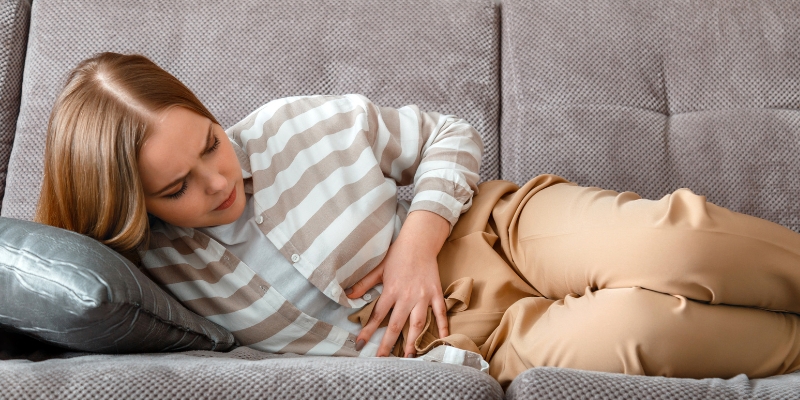
    It’s not always just a “full” feeling. Sometimes it’s a dull ache or a sharp pinch in your midsection. These remedies for abdominal bloating often work best when you catch the symptoms early. 

    If your stomach feels hard to the touch or you feel a lot of internal pressure, your body is likely struggling to move bubbles through your system. Using home remedies for bloating, like a warm heating pad or a quick walk, can help move that pressure along.

    Why Digestive Issues Often Lead to a Bloated Stomach

    When your digestion slows down, food stays in your system longer than it should. This creates a “backup” that leads to a puffy look. These remedies for bloated stomach issues often focus on getting things moving again.

    Chronic puffiness is often a sign that your system is irritated. Learning how to reduce gut inflammation can stop this cycle of swelling, ensuring your belly stays calm even after meals.

    For some, the cause is hormonal; for example, natural remedies for menopausal bloating are very popular because changes in the body can make digestion feel a bit sluggish. Using bloating remedies tea like ginger or fennel, is one of the best bloating remedies to help speed up that process naturally.

    The Best Herbal Remedies for Bloating and Discomfort

    When your stomach feels tight and uncomfortable, plants can be your best friends. Using herbal remedies for bloating is a gentle way to tell your digestive system to relax. 

    These plants have been used for hundreds of years because they work with your body to break down food and release trapped air. 

    If you are tired of that heavy feeling, these are the best bloating remedies nature has to offer.

    Bloating Remedies Tea: Peppermint, Ginger, and Fennel

    One of the easiest ways to feel better fast is to sip on a warm drink. Making a bloating remedies tea is a simple ritual that can provide quick relief.

    • Peppermint: This is a classic choice for natural remedies for bloating. It helps the muscles in your gut relax so gas can pass through more easily.
    • Ginger: Known as one of the strongest natural remedies for gas, ginger gets your digestion moving so food doesn’t sit in your stomach for too long.
    • Fennel: If you need remedies for abdominal bloating, fennel seeds are amazing. They help stop the muscle spasms that cause that “puffy” pain.

    While these herbs are excellent for gas, sometimes the discomfort comes with nausea or general queasiness. In those cases, choosing a specific tea for upset stomach can provide a broader range of soothing relief.

    Using Carminative Herbs as Natural Remedies for Gas and Bloating

    “Carminative” is just a fancy word for herbs that help prevent gas from forming or help push it out. These are the ultimate natural remedies for gas and bloating.

    Common kitchen spices like cumin, cardamom, and caraway fall into this category. They act as gas-bloating remedies by calming the digestive tract and stopping bubbles from building up.

     For women dealing with hormonal changes, these herbs are also excellent natural remedies for menopausal bloating, as they help manage the slow digestion that often comes with age.

    Incorporating these into your meals or taking them as home remedies for bloating can keep your bloated belly remedies kit simple, natural, and effective.

    Effective Home Remedies for Bloating Relief

    You don’t always need to go to the store to find comfort. Often, the most effective home remedies for bloating involve simple things you can do right in your living room. 

    These methods focus on physically helping your body move bubbles along and relaxing the muscles that feel tight and stressed.

    Gentle Movement and Stretching to Release Trapped Gas

    Sometimes, the best way to get relief is to get moving. If you’re looking for natural remedies for gas, a little bit of light activity can work wonders. 

    When you sit still, gas stays trapped; when you move, it finds a way out.

    Try these simple gas bloating remedies:

    • A Short Walk: Just 10 to 15 minutes of walking after a meal is one of the best bloating remedies to keep things moving.
    • Yoga Poses: “Child’s Pose” or “Knees-to-Chest” are great remedies for abdominal bloating. These poses gently compress the tummy, which helps push out trapped air.
    • Twisting: Gentle seated twists act as natural remedies for gas and bloating by “massaging” your internal organs.

    Warm Compresses and Massage: Simple Bloated Belly Remedies

    If your stomach feels hard or painful, heat and touch can be very soothing. These are classic bloated belly remedies that feel like a hug for your digestive system.

    • Warm Compresses: Placing a heating pad or a warm water bottle on your stomach is one of the most relaxing remedies for bloated stomach issues. The heat increases blood flow and helps your gut muscles relax.
    • Self-Massage: Rubbing your tummy in a clockwise circle is one of the easiest home remedies for bloating. This follows the natural path of your digestion and helps move gas toward the exit.

    For those who find that light massage isn’t reaching deep enough, exploring cupping therapy on the stomach can be a game-changer. This traditional technique helps stimulate blood flow and break up deep-seated stagnation.

    Using these physical, natural remedies for bloating alongside a warm cup of tea is a great way to tackle the problem from the inside and the outside.

    Whether you are dealing with everyday puffiness or looking for natural remedies for menopausal bloating, these gentle habits can make a huge difference in how you feel.

    Targeted Natural Remedies for Menopausal Bloating

    During menopause, your body goes through a lot of changes, and your digestion is no exception. Many women find that they feel puffy or full more often than they used to. 

    This is why looking for specific natural remedies for menopausal bloating is so important; it’s not just about what you eat; it’s about how your hormones are interacting with your gut.

    Managing Hormonal Shifts and Digestive Slowdowns

    As estrogen levels fluctuate, it can affect how your body handles water and how fast food moves through your system. When digestion slows down, it often leads to a heavy, uncomfortable feeling. 

    Hormonal changes do more than just shift your mood; there is a deep connection between menopause and stomach issues. Understanding this link can help you choose remedies that balance both your hormones and your digestion.

    Using herbal remedies for bloating, such as sipping on dandelion root or green tea, can help your body release extra water weight naturally.

    If you find that gas is the main issue, natural remedies for gas and bloating, like ginger or magnesium-rich food,s can help keep your digestive muscles relaxed and active. 

    These act as remedies for bloated stomach issues by ensuring that food doesn’t sit too long and cause discomfort.

    Lifestyle Adjustments to Reduce Midlife Abdominal Pressure

    Making small changes to your daily routine can be one of the best bloating remedies for long-term relief. 

    Since your body might be more sensitive now, these simple home remedies for bloating can make a big difference:

    • Eat Smaller, More Frequent Meals: This prevents your system from feeling overwhelmed and is one of the top remedies for abdominal bloating.
    • Reduce Salt Intake: Extra salt leads to water retention, which is a common cause of a “tight” waistband.
    • Focus on Fiber: Gently increasing fiber (along with plenty of water) acts as one of the most effective bloated belly remedies by keeping your pipes clear.
    • Relaxation Techniques: Since stress can trigger digestive issues, deep breathing or meditation can actually serve as natural remedies for bloating by calming the “gut-brain” connection.

    By combining these lifestyle shifts with bloating remedies tea, you can manage midlife changes with much more comfort and ease.

    Fast-Acting Natural Remedies for Gas and Sharp Pain

    When gas pain hits, it can feel like a sharp, stabbing sensation that makes it hard to move. You need relief, and you need it fast. 

    While some issues take time to resolve, several fast-acting natural remedies for gas and bloating can help break up those bubbles and stop the stinging pressure in minutes.

    Apple Cider Vinegar and Digestive Enzymes: Do They Work?

    Many people swear by Apple Cider Vinegar (ACV) as one of their go-to remedies for bloated stomach discomfort. The idea is that the acid in the vinegar helps your stomach break down food more efficiently. 

    If you constantly feel like food sits in your gut for hours without moving, you might not just be bloated; you could be dealing with symptoms of low stomach acid. Addressing this root cause often resolves the pressure before it even begins.

    Mixing one tablespoon in a large glass of water is a popular natural remedy for gas that people take right before a meal to prevent bubbles from forming.

    Similarly, digestive enzymes are often considered some of the best bloating remedies for people who struggle with specific foods, like dairy or beans.

    These enzymes act as a “helping hand” for your gut, ensuring food is processed quickly so it doesn’t sit and ferment, which is a major cause of abdominal bloating and pressure.

    Activated Charcoal and Other Best Bloating Remedies from the Pantry

    If you are already feeling the pinch, you might look toward your pantry for home remedies for bloating.

    • Activated Charcoal: This is often cited as one of the most effective natural remedies for gas. The charcoal has tiny pores that “trap” gas molecules, helping to move them out of your system quietly.
    • Baking Soda and Lemon: A classic “old school” fix! A small amount of baking soda mixed with water and lemon juice can create a gentle reaction that helps release gas through burping, making it one of the quickest gas-bloating remedies when you feel overstuffed.
    • Mustard: It sounds strange, but many find that a teaspoon of yellow mustard can act as one of those surprising bloated belly remedies because the vinegar and turmeric it contains help settle the stomach.

    By keeping these natural remedies for bloating nearby, you can stop sharp pains in their tracks and get back to your day without the heavy, “puffy” feeling holding you back.

    Long-Term Habits to Prevent a Bloated Stomach Naturally

    While it’s great to have quick fixes, the best way to deal with discomfort is to stop it before it starts. Building a few simple, daily habits can serve as permanent natural remedies for bloating. 

    By making small shifts in how you eat and drink, you can keep your digestive system running smoothly and avoid that “stretched” feeling altogether.

    Mindful Eating Habits to Reduce Air Intake and Gas

    Here is a simple, easy-to-follow table that summarizes these mindful habits to keep your digestion smooth and air-free.

    To keep your tummy flat and comfortable:

    HabitHow it WorksWhy it Helps
    Chewing ThoroughlyTurns food into a liquid consistency before it hits your stomach.One of the easiest home remedies for bloating is that it takes the stress off your gut.
    Eating SlowlyPrevents you from swallowing excess air while you eat and talk.Acts as one of the best natural remedies for gas by stopping bubbles at the source.
    Ditching StrawsStops extra air from being forced into your digestive tract with every sip.A simple fix that works as a great gas-bloating remedy for daily comfort.
    Avoiding GumPrevents “false” hunger signals and keeps you from swallowing air constantly.Reduces the triggers for abdominal bloating and pressure throughout the day.

    The Foundation of a Bloat-Free Gut

    If you want to stay bloat-free, you have to keep things moving. Water and fiber are the ultimate duo and serve as the foundation for the best bloating remedies.

    Focus AreaWhy it WorksQuick Tip
    Soluble FiberOne of the most effective remedies for a bloated belly, it promotes long-term health by keeping digestion regular without causing extra gas.Start slow! Add foods like oats or peeled fruits to your diet gradually.
    HydrationActs as one of the simplest remedies for bloated stomach issues by flushing out excess sodium.Drink a glass of water before every meal to help your body process food.
    Fiber & Water DuoThis is the foundation of the best bloating remedies because water helps fiber move through your system smoothly.If you increase your fiber, you must increase your water, or you might feel more backed up.
    Hormonal BalanceProper hydration is key to natural remedies for menopausal bloating, as it helps reduce water retention.Keep a reusable water bottle with you to ensure you’re sipping all day long.

    By pairing these habits with a daily cup of bloating remedies tea, you create a lifestyle that naturally prevents discomfort. 

    Fiber is essential, but the quality matters. To build lasting resilience against bloating, try incorporating specific foods for gut health into your daily rotation that repair the microbiome naturally.

    These natural remedies for gas and bloating aren’t just one-time fixes; they are the keys to feeling light and energized every single day.

    Who to Consult for Natural Treatment

    If you’re ready to move beyond temporary fixes and find lasting relief, visiting a natural healing haven like Healing Haven Nutrition can be transformative for your well-being. By working closely with a dedicated gut health practitioner, you can stop the guesswork and finally uncover the root cause of your discomfort through a plan designed just for you.

    Whether you need professional-grade herbal remedies for bloating or specific natural remedies for menopausal bloating that sync with your hormones, expert guidance ensures you’re using the right tools for your body. 

    Transitioning from simple home remedies for bloating to a personalized recovery strategy is the best way to quiet abdominal bloating and pressure for good, helping you feel light, balanced, and truly comfortable in your own skin.

    Conclusion

    Managing digestive discomfort doesn’t have to be a frustrating daily struggle. Whether you are searching for natural remedies for bloating after a heavy holiday meal or navigating the unique changes that require natural remedies for menopausal bloating, the secret lies in listening to your body’s signals. 

    By blending the best bloating remedies, such as a warm cup of peppermint tea or simply slowing down at mealtimes,e you can build a lifestyle that prioritizes your comfort and energy.

    Because every digestive system is unique, the most effective home remedies for bloating will vary from person to person. You might find relief through simple herbal remedies for bloating, or perhaps your body responds better to natural remedies for gas and gentle movement. The goal is to build a toolkit that works for you.

    If you ever feel that persistent abdominal bloating and pressure are holding you back from enjoying life, remember that you don’t have to figure it out alone. Seeking guidance at a natural healing haven can offer the expert insight needed to balance your gut for the long term. 

    With a few targeted gas bloating remedies and a bit of patience, you can finally move past the puffiness and enjoy the light, easy digestion you deserve.

    FAQS

    What are the fastest natural remedies for bloating?

    Drinking peppermint or ginger tea is one of the quickest natural remedies for bloating, as it helps relax the gut. Taking a short walk is also an effective gas-bloating remedy to move trapped air.

    How can I get rid of a bloated stomach overnight?

    To wake up feeling better, try drinking a warm cup of fennel tea before bed and avoid eating late at night. These home remedies for bloating support digestion while you sleep.

    Are there specific natural remedies for menopausal bloating?

    Yes. Staying well hydrated and reducing salt intake are key natural remedies for menopausal bloating. These habits help manage water retention and slower digestion caused by hormonal changes.

    When should I see a gut health practitioner?

    If abdominal bloating and pressure persist despite simple lifestyle changes, it’s time to seek professional help. A gut health practitioner can identify the root cause and create a personalized healing plan.

  • Cupping Therapy on Thighs: Benefits, Recovery & Cellulite

    Cupping Therapy on Thighs: Benefits, Recovery & Cellulite

    If you’ve ever noticed those circular marks on the legs of professional athletes or fitness enthusiasts, you’ve seen thigh cupping in action. While once a hidden secret of traditional medicine, cupping therapy for the lower body has exploded in popularity as a go-to tool for modern recovery.

    But what exactly is it? At its core, cupping involves placing specialized cups on the skin to create a vacuum. This suction pulls the muscle tissue upward, acting like a “reverse massage” that creates space between the layers of your legs.

    In recent years, we’ve seen a massive rise in cupping for legs among those dealing with chronic pain and athletes looking to bounce back faster. Whether you are trying to soothe sore quads after a run or find relief from daily leg fatigue, thigh cupping offers a simple, effective way to get your lower body feeling light and mobile again.

    Can You Do Cupping on Your Legs?

    If you are wondering, can you do cupping on your legs? The answer is a definite yes. While many people associate those circular marks with the back and shoulders, the legs are actually one of the most effective areas for this treatment.

    While many seek back pain cupping therapy or relief via cupping therapy on neck muscles, the legs provide a massive surface area for systemic tension release that often mirrors upper-body improvements.

    This localized relief is just one facet of the broader benefit of cupping therapy, a practice we specialize in through our variety of cupping services designed for total body restoration.

    How Suction Works on Large Muscles

    Unlike a traditional massage that presses down on your muscles, cupping uses suction to pull the tissue upward. Because your legs are home to some of the largest and thickest muscle groups in your body, like your quads, hamstrings, and calves, there is plenty of “meaty” tissue for the cups to grab onto.

    When the cup creates a vacuum, it pulls the skin and the top layer of muscle away from the bone. This creates space between the layers of tissue, allowing blood to flow more freely and helping tight fibers finally relax.

    Is It Safe?

    Applying cupping therapy for legs is generally very safe for most people. Because the skin on your thighs and calves is usually tougher than the skin on your back, it handles the suction quite well. However, there are a few simple safety rules to follow:

    • Avoid Bone: Only apply cups to the fleshy parts of the leg. Avoid the kneecap, the shin bone, and the ankles.
    • Check for Varicose Veins: If you have prominent or painful varicose veins, it is best to avoid placing cups directly over them.
    • Start Light: Especially when doing cupping on legs for the first time, use a light amount of suction to see how your skin reacts.

    By targeting these large muscle groups, you can experience a deep sense of relief that standard stretching often can’t reach.

    Benefits of Cupping Therapy on Thighs

    Using thigh cupping as part of your wellness routine can do more than just help you recover from a workout. Because the thighs carry so much of our body weight and tension, the benefits of suction therapy are often felt almost immediately.

    Relieving Muscle Tension and Soreness

    The most common reason people try cupping on their legs is to get rid of that “heavy” or stiff feeling. Whether it’s from sitting at a desk all day or hitting a new personal best at the gym, your leg muscles can develop tight knots. 

    The suction from the cups pulls these muscle fibers apart, releasing deep-seated tension that foam rollers sometimes struggle to reach. It’s an incredibly effective way to soothe sore quads and hamstrings.

    Improving Circulation and Lymphatic Drainage

    Good blood flow is the secret to fast healing. Thigh cupping draws fresh, oxygen-rich blood into the area while simultaneously helping the lymphatic system flush out cellular waste. 

    By moving the cups in a sliding motion toward your hips, you can help reduce swelling and inflammation, leaving your legs feeling refreshed and energized rather than sluggish.

    By stimulating the lymphatic system, you support the body’s natural detox pathways, a vital process similar to how cupping therapy for thyroid support aims to balance and optimize internal glandular health through improved local blood flow.

    Addressing Cellulite and Skin Texture

    Many people turn to cupping therapy for the legs to help improve the appearance of their skin. Cellulite is often caused by tight bands of connective tissue (fascia) pulling down on the skin while fat pushes up.

    The suction from the cups helps to:

    • Loosen the fascia: Breaking up those tight bands can lead to smoother-looking skin.
    • Tone the area: Increased circulation can give the skin a healthier, firmer glow.
    • Exfoliate: The process gently stretches the skin, which can improve overall texture over time.

    Cupping on Calves vs. Thighs

    When you start using cupping for legs, you’ll quickly realize that your upper and lower legs need different types of attention. Because the muscles in your thighs are much larger and deeper than the muscles in your calves, the way you apply the cups changes depending on your goals.

    Targeted Relief for Lower Leg Stiffness

    Cupping on calves is a game-changer for anyone who deals with tight lower legs, whether you’re a runner or someone who spends all day standing. The calf muscles (the gastrocnemius and soleus) are prone to knots that can lead to ankle stiffness and even foot pain.

    Because the calf area is smaller and the skin is closer to the bone, using smaller or medium-sized silicone cups is often more effective here. This helps the cup maintain a strong seal, allowing the suction to pull the tension out of the lower leg and restore your range of motion. It is especially helpful for relieving the “tight” feeling in the Achilles region.

    Managing IT Band and Quad Tension

    The thighs offer a much larger “canvas” for treatment. Thigh cupping is particularly famous for helping with IT band syndrome, that nagging tightness that runs down the outside of your leg and often causes knee pain.

    Because the quads and hamstrings are so meaty, you can use larger cups and more suction. This area is also perfect for “moving cupping,” where you apply oil and slide the cup up and down the length of the thigh. 

    This technique is great for managing quad tension after a heavy leg day or breaking up the sticky connective tissue (fascia) that makes your legs feel stiff.

    How Often Can You Do Cupping Therapy on Legs?

    One of the most common questions beginners have is: ” How often do you do cupping actually to see a difference? While it might be tempting to use the cups every day to get rid of soreness, your body actually needs time to process the treatment.

    Recommended Frequency: Recovery vs. Maintenance

    The frequency of your sessions depends on what you are trying to achieve:

    GoalRecommended FrequencyPurpose
    Recovery (Injuries/Intense Training)2 to 3 times per weekTo flush out toxins, repair muscle knots, and boost blood flow after a race or heavy lift.
    Maintenance (General Wellness)Once a weekTo keep the fascia loose and prevent that “heavy leg” feeling from daily stress.
    Long-Term PreventionEvery 2 weeksTo ensure connective tissues don’t get “stuck” and to maintain skin texture.

    Signs Your Legs Need a Break

    Because cupping pulls blood to the surface, it can leave marks or slight tenderness. You should give your legs a rest if:

    The SignWhy it HappensWhat to Do
    Dark Circular MarksThe “bruises” or marks from your last session are still very visible.Wait for the marks to fade before cupping that exact spot again.
    Skin SensitivityThe skin on your thighs or calves feels tender to the touch or looks irritated.Skip your session for a few days to let the surface tissue recover.
    Body FatigueYou feel extra sleepy or “drained” after your last treatment.Space your treatments further apart; your body is working hard to flush out waste.
    Persistent SorenessThe muscle feels overworked rather than relieved.Take a break from cupping on legs and stick to light stretching and hydration.

    By listening to your body and not rushing the process, you’ll get much better long-term results from your thigh cupping routine.

    When the body is overstimulated, shifting to gentler modalities like facial cupping therapy or seeking targeted cupping for migraine relief can maintain your wellness momentum without overworking the large muscle groups.

    What to Expect: Before and After Cupping on Thighs

    If you are trying cupping for legs for the first time, it helps to know what the process actually looks and feels like. Unlike a facial or a relaxing spa treatment, cupping is a functional therapy, meaning the results are great, but the “look” during the process can be a bit surprising.

    Understanding the “Cup Marks” on Large Muscles

    One of the most common sights after thigh cupping is the appearance of dark, circular marks. 

    It’s important to remember that these are not traditional bruises. While a bruise is caused by an impact that breaks blood vessels, these marks are caused by suction drawing “stagnant” blood and fluids to the surface.

    Because your thighs have large, dense muscles, these marks might appear darker or stay longer than they would on other parts of your body.

    • Light Pink/Red: Indicates good circulation and healthy tissue.
    • Dark Purple/Blue: Suggests significant tension or “stagnation” in the muscle. Don’t worry, these usually fade within 3 to 7 days. As you continue your routine of cupping on your legs, you’ll likely notice these marks becoming lighter and disappearing faster as your circulation improves.

    Post-Treatment Care for Leg Muscles

    To get the most out of your session and ensure your legs recover properly, follow these simple post-care steps:

    • Stay Hydrated: Drink plenty of water. Cupping helps release cellular waste, and your kidneys need water to flush those toxins out of your system.
    • Keep the Area Covered: Your pores are more “open” after a session. Try to keep your legs covered and warm for a few hours to avoid a “cold” shock to the muscles.
    • Avoid Intense Heat: Skip the hot tub, sauna, or scalding shower immediately after thigh cupping. Your skin is sensitive, and extreme heat can irritate it.
    • Gentle Movement: While you should avoid a heavy “leg day” workout right after treatment, light walking can help keep the blood moving and prevent stiffness.

    Choosing the Right Practitioner for Cupping Therapy

    Choosing the right practitioner is key to getting the best results and staying safe. A skilled expert understands how to adjust suction levels for the dense muscles in your lower body, ensuring the treatment is effective without being uncomfortable. If you are looking for a professional experience, Natural Healing Haven provides a specialized environment where you can receive high-quality cupping therapy tailored to your needs. By visiting a dedicated specialist, you ensure that your session is performed with the right technique to target deep tension and promote long-term leg health.

    Final Thoughts

    The advantages of thigh cupping for leg health are hard to ignore. From boosting circulation and speeding up muscle recovery to smoothing out skin texture and relieving deep-seated tension, this ancient technique offers a modern solution for anyone on their feet. 

    Whether you are using cupping on calves to stop cramps or cupping for legs to feel more mobile, it is one of the most effective ways to give your lower body the attention it deserves.

    While at-home kits are a great way to maintain your results, there is no substitute for professional expertise. If you are dealing with chronic pain or are new to the process, we highly encourage you to book a consultation with a certified practitioner. A professional can assess your specific needs and ensure your cupping therapy is safe, effective, and tailored to your body’s unique recovery goals.

    FAQs

    Is thigh cupping effective for athletes?

    Yes. Thigh cupping is highly effective for athletes as it helps speed up recovery by increasing blood flow to large muscle groups. It aids in flushing out lactic acid, reducing post-workout soreness, and improving overall flexibility.

    How often do you do cupping on the legs for best results?

    For active recovery, you can perform cupping for the legs 2 to 3 times a week. For general maintenance and preventing stiffness, once a week is usually sufficient. Always wait for marks from previous sessions to fade before treating the same area again.

    Are there side effects to cupping on the legs?

    The most common side effect is temporary circular marking or “bruising,” which typically fades in 3 to 7 days. Some people may also experience slight skin sensitivity or mild fatigue immediately after a session as the body processes metabolic waste.

    How much does the average cupping therapy cost?

    The average cupping therapy cost ranges from $40 to $90 per professional session. Price factors include your location and the length of the treatment. Alternatively, high-quality at-home silicone kits are available for a one-time cost of roughly $20 to $40.

  • Dry Cupping vs Wet Cupping: Key Differences, Benefits & Uses

    Dry Cupping vs Wet Cupping: Key Differences, Benefits & Uses

    Ever wonder why so many athletes and wellness influencers are sporting those mysterious circular bruises on their backs? It’s called cupping therapy, and while it might look like a recent fad, it’s actually a healing practice that’s been around for thousands of years.

    From professional athletes using sports cupping to recover from games to people seeking hijama wet cupping for a deep detox, this treatment is everywhere. But if you’re thinking about trying it, you’ll quickly realize there isn’t just one way to do it.

    The biggest question most beginners have is: What’s the difference between dry cupping and wet cupping? In this guide, we’ll break down how each method works, what they do for your body, and which one is actually worth your time.

    What Is Cupping Therapy?

    At its simplest, cupping is like a deep-tissue massage in reverse. Instead of pressing down on your muscles, the treatment uses special cups to create suction that pulls the skin and muscle tissue upward.

    This gentle “pull” does a lot of heavy lifting behind the scenes. By creating a vacuum, it draws fresh blood to the area and stretches the connective tissue. But what does cupping do for the body exactly? It helps flush out built-up toxins, breaks up stubborn muscle knots, and kicks your body’s natural healing process into high gear. Whether you’re looking to de-stress or recover from a workout, cupping works by moving stagnant energy and getting your circulation flowing again.

    Beyond general wellness, suction techniques are now being used for specific glandular health. For instance, recent studies into cupping therapy for thyroid function suggest that localized circulation can support metabolic balance.

    What Is Dry Cupping Therapy?

    If you’ve seen athletes on TV with those signature circular marks, you’re likely looking at the results of dry cupping therapy. This is the most common form of the practice and is widely used in physical therapy offices and spas today.

    How Dry Cupping Treatment Works

    Unlike other methods, dry cupping treatment is completely non-invasive, meaning there are no incisions or blood involved. The process is straightforward: a practitioner places silicone, glass, or plastic cups on specific areas of the body, usually the back, shoulders, or legs.

    By using a manual pump or heat, they create a vacuum that creates suction only. This suction pulls your skin and the top layer of muscle into the cup, which creates space between the layers of tissue to allow for better movement and blood flow.

    Benefits of Dry Cupping

    Many people turn to this method because of how quickly it addresses physical discomfort. The primary cupping therapy pros for the dry method include:

    • Relieving Muscle Tension: It’s incredibly effective at “unsticking” tight muscle fibers and smoothing out knots.
    • Sports Cupping: Professional and amateur athletes use sports cupping to speed up recovery times, improve flexibility, and reduce soreness after heavy training sessions.
    • Better Circulation: By pulling blood to the surface, it helps nourish tissues and promotes faster healing of minor injuries.

    Basically dry cupping is excellent for general tension, it is most frequently sought after for lumbar relief. Many patients find that back pain cupping therapy provides a non-invasive alternative to traditional spinal adjustments.

    What Is Wet Cupping (Hijama)?

    If dry cupping is about muscle relief, wet cupping therapy is often described as a deep internal “cleanse.” This method, historically known as hijama wet cupping, is a two-step process that has been used for centuries across Middle Eastern and Asian cultures to restore balance to the body.

    The internal “reset” provided by Hijama is vast, touching everything from blood filtration to cellular health. You can explore the full benefit of cupping therapy to see how this ancient practice addresses modern systemic ailments.

    How Wet Cupping Therapy Works

    The procedure begins similarly to a dry session, where cups are placed on the skin for a few minutes to create an initial vacuum. This draws blood to the surface and numbs the area slightly.

    The practitioner then removes the cup and makes tiny, superficial incisions (often just light scratches) on the skin’s surface. The cup is reapplied, and the second round of suction draws out a small amount of “stagnant” blood and interstitial fluid. This process is believed to remove cellular waste and toxins that have settled in the tissues over time.

    Benefits of Hijama Wet Cupping

    While it may sound intense, many people prefer this method for its systemic health benefits. Key cupping therapy pros for the wet method include:

    • Deep Detoxification: By physically removing stagnant blood, it is believed to help the body clear out heavy metals and metabolic waste, essentially “resetting” the local circulatory system.
    • Managing Chronic Pain: It is frequently used for long-term issues like migraines, persistent lower back pain, and even skin conditions like acne.
    • Immune System Support: The tiny incisions trigger the body’s natural immune response, stimulating the production of white blood cells and natural painkillers (endorphins).

    Dry Cupping vs Wet Cupping – Key Differences

    If you are trying to decide between these two popular methods, it helps to see them side-by-side. While both fall under the umbrella of cupping therapy, their procedures and results are quite different.

    FeatureDry CuppingWet Cupping (Hijama)
    ProcedureSuction is applied to the skin using heat or a pump.Initial suction, followed by tiny incisions and a second suction.
    Pain LevelGenerally painless; feels like a tight, pinching sensation.Mild discomfort; similar to a light scratch or a blood test.
    Blood InvolvementNo blood removal. All fluids stay under the skin.Controlled blood removal. Draws out small amounts of stagnant blood.
    Recovery TimeMarks fade in 3 to 7 days.Marks and tiny scratches heal in 7 to 10 days.
    Best Use CasesSports cupping, muscle knots, and general relaxation.Detoxification, chronic migraines, and systemic inflammation.

    When weighing dry cupping vs wet cupping, think of dry cupping as your go-to for physical “maintenance” and muscle recovery. Wet cupping, or Hijama, is often chosen by those looking for a deeper medicinal or spiritual detox.

    Is Cupping Painful?

    One of the most frequent concerns for those considering this therapy is the fear of discomfort. So, is cupping painful?

    While the idea of suction and tiny incisions can sound intimidating, most people describe the sensation as a deep, pulling pressure rather than actual pain. According to expert insights, cupping is a generally painless procedure that doesn’t involve drug-based relief.

    Sensation Explained

    The feeling of cupping is often compared to a “hickey” or a firm pinch. As the cups create a vacuum, you’ll feel your skin tighten. 

    This sensation typically subsides within the first minute as the area becomes slightly numb from the pressure. In wet cupping, the incisions are so superficial that they are often described as feeling like a light scratch or a blood test.

    Dry vs. Wet Pain Comparison

    • Dry Cupping: Generally, the most comfortable method. It focuses on muscle tension and involves no skin piercing, so the sensation is purely pressure-based.
    • Wet Cupping (Hijama): While this method involves incisions, it is not as intrusive as a standard blood test because it does not penetrate the veins. Practitioners are trained to ensure you are comfortable, and the therapy is only continued at a threshold that the patient is okay with.

    In short, whether you choose dry or wet cupping, you can expect a relaxing experience that is far more comfortable than it looks.

    How Long to Leave Cupping On?

    Timing is everything when it comes to a safe and effective session. If you leave the cups on for too short a time, you might not get the full benefits; stay too long, and you risk skin irritation or even small blisters.

    Duration for Dry vs Wet Cupping

    The amount of time the cups stay on your skin depends largely on the method being used:

    • Dry Cupping: A typical dry cupping therapy session usually lasts between 5 and 15 minutes. Some modern practitioners suggest that even a 5-minute session is enough to significantly boost blood flow to the area.
    • Wet Cupping (Hijama): This process is broken into stages. Usually, the cups are left on for about 3 minutes to create initial suction, then removed for the incisions, and reapplied for another 10 to 15 minutes to draw out the stagnant blood.

    Sensitivity varies by body part; for example, the delicate tissues of the upper body require a lighter touch. Those seeking cupping therapy on neck areas often prefer a gentler suction to manage tension without discomfort.

    Safety Considerations

    Knowing how long to leave cupping on isn’t just about the clock; it’s about your skin’s response. Professionals generally advise never exceeding 20 minutes for dry cupping or 30 minutes for wet cupping to avoid excessive bruising or tissue damage.

    If you have sensitive skin or are trying it for the first time, your practitioner might start with shorter intervals (around 3-5 minutes) to see how your body reacts.

    Before and After Cupping Therapy – What to Expect

    Understanding the journey before and after cupping therapy can help you feel more at ease and ensure you get the best results from your session.

    Before Your Session

    To prepare your body, practitioners recommend hydrating well and eating a light meal about two hours before your appointment. 

    If you are opting for hijama wet cupping, some traditions suggest fasting for 3 hours before allow the body to focus on detoxification. It is also best to avoid shaving the area immediately before your visit, as freshly shaved skin can be more sensitive to suction.

    The Marks and Healing Time

    The most famous “after” effect of cupping is the circular marks left behind. It’s important to know that these are not traditional bruises caused by injury; they are the result of suction drawing stagnant blood and metabolic waste to the surface.

    • Light Pink/Red Marks: Usually fade within a few hours to 3 days.
    • Dark Red/Purple Marks: Indicate more significant stagnation and can take 7 to 14 days to disappear completely.

    Results Timeline

    When it comes to feeling the benefits, many people report immediate relief from muscle tightness right after a dry cupping treatment. 

    For chronic issues or the systemic benefits of wet cupping therapy, you may notice an improvement in your energy levels and a reduction in pain within 24 to 48 hours as your lymphatic system flushes out the released toxins.

    Post-Therapy Care

    • Stay Warm: Your skin will be sensitive to temperature, so avoid cold drafts or air conditioning.
    • Hydrate: Drink plenty of water to help your kidneys process the cellular waste produced during the session.
    • Rest: You might feel slightly fatigued or “flu-like” for a few hours—this is a normal sign that your immune system is responding to the treatment.

    Dry Cupping vs Wet Cupping for Sports & Pain

    In the world of professional athletics, recovery is just as important as the workout itself. This is where the debate of dry cupping vs wet cupping often comes into play. While both are effective, they serve different roles in a training regimen.

    Athletic Recovery

    Sports cupping has become a “secret weapon” for Olympians and professional athletes. By using the dry method, therapists can specifically target overworked muscle groups. 

    The suction creates a decompression effect, lifting the fascia (the connective tissue covering your muscles) to allow fresh, oxygenated blood to rush in. 

    This helps flush out lactic acid and metabolic waste, which are the main culprits behind that “heavy leg” feeling after a long run or heavy lift.

    Muscle Stiffness

    If you are dealing with chronic muscle stiffness or “knots,” dry cupping is often the preferred choice. It acts as a deep-tissue release that is more efficient than traditional massage in some cases because it pulls the tissue rather than pushing it. This helps:

    • Increase Range of Motion: Loosening the fascia allows for better flexibility.
    • Reduce DOMS: It significantly lowers Delayed Onset Muscle Soreness, helping you get back to the gym faster.
    • Target Specific Pain: Whether it’s a tight IT band or lower back tension, the cups can be placed exactly where the stiffness is most intense.

    While sports cupping usually relies on the dry technique for quick recovery, some athletes choose hijama wet cupping during their off-season or rest weeks. This is done to address systemic inflammation and provide a “full-body reset” that goes beyond just the surface muscles.

    Acupuncture vs Cupping – Which Is Better?

    When exploring Traditional Chinese Medicine, you’ll likely come across both acupuncture and cupping. While they often go hand-in-hand, the debate of acupuncture vs cupping usually boils down to your specific symptoms and comfort level.

    Different Treatment Goals

    The main difference lies in how they interact with your body. Think of acupuncture as a “precision strike” and cupping as a “broad reset.”

    • Acupuncture: Uses ultra-thin needles to target specific “Qi” points along the body’s meridians. It is highly effective for internal issues like stress, headaches, or even digestive problems because it works directly with the nervous system.
    • Cupping: Focuses on the physical tissue and blood flow. It’s the superior choice for surface-level discomfort, such as tight muscle fibers, stagnant blood, or lymphatic drainage.

    Which One Should You Choose?

    If you are dealing with a specific sports injury or general body stiffness, dry cupping therapy is often more effective at loosening those deep knots. However, if your pain is chronic or tied to stress and hormonal imbalances, acupuncture might provide a more holistic fix.

    Interestingly, you don’t always have to choose. Many practitioners use “needle cupping,” where they place a cup over an acupuncture needle to get the benefits of both releasing the muscle while simultaneously balancing the body’s energy.

    When precision is required for neurological relief, specific protocols are used for head-related pain. Integrating cupping for migraine relief can often reduce the frequency and intensity of chronic tension headaches.

    Pros and Cons of Cupping Therapy

    Before booking your first session, it is helpful to look at the balanced perspective of what this treatment offers. While the cupping therapy pros are numerous, there are a few drawbacks and safety factors to keep in mind.

    Pros of Cupping TherapyCons & Considerations
    Instant Muscle Relief: Great for releasing deep knots and tension.Temporary Marks: Circular “bruises” can last up to two weeks.
    Improved Circulation: Boosts blood flow to stagnant or injured areas.Skin Irritation: Suction can cause sensitivity or minor blisters if left too long.
    Detoxification: Specifically, with hijama wet cupping, it helps clear cellular waste.Post-Session Fatigue: You may feel “wiped out” or sleepy after treatment.
    Non-Invasive: A drug-free way to manage pain and inflammation.Contraindications: Not suitable for those with skin infections or bleeding disorders.

    Who Should Choose Dry or Wet Cupping?

    Deciding between dry cupping and wet cupping often comes down to your personal health goals, your lifestyle, and your comfort level with the process. Here is a simple guide to help you make the right choice.

    Choose Dry Cupping If:

    • You are an athlete: If your main goal is sports cupping for muscle recovery, increased flexibility, or healing a specific gym injury, dry cupping is the standard choice.
    • You have a low pain tolerance: Since there are no incisions, this is the most comfortable way to experience the benefits of suction.
    • You have a busy schedule: Dry cupping requires less aftercare and has a slightly faster recovery time for the skin.
    • You want to treat “knots”: It is excellent for myofascial release and localized muscle stiffness.

    Choose Wet Cupping (Hijama) If:

    • You want a deep detox: If you feel “sluggish” or are looking for the systemic benefits of hijama wet cupping, the removal of stagnant blood is the way to go.
    • You deal with chronic issues: People suffering from recurring migraines, high blood pressure, or skin issues often find better long-term results with the wet method.
    • You are looking for a “reset”: Many choose this method for the mental and physical “lightness” felt after a session.
    • You prefer traditional healing: If you are following the religious or cultural traditions of Hijama, this is the authentic procedure.

    Still Unsure?

    If you’re stuck between the two, start with a dry cupping treatment. It allows you to get used to the sensation of the suction. Once you’re comfortable with how your body reacts to the vacuum pressure, you can move on to wet cupping therapy for a more intensive experience

    Finding the Right Expert for Cupping Therapy

    Choosing between dry cupping vs wet cupping is only half the battle; the other half is finding a practitioner you can trust. For those in Calgary, Natural Healing Haven is an excellent choice for professional care. Led by Minaam Jamil, a certified Natural Health Practitioner, the clinic focuses on holistic, science-based treatments that address the root cause of your discomfort.

    The team ensures you understand the process before your session begins. By combining specialized techniques like hijama wet cupping with clinical nutrition and lifestyle guidance, they provide a safe, hygienic environment tailored to your recovery. Whether you need sports cupping for an injury or a general wellness session, working with an expert for your cupping therapy ensures your treatment is both safe and effective.

    In a nutshell, we we often think of the body, vacuum therapy is also revolutionizing skincare by stimulating collagen. Modern facial cupping therapy offers a needle-free way to rejuvenate skin tone and reduce puffiness.

    Conclusion

    Understanding the difference between dry cupping vs wet cupping is the first step toward reclaiming your well-being. Whether you choose the muscle-soothing benefits of the dry method or the deep detoxification of hijama, both offer a powerful, drug-free path to healing.

    Dry treatments are ideal for quick relief from muscle stiffness and sports recovery, while wet therapy is better for systemic resets and chronic conditions. While the circular marks may look intense, the results speak for themselves. The most important factor is working with a qualified practitioner to ensure you receive the right care for your unique needs.

    If you are ready to feel lighter and more energized, reach out to the experts at Natural Healing Haven. A professional consultation for your cupping therapy will provide the clarity and safety needed to help your body heal naturally.

    FAQS

    What is the main difference between dry cupping and wet cupping? 

    The main difference is that dry cupping uses only suction to stimulate blood flow, while wet cupping (Hijama) involves making tiny, superficial incisions to remove a small amount of stagnant blood and toxins.

    Is wet cupping (Hijama) more painful than dry cupping therapy? 

    Not necessarily. While dry cupping feels like a firm pinch, wet cupping involves a light scratching sensation similar to a blood test. Most patients find both procedures very tolerable and drug-free.

    Which is better for pain relief: dry cupping or wet cupping? 

    It depends on the source of the pain. Dry cupping is superior for muscle knots, stiffness, and athletic recovery. Wet cupping is often more effective for systemic pain, inflammatory conditions, and chronic migraines.

    How long should cupping cups be left on the body? 

    Typically, cups are left on for 5 to 15 minutes. Leaving them on for too long can cause skin irritation or blisters, so it is vital to have a professional monitor the duration based on your skin type.

  • How to Relieve Migraine Pain with Cupping Therapy

    How to Relieve Migraine Pain with Cupping Therapy

    If you’re tired of living in a dark room with an ice pack, you aren’t alone. More people than ever are ditching the pill bottle and turning to natural remedies to find real, lasting relief. One ancient method making a massive comeback is cupping for migraines. But can suctioning your skin really stop a pounding headache in its tracks? Let’s dive into how this therapy works and if it’s the missing piece in your pain relief puzzle.

    The reason this treatment is gaining so much attention is that it tackles the physical triggers that many medications miss. Instead of just masking the symptoms, a cupping treatment for migraine targets the tight muscles and poor circulation in your neck and shoulders that often lead to an attack. Using gentle suction to lift the skin and muscle tissue helps “unstick” the tension that causes that heavy, throbbing sensation. It’s a simple, drug-free way to help your body relax and reset when you feel a headache coming on.

    What Is Cupping Therapy?

    While it might look like a modern trend seen on pro athletes, cupping is actually thousands of years old. It has deep roots in Traditional Chinese Medicine and is also a key part of Middle Eastern healing, where it is known as hijama for migraine relief. At its core, cupping is about moving energy and blood. Instead of pushing into the muscle like a standard massage, this therapy uses suction to pull the tissue upward, creating space for healing.

    There are three main ways this is done today:

    • Dry Cupping: The practitioner creates a vacuum inside the cup (using heat or a suction pump) and leaves it stationary on your skin for several minutes.
    • Wet Cupping (Hijama): This involves a two-step process where a mild suction is created, followed by tiny, shallow scratches on the skin to draw out a small amount of “stagnant” blood.
    • Vacuum Cupping: This is a modern approach using a specialized mechanical pump to precisely control the suction levels.

    To get the best results, practitioners focus on specific cupping therapy points usually around the neck, shoulders, and upper back. By targeting these cupping therapy trigger points, they can release the deep “knots” and pressure that often send pain signals straight to your head.

    How Cupping May Help Migraine Headaches

    Cupping for migraines works by fundamentally changing your internal blood flow. The suction pulls fresh, oxygenated blood into inflamed or restricted areas of the neck and head, flushing out pain-inducing chemicals and clearing the “traffic jam” in your circulatory system.

    Beyond circulation, it provides deep tissue decompression. Unlike standard massage, cupping therapy for migraines stretches connective tissue to signal your nervous system to exit “fight or flight” mode. This physical release of the muscles’ grip directly reduces the pressure around your skull.

    For those struggling with vacuum headache symptoms, cupping offers immediate relief. By lifting the tissue, the suction helps move stagnant blood and inflammatory chemicals out of the muscle. This makes decompression cupping an incredible tool for managing back pain cupping therapy, neck stiffness, and post-workout soreness.

    What Research Says About Cupping for Migraines

    While the practice of cupping has been around for centuries, modern science is finally starting to catch up. Researchers have been looking closely at how cupping for migraines stacks up against traditional treatments. Several studies published in journals like the Journal of Traditional and Complementary Medicine suggest that patients who receive regular cupping sessions report a significant drop in the intensity and frequency of their headaches.

    Scientific Evidence vs. Real-World Experience

    It is important to distinguish between “anecdotal evidence” (stories from people who felt better) and “scientific evidence” (controlled studies).

    • Scientific Evidence: Clinical trials have shown that cupping can help decrease the “Pain Rating Index.” Essentially, it helps lower the volume of the pain your brain perceives.
    • Anecdotal Evidence: Thousands of chronic sufferers swear by hijama for migraine relief, reporting that it clears the “brain fog” and heavy pressure that meds sometimes miss.

    Expert Insights

    From a clinical perspective, many physical therapists and RMTs view cupping as a biological “reset button.” Experts in the field explain that by targeting cupping therapy points, the treatment stimulates the peripheral nervous system. This helps the body release its own natural painkillers, endorphins.

    As many practitioners in the holistic health space point out, the goal of a cupping treatment for migraine isn’t just to fix the head; it’s to fix the environment in the body that allows migraines to thrive. While more large-scale human trials are always needed, the current data, combined with centuries of success makes it a very promising option for those seeking a drug-free alternative.

    How Hijama (Wet Cupping) Differs

    When people talk about hijama for migraine relief, they are referring to a specific type of treatment known as “wet cupping.” While the goal is still to stop that pounding pain, the method and history behind it are unique. Hijama is a foundational practice in Islamic medicine and has been used for over 1,400 years as a way to cleanse the body and maintain health.

    The main difference between dry and wet cupping comes down to “stagnation.”

    • Dry Cupping: This uses suction to pull the skin and muscle upward. It is fantastic for general muscle relaxation and improving local blood flow.
    • Wet Cupping (Hijama): This goes a step further. After a few minutes of suction, the practitioner makes tiny, shallow scratches on the skin’s surface and reapplies the cup. This draws out a small amount of “stagnant” blood and fluids that are believed to contain toxins and inflammatory markers.

    In the context of migraines, many people prefer hijama because it is thought to provide a deeper “detox” for the circulatory system. By physically removing the fluids that cause pressure and inflammation, it can offer faster relief for those dealing with intense, recurring attacks. While dry cupping is like a deep-tissue massage that moves things around, wet cupping is more like a filter that clears things out.

    Cupping Therapy Points for Migraine Relief

    If you are new to this treatment, you might wonder exactly where the cups go. To get the best results, practitioners don’t just place cups randomly. They focus on specific “hubs” where tension tends to bottle up and cut off circulation to your head.

    Common Targeted Areas:

    • The Base of the Skull (Occipital Ridge): This is a primary spot for releasing the “squeeze” feeling of a migraine.
    • The Upper Trapezius (Shoulders): Since most of us sit at desks, this area is usually rock-hard. Applying cupping therapy on neck and shoulder areas is essential because these muscles pull directly on the base of your skull.
    • The Interscapular Region: This is the space between your shoulder blades. Clearing tension here helps improve your overall posture, which is a major hidden trigger for chronic headaches.
    • Behind the Ears: Small cups are sometimes placed here to target specific nerves that can calm the “throb” of a migraine attack.

    Other Benefits of Cupping

    While the focus is often on the head, the perks of this treatment reach much further. Because your muscles are all connected, a session of cupping for migraines often solves other hidden aches at the same time.

    Relieving Shoulder Tension

    One of the most popular uses is cupping therapy for shoulder pain. If you sit at a desk all day, your shoulders likely carry a lot of “knots.” By releasing this tightness, cupping stops pain from traveling up your neck and into your head, preventing future migraines.

    Total Body Relaxation

    Beyond the physical muscles, cupping helps melt away stress. The gentle suction signals your nervous system to relax, moving you from “fight or flight” into a calm, healing state. This deep relaxation is a powerful tool for anyone looking to lower their overall stress levels.

    Safety, Side Effects & When to Avoid

    While cupping for migraines is a safe and natural option for most, it isn’t for everyone. Knowing the safety basics helps you enjoy the benefits without any surprises.

    Common Side Effects

    The most common side effect is the famous circular marks. These aren’t true bruises (which involve muscle injury) but are simply blood being drawn to the surface. They usually fade in a few days. You might also feel a little sleepy or have mild muscle soreness after your cupping treatment for migraine, similar to the “good sore” feeling after a gym session.

    When to Skip a Session

    There are a few times when you should avoid cupping or talk to a doctor first:

    • Skin Issues: Don’t cup over sunburns, active rashes, or open wounds.
    • Pregnancy: It is generally best to avoid cupping while pregnant, as some cupping therapy points can stimulate the body in ways that aren’t ideal during pregnancy.
    • Medications: If you are on blood thinners, cupping, especially hijama for migraine, can cause excessive bruising or bleeding.

    Professional vs. DIY: Why It Matters

    It is tempting to buy a cheap kit online, but your neck and head are sensitive areas. A professional knows the anatomy of your nerves and blood vessels to avoid injury. In Calgary, Natural Healing Haven is a trusted spot for this kind of expert care. Led by Minaam Jamil, a certified practitioner, they ensure your session is safe, sterile, and targeted to your specific pain. Choosing a professional like this means you get a treatment that actually works for your vacuum headache issues without the risks of doing it yourself.

    A professional knows the anatomy of your nerves and blood vessels to avoid injury. When seeking professional cupping therapy in Calgary, We are trusted spot for this kind of expert care.

    Conclusion

    The evidence for cupping for migraines is growing more promising every year. While scientific studies are still evolving, the results from clinical trials and centuries of traditional use suggest that cupping therapy can significantly reduce the frequency and intensity of chronic headaches. By addressing the physical “pressure” and stagnant blood flow that pills often ignore, it offers a holistic way to reclaim your life from pain.

    If you are ready to explore this path, the most important step is choosing the right guide. Always consult with a certified practitioner who understands the complexities of your health history. If you are in Calgary, reaching out to Natural Healing Haven is a great way to start. With professional care, you can transition from simply managing your symptoms to truly healing the source of your migraines.

    FAQS

    Does cupping for migraines hurt?

    No. Most people describe it as a tight, pulling sensation—like a reverse deep-tissue massage. It is generally very relaxing, and your practitioner can adjust the suction to ensure you stay comfortable throughout the session.

    How long do the marks last?

    The circular marks typically fade within 4 to 10 days. They are not true bruises but are caused by blood being drawn to the skin’s surface. Drinking plenty of water after your session can help them disappear faster.

    How many sessions will I need?

    While many feel immediate relief after one visit, chronic migraines usually require a series of treatments. Starting with 1–2 sessions per month is common until your tension decreases and your symptoms become more manageable.

    What is the best aftercare?

    To maximize your results: hydrate well to flush your system, stay warm (avoid cold drafts on the treated area), and rest by avoiding intense exercise for 24 hours to let your body recover.

  • Top Benefits of Decompression Cupping Therapy

    Top Benefits of Decompression Cupping Therapy

    Imagine a massage that works in reverse. Instead of pressing down on your sore muscles, decompression cupping therapy uses gentle suction to lift your skin and underlying tissues upward. This “pulling” action creates vital space between your muscles and the connective tissue, allowing your body to breathe and heal from the inside out.

    Once a secret of elite athletes, Decompression cupping has exploded in popularity across the wellness world. From professional sports locker rooms to local recovery spas, people are turning to this innovative technique to unlock stiff joints, melt away chronic tension, and speed up recovery like never before.

    Ready to see how this “reverse pressure” can transform your physical health? Let’s dive into the blog and explore the incredible benefits of decompression cupping!

    What is Decompression Cupping Therapy?

    While it shares roots with ancient practices, decompression cupping therapy is a modern, science-based approach to muscle recovery. Most traditional massages are “compressive,” meaning they press down on your muscles to release tension. In contrast, decompression cupping uses negative pressure to pull the tissue upward.

    By lifting the skin and fascia, this method creates space for blood to flow and tissues to glide. It is often referred to as myofascial decompression cupping, a technique that specifically targets the connective tissue (fascia) that can become “stuck” due to injury or repetitive stress.

    Modern Techniques for Better Results

    Unlike the stationary glass jars of the past, today’s therapy is much more versatile. Professionals and home users now utilize several dynamic methods:

    • Gliding Cupping: After applying a bit of oil, the practitioner moves the suction cup across the skin. This gliding cupping technique feels like a deep tissue massage and is perfect for treating large areas like the back or thighs.
    • Automatic Decompression Cupping: New technology has introduced the automatic decompression cupping device. These smart tools use rhythmic suction patterns to mimic the “pump and release” of a professional therapist, making it easier than ever to get relief at home.
    • Active Movement (Functional Cupping): During cup therapy, myofascial decompression, you might be asked to move your limb while the cup is attached. This combination of suction and movement helps break up deep-seated internal “knots” more effectively than resting alone.

    Whether you are using a professional-grade set or a portable decompression cup for men designed for post-gym recovery, the goal remains the same: decompress the tissue, boost circulation, and get you moving pain-free.

    How Does Decompression Cupping Work?

    Think of decompression cupping as a “massage in reverse.” While traditional massage therapy uses pressure to push down on your muscles, cup therapy uses suction to pull them up. This simple shift in direction creates a powerful chain reaction in your body.

    The Three-Step Process

    1. Suction and Lift: A therapist or an automatic decompression cupping device creates a vacuum inside the cup. This instantly pulls the skin and superficial layers of tissue upward.
    2. Decompression: As the tissue is lifted, the “shrink wrap” around your muscles, known as the fascia, stretches and separates. This decompression creates physical space for blood, oxygen, and nutrients to flood the area.
    3. Muscle Stimulation: This process doesn’t just feel good; it triggers a healing response. By breaking up “sticky” adhesions between tissue layers, it restarts the body’s natural repair cycle, effectively melting away “knots” and reducing stiffness.

    What It Feels Like

    During a session, you’ll feel a deep pulling or stretching sensation. It shouldn’t be painful, but rather a “productive” tightness. Within minutes, many users feel a sense of warmth as fresh blood rushes to the surface, a clear sign that the decompression cupping therapy is doing its job.

    Top Benefits of Decompression Cupping Therapy

    Why is everyone, from pro athletes to busy professionals, obsessed with this treatment? The benefits of decompression cupping go far beyond the surface. By changing how your tissues interact, you unlock several layers of physical and mental wellness.

    Pain Relief and Muscle Recovery

    The most immediate benefits of cupping therapy are felt in your sorest spots. By lifting the tissue, the suction helps move stagnant blood and inflammatory chemicals out of the muscle. 

    This makes decompression cupping an incredible tool for managing back pain cupping therapy, neck stiffness, and post-workout soreness.

    Improved Circulation and Detoxification

    One of the standout benefits of decompression cupping is the massive boost in local blood flow. The vacuum effect draws fresh, nutrient-rich blood to the area while helping the lymphatic system flush out toxins. 

    This internal ‘house cleaning’ is why many people feel a sense of lightness and rejuvenation after a session. Even specific techniques like facial cupping therapy utilize this same circulation boost to revitalize the skin.

    Stress Relief and Relaxation

    It’s not just about the muscles; it’s about the nervous system. Cup therapy benefits include a soothing effect on your “fight or flight” response. 

    If you feel “stiff,” it’s often because your fascia has become tight and restricted. Myofascial decompression cupping works to stretch this connective tissue. By creating more space between the layers of your body, you’ll notice an immediate improvement in your range of motion. 

    The rhythmic nature of automatic decompression cupping or the soothing strokes of gliding cupping can lower your heart rate and induce a state of deep relaxation, helping you decompress mentally while your muscles relax physically.

    Enhanced Mobility and Flexibility

    This is one of the most popular benefits of cupping therapy for those looking to improve their posture or athletic performance.

     Potential Risks and Minimal Side Effects

    While the benefits of decompression cupping are impressive, it’s natural to have questions about safety. For most people, this therapy is incredibly safe, but there are a few things you should know before your first session.

    Understanding “Cupping Therapy Bruising”

    The most common “side effect” isn’t actually a bruise in the traditional sense. Those famous circular marks are called ecchymosis. Unlike a bruise caused by a hit or a fall, cupping therapy marks are caused by suction drawing stagnant blood and metabolic waste to the surface.

    • What they mean: Darker marks usually indicate more significant tension or poor circulation in that specific area.
    • How long they last: These marks are temporary! They typically fade within 3 to 7 days, depending on your body’s healing speed.

    Common Cupping Therapy Side Effects

    Beyond the marks, some people may experience mild, short-term sensations such as:

    • Slight lightheadedness immediately after a session (due to increased blood flow).
    • Skin sensitivity in the treated area.
    • Mild fatigue as the body processes the “detox” effect.

    Are There Dangers of Cupping Therapy?

    When performed by a professional or with a high-quality automatic decompression cupping device, the risks are minimal. However, “dangers” can arise if cupping is done over broken skin, inflamed rashes, or by someone using excessive heat/suction incorrectly.

    To stay safe, always avoid cupping directly on arteries, deep vein thrombosis (DVT) sites, or if you are on blood-thinning medication. If you’re using a decompression cup for men at home, start with low suction to see how your skin reacts.

    Does Cupping Therapy Really Work?

    It’s the question everyone asks: Does cupping therapy work, or is it just a wellness trend? While the distinctive circular marks make for great social media photos, the science behind the suction is what really matters.

    According to recent medical reviews and clinical studies, the answer leans toward a resounding “yes,” particularly for pain management and physical performance.

    What the Science Says

    Researchers have identified several physiological reasons why people experience such significant benefits from decompression cupping:

    The “Pain-Gate” Theory:

    Studies suggest that the suction from cup therapy stimulates large nerve fibers. This “overloads” the nervous system with non-painful signals, effectively blocking pain signals from reaching your brain.

    Microcirculation Boost:

    Clinical imaging (like Laser Doppler Perfusion) has shown that cupping significantly increases blood flow and oxygenation in the treated area. This is a key reason why the benefits of decompression cupping include faster tissue repair.

    Fascial Release:

    Experts in myofascial decompression cupping note that the suction physically stretches the connective tissue. Research published in journals like Frontiers in Neurology (2023) indicates that this helps reduce “stiffness” and improves range of motion, making it a favorite for athletes.

    Expert Opinion

    While some researchers call for even more large-scale “gold standard” trials, Many physical therapists and sports doctors now integrate cupping therapy into their regular practices.

    The consensus among modern practitioners is that while it shouldn’t replace conventional medicine for serious injuries, it is a powerful, low-risk tool for managing muscle tension and enhancing daily mobility. 

    Whether you use a manual set or an automatic decompression cupping device, the biological response is a clear win for your body’s recovery process.

    Cupping Therapy vs. Myofascial Decompression Therapy

    While people often use these terms interchangeably, there are distinct differences between “Traditional Cupping” and the modern “Myofascial Decompression” (MFD) approach used by many physical therapists today.

    Understanding these differences can help you decide which cup therapy benefits align best with your health goals.

    FeatureTraditional Cupping TherapyMyofascial Decompression (MFD)
    Origin & PhilosophyRooted in Traditional Chinese Medicine; focuses on energy flow (Qi) and meridians.Rooted in Western sports medicine; focuses on anatomy and biomechanics.
    Primary GoalGeneral detoxification, energy balance, and systemic health.Restoring “fascial glide,” improving range of motion, and tissue rehabilitation.
    TechniqueUsually, “Static” (cups stay in one place) for 10–20 minutes.Often “Dynamic” (active movement or stretching while the cup is applied).
    Target AreaStrategic “Acupoints” or meridians along the body.Specific “sticky” trigger points or restricted fascial zones.
    IntensityGenerally moderate suction for relaxation and circulation.High-level suction is designed to release deep structural adhesions.
    Best ForStress relief, respiratory issues, and general wellness.Sports performance, rehab, and fixing specific movement “knots.”

     Before and After: What to Expect

    If it’s your first time trying decompression cupping therapy, you might be wondering what the immediate results look like. While the famous circular marks get all the attention, the real “after” magic happens deep within your muscle layers.

    Physical and Visual Outcomes

    Immediately post-session, the treated area will likely feel warm and “loose.” You’ll notice an instant increase in flexibility, and that feeling of being “stuck” usually disappears right away.

    Visually, you may see pink, red, or even deep purple circles. These are not painful bruises; they are a sign of successful decompression. These marks typically peak in color about 24 hours later and fade completely within a few days.

    Pre- and Post-Care Tips

    To maximize the benefits of cupping therapy and minimize any cupping therapy side effects, follow these simple steps:

    Before Your Session:

    • Hydrate: Drink plenty of water. Hydrated fascia is much easier to decompress and manipulate.
    • Eat Lightly: Don’t go in on a completely empty stomach, but avoid a heavy meal right before your session.
    • Skin Check: Ensure the area being treated is free of sunburns, open wounds, or fresh shaving irritation.

    After Your Session:

    • Keep it Warm: For the first 4–6 hours, protect the treated area from cold or drafts. Your pores are “open,” and keeping the area warm helps maintain the blood flow.
    • Avoid Intense Workouts: Give your body at least 12–24 hours to process the “micro-trauma” and recovery.
    • Drink More Water: Proper hydration helps your lymphatic system flush out the metabolic waste that was released during the decompression cupping.
    • Avoid Hot Tubs or Saunas: While warmth is good, extreme heat immediately after can irritate the skin where the cup therapy was applied.

    By following these simple steps, you ensure that the cup therapy benefits last as long as possible, leaving you feeling mobile and refreshed for days to come.

    Who Should Try Decompression Cupping Therapy?

    Is this treatment right for you? While almost anyone can enjoy the benefits of decompression cupping, certain groups will find it life-changing for their daily routine.

    Ideal Candidates

    • Athletes & Fitness Fans: Whether you’re into CrossFit or morning jogs, decompression cupping therapy speeds up recovery and keeps your muscles from feeling “over-trained.”
    • The “Desk Warriors”: If you spend 8 hours a day hunched over a laptop, cupping therapy on neck is the perfect antidote to ‘tech neck’ and lower back stiffness..
    • Chronic Pain Sufferers: Those dealing with old injuries or stubborn knots often find that cup therapy benefits provide relief where traditional massage couldn’t reach.
    • Active Men: Specifically designed tools, like a decompression cup for me,n are great for those with denser muscle mass looking for a deep, structural release.

    Medical Disclaimer: While there are many benefits of cupping therapy, it isn’t for everyone. Please consult with a healthcare professional before starting treatment, especially if you are pregnant, have a skin condition, use blood thinners, or have a history of deep vein thrombosis.

    Conclusion

    Think of your body like a high-performance machine; even the best engines need a little space to run smoothly. Decompression cupping therapy provides exactly that by reversing the constant pressure we put on our muscles every day. By lifting the tissue instead of pushing it, you unlock the full spectrum of cup therapy benefits, from melting away deep-seated knots and flushing out toxins to restoring your natural range of motion.

    Whether you are looking to bounce back after an intense workout or simply want to erase the stiffness of a long work week, the benefits of decompression cupping offer a powerful, holistic path to feeling like yourself again. It’s a simple, effective way to stop just “managing” tension and start actively releasing it.

    Ready to stop feeling ‘stuck’ and start moving freely? Experience the power of the lift for yourself and discover a holistic path to wellness at Natural healing haven.

  • The Impact of the Full Moon on Body and Mind in Islam

    The Impact of the Full Moon on Body and Mind in Islam

    The full moon has always been a source of wonder. Many people notice changes in their mood, sleep, and energy when the moon is at its brightest. Some feel more restless, while others sense a boost of energy or even anxiety. 

    But what is the real impact of the full moon on the human body and mental well-being? In this blog, we’ll explore how the full moon may affect emotions, sleep patterns, and daily life, and why it continues to spark curiosity across cultures especially the Islamic culture.

    The Prophet Muhammad ﷺ would look at the moon & make a connection with Allah through admiring the beauty of it’s Creator. He supplicated following prayers on looking at the new moon, remembering it’s Creator. Some Raqqies (exorcists in Islam) believe doing this act of worship & supplicating like the Prophet ﷺ helps relieve the full moon sensitivity.

    حَدَّثَنَا مُوسَى بْنُ إِسْمَاعِيلَ، حَدَّثَنَا أَبَانُ، حَدَّثَنَا قَتَادَةُ، أَنَّهُ بَلَغَهُ أَنَّ النَّبِيَّ صلى الله عليه وسلم كَانَ إِذَا رَأَى الْهِلاَلَ قَالَ ‏”‏ هِلاَلُ خَيْرٍ وَرُشْدٍ هِلاَلُ خَيْرٍ وَرُشْدٍ هِلاَلُ خَيْرٍ وَرُشْدٍ آمَنْتُ بِالَّذِي خَلَقَكَ ‏”‏ ‏.‏ ثَلاَثَ مَرَّاتٍ ‏.‏ ثُمَّ يَقُولُ ‏”‏ الْحَمْدُ لِلَّهِ الَّذِي ذَهَبَ بِشَهْرِ كَذَا وَجَاءَ بِشَهْرِ كَذَا ‏‏

    Narrated Qatadah:

    When the Prophet of Allah (ﷺ) saw the new moon, he said: “a new moon of good and right guidance; a new moon of good and right guidance; a new moon of good and right guidance. I believe in Him Who created you” three times. He would then say: “Praise be to Allah Who has made such and such a month to pass and has brought such and such a month.” Sunan Abi Dawud 5092

    It is seen from practice, those people who have headaches, mood swings & behaviour changes during the full moon when recite the following dua on looking at the new moon feel their symptoms reduce during the full moon.

    عن طلحة بن عبيد الله رضي الله عنه أن النبي صلى الله عليه وسلم كان إذا رأى الهلال قال‏: ‏ ‏ “‏اللهم أهله علينا بالأمن والإيمان والسلامة والإسلام، ربي وربك الله، هلال رشد وخير‏”‏ ‏(‏‏(‏رواه الترمذي وقال‏: ‏ حديث حسن‏)‏‏)‏‏.‏

    Talhah bin Ubaidullah (May Allah be pleased with him) reported: At the sight of the new moon (of the lunar month), the Prophet (ﷺ) used to supplicate: “Allahumma ahillahu ‘alaina bil-amni wal-iman, was-salamati wal-Islam, Rabbi wa Rabbuk-Allah, Hilalu rushdin wa khairin (O Allah, let this moon appear on us with security and Iman; with safety and Islam. (O moon!) Your Rubb and mine is Allah. May this moon be bringing guidance and good).” [At- Tirmidhi] Riyad as-Salihin 1228

    The full moon in Islamic tradition is a symbol of clarity, purity, and divine blessing. Its light serves as a reminder of Allah’s creation and the beauty of the natural world. The Prophet Muhammad ﷺ often drew parallels between the moon and spiritual guidance, emphasizing the importance of light—both physical and spiritual—in the lives of believers.

    Light has importance in nature & in spirituality. Narrated by Jarir:Allah’s Messenger (ﷺ) came out to us on the night of the full moon and said, “You will see your Lord on the Day of Resurrection as you see this (full moon) and you will have no difficulty in seeing Him.” This does not mean moon has any powers, but it’s Creator. This is a metaphorical (mutashabih) example of meeting your Lord, looking at the sun is harmful & uncomfortable. While looking at the moon gives pleasure & intense feeling of awe. This is how believing people will get (qurb) closeness to Allah, InshaaAllah!

    حَدَّثَنَا عَبْدَةُ بْنُ عَبْدِ اللَّهِ، حَدَّثَنَا حُسَيْنٌ الْجُعْفِيُّ، عَنْ زَائِدَةَ، حَدَّثَنَا بَيَانُ بْنُ بِشْرٍ، عَنْ قَيْسِ بْنِ أَبِي حَازِمٍ، حَدَّثَنَا جَرِيرٌ، قَالَ خَرَجَ عَلَيْنَا رَسُولُ اللَّهِ صلى الله عليه وسلم لَيْلَةَ الْبَدْرِ فَقَالَ ‏ “‏ إِنَّكُمْ سَتَرَوْنَ رَبَّكُمْ يَوْمَ الْقِيَامَةِ كَمَا تَرَوْنَ هَذَا، لاَ تُضَامُّونَ فِي رُؤْيَتِهِ ‏”‏‏.‏

    Sahih al-Bukhari 7436In-book reference : Book 97, Hadith 63

    Does the Full Moon Affect Humans? Exploring the “Lunar Effect”

    The idea that the moon influences human life has been around for centuries. Many people still wonder about the full moon’s impact on humans, from sleep troubles to emotional changes. 

    This curiosity is often called the “lunar effect,” and it blends science, culture, and personal experience.

    What is lunacy?

    In ancient times, the full moon was linked to strange behavior, giving rise to the word “lunacy.” People believed the effects of the full moon on emotions could cause restlessness, anxiety, headaches or even unusual actions (Demonic possessions)

    Why Does the Full Moon Affect People?

    One reason may be its brightness, or moon’s gravitational force or changes in electrostatic forces or electromagnetic forces in the cosmos, which can disturb sleep and make some ask, do full moons make you tired? Others point to biological rhythms, suggesting the moon and energy connection might influence our bodies in subtle ways. 

    Earth’s electromagnetic fields do affect the human body, mainly through circadian rhythms, brain activity, and cardiovascular responses. The effects are subtle but real, and both science and spiritual practices like fasting, muraqabah (meditation) supplicating at the proper times, mindful prayers offer ways to stay balanced.

    Telluric affects on human body: What Science Says Today?

    • Earth’s natural electromagnetic fields can subtly affect the human body, particularly through circadian rhythms, brain activity, cardiovascular function, and stress responses. The effects are usually small but may become more noticeable during geomagnetic storms or when combined with modern electromagnetic exposure.
    • Within this field, there are natural resonances called Schumann Resonances (around 7.83 Hz), created by lightning activity between the Earth’s surface and the ionosphere.
    • These frequencies overlap with human brainwave ranges (alpha and theta waves), suggesting possible synchronization effects.

    While the effects of the full moon on emotions are widely discussed, experts suggest that both internal and external influences may combine to shape how we feel.

    Have you experienced ‘Lunar migraine’?

    The impact of a full moon on humans isn’t just about emotions; it can also show up in the body. Many people report fatigue, headaches, or shifts in energy during lunar peaks. The idea of a “lunar migraine” shows how the effect of the full moon on human behavior and physical health often overlaps, blending science with spirituality.

    Importance of fasting on full moon days

    Some believe the moon’s brightness and gravitational pull can influence our natural rhythms.
    Others see it as a symbolic reminder to slow down or recharge. Whether physical or psychological, these full moon effects on humans highlight how sensitive we can be to changes in our environment.

    أَخْبَرَنَا مُحَمَّدُ بْنُ حَاتِمٍ، قَالَ أَنْبَأَنَا حِبَّانُ، قَالَ أَنْبَأَنَا عَبْدُ اللَّهِ، عَنْ شُعْبَةَ، عَنْ أَنَسِ بْنِ سِيرِينَ، قَالَ سَمِعْتُ عَبْدَ الْمَلِكِ بْنَ أَبِي الْمِنْهَالِ، يُحَدِّثُ عَنْ أَبِيهِ، أَنَّ النَّبِيَّ صلى الله عليه وسلم أَمَرَهُمْ بِصِيَامِ ثَلاَثَةِ أَيَّامِ الْبِيضِ قَالَ ‏ “‏ هِيَ صَوْمُ الشَّهْرِ ‏”‏ ‏.‏

    ‘Abdul-Malik bin Abi Al-Minhai narrated from his father that: the Prophet commanded them to fast the three days of Al-Bid (full moon). He said: “That is (equivalent to) fasting for the whole month.”

    Sunan an-Nasa’i 2431

    The term Ayyām al-Bīḍ (أيام البيض) literally means “the white days,” referring to the 13th, 14th, and 15th days of each Islamic lunar month. These days are named for the bright, moonlit nights when the moon is at or near its fullest phase, casting a luminous glow across the landscape. The lunar calendar, which governs Islamic months, begins with the sighting of the new crescent. As the month progresses, the moon waxes to fullness, reaching its peak brightness during these three nights.

    Emotional Benefits of fasting on full moon days:

    Fasting and Mental Clarity

    Scientific research and Islamic teachings converge on the point that fasting enhances mental clarity, focus, and cognitive function. Fasting promotes the production of brain-derived neurotrophic factor (BDNF), which supports neural growth and cognitive function. It also triggers autophagy, the body’s cellular cleaning process, removing damaged brain cells and promoting the growth of healthier ones.

    Emotional Regulation

    Fasting is an exercise in self-control, requiring individuals to resist impulses and desires. This discipline translates into greater emotional stability, reduced anxiety, and improved decision-making.

    Stress Reduction

    Fasting helps reduce mental stress and anxiety by disconnecting from worldly worries and focusing on spiritual practices such as prayer, remembrance of Allah (dhikr), and supplication (dua). This creates a sense of mental peace and resilience.

    Purification of the Heart

    Fasting purifies the heart from negative emotions, fostering empathy, kindness, and patience. This spiritual purification results in a mental state free from distraction, allowing for greater clarity of thought.

    What is the wisdom of fasting on full moon days followed by Hijama?

    Fasting on full moon days combines scientific benefits (detox, metabolism, sleep) with spiritual wisdom (purification, discipline, reward). Biologically, fasting eliminates toxins through tissues into the bloodstream & eventually leading to excretory pathways (kidneys & colon) it burns fat & supports cellular repair. Fasting may reduce the blood pressure, while full moon may affect the pulling force of the blood during hijama. This is why the Prophet did not encourage hijama (wet cupping) during the full moon as it might draw alot of blood with toxins. During full moon, only fasting under the affects of full moon helps body extract toxins. These toxins are finally drawn out manually through the incisions of the cupper on 17th, 19th or 21st of the same month. This completes the spiritual & physical detox. Drawing any satan (jinn, evil spirits, shaytan, khabees or demon whatever you call) in the bloodstream or toxins (e.g heavy metals, fluoride, lead, aluminum, harmful microscopic organisms) The shifa is in the incision of the cupper, not how much blood is drawn or the force of extraction. Perhaps, the incision cuts the demons out. And it would also depend on the Taqwa of the Cupper & Raqqi (one who does hijama & ruqya) Allahu Alam

    وَعَنِ ابْنِ عَبَّاسٍ قَالَ: قَالَ رَسُولُ اللَّهِ صَلَّى اللَّهُ عَلَيْهِ وَسَلَّمَ: ” الشِّفَاءُ فِي ثَلَاثٍ: فِي شَرْطَةِ مِحْجَمٍ أَوْ شَرْبَةِ عَسَلٍ أَوْ كَيَّةٍ بِنَارٍ وَأَنَا أَنْهَى أُمَّتِي عَنِ الْكَيِّ “. رَوَاهُ البُخَارِيّ

    Ibn ‘Abbas reported God’s messenger as saying: “There is a remedy in three things: the incision of a cupping-glass, a drink of honey, or cauterization by fire, but I forbid my people to cauterize.”
    Bukhari transmitted.it.

    Mishkat al-Masabih 4516

    Fasting on Ayyām al‑Bīḍ prepares the body and soul for Hijama. Doing Hijama after fasting enhances detoxification, balances emotions, and fulfills two Sunnahs — making it one of the most holistic practices for health and spirituality.

    Natural Rhythms: Women’s Vitality

    Menstrual Bleeding Alignment with Cosmic Rhythms:

    In folklore medicine, menstruating during the full moon is considered a sacred alignment with cosmic energies, symbolizing fertility, creativity, and emotional balance. The menstrual cycle (~28 days) mirrors the lunar cycle (~29.5 days), reinforcing the idea of women as naturally attuned to cosmic energies. Those women who have their periods aligned with the full moon get a uterine detox with their menstrual blood flowing under the influence of moon’s gravitational pull (or electrostatic forces, whatever you believe in)

    Harnessing the Impact of Full Moon on Humans for Spiritual Growth

    The impact of a full moon on humans is often described as a spiritual doorway, encouraging meditation from deep in the heart (dhikr-e-qalbi), gratitude, and setting the right intentions to please The Creator.

    How to Manage Your Energy During a Full Moon

    Natural Remedies for Full Moon Restlessness

    It is believed that a person when he/she recites the supplication of The Nabi ﷺ on looking at the new crescent moon & then followed by Hijama (wet cupping) on the 17th, 19th or 21st of the lunar month, he/she is saved from the affects of full moon (lunacy) If you struggle with full moon anxiety or sleepless nights, simple remedies can make a difference:

    • Herbal teas like chamomile or lavender can help calm the mind.
    • Muraqaba (meditation from the depth of one’s heart) purification of intentions & hearts.
    • Fasting (on ayam-ul-baid)
    • Limiting screen time before bed to reduce overstimulation.
    • Gentle stretching or pilates to release tension.
    • Journaling & supplicating to process the effects of the full moon on emotions.
    • Spending time outdoors to reconnect with natural rhythms.
    • Staying in your circadian rhythm

    These practices can ease restlessness and help you feel more grounded during lunar peaks.

    Conclusion

    The full moon has always captured human imagination. From sleep changes to emotional shifts, many people notice subtle differences during this phase. While science offers mixed evidence, the experiences of restlessness, heightened sensitivity, or even a dip in energy show how closely we feel connected to natural rhythms.

    Instead of viewing these changes as negative, the full moon can be seen as a reminder to slow down, reflect, and realign. Whether through following sunnah practices or mindfulness, better sleep habits, or simply observing the beauty of the night sky (during tahajjud time), embracing the lunar cycle can bring balance and renewal.

    In the end, the full moon’s influence, whether physical, emotional, or spiritual, remains a fascinating part of human life. By staying grounded and connected to Allah SWT, we can turn curiosity into growth and make the most of this timeless connection.

    Frequently Asked Questions

    Why does the full moon affect people differently?

    People respond in unique ways because of differences in sleep patterns, stress levels, and sensitivity to light. Cultural beliefs and personal awareness also shape how strongly the full moon’s impact on humans is felt.

    Is there a scientific link between the full moon and energy levels?

    Research shows mixed results. Some studies suggest the moon and energy connection may influence sleep and mood, while others find no direct link, science however always cannot measure a lot of hidden energies. The effects often depend on individual’s connection with cosmos & his personal spiritual connection with God.

    How can I reduce full moon anxiety naturally?

    Fasting on full moon days followed by 17th, 19th or 21st of the same month helps drastically to bring down symptoms of lunacy.

    Does the impact of a full moon on humans vary by age or gender?

    There’s no strong scientific evidence that age or gender changes the full moon effects on humans. However, staying in a spiritual protection of duas (supplications) fasting, lifestyle, hijama, and personal sensitivity may influence how each person experiences the lunar cycle.