Blog

  • 15 Natural Ways to Stop Menstrual Cramps at Home

    15 Natural Ways to Stop Menstrual Cramps at Home

    Periods can feel overwhelming. The cramps, mood changes, and low energy can make even simple tasks hard. During these days, the body goes through real physical stress, and painful menstrual cramps can affect daily life.

    Many girls and women look for simple ways to stop period cramps without depending too much on medicine. Small changes at home can help the body relax and reduce discomfort naturally.

    In this blog, you’ll learn 15 natural remedies to reduce menstrual pain at home using easy and practical methods. These menstrual cramp treatments are simple to follow and can support your body during your cycle.

    15 Natural Ways to Reduce Menstrual Cramps at Home

    Simple daily habits can help ease period pain and relax your body. These natural methods support you during your cycle and help reduce painful menstrual cramps.

    These easy at-home menstrual cramp treatments are simple to follow and can help you feel more comfortable without depending too much on medicine.

    1. Stay Hydrated to Reduce Bloating and Pressure

    It might sound strange, but drinking more water helps your body let go of extra fluid. When you are hydrated, your belly feels less bloated and tight. This takes the extra pressure off your muscles and helps ease the sharp pain of cramps. Try to carry a water bottle with you all day.

    2. Sip Herbal Teas That Relax Uterine Muscles

    A warm cup of tea is like a hug for your insides. Teas like peppermint, ginger, or chamomile are great for girls who want to feel better fast. These herbs help the muscles in your uterus relax instead of clamping up. Plus, the warmth helps soothe your stomach and helps you feel less stressed.

    3. Add Anti-Inflammatory Foods to Your Diet

    What you eat can really change how you feel during your period. Foods like blueberries, tomatoes, and fatty fish help stop the swelling in your body that causes pain. Even a small piece of dark chocolate or a banana can help your muscles stay relaxed. Avoiding very salty snacks will also stop you from feeling heavy and uncomfortable.

    4. Avoid Sugary and Processed Foods During Periods

    When you eat a lot of sugar or snacks like chips and cookies, your body can feel more swollen. This is because sugar and processed foods cause “inflammation,” which is just a fancy word for your body feeling irritated inside. For many girls, this makes painful menstrual cramps feel much sharper. Choosing fresh fruit instead of candy can help your belly stay calm.

    5. Limit Caffeine Intake to Prevent Worse Cramps

    Coffee, soda, and energy drinks might give you a boost, but they can also make your blood vessels tighten. This extra tension makes it harder for your muscles to relax. If you want to stop period cramps, try skipping the caffeine for a few days. You will notice that your body feels less “jittery” and the aching isn’t as strong.

    6. Use Essential Nutrients and Supplements Carefully

    Your body needs certain vitamins to handle premenstrual syndrome (PMS) better. Magnesium and Vitamin B6 are like natural helpers that tell your muscles to stay soft instead of cramping up. Some girls also use special herbs like chasteberry (vitex agnus) to help balance their hormones and dong quai (angelica sinensis) to help with blood flow and relax the uterus. You can find many nutrients in foods like spinach, nuts, and eggs. If you decide to take a vitamin pill or a new herb, it is always a good idea to ask a parent or a doctor first.

    7. Apply Heat Therapy for Instant Comfort

    One of the best at-home treatments for menstrual cramps is a simple heating pad. When you put something warm on your lower belly, it helps the blood flow better and stops the muscles from squeezing too hard. If you don’t have a heating pad, a warm towel or a hot water bottle works just as well to give you fast relief.

    8. Try Light Movement or Gentle Stretching

    You might feel like staying in bed all day, but moving just a little bit can actually help. Taking a short walk or doing some easy stretches helps your body release “endorphins.” These are natural chemicals in your brain that act as your body’s own painkiller. It is a very effective way to handle treatments for menstrual cramps without any medicine.

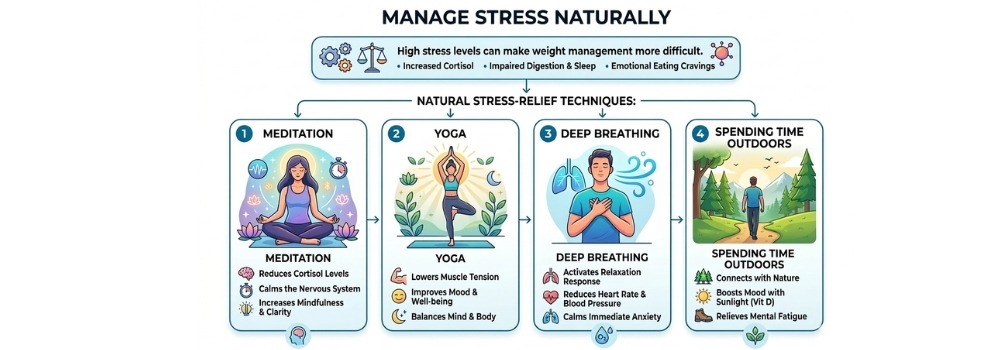
    9. Manage Stress to Reduce Pain Intensity

    When you are stressed or worried, your muscles naturally get tighter. This can make your period pain feel twice as bad. Taking a few deep breaths, listening to calm music, or just resting for a few minutes can lower your stress. When your mind is relaxed, your body follows, and the cramps won’t feel as intense.

    10. Use Massage to Relax Lower Abdominal Muscles

    Sometimes, a gentle touch is all you need to feel better. Rubbing your lower belly in soft, circular motions can help the blood flow better and loosen up tight muscles. This is a simple self-care tip for periods that you can do anywhere. It helps the “squeezing” feeling go away so you can relax.

    11. Practice Relaxation Techniques Like Deep Breathing

    When we are in pain, we often hold our breath, which makes our muscles even tighter. To help reduce period pain naturally, try taking slow, deep breaths into your belly. This tells your brain that everything is okay, and it helps your whole body let go of tension.

    12. Improve Sleep Positions for Pain Relief

    The way you lie down can change how much you hurt. Many girls find that sleeping in the “fetal position”, lying on your side and curling your knees toward your chest, helps a lot. This position takes the weight and pressure off your abdominal muscles, helping you get better sleep during your period.

    13. Try Natural Oils for Soothing Effect

    Using essential oils for menstrual cramps, such as lavender or clary sage, can be very helpful. You can smell them to feel calm or mix a drop with a little lotion and rub it on your skin. These oils help your body feel less stressed and provide a soothing, aromatic effect.

    14. Warm Baths to Relax Muscles and Improve Blood Flow

    A warm bath is like a giant heating pad for your entire body. The warm water helps every muscle relax at the same time and improves “pelvic blood flow,” which stops the throbbing feeling of cramps. It is a perfect way to practice period self-care after a busy day.

    15. Track Your Cycle to Prepare in Advance

    The best way to handle painful periods is to know when they are coming! Use a calendar or a simple app to track your dates. When you know your period is starting soon, you can start drinking more water and eating healthy foods early. Being prepared makes it much easier to manage your symptoms before they get a chance to start.

    Quick Relief Tips for Severe Period Pain (First 1–2 Days)

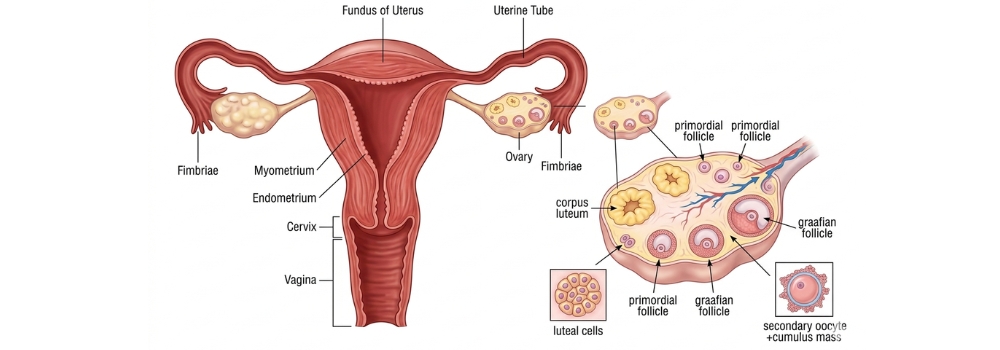
    The first one or two days of a period are usually the hardest. This is when the pain is at its peak. To understand why it hurts, think of your uterus (the place where a baby grows) as a small muscle.

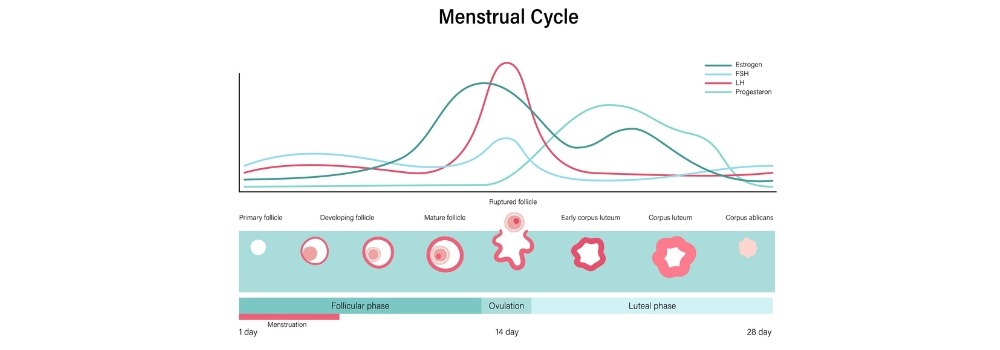
    Every month, this muscle tightens and relaxes to shed its lining. This tightening is called a contraction. Your body sends out natural chemicals called prostaglandins to help this happen. When you have too many of these chemicals, the contractions get stronger and cause more pain.

    It is also very common to feel lower back pain during these first two days. Because the muscles in your belly are working so hard, the nerves also send pain signals to your back. For quick relief during this time, focus on heat therapy and resting in positions that take the weight off your lower back.

    When Period Pain Is Not Normal 

    While some discomfort is expected, extremely sharp or “knock-out” pain is not something girls or women should just “tough out.” If the pain is so bad that medicine doesn’t help or it stops you from doing basic tasks, it might be a sign of something else.

    Parents should look out for these signs that the pain is not normal:

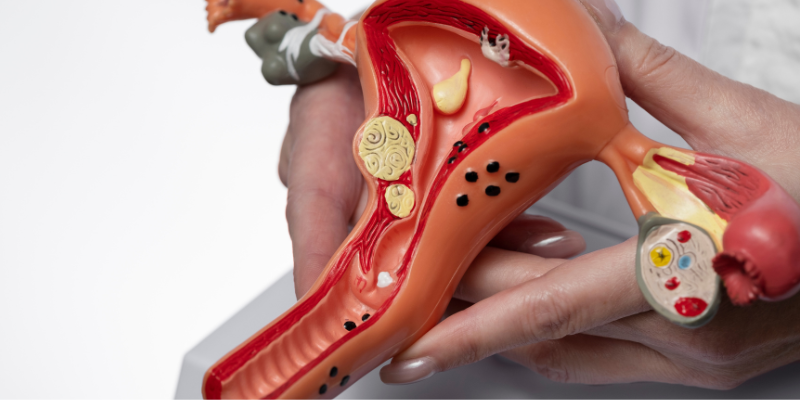
    • Endometriosis: This is a condition where tissue similar to the lining of the uterus grows outside of it. It can cause very intense pain that lasts longer than a few days.
    • PCOS (Polycystic Ovary Syndrome): This can cause irregular periods and painful cramping due to hormonal imbalances.
    • Severe Pain Signs: If a girl is fainting, vomiting from pain, or if the pain is getting worse every month, it is time to see a doctor.

    If the pain feels “scary” or different than usual, it is always better to get a check-up to make sure everything is okay.
    How Parents Can Support a Teen with Painful Periods

    Supporting a teenager through their cycle is about more than just giving them a heating pad. It is about making them feel safe and understood. Since the first 1–2 days are the most intense, your support during this window is vital.

    Practical and Emotional Support

    Type of SupportWhat to DoWhy it Helps
    PracticalCreate a “Period Kit”A small bag with pads, liners, and clean clothes in their school bag prevents panic.
    EmotionalValidate the PainAvoid saying “it’s just part of life.” Acknowledge that the pain is real, and it is okay to feel upset.
    PracticalTrack the CycleUse an app or a calendar together. If you know the “heavy days” are coming, you can plan for extra rest.
    EmotionalNormalize the TalkTalk about periods as a normal health topic, like a cold, so they don’t feel embarrassed to ask for help.
    PracticalStock the PantryKeep herbal teas, bananas, and dark chocolate ready, so they have natural relief within reach.

    When Should You See a Doctor for Period Pain?

    While most girls and women deal with some discomfort, pain that stops your life is a signal from your body that something is wrong. Knowing the difference between “normal” cramps and a medical issue is very important for your long-term health.

    Clear Warning Signs

    If you experience any of the following, please do not ignore them. Schedule a visit with a healthcare professional if:

    • Medicine Doesn’t Help: If over-the-counter pain relievers do not reduce the pain at all.
    • Missing Life Events: If you have to miss school, work, or social plans every single month because of the pain.
    • Heavy Bleeding: If you are changing your pad or tampon every hour or seeing very large blood clots.
    • Pain Outside Your Period: If you feel sharp pelvic pain even when you are not on your period.
    • Sudden Worsening: If your cramps were usually manageable but have suddenly become much more intense.

    Conditions That Need Professional Help

    Sometimes, painful menstrual cramps are a symptom of an underlying condition that natural remedies cannot fix alone:

    1. Endometriosis: This occurs when tissue similar to the uterine lining grows in other places, like the ovaries or fallopian tubes. It causes extreme pain and can lead to other health issues if not treated.
    2. PCOS (Polycystic Ovary Syndrome): A hormonal imbalance that causes irregular periods, heavy cramping, and sometimes unwanted hair growth or acne.
    3. Pelvic Inflammatory Disease (PID): An infection of the reproductive organs that causes severe pain and needs immediate medical attention.

    Building Trust with Your Doctor

    When you go to the doctor, bring a log of your symptoms from the last 3 months. Mentioning exactly when the pain starts and how long it lasts helps them give you the best care. Remember, you know your body best if something feels “off,” it is always worth a conversation with a professional.

    Who to Consult at Natural Treatment 

    When you are looking for professional guidance on natural ways to reduce period pain, visiting a specialized center like Natural Healing Haven can provide the personalized support you need. At a dedicated wellness space, you can consult with experts who understand how to balance the body’s hormones through nutrition, herbal supplements, and lifestyle adjustments tailored to your specific cycle. 

    These professionals focus on the root cause of painful menstrual cramps rather than just masking the symptoms, helping you build a long-term plan for menstrual health that feels sustainable and gentle. Whether you are a teen or an adult, getting expert advice from a trusted source ensures that your journey toward relief is both safe and effective.

    Conclusion

    Managing your period doesn’t have to mean pausing your life every single month. By using these natural ways to reduce period pain, like staying hydrated, using heat therapy, and choosing the right foods, you can take control of your comfort right from home. 

    Whether you are a teen or an adult, understanding the “why” behind your painful menstrual cramps is the first step toward feeling better. If the pain ever feels too intense to handle, remember that expert support is available at a Natural Healing Haven to help you find a long-term solution. With the right habits and a little bit of self-care, you can turn those difficult first two days into a much more manageable experience.

    FAQS

    How to stop period cramps immediately at home?

    The fastest way to stop period cramps at home is to apply a heating pad or a hot water bottle to your lower belly. The heat helps the tight muscles in your uterus relax right away. You can also try taking a warm bath or doing very light stretches to help the blood flow better and reduce the “squeezing” feeling.

    Why are cramps worse on the first day?

    Cramps feel more intense on the first day because your body is producing the highest amount of prostaglandins. These are the chemicals that tell your uterus to contract (squeeze) to start your period. Since the contractions are strongest at the beginning, you might also feel more lower back pain during the first 24 to 48 hours.

    What drink helps period pain fast?

    Warm drinks like ginger tea or peppermint tea are excellent for quick relief. Ginger acts as a natural anti-inflammatory to stop swelling, while peppermint helps relax the muscles in your stomach. Staying hydrated with plenty of plain water is also vital to reduce the bloating that makes cramps feel tighter.

    Are period cramps normal in teenagers?

    Yes, it is very common for teens to have painful menstrual cramps as their bodies get used to a new cycle. However, if the pain is so bad that a teen has to miss school every month or if they feel like fainting, it is important to talk to a doctor. Extremely high pain is not something anyone should have to “just live with.”

    Can heat really reduce cramps?

    Yes! Scientific studies show that heat works just as well as some over-the-counter medicines. When you apply heat to your abdomen, it increases blood circulation and acts as a natural painkiller by relaxing the uterine wall. This is one of the safest and most effective at-home menstrual cramp treatments available.

  • Pco Diagnosis Criteria Simple Guide

    Pco Diagnosis Criteria Simple Guide

    When it comes to your health, feeling “off” can be one of the most frustrating experiences, especially when you can’t quite put a finger on why. You might notice your menstrual cycles becoming unpredictable, stubborn breakouts that won’t clear up, or weight changes that don’t seem to align with your diet. 

    These signs often lead people to wonder: how is PCOS diagnosed, and is what I’m feeling part of a bigger pattern? Understanding the PCO diagnosis criteria is the first step in moving from confusion to a clear plan of action.

    Getting a formal polycystic ovarian syndrome diagnostic criteria check isn’t just about putting a label on your symptoms; it’s about regaining control. Many individuals spend months or even years questioning how to get diagnosed with PCOS, often feeling dismissed along the way. 

    By learning exactly how PCOS is diagnosed, you empower yourself to have more productive conversations with your doctor. This early awareness is a turning point, allowing you to prioritize targeted nutrition and lifestyle adjustments that help balance your hormones before symptoms escalate.

    Understanding Polycystic Ovaries

    At its core, PCO (Polycystic Ovaries) is a sign that your body’s hormonal communication is slightly out of sync. 

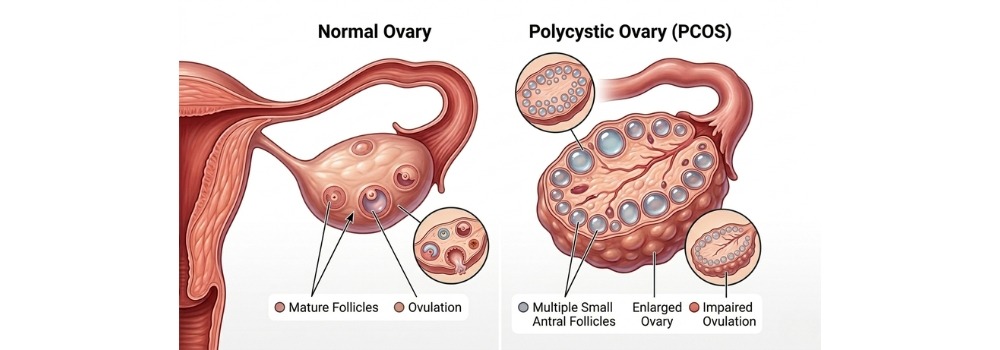
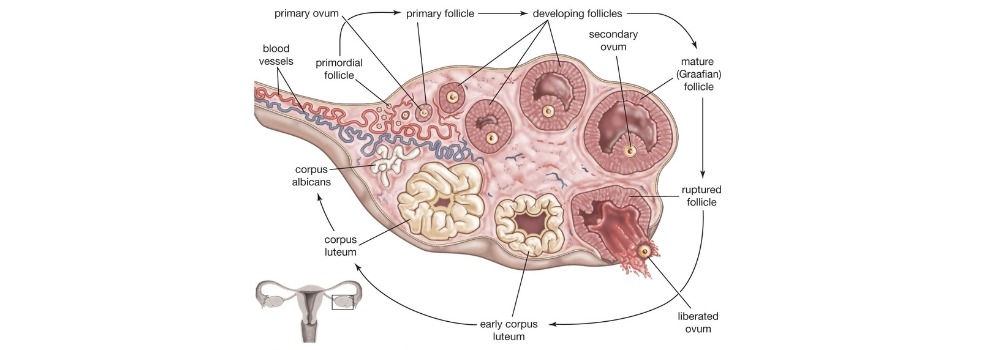
    Think of your ovaries as a delicate command center; when hormones like insulin or androgens (often called “male” hormones, though everyone has them) shift out of balance, the normal ovulation process can get interrupted. Instead of a single egg maturing and being released each month, the process stalls.

    This “stall” is exactly why those small, cyst-like follicles appear. These aren’t actually tumors or dangerous growths; they are simply tiny, fluid-filled sacs containing immature eggs that didn’t quite make it to the finish line. 

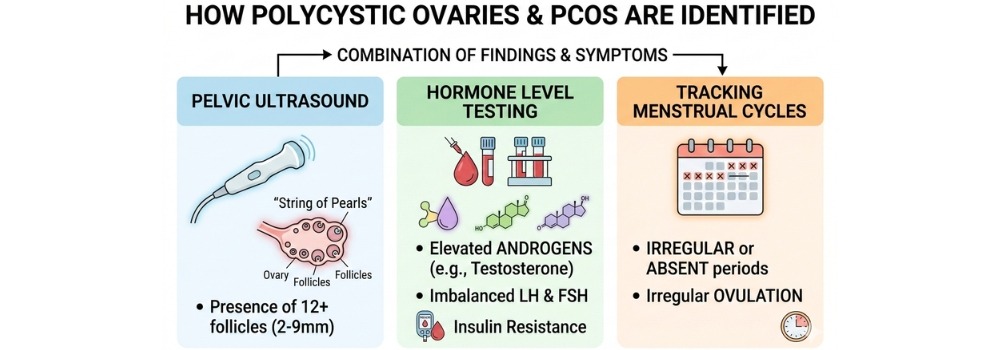
    When a doctor looks at an ultrasound and sees these follicles arranged like a “string of pearls,” it’s one of the key ways PCOS is diagnosed. This visual evidence helps explain why your cycles might be irregular. Your body is trying to ovulate, but the hormonal background noise is making it difficult to complete the task.

    At this point, you might be wondering how to know if you have polycystic ovaries. While an ultrasound can provide visual confirmation, it’s often recognized through a combination of signs such as irregular periods, symptoms of hormonal imbalance, and sometimes hormone-related tests. Because symptoms can vary so widely, understanding these signals is an important step toward choosing the right natural support for your body.

    How Common is PCO?

    If you feel overwhelmed by these symptoms, you are far from alone. Awareness is increasing worldwide as more people speak up about their experiences with hormonal health. 

    Current data suggests that a significant percentage of women and individuals assigned female at birth have polycystic ovaries, yet many go years without realizing it.

    The challenge is that PCOS symptoms and how to get a diagnosis aren’t always straightforward. Some people might only have skin concerns, while others struggle primarily with weight or missed periods. 

    Because the symptoms are so diverse, many live with the discomfort without ever connecting the dots to their ovarian health. Recognizing that these “random” issues are actually linked is the first step toward finding a solution that works for your unique body.

    Why Diagnosis Criteria Are Important

    Understanding the specific diagnostic criteria for polycystic ovarian syndrome is the key to moving from guesswork to a focused plan. Without clear standards, it’s easy to feel lost in a sea of symptoms that could mean anything. 

    Having a set of clinical benchmarks ensures that you aren’t just treating surface-level issues like skin breakouts or weight changes, but rather addressing the underlying hormonal root cause, which is essential if you want to effectively treat polycystic ovaries.

    Identifying the Condition Early

    Catching the signs early prevents years of wondering why your body isn’t “behaving.” When you know exactly how are pcos diagnosed, you can advocate for the right medical tests sooner rather than later. 

    Early detection is a powerful tool because it allows you to address symptoms before they become more deeply rooted, saving you from a long cycle of health uncertainty.

    A Roadmap for Hormonal Balance

    Once you have a confirmed PCO diagnosis criteria match, you can stop experimenting with generic health trends that may not suit your body. 

    Instead, you can start supporting your hormonal balance through targeted nutrition, stress management, and lifestyle shifts that actually work for your specific profile. This clarity turns a vague health concern into an actionable plan for feeling better every day.

    Clearing the Confusion with Other Conditions

    Many other conditions, like thyroid issues or adrenal fatigue, can mimic these symptoms. A structured diagnosis ensures you aren’t mismanaging your health by treating the wrong condition. 

    By following the established diagnostic criteria for polycystic ovarian syndrome, you get the “why” behind your symptoms, providing the peace of mind that comes with a clear, medically backed answer.

    Common Signs Considered in PCO Diagnosis Criteria

    When you start noticing that your body isn’t following its usual rhythm, it can feel like a puzzle with missing pieces. To help you connect the dots, I have broken down the primary physical and internal markers below. 

    These signs are the most frequent indicators used within the PCO diagnosis criteria to help healthcare providers determine if a hormonal imbalance is at play.

    Irregular Menstrual Cycles

    One of the most frequent indicators of a hormonal shift is a change in your period. This often shows up as infrequent periods, where the gap between cycles becomes much longer than the typical 28 to 35 days. 

    You might experience missed cycles entirely or find yourself dealing with unpredictable menstrual patterns that make it nearly impossible to track your body’s natural cycle. These disruptions are often a primary reason why people start searching for PCOS symptoms how to get diagnosis.

    Hormonal Imbalance Indicators

    When internal hormones like androgens are elevated, the signs often show up externally. This can manifest as persistent acne or suddenly oily skin that doesn’t respond to standard skincare. 

    Many also notice excess hair growth on the face or body (known as hirsutism) or, conversely, hair thinning on the scalp. These physical changes are key markers used within the diagnostic criteria for polycystic ovarian syndrome to identify underlying imbalances.

    Changes in Ovulation

    Because PCO affects how eggs mature, it naturally leads to irregular ovulation patterns. For many, this isn’t just about the period itself, but the difficulty in predicting fertile windows. 

    If you are tracking your temperature or using ovulation strips and finding the results inconsistent, it may be a sign of how pco diagnosis criteria are met through ovulatory dysfunction.

    Appearance of Polycystic Ovaries

    During a reproductive health evaluation, a pelvic ultrasound might reveal that the ovaries contain multiple small follicles. These are the “cysts” the condition is named after, though they are actually small, undeveloped egg sacs. 

    These follicles are often identified during routine check-ups and serve as a visual confirmation of how PCOS is diagnosed when combined with other symptoms.

     Lifestyle and Physical Factors Often Observed

    While the clinical PCO diagnosis criteria focus on medical markers, your daily experience often involves more than just laboratory results. Many people find that their physical energy and body composition change in ways that feel outside of their control. 

    These factors are often the “missing pieces” that prompt individuals to ask how to get diagnosed with PCOS, as they seek to understand why their habits are no longer yielding the same results.

    Weight Gain or Difficulty Managing Weight

    One of the most common frustrations is noticing a shift in weight that doesn’t seem to match your activity level or diet. Because of the way hormones like insulin interact with your metabolism, your body may hold onto weight more easily, particularly around the midsection. 

    This isn’t a lack of willpower; it is a metabolic response to hormonal shifts that are frequently seen in those meeting the diagnostic criteria for polycystic ovarian syndrome, which is why many people find it challenging to lose weight with PCOS and often begin exploring PCOS treatment for weight gain as part of a more supportive approach.

    Increased Cravings

    Have you ever felt an intense, almost uncontrollable urge for sugary or carb-heavy foods? This is often linked to the internal blood sugar fluctuations that accompany PCO. 

    When your hormones are out of balance, your cells may not be getting the energy they need efficiently, leading your brain to signal for quick-energy snacks. Understanding this connection is a vital part of recognizing PCOS symptoms how to get diagnosis, as it shifts the focus from “dieting” to “hormonal support.”

    Low Energy Levels

    Feeling “tired but wired” or experiencing a mid-afternoon crash is a common physical factor. These low energy levels can make it difficult to stay active or focused throughout the day. 

    By recognizing that fatigue is a physical symptom rather than just “being tired,” you can better explain your experience when discussing how is pcos diagnosed with a healthcare professional.

    Understanding Hormone Patterns

    When we talk about the PCO diagnosis criteria, what we are really looking at is a “hormonal orchestra” where a few instruments are playing out of tune. 

    These internal signals dictate how you feel, how much energy you have, and how your body processes food. Understanding these patterns is the first step in learning how to get diagnosed with PCOS effectively.

    Imbalance in Reproductive Hormones

    Think of your reproductive hormones as a carefully timed relay race. In a typical cycle, Estrogen and Progesterone take turns leading the way. However, with PCO, this hand-off doesn’t always happen smoothly. 

    This imbalance is often why cycles become irregular or stop altogether. When these hormones aren’t in sync, it’s a major indicator used in the diagnostic criteria for polycystic ovarian syndrome.

    Changes in Insulin Sensitivity

    Insulin is the hormone responsible for turning the food you eat into energy. Many people with PCO experience “insulin resistance,” which means the body’s cells don’t respond to insulin as they should. 

    Instead of being used for fuel, extra sugar stays in your bloodstream, signaling the body to store fat and produce more androgens. This is a key reason why how are pcos diagnosed often involves looking at metabolic health, not just reproductive health.

    Fluctuations in Androgen Levels

    While everyone has androgens (like testosterone), having slightly higher levels can trigger many of the visible symptoms we’ve discussed. These fluctuations can lead to skin breakouts or changes in hair growth. 

    Because these levels can vary, doctors often use blood tests to measure them as part of the formal PCO diagnosis criteria. Recognizing these internal shifts helps you move from “why is this happening?” to a clear understanding of your hormonal health.

    Tracking Symptoms and Cycles

    Before you even step into a doctor’s office, the most powerful tool you have is your own data. Because PCO diagnosis criteria often rely on patterns over time rather than a single moment in time, keeping a record of your body’s signals can bridge the gap between “feeling off” and getting a clear answer.

    Menstrual Cycle Tracking

    Start by noting the first and last day of your period. Is the gap between cycles consistently longer than 35 days? Do you experience spotting in between?

    Tracking these dates is the most direct way to show a healthcare provider how are pcos diagnosed through ovulatory cycles. Even if your period is nonexistent, recording the “missed” months is vital evidence for your medical history.

    Monitoring Physical Symptoms

    Don’t ignore the small things. Use a dedicated app or a simple notebook to track skin flare-ups, changes in hair growth, or periods of intense bloating. 

    When you can show a doctor that your acne peaks at a certain point in the month, or that you’ve noticed thinning hair over the last six months, it helps them align your experience with the diagnostic criteria for polycystic ovarian syndrome.

    Lifestyle and Nutrition Journals

    Your body’s relationship with food and energy provides massive clues. Keep a simple log of when you feel the most fatigued or when intense cravings hit. 

    Do you feel a “crash” after high-carb meals? Noting these moments helps identify changes in insulin sensitivity, which is a key factor in how PCOS is diagnosed. 

    This journal isn’t about restriction; it’s about identifying which lifestyle adjustments make you feel your best and which ones trigger symptoms.

    Natural Lifestyle Steps After Recognizing PCO Signs

    Once you understand the PCO diagnosis criteria and identify that your symptoms align with this hormonal pattern, the next step is empowerment. While a clinical diagnosis provides the “what,” your daily habits provide the “how” for feeling better. 

    Transitioning from wondering how are pcos diagnosed to taking action allows you to support your body’s natural rhythms through simple, sustainable shifts.

    Balanced Nutrition

    Think of food as information for your hormones. Instead of restrictive dieting, focus on a “plate balance” that manages insulin levels. Pairing fiber-rich carbohydrates with healthy proteins and fats helps prevent the blood sugar spikes that often trigger androgen production. 

    Many people finding their way through the diagnostic criteria for polycystic ovarian syndrome find that following a consistent and nourishing polycystic ovaries diet plan can help reduce cravings and stabilize energy throughout the day.

    Regular Physical Activity

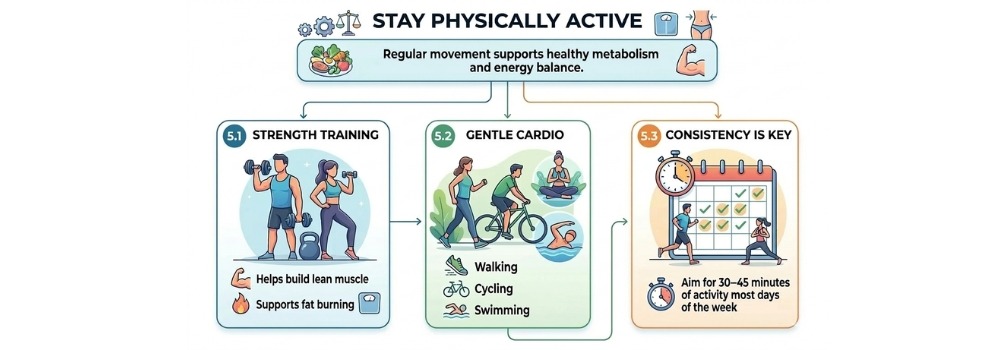
    Movement is one of the most effective ways to improve insulin sensitivity. You don’t need to spend hours at the gym; even a 20-minute brisk walk after a meal can help your muscles use glucose more efficiently. 

    Whether it’s strength training, yoga, or a simple stroll, finding an activity you enjoy makes it easier to manage the metabolic factors often seen in a PCO diagnosis criteria profile.

    Stress Management

    Your ovaries and your adrenal glands (your stress centers) are constantly talking to each other. High levels of the stress hormone cortisol can worsen hormonal imbalances and lead to more pronounced PCOS symptoms and how to get diagnosis concerns. 

    Incorporating five minutes of deep breathing, meditation, or even a quiet hobby can signal to your body that it is safe, helping to lower inflammation and balance your cycles.

    Healthy Sleep Routines

    Sleep is when your body does its most important hormonal “housekeeping.” Lack of rest can disrupt the hormones that control hunger and fullness, making weight management and cravings much harder to handle. 

    Aiming for a consistent sleep schedule helps regulate the circadian rhythm, which is closely linked to reproductive health. Prioritizing rest is a foundational step for anyone looking at how to get diagnosed with PCOS and wanting to support their recovery naturally.

    Importance of Awareness and Early Understanding

    Coming to terms with your symptoms isn’t about finding something “wrong” with you; it’s about gaining the awareness needed to live your best life.

    When you understand the PCO diagnosis criteria early on, you move from being a frustrated bystander to an active participant in your own health. This shift in perspective is often the most important part of the journey.

    Informed Lifestyle Choices

    Recognizing the signs early allows you to make informed lifestyle choices that actually align with your biology. Instead of following the latest “health craze,” you can pivot toward strategies that specifically target insulin sensitivity and hormonal balance. 

    Knowing how to get diagnosed with PCOS gives you the clinical backing to choose the right nutrition and movement patterns, ensuring you aren’t wasting energy on methods that don’t support your specific needs.

    Proactive Health and Wellness Habits

    Early awareness encourages proactive health and wellness habits that can prevent symptoms from escalating. When you are familiar with the diagnostic criteria for polycystic ovarian syndrome, you can catch small changes in your skin, energy, or cycle before they become overwhelming. 

    This proactive approach doesn’t just manage a condition; it builds a foundation for long-term vitality. By understanding how PCOS is diagnosed, you gain the confidence to listen to your body and provide it with the care it truly deserves.

    Who to Consult for PCO Diagnosis

    Finding the right medical expert ensures every symptom is properly accounted for. Typically, a Gynecologist or an Endocrinologist is the primary specialist who evaluates the PCO diagnosis criteria through physical exams, blood work, and ultrasounds.

    If you are looking for a more holistic approach that blends clinical standards with functional wellness, consulting experts like those at Natural Healing Haven can provide a deeper level of support. 

    Their focus on ovarian syndrome treatment through root-cause analysis helps bridge the gap between a medical diagnosis and a sustainable, natural recovery plan, ensuring you have a dedicated team to guide you through every stage of your hormonal health.

     Conclusion

    Identifying the PCO diagnosis criteria is really about looking at the big picture of your health rather than focusing on a single symptom. By paying attention to patterns in your menstrual cycles, tracking hormone-related changes like skin or hair shifts, and confirming the presence of small follicles through an ultrasound, you gain a clear map of what your body is trying to tell you. 

    This structured approach is exactly how PCOS is diagnosed, moving you away from the frustration of “random” symptoms and toward a defined medical understanding.

    Once you recognize these indicators, you are in a much stronger position to support your overall well-being. Using this knowledge allows you to adopt natural lifestyle practices like balanced nutrition and stress management that specifically target the root cause of your hormonal shifts. 

    Understanding how to get diagnosed with PCOS isn’t just a medical step; it is the beginning of a more proactive and energized version of yourself, where you have the tools to keep your hormones in harmony.

    FAQS

    What are the main criteria for diagnosing Polycystic Ovary Syndrome?

    Doctors typically use the Rotterdam Criteria, which requires meeting two of three markers: irregular or absent periods, clinical signs of high androgens (like acne or excess hair), and the appearance of multiple small follicles on an ovarian ultrasound. Recognizing these PCO diagnosis criteria is the first step toward effective management.

    Can irregular periods indicate Polycystic Ovary Syndrome?

    Yes. Irregular, infrequent, or missed cycles are primary indicators that ovulation is not occurring consistently. When cycles fall outside the typical 28–35 day range, it is often a key sign used in how PCOS is diagnosed to identify hormonal imbalances.

    Do hormone tests confirm Polycystic Ovary Syndrome?

    Hormone tests are essential but usually work alongside other findings. Blood work identifies fluctuations in androgens, insulin, and LH/FSH ratios. These results help confirm the diagnostic criteria for polycystic ovarian syndrome by providing a clear picture of your internal chemical balance.

    What conditions are ruled out before diagnosing Polycystic Ovary Syndrome?

    Because symptoms like weight gain and irregular cycles can mimic other issues, doctors must rule out thyroid dysfunction, high prolactin, and adrenal concerns. This ensures your ovarian syndrome treatment is based on an accurate PCO diagnosis criteria assessment rather than a related hormonal issue.

  • Islamic Cupping Therapy: Sunnah Benefits, Points, and Healing

    Islamic Cupping Therapy: Sunnah Benefits, Points, and Healing

    Are you struggling with persistent fatigue, unexplained aches, or a heavy feeling that rest just won’t fix? Many in Canada find that modern medicine alone doesn’t always address the root of metabolic sluggishness or spiritual exhaustion. Islamic cupping therapy, known as Hijama (Islamic wet cupping), offers a solution through Tib-e-Nabawi (Prophetic Medicine). 

    By targeting specific wet cupping points, this practice draws out stagnant blood and toxins, providing a much-needed reset for Muslims seeking cupping therapy to restore their natural vitality and health.

    A common point of confusion for many is: Is Hijama different from cupping? While both use suction, cupping in Islam focuses on the “wet” method, which involves minor surface scratches to physically remove impurities. 

    Performed with a clear Niyyah (intention) for healing, Hijama is a spiritual and physical purification process. It goes beyond simple muscle relief, aiming to balance the body’s internal systems and provide lasting “Shifa” through a practice that is as much about the soul as it is about the skin.

    The Religious Significance: Cupping in Islam

    For believers, the practice of Hijama is not just a physical remedy but a profound act of devotion. Rooted in the traditions of the Prophet Muhammad (PBUH), cupping in Islam is regarded as one of the most effective ways to maintain a healthy body and a clear mind.

    By incorporating this therapy into your lifestyle, you are engaging in a healing method that has been divinely recommended and historically proven to provide relief to those suffering from various ailments.

    Cupping Benefits Islam: Wisdom from the Hadith

    The benefits of cupping offered by Islam are frequently highlighted in authentic narrations (Hadith). The Prophet (PBUH) once said, “Healing is in three things: a draught of honey, the incision of a cupper, and cauterization with fire, but I forbid my followers to use cauterization.” 

    This direct endorsement establishes Hijama as a premier form of treatment. Furthermore, it is narrated that during the Night Journey (Isra’ wal-Mi’raj), the angels told the Prophet (PBUH), “O Muhammad! Order your Ummah to practice cupping.” 

    These references emphasize that Islamic hijama is a holistic mercy, designed to restore the body’s natural state of balance and health.

    The Best Times for Cupping Muslim Practices (Sunnah Days)

    To maximize the Islamic cupping benefits, practitioners often follow the lunar calendar. It is traditionally recommended that a Muslim schedule their appointments on the “Sunnah Days,” specifically the 17th, 19th, and 21st of the Islamic lunar month. 

    It is believed that during these days, the body’s fluids are at their peak, making the extraction of toxins more efficient. While Hijama can be performed at any time for urgent medical needs, following this specific timing is a beautiful way to align your healing journey with the Prophetic tradition.

    The benefit of cupping therapy is most profound when combined with this mindful timing and a sincere intention for recovery.

    Mapping the Sunnah Points: Al-Kahil and Al-Akhda’ain

    The most vital wet cupping points are those frequently used by the Prophet (PBUH). The primary point is known as Al-Kahil, located at the base of the neck, specifically on the seventh cervical vertebra (C7). 

    This point is considered a crossroads for the nervous system and is often used for cupping therapy on the neck to relieve tension and improve systemic health.

    Additionally, the Al-Akhda’ain refers to two points located on the sides of the neck, just behind the ears. These points are essential for those seeking cupping for migraine relief or relief from tension headaches. 

    Targeting these specific areas helps clear the pathways to the head and upper body, ensuring that the “Sunnah points” provide maximum therapeutic impact.

    Wet Cupping Points for Detoxification and Circulation

    In Islamic hijama, the placement of cups is strategically designed to address blood stagnation. When toxins accumulate, blood flow becomes sluggish, leading to inflammation and lethargy. 

    By applying suction to designated areas across the shoulders and mid-back, practitioners can stimulate the lymphatic system and draw “heavy” blood to the surface.

    This process is particularly effective for those dealing with musculoskeletal issues. For instance, focusing on the lumbar region provides targeted back pain cupping therapy, while placing cups lower on the body can provide the specific cupping therapy on the thighs, which is required for leg fatigue and improved lower-body circulation. 

    This deliberate placement ensures that every session acts as a physical “reset” for the circulatory system.

    Islamic Cupping Benefits for Health and Spirit

    The beauty of Islamic cupping therapy lies in its dual-action approach. It does not separate the physical body from the spiritual heart, acknowledging that when one suffers, the other is inevitably affected. 

    By seeking this treatment, you are following a path that restores equilibrium to your entire being, making it a cornerstone of a healthy lifestyle for Muslims who practice Hijama.

    Physical Relief: Treating Migraines, Pain, and Toxicity

    The physical cupping benefits Islam promotes are vast and scientifically fascinating. When the suction is applied, it draws deep-seated toxins and inflammatory markers out of the muscle tissue and into the superficial skin layers for removal. This process is a powerful remedy for those suffering from chronic conditions.

    Many individuals find that regular sessions provide significant relief from debilitating migraines and tension-related discomfort. By clearing blood stasis and improving oxygen flow, Hijama acts as a natural analgesic. 

    Furthermore, for those looking for professional care, seeking Cupping services. ensures that the procedure is done safely, helping to flush the lymphatic system and revitalize the body’s internal defenses against everyday toxicity. 

    This method is often valued for its holistic approach, as it addresses underlying inflammation rather than symptoms alone, and it offers a more comprehensive approach to cupping therapy by addressing the root cause of inflammation.

    Spiritual Wellness: Hijama as an Act of Ibadah (Worship)

    Beyond the tangible physical results, cupping in Islam is a profound spiritual exercise. When a believer undergoes Hijama with the correct Niyyah (intention) to follow the Prophet’s (PBUH) guidance, the medical procedure is elevated to an act of Ibadah (worship). 

    It is a physical manifestation of trust in the “Tib-e-Nabawi” and a way to maintain the body, which is considered an Amanah (trust) from the Creator.

    This spiritual connection often brings a sense of “Sakina” (tranquility) and mental clarity that goes beyond simple relaxation, providing a holistic hijama benefit for the soul. 

    By purifying the blood, practitioners believe the heart becomes more receptive to spiritual growth, making Islamic hijama a truly holistic experience. It serves as a reminder that seeking a cure is a virtuous pursuit, aligning one’s health journey with the divine wisdom of the Sunnah.

    Safety, Frequency, and Guidelines

    Ensuring a safe and effective experience with Islamic cupping therapy requires a balance between traditional wisdom and modern sanitary standards. Whether you are seeking relief from a specific ailment or simply following the Sunnah for general well-being, understanding the practicalities of the procedure helps you gain the maximum Islamic cupping benefits without unnecessary risk.

    How Often Should You Do Cupping Hijama Therapy?

    A common question for those new to the practice is: how often should you do cupping hijama therapy? The answer depends on your primary goal. For preventative health and maintaining the Sunnah, many practitioners recommend a session once every quarter, aligning with the recommended lunar days. This consistent routine helps manage systemic toxicity before it manifests as physical illness.

    However, if you are using Islamic hijama to treat a chronic condition, such as metabolic issues or muscle tension, more frequent sessions might be necessary. 

    For example, those focusing on endocrine health might find that cupping therapy for thyroid support requires a more intensive initial schedule, such as once a month for three months, before moving to a maintenance phase. Always listen to your body’s recovery cues and consult with a certified therapist.

    Hygiene and Safety in Modern Islamic Cupping Centers

    In Canada and globally, the safety of cupping in Islam is governed by strict clinical standards. Because Hijama involves small incisions on wet cupping points, hygiene is the top priority. A professional center will always use single-use, sterilized equipment to prevent cross-contamination.

    Before your session, ensure the practitioner explains the process and assesses your medical history. High-quality care ensures that the skin is properly prepared and treated post-procedure to encourage swift healing. 

    From specialized treatments like facial cupping therapy to deep-tissue work, the environment must be clinical, clean, and respectful of the spiritual nature of the practice.

    Recovery and Results: What to Expect

    After a session of Islamic cupping therapy, the body enters a crucial phase of renewal. While the immediate removal of toxins provides a sense of relief, the way you treat your body in the following 24 to 48 hours determines the longevity of the Islamic cupping benefits. 

    Most practitioners note that the “lightness” felt after Hijama is the result of improved blood flow and a decrease in the body’s inflammatory load.

    Post-Hijama Care: Diet and Rest Recommendations

    To support the detoxification process, a Muslim undergoing Hijama should prioritize hydration and gentle nutrition. It is traditionally recommended to avoid heavy dairy or red meat for at least 24 hours post-session, as the body should focus its energy on healing rather than complex digestion. Instead, opt for light meals, dates, and plenty of water to help flush out the released impurities.

    Rest is equally vital. Avoid strenuous exercise or heavy lifting immediately after your treatment. If you have targeted specific areas, such as using cupping therapy on arms for strain relief, give those muscles time to recover without added stress. Proper rest ensures that the inflammatory response triggered by the cups remains focused on repairing tissues and boosting your immune system.

    Healing Marks and Physical Lightness After Sessions

    It is perfectly normal to see circular marks on the skin where the cups were placed. These are not bruises in the traditional sense; they are the result of blood being drawn to the surface.

    In Islamic hijama, these marks usually fade within 3 to 7 days, depending on your body’s healing rate and the level of stagnation removed.

    Many people report an immediate feeling of mental clarity and physical “weightlessness” once the session is over. 

    For those who have suffered from localized discomfort, such as upper back tension, using cupping therapy on neck points often results in a significant increase in range of motion and a reduction in pressure. 

    This physical lightness is a sign that the blood circulation has been restored, leaving you refreshed and spiritually uplifted.

    Conclusion

    Islamic cupping therapy is more than just an ancient medical treatment; it is a holistic bridge between physical health and spiritual devotion. By understanding what hijama and its roots in Tib-e-Nabawi are, we can appreciate it as a divine gift designed to purify our systems and restore balance. 

    From targeting specific wet cupping points for detoxification to seeking the spiritual rewards of a Sunnah practice, Hijama offers a path to wellness that modern medicine is only beginning to fully understand.

    Whether you are seeking relief from chronic tension or simply want to revive your energy levels, following the Prophetic tradition provides a sense of peace and physical renewal. 

    This practice remains a good choice for those who prefer a natural, dry cupping vs wet cupping comparison to understand why the extraction of impurities is so vital for long-term health. 

    By choosing the right timing, maintaining proper hygiene, and setting a sincere intention, you can experience the profound “Shifa” that has benefited millions for centuries.

    Take the next step in your healing journey by aligning your health routine with the wisdom of the Sunnah. Your body is an Amanah, treat it with the care and tradition it deserves.

    FAQs

    Are there specific prayers (Duas) recommended before or after Hijama?

    There is no specific dua prescribed exclusively for Hijama. However, it is recommended to begin with Bismillah and make general supplications for healing and well-being. Many people also send blessings upon the Prophet ﷺ, as Hijama is a Sunnah practice.

    Does having Hijama break your fast during Ramadan?

    Scholars have differing opinions on whether Hijama breaks the fast. According to many contemporary scholars, Hijama does not invalidate the fast unless it causes extreme weakness. However, some schools of thought recommend avoiding it while fasting. To be safe, Hijama is often advised after iftar or before suhoor.

    Is Islamic cupping (Hijama) therapy painful?

    Hijama is generally not painful. Most people experience mild pressure or slight discomfort during the suction and small incisions. The sensation is brief and well-tolerated, and many individuals report feeling relaxed and relieved after the session.

    Can women undergo Hijama during menstruation?

    Yes, women can undergo Hijama during menstruation. However, it is usually recommended to avoid wet cupping at this time due to blood loss. Dry cupping is considered a safer option, and it’s best to consult a qualified Hijama practitioner for personalized advice.

    What is the difference between wet cupping (Hijama) and blood donation?

    Wet cupping removes stagnant or impure blood from specific points to promote healing, while blood donation involves removing healthy blood for transfusion purposes. Hijama is a therapeutic practice rooted in Sunnah, whereas blood donation is a medical and humanitarian procedure.

  • Polycystic Ovaries Diet Plan​ Guide

    Polycystic Ovaries Diet Plan​ Guide

    Have you ever felt like your body is speaking a language you just can’t understand? For many women, dealing with polycystic ovaries feels like a constant uphill battle against fatigue, stubborn weight gain, and unpredictable cycles. It’s frustrating to feel like you’re doing everything “right” while your hormones do their own thing. 

    However, the secret to regaining control isn’t found in a restrictive fad; it’s hidden in your kitchen. A healthy diet for polycystic ovary syndrome isn’t just about cutting calories; it’s about using nutrition as a powerful tool to stabilize your insulin levels and bring your body back into a state of harmony.

    But where do you even begin when the internet is full of conflicting advice? The truth is, a balanced and sustainable diet plan is the cornerstone of managing your symptoms and boosting your metabolism. 

    By choosing the best diet for PCOS, you aren’t just eating to “fix” a problem; you’re fueling your body to support consistent energy levels and long-term wellness. Think of your meals as a natural polycystic ovaries treatment diet, a way to nourish your system so you can finally feel like yourself again. 

    Ready to see how a simple diet plan for polycystic ovaries can change your health?

    Why Your Grocery List is Your Best Prescription

    Why does it feel like one sugary snack sends your system into a tailspin? If you’re living with polycystic ovarian disease, your body processes nutrients differently from others. It’s not about lack of willpower; it’s about biology. 

    When you follow a dedicated polycystic ovaries diet, you aren’t just “eating healthy”; you’re actively signaling your endocrine system to calm down. Nutrition is the most direct lever you can pull to influence your hormonal health, turning food into a form of internal communication that tells your hormones to stay in sync.

    Hormonal Balance and Nutrition

    Your hormones are like a delicate orchestra, and the food you eat is the conductor. Poor nutrition can cause “noise,” leading to spikes in androgen levels that trigger breakouts and hair thinning.

    By adopting a good PCOS diet rich in anti-inflammatory fats and high-fiber greens, you help lower the chronic inflammation often linked to polycystic ovaries. This shift helps your body regulate ovulation and improves the overall communication between your brain and your ovaries.

    Taming the Blood Sugar Rollercoaster

    Do you struggle with intense “hangry” episodes or a mid-afternoon energy crash? That is often a sign of insulin resistance, a common culprit behind PCO symptoms. A strategic PCOS diet plan focuses on low-glycemic foods that prevent those sharp glucose spikes. 

    When your blood sugar stays stable, your insulin levels drop, which in turn reduces sugar cravings and keeps your energy levels steady throughout the day. It’s the difference between feeling wired-and-tired and feeling truly fueled.

    Sustainable Weight Management Support

    We’ve all heard the frustrating advice to “just lose weight,” but with hormonal imbalances, it’s never that simple. This is where a specialized PCOS diet plan to lose weight becomes essential. 

    Instead of extreme restriction, which can actually stress your hormones further, a polycystic diet plan focuses on metabolic health. By eating in a way that supports your metabolism rather than fighting it, you make healthy weight maintenance a natural byproduct of your lifestyle rather than a daily struggle.

    If you’re trying to lose weight with PCOS, the key is consistency, balanced nutrition, and understanding how your body responds to different foods not following unsustainable crash diets.

    The Core Pillars of Success

    If you’ve ever felt overwhelmed by complicated food rules, here is some good news: the most effective polycystic ovaries diet plan isn’t about perfection; it’s about patterns. Instead of looking for a “magic” superfood, the goal is to create a plate that talks to your hormones in a language they understand. By following a few simple guidelines, you can transform your daily meals into a natural polycystic ovaries treatment diet that works around the clock to keep you feeling steady and strong.

    The Power of Whole, Unprocessed Foods

    Why does “real food” matter so much when dealing with polycystic ovarian disease? Heavily processed snacks often contain hidden sugars and additives that can flare up inflammation. 

    By centering your polycystic diet plan on whole foods like fresh vegetables, lean proteins, and raw nuts, you’re giving your body the clean fuel it needs without the hormonal “noise” of artificial ingredients. Think of it as clearing the path so your metabolism can run smoothly.

    The “Golden Trio”: Protein, Fats, and Carbs

    Have you ever eaten a large bowl of pasta and felt exhausted an hour later? That’s because your hormones thrive on balance, not spikes. A good PCOS diet focuses on pairing every carbohydrate with a protein and a healthy fat. For example, instead of just an apple, try an apple with almond butter. 

    This simple “buffer” slows down how quickly sugar enters your bloodstream, which is a key strategy in any PCOS diet plan to lose weight. It’s the secret to staying full and focused all morning.

    Why Fiber is Your Best Friend

    Fiber is often the unsung hero of a healthy diet for polycystic ovary syndrome. Not only does it keep your digestion moving, but it also helps your body “sweep out” excess hormones and stabilizes your blood sugar. 

    Loading up on fiber-rich lentils, beans, and leafy greens is a foundational part of any diet chart for PCOD. It’s one of the easiest ways to reduce that persistent bloating and keep your insulin levels in a healthy range.

    The Importance of Regular Meal Times

    Did you know that skipping meals can actually stress your adrenals and worsen hormonal imbalances? Maintaining regular meal times is a crucial part of a PCOS diet plan. When you eat at consistent intervals, you prevent the “emergency” hunger that leads to overeating later in the day. 

    Whether you are following a specific 7-day PCOS diet plan or just building your own routine, keeping a steady rhythm helps your body feel safe enough to balance its own hormones.

    Your Grocery List for Hormonal Harmony

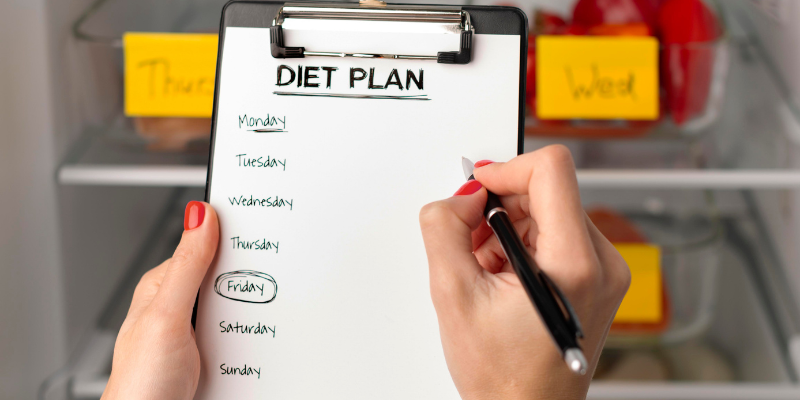
    Putting all these principles into practice doesn’t have to be a guessing game. A structured PCOS diet plan helps remove the “decision fatigue” that often leads to reaching for processed snacks. This 7-day PCOS diet plan is designed to keep your blood sugar stable, your energy high, and your taste buds satisfied.

    Think of this as a flexible diet chart for PCOD. You can swap proteins or veggies based on what you have in your fridge, as long as you keep the balance of fiber, fat, and protein intact.

    The 7-Day PCOS Diet Chart

    DayBreakfastLunchDinner
    MonGreek yogurt with chia seeds & berriesQuinoa salad with chickpeas & spinachBaked salmon with roasted broccoli
    TueScrambled eggs with sautéed kaleGrilled chicken wrap (whole grain) with avocadoLentil stew with a side of brown rice
    WedOvernight oats with flaxseeds & walnutsTuna salad with olive oil & mixed greensStir-fried tofu with bell peppers & snap peas
    ThuAvocado toast on whole-grain bread with an eggLentil soup with a side of cucumber saladGrilled chicken breast with sweet potato
    FriChia seed pudding with almond butterTurkey or chickpea salad over baby spinachBaked cod or white fish with asparagus
    SatOmelet with mushrooms, onions, and tomatoesZucchini noodles with pesto & grilled shrimpBeef or lentil burgers (no bun) with salad
    SunSmoothie with spinach, protein powder & berriesQuinoa bowl with roasted veggies & tahiniRoast chicken with cauliflower mash

    By following a healthy diet for polycystic ovary syndrome consistently, you are giving your body the best chance to heal from the inside out. This polycystic diet plan isn’t a short-term fix; it’s a sustainable way of living that honors your hormones.

    The “Red Flags”: What to Limit for Better Balance

    While a polycystic ovaries diet plan is mostly about what you add to your plate, it’s just as important to recognize the foods that might be working against you.

    Think of these as “high-noise” foods; they create a chaotic environment for your hormones, making it much harder for your body to find its natural cycle. By minimizing these, you effectively clear the way for your healthy diet for polycystic ovary syndrome to actually do its job.

    Foods to Keep Off Your Daily Menu

    If you’re looking to manage polycystic ovarian disease, try to reduce your intake of the following:

    • Refined Carbohydrates: White bread, pasta, and sugary cereals lack fiber, causing your blood sugar to skyrocket.
    • Sugary Drinks: Sodas, sweetened coffees, and even some fruit juices are “liquid sugar” that trigger immediate insulin spikes.
    • Processed Snacks: Packaged chips and crackers often contain trans fats and hidden sodium that fuel inflammation.
    • Excess Fried Foods: Foods high in saturated and trans fats can worsen the internal inflammation often linked to polycystic ovaries.

    Why These Foods Trigger “The Crash”

    Have you ever noticed that the more sugar you eat, the more you want? There is a biological reason for that. When you consume refined carbs or sugary snacks, your blood sugar spikes aggressively. In response, your body pumps out a massive amount of insulin to bring it back down.

    This “crash” is exactly when the intense cravings and “brain fog” kick in. Because your blood sugar has dipped too low, your brain sends out an emergency signal for more sugar to get back up, creating a vicious cycle of energy highs and lows. 

    By avoiding these triggers in your PCOS diet plan, you keep your energy levels steady and your cravings under control.

    Breaking the Cycle

    The goal of a polycystic diet plan isn’t to be “perfect” or to never enjoy a treat again. It’s about ensuring these foods don’t become the foundation of your day.

    When you swap a sugary soda for green tea or white toast for a whole-grain version, you are actively choosing to protect your hormones from that “rollercoaster” effect. 

    This is a key part of any polycystic ovaries treatment diet, creating an environment where your body feels safe, stable, and energized.

    Visualizing Your Daily Hormone Harmony

    When you’re balancing a busy schedule, having a clear diet chart for PCOS makes all the difference. It turns a “someday” goal into a “today” reality.

     By following this simple structure, you ensure that every meal acts as a natural polycystic ovaries treatment diet, keeping your insulin steady and your energy levels high.

    The table below provides a snapshot of how to build a healthy diet for polycystic ovary syndrome using simple, everyday ingredients.

    Sample Daily Structure: The PCOS-Friendly

    Meal TimeOption 1 (Hearty & Familiar)Option 2 (Light & Plant-Forward)Key Benefits
    BreakfastEggs with whole-grain toast (Add avocado for healthy fats)Oatmeal with berries and nuts (Use walnuts or almonds for crunch)Stabilizes blood sugar right from the start of your day.
    LunchGrilled chicken salad with an olive oil and lemon dressingLentil and vegetable bowl (Seasoned with turmeric or cumin)Provides high fiber and lean protein to prevent the mid-day “slump.”
    SnackApple with almond butter (The perfect fiber + fat combo)Greek yogurt with seeds (Chia or pumpkin seeds for extra zinc)Crushes cravings and keeps your metabolism active until dinner.
    DinnerBaked fish with vegetables (Try salmon or cod with asparagus)Quinoa with roasted vegetables (Bell peppers, broccoli, and zucchini)Light on the digestive system but rich in hormone-supporting nutrients.

    Why This Works

    Notice a pattern? Each meal in this polycystic diet plan avoids the “naked carb” (carbs eaten alone). By pairing your oats with nuts or your apple with almond butter, you slow down the absorption of sugar into your bloodstream. 

    This is the “secret sauce” of a successful PCOS diet plan. It prevents the insulin spikes that drive weight gain and hormonal breakouts, leaving you feeling full and focused until your next meal.

    Making It Your Own

    The beauty of a 7-day PCOS diet plan is its flexibility. If you prefer fish over chicken, or lentils over quinoa, swap them out! The key is to keep the proportions the same. By consistently choosing a healthy diet to manage ovarian syndrome naturally, you aren’t just following a “plan”; you are building a lifestyle that respects and supports your body’s unique needs.

    Smart Snacking for Hormonal Stability

    Have you ever hit that 4:00 PM slump where you feel like you need a sugary fix just to keep going? When managing polycystic ovaries, these “hunger emergencies” are usually a sign that your blood sugar has dipped too low. 

    The secret to staying on track with your PCOS diet plan isn’t about avoiding snacks; it’s about choosing the “bridge” foods that keep your energy stable until your next meal. 

    By picking the right good PCOS diet options, you can crush cravings and keep your metabolism firing all day.

    Nuts and Seeds as a Portable Powerhouse

    If you need a quick, no-mess option, nuts and seeds are a total lifesaver for a polycystic ovaries treatment diet. They are packed with healthy fats and protein, which are essential for keeping your hormones calm. 

    Walnuts and almonds are great for brain health, while pumpkin seeds are high in magnesium and zinc. A small handful of these is a foundational part of any healthy diet for polycystic ovary syndrome because they provide a satisfying crunch without the insulin spike.

    Choosing Fresh Fruit the Right Way

    Can you still enjoy fruit on a polycystic diet plan? Absolutely, but the strategy is in the selection. You want to focus on low-glycemic options like berries or green apples that are high in fiber. 

    The trick to making fruit work for a PCOS diet plan to lose weight is to never eat it “naked.” Always pair your fruit with a source of protein or fat, like a few walnuts or a spoonful of almond butter, to slow down the absorption of natural sugars.

    Greek Yogurt for a Protein Anchor

    Yogurt for Gut is a fantastic addition to a diet plan for polycystic ovaries because it is rich in probiotics and high-quality protein. When selecting your yogurt, always reach for the plain, unsweetened Greek variety to avoid the hidden sugars found in flavored versions. You can easily customize it with a sprinkle of cinnamon or flaxseeds to turn it into a delicious, hormone-supporting treat that fits perfectly into your 7-day PCOS diet plan.

    Hummus and Vegetables for the Ultimate Crunch

    If you are a fan of savory snacks, adding hummus to your diet for PCOD is a brilliant move. Since hummus is made from chickpeas, it provides a steady mix of fiber and plant-based protein. 

    Instead of reaching for processed crackers or chips, use colorful sliced veggies like bell peppers, cucumbers, or carrots. This combination provides the volume and crunch you crave while keeping your insulin levels perfectly flat and your energy levels high.

    The Fluid Foundation of Hormonal Health

    Have you ever noticed how much better you feel when you’re fully hydrated? For those managing polycystic ovaries, water is more than just a thirst-quencher; it’s a vital part of your cellular communication. 

    When your body is dehydrated, your metabolism can slow down, and your hunger cues can get scrambled, often leading to unnecessary sugar cravings. Staying hydrated is one of the simplest, most effective steps you can take in your PCOS diet plan to help your body flush out toxins and keep your energy levels steady.

    The Power of Water and Herbal Infusions

    Why is water so critical for a healthy diet for polycystic ovary syndrome? It helps your kidneys filter out excess hormones and keeps your digestion moving, which is essential for maintaining a flat stomach and clear skin. 

    If plain water feels a bit boring, try adding a splash of lemon. Lemon water not only tastes refreshing but also provides a small boost of vitamin C to support your immune system and skin health as part of a polycystic diet plan.

    Green Tea and Herbal Support

    If you’re looking for a functional beverage, green tea is a superstar in any polycystic ovaries treatment diet. It is packed with antioxidants called catechins, which have been shown to help improve insulin sensitivity and reduce inflammation

    For a caffeine-free option, herbal teas like spearmint or ginger are excellent choices. Spearmint tea, in particular, is often celebrated in the PCOS diet plan community for its potential to help manage androgen levels naturally.

    Being Mindful of Sugary Beverages

    One of the fastest ways to disrupt a good PCOS diet is through liquid sugar. Sodas, sweetened coffee drinks, and even “healthy” fruit juices can cause a massive insulin spike because they lack the fiber found in whole foods. 

    These drinks send your blood sugar on a rollercoaster, leading to the “tired-and-wired” feeling that many women with polycystic ovarian disease find so frustrating. Choosing water or tea instead is a simple swap that yields huge results for your hormonal balance.

    Balancing Your Caffeine Intake

    Do you rely on multiple cups of coffee to get through the day? While a morning cup is usually fine, excess caffeine can sometimes overstimulate your adrenal glands, leading to increased cortisol (the stress hormone). 

    High cortisol can interfere with your other hormones, making it harder for a PCOS diet plan to lose weight to be effective. Try to stick to one or two cups a day and consider switching to decaf or herbal tea in the afternoon to protect your sleep and your cycle.

    Beyond the Plate Lifestyle Habits for Long-Term Success

    Have you ever noticed that even when you’re eating perfectly, a week of bad sleep or high stress can make your symptoms flare up? That’s because managing polycystic ovaries is about more than just what you eat; it’s about how you live and understanding how to treat polycystic ovaries through a holistic approach.

    Your hormones are incredibly sensitive to your environment. When you combine a healthy diet for polycystic ovary syndrome with supportive daily habits, you create a powerful synergy that makes your PCOS diet plan twice as effective.

    The Role of Regular Physical Activity

    Think of exercise not as a chore to burn calories, but as a way to talk to your muscles. Physical activity is one of the best ways to improve insulin sensitivity, which is a core goal of any polycystic ovaries treatment diet. 

    Whether it’s a brisk walk, strength training, or yoga, moving your body helps your cells use blood sugar more efficiently. This makes your PCOS diet plan to lose weight feel much more natural because your metabolism is finally getting the support it needs to thrive.

    Stress Management as a Hormone Helper

    Did you know that chronic stress can actually mimic the effects of a high-sugar diet on your hormones? When you’re stressed, your body pumps out cortisol, which can lead to increased insulin and stubborn midsection weight. 

    This is why stress management is a non-negotiable part of a good PCOS diet. Practices like deep breathing, meditation, or even a quiet hobby help lower that “fight or flight” response, allowing your reproductive hormones the space they need to find balance.

    Why Adequate Sleep is Your Secret Weapon

    Have you ever felt extra hungry after a late night? Lack of sleep disrupts the hormones that control hunger and fullness, making it nearly impossible to stick to a polycystic diet plan. 

    Aiming for 7–9 hours of quality rest each night is like hitting the “reset” button for your endocrine system. Quality sleep reduces inflammation and keeps your cravings in check, making it the ultimate partner to your 7-day PCOS diet plan.

    The Power of Consistent Daily Routines

    Your body loves predictability. When you eat, sleep, and move at roughly the same times each day, your internal clock stays in sync. A consistent routine reduces the “stress” of uncertainty on your system, which is vital for anyone managing polycystic ovarian disease. 

    By creating a steady rhythm, you make your diet plan for polycystic ovaries a seamless part of your life rather than something you have to constantly think about.

    Common Diet Mistakes to Avoid

    Have you ever started a new health kick only to feel more exhausted and hungrier than before? When managing polycystic ovaries, the “all or nothing” approach often backfires. 

    Because your hormones are so sensitive to energy shifts, traditional dieting advice can sometimes do more harm than good. By identifying these common pitfalls, you can ensure your PCOS diet plan is a source of strength, not a source of stress.

    The Hidden Danger of Skipping Meals

    It’s a common myth that eating less always leads to better results, but for those with polycystic ovarian disease, skipping meals can be a major trigger. When you go too long without food, your blood sugar crashes, sending your body into a “stress mode” that spikes cortisol. 

    This not only leads to intense “hangry” episodes later but can actually worsen insulin resistance. A successful diet plan for polycystic ovaries relies on consistent fueling to keep your hormones calm and your energy steady.

    Why Extreme Dieting Often Backfires

    Are you tempted by “crash diets” that promise instant results? While they might offer a quick fix, extreme restriction is often the enemy of a healthy diet for polycystic ovary syndrome. 

    Excising entire food groups or eating too few calories can slow down your metabolism and disrupt ovulation even further. Instead of a temporary “fix,” focus on a balanced and sustainable diet plan that nourishes your body. Remember, your goal is long-term hormonal harmony, not a short-term number on the scale.

    The Trap of Overconsuming Processed Foods

    Sometimes, even foods labeled as “healthy” or “gluten-free” can be highly processed and loaded with hidden sugars or inflammatory oils. Relying too heavily on packaged snacks can interfere with your polycystic diet plan by triggering internal inflammation. 

    The closer a food is to its natural state, like a whole apple versus an apple-flavored snack bar, the better it is for your system. Choosing whole foods is the simplest way to ensure your polycystic ovaries treatment diet is actually working for you.

    Why Relying on Sugary Snacks Creates a Cycle

    Do you find yourself reaching for a “pick-me-up” candy bar or a sweetened latte every afternoon? Relying too heavily on sugary snacks creates a relentless “spike and crash” cycle. 

    These quick hits of glucose force your pancreas to overproduce insulin, which is the primary driver of many symptoms in polycystic ovaries. By swapping these out for the fiber and protein-rich options in your PCOS diet plan to lose weight, you break the cycle of cravings and allow your skin, energy, and mood to finally stabilize.

    Who to Consult for a PCOS Diet Plan

    The complexities of hormonal health can feel overwhelming, but you don’t have to do it alone. While general advice is a great starting point, consulting with a specialist ensures your PCOS diet plan is tailored to your unique metabolic needs and lifestyle. 

    For those seeking a holistic and root-cause approach, the team at Natural Healing Haven provides expert guidance on integrating functional nutrition into your daily routine. 

    By working with professionals who understand the nuances of ovarian syndrome treatment, you can move past the guesswork and build a sustainable strategy that truly nourishes your body from the inside out.

    Conclusion

    Following a balanced polycystic ovaries diet plan is one of the most transformative choices you can make for your health. By shifting your focus toward whole, unprocessed foods and maintaining consistent daily habits, you are doing more than just “dieting”; you are giving your endocrine system the calm environment it needs to thrive. 


    This approach isn’t about overnight perfection; it’s about the power of steady, intentional choices. When you nourish your body with the right proteins, fats, and fibers, you’re effectively turning every meal into a natural polycystic ovaries treatment diet.

    The journey to wellness is built on the foundation of small, sustainable changes rather than extreme restrictions. Proper nutrition is the ultimate fuel that supports your energy levels, fires up your metabolism, and brings your hormones back into a state of balance. 

    As you move forward with your 7-day PCOS diet plan, remember that every healthy choice adds up to significant long-term wellness. You have the power to influence how you feel, and by choosing a good PCOS diet, you are choosing a future where you feel energized, balanced, and truly in control of your body.

    FAQS

    What food is good for polycystic ovaries?

    The best foods for polycystic ovaries are high-fiber vegetables, lean proteins like fish and eggs, and healthy fats from avocados or olive oil. These ingredients help lower inflammation and are essential for a healthy diet for polycystic ovary syndrome.

    What is the best meal plan for PCOS?

    The best diet for PCOS is a balanced, low-glycemic plan that pairs protein with complex carbohydrates at every meal. This structure prevents insulin spikes, making a Mediterranean-style PCOS diet plan highly effective for hormonal health.

    What is a good diet for PCOS?

    A good PCOS diet focuses on whole, unprocessed foods and regular meal timings. Incorporating a diet chart for PCOS rich in fiber and antioxidants helps stabilize energy levels and supports natural ovarian syndrome treatment.

    What not to eat with polycystic ovaries?

    In a polycystic ovaries diet, you should limit refined carbs (white bread/pasta), sugary drinks, and highly processed snacks. These foods trigger insulin spikes and inflammation, which can worsen symptoms and disrupt your polycystic diet plan.

    Does PCOS qualify you for Ozempic?

    Ozempic is sometimes prescribed off-label for PCOS patients with severe insulin resistance, but it is not a primary polycystic ovaries treatment diet. Consult a specialist at Natural Healing Haven to see if medical intervention fits your specific needs.

    What is the 21-day PCOS detox?

    The 21-day detox is a short-term “reset” that removes inflammatory foods like sugar and dairy. While helpful for a quick start, long-term success requires transitioning to a balanced and sustainable diet plan after the 21 days are over.

  • How to Manage Ovarian Syndrome Naturally in Canada (Complete 2026 Guide)

    How to Manage Ovarian Syndrome Naturally in Canada (Complete 2026 Guide)

    Ovarian syndrome, often associated with hormonal imbalance conditions like PCOS, is becoming increasingly common among women in Canada. It affects not only reproductive health but also metabolism, skin, and emotional well-being.

    Many women struggle with symptoms such as irregular periods, weight gain, fatigue, and acne without fully understanding the root cause. The good news is that with the right approach, including lifestyle changes, proper nutrition, and expert guidance, ovarian syndrome can be effectively managed.

    If you are searching for a long-term solution, combining natural remedies with a professional ovarian syndrome treatment in Canada can deliver the best results.

    What is Ovarian Syndrome?

    Ovarian syndrome is a condition where the ovaries produce an imbalance of hormones, particularly androgens. This imbalance disrupts normal ovulation and can lead to multiple health issues.

    It is commonly linked with:

    • Polycystic Ovary Syndrome (PCOS)
    • Hormonal imbalance
    • Insulin resistance

    Understanding the condition is crucial to choosing the right treatment path.

    Common Causes of Ovarian Syndrome

    1. Hormonal Imbalance

    The primary cause is an imbalance between estrogen, progesterone, and androgens.

    2. Insulin Resistance

    High insulin levels can increase androgen production, worsening symptoms.

    3. Poor Lifestyle Habits

    Unhealthy eating, lack of exercise, and poor sleep contribute significantly.

    4. Chronic Stress

    Stress hormones like cortisol can disrupt the body’s hormonal balance.

    Symptoms You Should Not Ignore

    Recognizing symptoms early can help in faster management.

    • Irregular or missed periods
    • Sudden or unexplained weight gain
    • Acne and oily skin
    • Hair thinning or excess facial hair
    • Mood swings and fatigue

    Natural Ways to Manage Ovarian Syndrome in Canada

    1. Follow a Hormone-Friendly Diet

    Diet is one of the most powerful tools in managing ovarian syndrome.

    Recommended foods:

    • Leafy greens (spinach, kale)
    • Whole grains (quinoa, oats)
    • Lean proteins (chicken, fish, eggs)
    • Healthy fats (avocado, nuts, olive oil)

    Avoid:

    • Processed foods
    • Sugary drinks
    • Refined carbohydrates

    A balanced diet helps regulate insulin and supports hormonal stability.

    2. Maintain Regular Physical Activity

    Exercise plays a vital role in improving insulin sensitivity and hormone balance.

    Best practices:

    • 30 minutes of daily movement
    • Strength training 3–4 times a week
    • Low-impact exercises like yoga and walking

    Consistency is key for long-term benefits.

    3. Manage Stress Effectively

    Stress has a direct impact on hormonal health.

    Techniques to try:

    • Meditation
    • Deep breathing exercises
    • Journaling
    • Spending time in nature

    Reducing stress can significantly improve symptoms.

    4. Improve Sleep Quality

    Sleep is often overlooked but is essential for hormonal regulation.

    • Aim for 7–8 hours of quality sleep
    • Maintain a consistent sleep schedule
    • Avoid screen time before bed

    5. Consider Natural & Holistic Therapies

    Many women in Canada are turning toward holistic treatments to complement medical care.

    These include:

    • Nutritional therapy
    • Lifestyle coaching
    • Alternative therapies like cupping

    For a complete and personalized approach, explore this ovarian syndrome treatment in Canada 

    Why a Personalized Treatment Plan Matters in Canada

    Every individual’s condition is different. Factors such as climate, dietary habits, and lifestyle in Canada can influence how ovarian syndrome develops and responds to treatment.

    A personalized approach ensures:

    • Better symptom control
    • Faster results
    • Long-term health improvements

    When to Seek Professional Help

    While natural methods are effective, professional help is necessary if:

    • Symptoms persist despite lifestyle changes
    • Menstrual cycles remain irregular
    • Weight gain becomes difficult to manage

    Early intervention can prevent complications and improve quality of life.

    FAQs

    Q1: Can ovarian syndrome be cured permanently?
    Ovarian syndrome can be effectively managed with the right combination of treatment and lifestyle changes.

    Q2: What is the best natural treatment for ovarian syndrome?
    A combination of a healthy diet, exercise, stress management, and professional guidance works best.

    Q3: Is treatment available in Canada?
    Yes, many clinics offer advanced and holistic ovarian syndrome treatment options in Canada.

    Q4: What is the best diet for ovarian syndrome?
    A high-fiber, low-glycemic diet with healthy fats and proteins is most effective.

    Q5: Can diet alone treat ovarian syndrome?
    Diet plays a major role but works best when combined with professional treatment.

    Q6: Are treatment options available in Canada?
    Yes, there are multiple medical and holistic treatment options available across Canada.

  • Can PCOS people get pregnant

    Can PCOS people get pregnant

    Can PCOS people get pregnant? If you are currently staring at a positive ovulation test, wondering if your PCOS diagnosis has already closed the door on your dream of starting a family, you aren’t alone. It is a heavy, overwhelming feeling, but here is the truth: Can females with PCOS get pregnant? Yes, absolutely.

    While this condition impacts your hormones and ovulation, it does not mean your journey ends here. Many people with Polycystic Ovary Syndrome conceive naturally every day, even if their cycles feel like a bit of a mystery.

    Understanding PCOS is your first step toward feeling back in control. At its core, PCOS is simply a hormonal imbalance that can make ovulation irregular or unpredictable, which is why it takes a little extra effort to track those fertile windows. 

    The good news is that by focusing on balanced nutrition, gentle movement, and managing stress, you can help support your body’s natural reproductive cycle. Pregnancy is not just a possibility; it is a very real goal within your reach, and simple, consistent habits can make all the difference in your path to parenthood.

    Overview

    It is a common misconception that a PCOS diagnosis equals infertility, but the reality is that many people with this condition go on to have healthy pregnancies. While PCOS is a frequent cause of irregular ovulation, it is also highly manageable; with the right support, ranging from simple lifestyle adjustments and targeted medication to various fertility treatments, most people with PCOS can successfully conceive. By addressing the underlying hormonal imbalances, you are taking a proactive step toward reaching your goal of becoming a parent.

    Understanding PCOS and Fertility

    Many people with PCOS often feel uncertain about their fertility, but it is important to know that a diagnosis does not mean your path to parenthood is closed. 

    While the condition affects your hormones and cycle, understanding how it works is the first step toward reclaiming your reproductive health and finding the right path forward.

    What is PCOS?

    Polycystic Ovary Syndrome (PCOS) is a common hormonal imbalance that occurs when the ovaries produce higher-than-normal levels of androgens. 

    This hormonal shift disrupts the communication between your brain and ovaries, which can prevent eggs from maturing or releasing regularly, leading to unpredictable menstrual cycles.

    How PCOS Can Affect Pregnancy

    PCOS can make the road to pregnancy feel a bit more complex, but these challenges are often manageable with the right guidance:

    Irregular Ovulation

    The most common hurdle is that your ovaries may not release an egg on a predictable schedule, making it difficult to time your fertile window.

    Hormonal Imbalance

    Higher levels of insulin or androgens can create a “noisy” hormonal environment, which can interfere with egg quality and the consistency of your cycle.

    Changes in Metabolism

    Many people with PCOS experience insulin resistance, which affects how your body processes energy and manages weight; these metabolic factors play a major role in overall reproductive health.

    Can People with PCOS Get Pregnant?

    If you are currently navigating a PCOS diagnosis, you might be feeling overwhelmed by questions about your future. It is incredibly important to start with this truth: Yes, many individuals with PCOS successfully conceive and have healthy pregnancies. While a PCOS diagnosis means your journey might look a little different from others, it does not mean your path to parenthood is closed.

    Because PCOS often causes irregular cycles, you might find that getting pregnant takes a bit more time or extra planning. However, because the condition is so well-studied, there are many proven ways to manage the symptoms that stand in your way. 

    By focusing on supporting your body’s natural cycle through balanced nutrition, gentle movement, and lifestyle habits, you can often improve your hormonal balance and significantly boost your chances of conception.

    Natural Ways to Support Fertility with PCOS

    Making small, consistent shifts in your daily routine can create a much more welcoming environment for conception. 

    By focusing on sustainable habits, you aren’t just working toward a pregnancy; you are supporting your overall hormonal health and energy levels for the long term.

    Maintain a Balanced Weight

    Maintaining a healthy weight is one of the most effective ways to support your natural hormone levels. When your weight is balanced, it helps reduce insulin resistance, which in turn lowers excess androgen production and encourages more regular ovulation. 

    It is important to focus on gradual, sustainable changes rather than restrictive “quick fixes,” as your body responds best to gentle, long-term consistency.

    Follow a Fertility-Friendly Diet

    The food you put on your plate acts as fuel for your hormonal system. Choosing nutrient-dense, anti-inflammatory foods can help stabilize blood sugar and support a regular cycle.

    Focus on Whole, Nutrient-Rich Foods

    Incorporate plenty of colorful vegetables, fresh fruits, fiber-rich whole grains, lean proteins like chicken or legumes, and healthy fats such as avocado, nuts, and olive oil.

    Foods to Limit

    Try to minimize highly processed snacks, excess refined sugar, and white flour products. These can cause sharp spikes in insulin, which often trigger the hormonal “noise” that disrupts your ovaries.

    Stay Physically Active

    Regular, gentle movement is one of the most powerful tools you have to support your body’s natural cycle. Staying active helps improve your body’s sensitivity to insulin, which plays a key role in balancing your hormones and promoting consistent ovulation. 

    You don’t need to train like an athlete to see the benefits; in fact, finding activities you actually enjoy is the best way to stay consistent and keep your energy levels steady.

    Try incorporating a variety of movements into your weekly routine, such as:

    • Walking: A great, low-stress way to improve heart health and manage blood sugar.
    • Yoga: Excellent for reducing stress hormones that can otherwise interfere with your cycle.
    • Strength Training: Building muscle helps your body process glucose more effectively.
    • Cycling: A fantastic way to build stamina and improve metabolic health.

    Aim for about 30–45 minutes of movement most days of the week, but remember to listen to your body. Consistency is always better than intensity.

    Manage Stress Levels

    It’s easy to overlook, but stress is a major player when it comes to your hormones. When you are under chronic stress, your body produces more cortisol, which can disrupt your internal balance and make ovulation even more unpredictable. 

    By finding ways to calm your nervous system, you are essentially telling your body that it is safe to prioritize reproductive health.

    Meditation

    Even just 5–10 minutes a day can help clear mental clutter and lower your baseline stress levels.

    Breathing Exercises

    Deep, rhythmic breathing helps switch your body from “fight or flight” mode into a restful state, which supports hormonal signaling.

    Spending Time Outdoors

    Fresh air and natural sunlight are simple, powerful mood boosters that help regulate your body’s circadian rhythm and overall sense of well-being.

    Mindfulness Practices

    Whether it’s journaling, gentle yoga, or focused stretching, finding a moment of quiet helps keep cortisol levels in check, creating a calmer internal environment for your hormones to function.

    Consistency is key here. By lowering your overall stress, you create a much calmer environment for your hormones to function the way they were meant to.

    Improve Sleep Quality

    Your body performs its most important “hormonal maintenance” while you sleep. Consistent, high-quality rest helps your body regulate insulin levels and balance the specific hormones required for regular ovulation. 

    Think of sleep as the essential foundation for all the other healthy habits we have discussed; without it, your internal systems have to work much harder to keep your cycle on track.

    Sleep 7–9 Hours Each Night

    Aiming for this consistent window ensures your body has enough time to fully reset and recover from the day’s various stressors.

    Maintain a Consistent Bedtime Routine

    Going to bed and waking up at roughly the same time every day helps to firmly anchor your internal clock, which is vital for hormonal stability.

    Reduce Screen Time Before Bed

    The blue light from phones and laptops can suppress melatonin, the hormone that helps you fall asleep. Putting away devices at least 30 to 60 minutes before you turn out the lights helps your brain wind down naturally.

    Track Ovulation and Menstrual Cycles

    Even with irregular cycles due to PCOS, understanding your unique rhythm is incredibly empowering. Tracking your cycle helps you identify patterns, pinpoint potential fertile windows, and gives you valuable information to share with your healthcare provider. This consistent observation can demystify your body’s signals and guide your efforts.

    Cycle Tracking Apps

    These digital tools allow you to log period dates, symptoms, and other key details. Many apps can learn your cycle over time, even if it’s irregular, and offer predictions.

    Monitoring Physical Signs of Ovulation

    Your body often provides subtle clues. Look for changes in cervical mucus (which may become clearer and more stretchy) and track your Basal Body Temperature (BBT), which often shows a slight rise after ovulation.

    Keeping a Menstrual Calendar

    A simple calendar, either digital or physical, allows you to note down the first day of your period and any other significant observations. This provides a clear visual record of your cycle length and regularity.

    Nutrient-Rich Foods That Support Reproductive Health

    Feeding your body the right nutrients can make a significant difference in how your hormones function. When you focus on ingredients that reduce inflammation and stabilize blood sugar, you are actively creating a better internal environment for fertility. 

    Prioritizing these specific nutrients is a simple yet powerful way to support your reproductive health every single day.

    Omega-3 Fatty Acids

    These healthy fats are essential for reducing gut inflammation and improving hormonal balance. Incorporating foods like flaxseeds and walnuts provides the building blocks your body needs to support a healthy reproductive system.

    Fiber

    Fiber is a turning point for managing insulin levels, which is often a key concern with PCOS. It helps your body process hormones efficiently, keeping your system steady. Adding more leafy greens to your meals is an easy way to increase your daily fiber intake.

    Antioxidants

    Antioxidants protect your cells from oxidative stress, which is vital for egg quality. Berries are not only delicious but are also packed with the antioxidants necessary to keep your cells healthy and functioning at their best.

    Magnesium and Zinc

    These minerals are the unsung heroes of fertility, playing a critical role in ovulation and cycle regularity. Ensuring your diet is rich in these nutrients helps provide the support your body requires to navigate the complexities of PCOS.

    Build Healthy Daily Habits

    Building a sustainable, fertility-friendly lifestyle doesn’t require a total overhaul overnight. Instead, focusing on small, consistent daily habits creates a stronger foundation for your hormonal health. 

    By consistently making choices that support your body, you are actively working to balance your system and improve your overall reproductive wellness.

    Eat Balanced Meals

    Prioritize whole foods that keep your blood sugar stable throughout the day. Consistent meal times help your body regulate insulin, which is a major factor in managing PCOS symptoms and supporting ovulation.

    Stay Hydrated

    Water is essential for every bodily function, including hormone transport and nutrient absorption. Proper, consistent hydration keeps your system running smoothly and can help reduce the fatigue often associated with hormonal fluctuations.

    Maintain Consistent Physical Activity

    Gentle, regular movement like walking, yoga, or light strength training improves insulin sensitivity and helps manage stress levels. Aim for steady, sustainable activity rather than high-intensity bursts that might overtax your body.

    Prioritize Relaxation and Self-Care

    Your body needs intentional downtime to regulate cortisol and other stress hormones. Integrating moments of calm into your day, such as a short walk, meditation, or deep breathing, sends a signal to your body that it is safe to prioritize reproductive health.

    Who to Consult for PCOS Fertility Support

    When seeking natural fertility support, it is best to consult an integrative team, such as those you might find at a Natural Healing Haven, who specialize in a holistic view of Ovarian Syndrome Treatment (PCOS)

    Working with a registered dietitian, a reproductive endocrinologist, and practitioners trained in acupuncture or functional medicine allows for a personalized plan that addresses the root causes of your symptoms rather than just the surface-level issues. 

    By coordinating care between these experts, you can create a sustainable strategy that combines evidence-based medical oversight with natural lifestyle modifications to optimize your hormonal balance and overall reproductive health.

    Conclusion

    It is essential to hold onto the truth that a PCOS diagnosis does not mean pregnancy is impossible. Many individuals with this condition successfully conceive and welcome healthy babies every single day. 

    While the road to parenthood may require a bit more intentionality and patience due to the nature of irregular cycles, you are not defined by these challenges, and you are certainly not alone in navigating them.

    By actively supporting your body through balanced nutrition, consistent physical activity, restorative sleep, and intentional stress management, you can significantly improve your overall reproductive health. 

    These sustainable lifestyle habits work together to lower inflammation and regulate your hormonal environment, creating a more welcoming space for conception. Trust in your body’s ability to heal and adapt, and remember that every small, positive step you take is a meaningful investment in your future.

    FAQS

    What happens if you are pregnant with PCOS?

    Pregnancy with PCOS is often successful, but it does require careful monitoring. Due to hormonal imbalances, there is a slightly higher risk of conditions like gestational diabetes and pregnancy-induced hypertension, which is why regular prenatal check-ups are essential for both your health and the baby’s development.

    Can I get pregnant with PCOS naturally?

    Yes, many people with PCOS conceive naturally. Because PCOS can cause irregular ovulation, the primary challenge is identifying your fertile window. Tracking your cycle, optimizing your diet, and managing stress can often help regulate your hormones enough to support spontaneous conception.

    Are PCOS pregnancies high risk?

    PCOS pregnancies are sometimes classified as “higher risk,” not because pregnancy is impossible, but because the condition is linked to a higher statistical chance of gestational diabetes, pre-eclampsia, and preterm birth. However, with consistent medical supervision and proactive lifestyle management, many individuals have very healthy, uncomplicated pregnancies.

    Can a lean PCOS woman get pregnant naturally?

    Yes, people with “lean” PCOS can absolutely get pregnant naturally. While they may not deal with insulin resistance to the same degree as those with higher BMI-related PCOS, they often still experience irregular ovulation due to hormonal fluctuations. The same principles tracking ovulation and supporting hormonal health apply to improving their chances.

    Can PCOS reverse after pregnancy?

    PCOS is a chronic, lifelong hormonal condition, so it does not “reverse” or go away permanently after pregnancy. However, the hormonal reset that occurs during and after pregnancy can sometimes lead to more regular menstrual cycles for a period of time. It is still important to maintain healthy habits to manage symptoms long-term.

  • How to treat polycystic ovaries​

    How to treat polycystic ovaries​

    Dealing With Polycystic Ovaries? Here Is Your Path to Balance

    Are you frustrated by irregular periods, stubborn weight gain, or skin breakouts that just won’t seem to clear up? If you’ve been told you have polycystic ovaries (PCO or PCOS), you’re far from alone, and those symptoms can be incredibly draining to manage day after day. 


    Many people feel stuck in a loop of trying to find the right answers, but the good news is that you don’t have to direct this journey in the dark.

    There is a growing shift toward understanding how daily habits impact your hormonal health, and that is exactly what we are covering today. 


    Here is your guide to understanding the most effective ways to support your body, manage common concerns, and build a routine that works for you. By focusing on consistent, sustainable habits, you can take meaningful steps toward feeling like yourself again.

    Overview

    When it comes to treating polycystic ovaries, the primary goal is to effectively manage your symptoms, boost fertility, and lower the risk of future health issues such as diabetes. This is typically achieved through a personalized mix of lifestyle adjustments, medical treatments, and, in some cases, targeted procedures.

    Common strategies include maintaining a nutritious diet and staying active to support a healthy weight, using hormonal birth control to help regulate your cycle, and taking medications like metformin to help your body manage insulin levels more effectively.

    Understanding Polycystic Ovaries

    Polycystic ovaries (PCOS) occur when a hormonal imbalance interferes with the regular release of eggs from the ovaries. As this condition becomes more common, understanding these underlying shifts is the first step toward reclaiming your health and managing your symptoms effectively.

    What Are Polycystic Ovaries?

    At its core, PCOS is a hormonal imbalance that affects how the ovaries function. Typically, this means the body produces higher levels of androgens, which can disrupt your cycle. Because this hormonal tug-of-war is becoming increasingly common, many people are looking for better ways to support their system and restore balance.

    Common Signs

    While everyone’s experience is unique, certain patterns often act as red flags. Being aware of pcos symptoms signs early on can help individuals seek proper guidance and management sooner.

    • Irregular Menstrual Cycles: You may notice your periods are infrequent, unpredictable, or skip months entirely, which can occur when ovulation is irregular.
    • Weight Gain or Difficulty Losing Weight: Hormonal shifts can make your body store fat more easily, particularly around the midsection, making weight management feel like a constant struggle.
    • Acne or Skin Concerns: Fluctuating hormones often lead to stubborn, cystic acne or oily skin that doesn’t respond well to standard over-the-counter treatments.
    • Hair Thinning or Excess Hair Growth: Many people experience unwanted facial or body hair growth, or notice scalp hair thinning, due to androgen levels.

    Recognizing these signs is the first step in treating polycystic ovaries. Once you understand what your body is trying to communicate, you can begin exploring how you treat polycystic ovaries through targeted, sustainable lifestyle changes.

    Natural Ways to Support Hormonal Balance

    Managing your health doesn’t always require drastic changes; often, the most effective path involves nurturing your body with consistent, healthy habits. By focusing on these core lifestyle principles, you can support your body’s natural cycle and build a stable foundation for treating PCOS symptoms from the inside out.

    Balanced Nutrition

    What you eat directly affects your hormones, especially insulin. Focus on filling your plate with whole foods like leafy greens, lean proteins, and healthy fats while minimizing processed sugars. 

    This approach is one of the most effective natural remedies for PCOS because it helps keep your blood sugar steady, which in turn helps regulate your hormone levels.

    Regular Movement

    You don’t need to spend hours in the gym to see benefits. Incorporating regular, moderate exercise such as brisk walking, Pilates, or strength training is an effective way to improve insulin sensitivity and boost your mood. 

    The goal is to move in a way that makes you feel strong and energized without placing unnecessary stress on your body.

    Stress Management

    Chronic stress triggers the release of cortisol, which can worsen hormonal imbalances and make it even harder to treat polycystic ovaries. Simple practices like deep breathing, journaling, or even taking a few minutes of “me time” each day can calm your nervous system and help keep your hormones in better balance.

    Healthy Sleep Habits

    Sleep is when your body does its most important “repair work.” Poor sleep can disrupt your hunger hormones and increase inflammation, making it difficult to treat PCOS symptoms. 

    Prioritizing 7–9 hours of quality rest and maintaining a consistent bedtime routine is a simple yet powerful way to support your overall hormonal health.

    Follow a Hormone-Friendly Diet

    Your diet is one of the most powerful tools you have for managing PCOS. By fueling your body with the right nutrients, you can stabilize your blood sugar and reduce the hormonal spikes that often worsen symptoms.

    Food CategoryWhat to Focus OnWhy It Helps
    ProteinsEggs, Fish, Beans, Nuts, SeedsHelps maintain stable blood sugar and improves insulin sensitivity.
    Healthy FatsAvocados, Olive Oil, Chia Seeds, WalnutsSupports hormone production and reduces inflammation.
    Fiber-RichFresh Vegetables, Legumes, Whole GrainsSlows sugar absorption and keeps digestion moving.
    What to LimitSugary Snacks, Refined Carbs, Junk FoodPrevents insulin spikes that worsen PCOS symptoms.

    Stay Physically Active

    Incorporating regular movement into your routine is one of the most effective ways to support your metabolism, boost your energy, and manage insulin sensitivity. When exploring how to lose weight with PCOS, finding a way to move that feels enjoyable rather than punishing is key to long-term success.

    Strength-Based Activities

    Building lean muscle is a turning point for hormone balance. Muscle tissue helps your body process glucose more efficiently, which is a major win when you are treating polycystic ovaries. 

    Focus on simple bodyweight exercises like squats, lunges, and planks, or incorporate light resistance training with bands to help tone your muscles and support a healthy metabolism.

    Gentle Cardio

    You don’t need high-intensity workouts to see results. Gentle cardio is excellent for heart health and mood, helping you treat PCOS symptoms without causing the excessive stress on your body that can sometimes come with intense, long-duration exercise. 

    Great options include brisk walking, cycling, or swimming, as these are low-impact ways to get your heart rate up while protecting your joints.

    Daily Activity

    Consistency beats intensity every single time. Try to aim for at least 30 minutes of movement most days of the week. 

    Whether it is a dedicated workout or simply being more active throughout the day, the goal is to keep your body moving to support better hormonal regulation and overall well-being.

    Maintain a Healthy Weight

    Achieving and maintaining a balanced weight is one of the most effective strategies for treating polycystic ovaries. Because excess weight can often exacerbate insulin resistance, a primary driver of hormonal imbalance in PCOS, even small, consistent shifts in your body weight can lead to significant improvements in your cycle and overall symptom management.

    Focusing on rapid weight loss is rarely the answer. Instead, prioritize gradual, sustainable lifestyle habits that support your body rather than stressing it. 

    When you focus on nourishing your body through balanced nutrition and consistent, enjoyable movement, weight management becomes a natural byproduct of a healthier system. 

    Small, incremental changes, such as reducing portion sizes of refined carbs or adding more fiber to your meals, create a long-term foundation for success that helps your hormones return to a more stable state.

    Reduce Stress Naturally

    Chronic stress is a major contributor to hormonal imbalances, as it keeps your body in a “fight or flight” mode that disrupts your natural cycles. When your stress levels are consistently high, it becomes much more difficult to treat PCOS symptoms effectively. 

    By finding ways to calm your nervous system, you can help lower cortisol levels and support a healthier hormonal balance.

    Natural stress management does not have to be complicated. Yoga is an excellent way to combine gentle movement with mindfulness, helping you reconnect with your body while lowering tension.

     Meditation and intentional breathing exercises can also be practiced anywhere, providing a quick way to center yourself when life gets overwhelming. 

    Additionally, simply spending time outdoors, whether it is a walk in the park or sitting in a quiet garden, can significantly lower your stress and improve your overall outlook. These practices are powerful, low-cost natural remedies to treat PCOS that focus on your mental and physical peace.

    Improve Sleep Quality

    Quality sleep is one of the most underrated pillars of health. When you are sleeping well, your body is better equipped to regulate the hormones that control hunger, mood, and energy, all of which are vital when you are treating polycystic ovaries. 

    Think of sleep as the time your body runs its “maintenance” checks, which is why making rest a priority is one of the best natural remedies to treat PCOS.

    To get the most out of your rest, aim for 7–9 hours each night. Consistency is your best friend here; try to go to bed and wake up at roughly the same time every day to keep your internal clock steady. 

    Finally, try to avoid screens before bedtime, as blue light can disrupt your sleep hormones. Setting aside your phone or laptop an hour before you sleep signals your brain it is time to wind down, making it much easier to fall asleep and stay asleep.

    Support Gut Health

    Your digestive system is closely linked to your hormonal health, making gut support a key part of treating polycystic ovaries. When your gut microbiome is balanced, it helps your body process nutrients and eliminate excess hormones, which can directly impact how you treat PCOS symptoms. By prioritizing digestive wellness, you are essentially setting the stage for your hormones to function more effectively.

    To keep your digestion running smoothly, focus on these simple habits:

    Eat fiber-rich foods: 

    Fiber is essential for maintaining regular digestion and managing blood sugar levels. Incorporate more whole grains, legumes, and vegetables into your meals to provide the necessary fuel for healthy gut bacteria.

    Include fermented foods:

    Include fermented foods like yogurt, kefir, and sauerkraut in your diet. These options are among the best fermented foods for gut health because they contain probiotics “friendly” bacteria that help support the gut lining, improve digestion, and maintain overall internal balance.

    Drink enough water:

    Proper hydration is often overlooked, but it is necessary for fiber to work effectively in your system. Staying well-hydrated helps maintain a healthy digestive tract and supports your body’s natural detoxification processes.

    Natural Herbs and Nutrient-Rich Foods

    Incorporating specific herbs and nutrient-dense foods into your daily meals is a gentle, effective way to support your body’s hormonal health. 

    Many people find that these traditional ingredients are great natural remedies to treat PCOS because they help reduce gut inflammation and improve their body’s sensitivity to insulin.

    Turmeric

    This golden spice is well-known for its powerful anti-inflammatory properties. Adding a pinch to your cooking or enjoying it in a warm tea can help calm the systemic inflammation often seen in those looking for how to treat polycystic ovaries.

    Cinnamon

    This is a fantastic pantry staple for blood sugar management. By helping to improve insulin sensitivity, cinnamon can be a simple, flavorful addition to your breakfast, like in oatmeal or smoothies, to help you treat PCOS symptoms throughout the day.

    Ginger

    Known for its ability to soothe the digestive system, ginger also helps reduce pain and inflammation. It is a wonderful addition to meals or fresh teas, especially when you are dealing with the physical discomfort associated with irregular cycles.

    Flaxseeds

    These are packed with fiber and omega-3 fatty acids. They are particularly helpful for balancing hormones and supporting regular digestion, making them an essential addition if you are exploring how you treat polycystic ovaries through diet.

    Build Consistent Healthy Habits

    When it comes to treating polycystic ovaries, the most effective strategy isn’t a temporary sprint; it is a marathon of small, sustainable choices. Many people get caught in the cycle of extreme diets or “miracle” quick fixes, only to find that these approaches are hard to maintain and often leave their hormones feeling even more unsettled. 

    True progress comes from focusing on long-term lifestyle improvements that you can realistically stick to for months and years to come.

    To build lasting change, focus on tracking your progress through the healthy habits you are cultivating rather than just focusing on a number on a scale. 

    Whether it is consistently choosing a protein-rich breakfast, hitting your daily water goal, or simply keeping up with your favorite form of movement, these small wins build the momentum you need. 

    By celebrating these daily efforts, you create a supportive environment for your hormones to thrive, turning “management” into a natural, healthy way of life.

    Important Note: Consult Your Healthcare Team

    While natural lifestyle changes are powerful tools to treat PCOS symptoms, it is vital to remember that PCOS is a complex medical condition. This guide is meant to support your journey, but it should not replace professional medical advice. Every person’s body is different, and what works for one person might need adjustment for another. Always speak with your doctor or a registered dietitian to tailor these strategies to your specific health profile, medical history, and individual needs.

    Who to Consult for Natural PCOS Treatment

    When exploring holistic or natural approaches to managing your symptoms, it is essential to seek guidance from professionals who understand the complexities of hormonal health. 

    Spaces like Natural Healing Haven offer a welcoming environment where you can access Ayurvedic nutrition and lifestyle consultations, which focus on identifying the root causes of imbalances and creating personalized plans incorporating yoga, meditation, and holistic wellness practices. 

    While these alternative therapies can be incredibly supportive for your overall well-being, it is vital to remember that they should ideally complement, not replace, traditional medical care. 

    Always consult with a GP, endocrinologist, or a registered dietitian who specializes in Ovarian Syndrome Treatment (PCOS) to ensure that your chosen natural strategies are safe, evidence-based, and tailored to your unique medical history and specific health goals.

    Conclusion

    Ultimately, treating polycystic ovaries naturally is all about supporting your body’s unique needs through consistent, balanced lifestyle choices. By prioritizing steady nutrition, regular movement, restorative sleep, and intentional stress management, you create a foundation that empowers your hormones to function at their best. Remember that there is no need for perfection; it is the small, daily changes you make that lead to the most meaningful long-term improvements in your health and well-being.

    FAQ’s

    What is the best treatment for polycystic ovarian syndrome?

    There is no single “best” treatment, as the most effective approach is highly personal. It typically involves a combination of lifestyle changes (like nutrition and exercise), medications to manage insulin or regulate your cycle, and consistent medical monitoring to address your specific symptoms and fertility goals.

    How do you get rid of polycystic cysts naturally?

    While you cannot “get rid” of them overnight, you can manage the underlying hormonal imbalances that cause them. Focusing on blood-sugar-friendly nutrition, stress reduction, and regular, gentle movement helps your body regain its natural rhythm and reduces the frequency of symptom flare-ups.

    Can polycystic ovaries go away?

    PCOS is considered a chronic condition, meaning it is typically managed rather than “cured.” However, with consistent lifestyle habits and medical support, many people see their symptoms significantly improve, their cycles become more predictable, and their hormone levels return to a much healthier state.

    What is the root cause of PCOS?

    The exact cause is complex and often involves a mix of factors. Insulin resistance, low-grade inflammation, and an overproduction of androgens (male hormones) are the primary drivers. These factors often create a cycle that disrupts the ovaries’ ability to release eggs regularly.

    Is PCOS genetic?

    Yes, genetics plays a significant role. If you have a family history of PCOS or metabolic issues like type 2 diabetes, you may have a higher genetic predisposition to developing the condition. However, environmental factors and lifestyle choices also heavily influence how those genes are expressed.

    What hormones affect PCOS?

    Several hormones are involved, but the main ones are insulin, androgens (like testosterone), and those that control the menstrual cycle, such as luteinizing hormone (LH) and follicle-stimulating hormone (FSH). Imbalances in these hormones prevent regular ovulation and lead to common symptoms like acne and hair growth.

  • How to Lose Weight with PCOS​

    How to Lose Weight with PCOS​

    Living with PCOS (Polycystic Ovary Syndrome) can feel like you’re fighting a hard battle against your own body. If you’ve ever asked how hard it is to lose weight with PCOS, the answer is that it can feel incredibly frustrating because hormonal imbalances, like insulin resistance, often make your body hold onto fat more easily. 

    Many people struggle with this cycle, finding that traditional dieting advice just doesn’t work, which can leave you feeling defeated despite your best efforts.

    But here is the truth: weight management is absolutely possible. You don’t need magic pills or impossible routines to see results. By shifting your focus to a natural process that works with your hormones rather than against them, you can start seeing changes.

    This guide will walk you through how to actually lose weight with PCOS by focusing on the pillars of health: balanced nutrition, consistent movement, quality sleep, and smart stress management.

    Why Weight Gain Happens with PCOS

    If you feel like you are doing “everything right” but the scale still won’t move, it is time to stop blaming yourself. Weight gain with PCOS isn’t a lack of discipline; it is a physiological response to how your body is functioning. 

    When you have PCOS, your hormones are often out of sync, which significantly changes how your body stores fat and regulates hunger. Specifically, higher levels of insulin and androgens can signal your body to store energy as fat around your midsection rather than burning it for fuel. This makes it feel much harder to lose weight compared to someone without these hormonal hurdles.

    How to know if you have polycystic ovaries is crucial in understanding why weight gain happens with PCOS. If you suspect you might have this condition, it’s important to get diagnosed through proper tests. Once you understand that you have polycystic ovaries, you can begin to work with your body, not against it.

    Understanding these factors is the first step in learning how to actually lose weight with PCOS. Your metabolism is essentially trying to navigate a different set of rules, and once you understand those rules, you can start making choices that support your body instead of fighting it.

    1. The Hormone Struggle

    In a healthy metabolism, hormones like leptin and ghrelin tell you when to eat and when to stop. With PCOS, this communication often gets fuzzy. Because of insulin resistance, a common symptom where your body doesn’t respond well to insulin, your body may constantly feel like it is “starving,” leading to intense hunger and cravings. 

    Furthermore, elevated androgens can shift your fat distribution, making it easier to gain weight and harder to lose it, even when you are eating the same amount as your friends.

    2. Blood Sugar

    Fluctuations in blood sugar are one of the biggest reasons people struggle with weight loss. When you eat refined sugars or simple carbs, your blood sugar spikes, followed by a massive crash.

    The Craving Cycle

    That crash leads to sudden, intense cravings for more sugar to get your energy back up.

    The Storage Signal

    Frequent blood sugar spikes trigger more insulin, which tells your body to store more fat. Breaking this cycle is essential for anyone asking how to lose weight with PCOS. By choosing foods that stabilize your blood sugar, you prevent those crashes and keep your energy levels steady throughout the day.

    3. Lifestyle Factors

    It is not just what you eat; it is how you live. Three major lifestyle factors often fly under the radar:

    Poor Sleep

    When you don’t get enough quality sleep, your body increases ghrelin (the hunger hormone) and decreases leptin (the fullness hormone). You literally wake up hungrier.

    High Stress

    Chronic stress keeps your cortisol levels high. Cortisol is the body’s “fat-storage” hormone, specifically targeting the belly area. If you are constantly stressed, your body feels unsafe, making it hold onto weight as a protective measure.

    Sedentary Habits

    Moving your body even in small ways helps your muscles become more sensitive to insulin. You don’t need a grueling workout; consistency in movement is what helps regulate your metabolism over time.

    A Natural Process for Sustainable Weight Loss

    If you’ve spent any time searching for how to lose weight fast with PCOS, you’ve likely been bombarded with “miracle” diets and restrictive plans that promise overnight results. It is important to be clear: quick fixes rarely last, and for those with PCOS, they can actually backfire by further disrupting your delicate hormone balance. 

    Sustainable weight loss isn’t about extreme restriction; it is about building a consistent lifestyle that treats your body with kindness. When you focus on long-term habits, you aren’t just dropping weight; you are healing your metabolism, which is the only way to keep the weight off for good.

    Moving toward a healthier weight with PCOS is a process of refinement, not punishment. Instead of looking for a temporary hack, think about how you can support your body’s natural rhythm every single day. 

    By focusing on small, manageable changes in your nutrition, activity, and mindset, you create an environment where your hormones can finally rebalance. This is the most effective approach for weight reduction in PCOS and an essential part of Ovarian Syndrome treatment, as it moves you away from the “dieting” mindset and toward a sustainable way of living that honors your health goals.

    Key Pillars for Your Natural Weight Loss Journey

    To lose weight effectively without the stress of “quick fix” failures, prioritize these consistent, gentle habits:

    Focus on Nutrient Density

    Instead of just cutting calories, add more color to your plate. Focus on whole foods, healthy fats, and high-quality protein to keep you satiated and your blood sugar stable.

    Consistency Over Intensity

    You don’t need to run a marathon. Consistent, moderate movement like daily walking or gentle strength training is often more effective for PCOS than high-intensity workouts that might spike your stress hormones.

    Mindful Stress Management

    Since stress directly impacts how your body stores fat, finding ways to lower your cortisol is a non-negotiable part of your weight loss strategy. This could be as simple as five minutes of deep breathing or a nightly tech-free routine.

    Prioritize Sleep Quality

    Treat your sleep as a primary tool for weight management. Better sleep helps regulate the hormones that control your appetite, making it much easier to make healthy food choices the next day.

    By shifting your focus to these habits, you are taking control of your health in a way that respects your body’s unique needs. This isn’t about being perfect; it’s about being consistent.

    Follow a Balanced, PCOS-Friendly Diet

    When you are figuring out how to actually lose weight with PCOS, your kitchen is your best tool. You don’t need to follow a boring or restrictive diet. 

    Instead, think of your meals as a way to keep your blood sugar steady and your hormones happy. By choosing the right foods, you can stop the “hunger rollercoaster” and give your body the fuel it needs to function properly.

    4.1 Choose Low-Glycemic Foods

    Low-glycemic (low-GI) foods are those that digest slowly, preventing those sharp spikes in blood sugar that lead to fat storage. Think of these as your “steady energy” foods:

    • Whole Grains: Reach for oats, quinoa, or brown rice instead of white bread or sugary cereals.
    • Leafy Vegetables: Spinach, kale, and lettuce are packed with fiber and nutrients, helping you feel full for longer.
    • Beans and Lentils: These are fantastic because they provide a perfect mix of fiber and plant-based protein to keep your energy stable.

    4.2 Add More Protein to Your Meals

    Protein is essential for weight reduction in PCOS. It helps control your appetite and keeps your blood sugar levels from swinging wildly. Try to add a serving of protein to every single meal:

    • Eggs: A simple, versatile breakfast staple.
    • Fish: Fatty fish like salmon are not only great for protein but also provide anti-inflammatory omega-3s.
    • Greek Yogurt: A quick way to get a protein boost, especially if you choose plain, unsweetened varieties.
    • Nuts and Seeds: Perfect for adding a crunch to your salads or snacks.

    4.3 Include Healthy Fats

    For a long time, people were told to avoid fat, but healthy fats are essential for hormone production. They keep you satisfied and help your body absorb important vitamins. Incorporate these into your day:

    • Avocados: Creamy, delicious, and full of heart-healthy fats.
    • Olive Oil: Use it for cooking or as a dressing for your vegetables.
    • Almonds and Walnuts: These make for an easy, nutrient-dense snack that can help you avoid mindless munching.

    4.4 Limit Highly Processed Foods

    The secret to how to lose weight with PCOS isn’t just about what you add, it’s also about what you slowly take away. Highly processed foods are designed to be addictive and often cause massive blood sugar spikes. Try to limit:

    • Sugary Snacks: Cakes, cookies, and candy that lead to an immediate crash.
    • Refined Flour Products: White bread, pastries, and pasta that digest too quickly.
    • Packaged Junk Food: These are often full of hidden sugars and unhealthy oils that contribute to inflammation.

    By focusing on these simple food choices, you are building a foundation that makes losing weight feel much more manageable.

    Stay Physically Active

    If you are wondering how you can lose weight with PCOS, movement is one of the most effective tools in your kit. However, it is not about killing yourself in the gym for hours at a time. 

    In fact, high-intensity, exhausting workouts can sometimes stress your body and spike cortisol, which we know can work against your goals. Instead, the focus should be on regular, sustainable movement that supports your metabolism and balances your energy.

    Think of exercise as a way to “unlock” your cells. By moving, you are helping your body become more sensitive to insulin, which is exactly what you need to stop the cycle of weight gain. Here is how to keep moving in a way that truly serves your body.

    5.1 Strength Training: Build Your Metabolic Engine

    Strength training is perhaps the most underrated tool for weight reduction in PCOS. When you build lean muscle, your body becomes a more efficient fat-burning machine even while you are sitting at your desk.

    • Why it works: Muscle tissue is more metabolically active than fat tissue.
    • The Benefit: By lifting weights or using resistance bands, you help regulate blood sugar more effectively and create a stronger, more resilient physique.

    5.2 Gentle Cardio: Find What You Enjoy

    You don’t have to run marathons to see results. The best exercise is the one you actually enjoy and will stick with long-term. Gentle cardio helps keep your heart healthy and reduces stress without overtaxing your system:

    • Walking: The ultimate low-stress, high-reward activity. A brisk walk after dinner is a fantastic way to keep blood sugar stable.
    • Cycling: Great for getting your heart rate up without too much impact on your joints.
    • Swimming: Provides a full-body workout that is soothing and easy on the body.

    5.3 Consistency is Key

    When looking for how to actually lose weight with PCOS, remember that intensity does not replace consistency. You don’t need to go from zero to one hundred overnight.

    • The Goal: Aim for 30–45 minutes of movement most days of the week.
    • Make it Work: If you can’t get 45 minutes in all at once, break it up! A 15-minute walk in the morning and another in the evening can be just as effective for your insulin levels.

    The goal is to keep your body moving in a way that feels good and energized, not drained. When you stay consistent, you aren’t just burning calories; you are teaching your body how to use energy properly again.

    Support Hormone Balance Naturally

    If you’ve been searching for how to lose weight with PCOS, you’ve likely realized that the secret isn’t just in the gym, it’s in the rhythm of your day. Your hormones, especially insulin, thrive on consistency. 

    When your routine is chaotic, your hormones often follow suit, leading to that stubborn weight gain many with PCOS know all too well.

    The good news is that you can actively nudge your body back into balance through simple, daily habits. By creating a predictable environment for your metabolism, you stop the constant hormonal “fight or flight” mode and start working in harmony with your body. Here is how to keep things balanced naturally.

    If you’re struggling to achieve this balance, working with a hormonal therapist in Calgary can help you create a personalized plan to support your hormone health and tackle the challenges of PCOS. Here is how to keep things balanced naturally:

    The Power of Routine

    It might sound simple, but your hormones love a schedule. Here are three core habits to help you regain control:

    Eat Meals at Regular Times

    Skipping meals or going too long without eating can cause your blood sugar to plummet and then spike when you finally do eat. 

    By eating at consistent times, you keep your insulin levels stable throughout the day, which is one of the most effective ways to support weight reduction in PCOS.

    Avoid Excessive Sugar

    This is a big one. High sugar intake causes rapid insulin surges. Over time, this leads to insulin resistance, which signals your body to hold onto fat. By cutting back on added sugars, you are directly addressing a root cause of weight gain in PCOS.

    Include Fiber-Rich Foods

    Think of fiber as your secret weapon. Whether it is beans, lentils, or cruciferous vegetables, fiber slows down the absorption of sugar into your bloodstream. This prevents that “crash” that leads to intense cravings and helps keep you feeling satisfied for hours.

    Why This Works

    When you prioritize these habits, you aren’t just “dieting”; you are creating a physiological foundation for health. By keeping your blood sugar stable and your digestion moving, you reduce the inflammation that often accompanies PCOS. This, in turn, makes it much easier to manage your weight without the constant struggle against hunger and fatigue.

    Remember, this is a long-term approach. You don’t need to be perfect every day; you just need to be consistent with these small, intentional choices. Over time, these habits become second nature, and you’ll likely find that you have more energy, fewer cravings, and a much clearer path to your weight loss goals.

    Manage Stress Naturally

    If you have been struggling with how to lose weight with PCOS, you might be overlooking one of the biggest culprits: stress. When you are constantly under pressure, your body pumps out cortisol, the “stress hormone.” 

    Chronic cortisol elevation is a major roadblock, as it signals your body to hold onto fat, particularly in the midsection, and makes insulin resistance even worse.

    If you are wondering how to actually lose weight with PCOS, it is vital to realize that stress management isn’t just “self-care,”   it is a medical necessity for your hormones. By actively lowering your stress levels, you are physically telling your body that it is safe to let go of stored weight.

    Simple Ways to Lower Your Cortisol

    You don’t need to overhaul your life to find peace. Incorporating small, natural stress-relief techniques can make a massive difference in your hormonal health. Here are a few ways to start:

    Meditation

    You don’t need to be an expert. Even five minutes of sitting quietly and focusing on your breath can help calm your nervous system and lower those cortisol spikes.

    Yoga

    This is a perfect match for PCOS because it combines gentle movement with mindful breathing. It helps you stay active without the high-stress intensity that can sometimes trigger more hunger in those with hormonal imbalances.

    Deep Breathing

    When you feel overwhelmed, your breath often becomes shallow. Taking deep, slow breaths, sometimes called “belly breathing,” sends an immediate signal to your brain to shift from “fight or flight” into a calm, restorative state.

    Spending Time Outdoors

    Fresh air and sunlight can do wonders for your mood and your sleep cycle. A simple walk in a park or sitting outside for a few minutes can help reset your mental state and lower your stress levels naturally.

    Improve Sleep Quality

    If you have been researching how to lose weight with PCOS, you might be focusing entirely on your diet and exercise. However, there is one crucial piece of the puzzle that is often ignored: your sleep. Poor sleep is a major trigger for hormonal imbalance. 

    When you are sleep-deprived, your body increases ghrelin (your “hunger” hormone) and decreases leptin (the hormone that tells you when you are full). This is exactly why you might find yourself craving sugar and carbs after a sleepless night.

    Quality sleep is essentially a “reset button” for your metabolism. It helps lower your cortisol levels, stabilizes your hunger, and gives your body the rest it needs to burn fat efficiently. If you are struggling with how to reduce weight in PCOS, prioritizing your nightly rest is just as important as the food you put on your plate.

    Tips for Better Sleep

    You don’t have to struggle through another restless night. By making small adjustments to your evening habits, you can significantly improve the quality of your rest:

    Sleep 7–9 Hours Each Night

    This is the “sweet spot” for most adults. Aiming for this range gives your body enough time to move through all the necessary stages of sleep, which is vital for balancing the hormones that regulate your weight.

    Maintain a Consistent Bedtime Routine

    Your body loves a schedule. Try to go to bed and wake up at the same time every day, even on weekends. A consistent routine helps set your internal body clock, making it much easier to fall asleep and stay asleep throughout the night.

    Reduce Screen Exposure Before Bed

    The blue light from phones, tablets, and computers can trick your brain into thinking it is still daytime, which suppresses melatonin (the sleep hormone). 

    Try to power down your devices at least 30–60 minutes before you plan to sleep. Instead, try reading a book, journaling, or doing some light stretching to help your mind wind down.

    Support Gut Health

    While you are learning how to lose weight with PCOS, you might not immediately think of your gut health. However, your digestive system is like the command center for your entire body, influencing everything from how you absorb nutrients to how your body regulates insulin and inflammation. 

    When your gut is healthy, your hormones are much better supported, making your weight loss journey feel significantly less like an uphill battle.

    If you are wondering how to lose weight with PCOS more effectively, paying attention to your gut is a powerful strategy. A happy, balanced gut can improve your metabolism and even help curb those stubborn, sudden cravings that often derail progress. Here are simple, natural ways to keep your digestion on track.

    Natural Ways to Support Digestion

    Small changes in your daily diet can make a massive difference in how your gut functions. By focusing on nurturing your digestive system, you not only feel better but also support overall well-being. Here are three effective habits you can start today to improve gut health naturally:

    Eat Probiotic Foods like Yogurt

    Probiotics are “good” bacteria that help your gut thrive. Adding foods like plain Greek yogurt, kefir, or fermented foods like sauerkraut to your diet can support a healthy gut microbiome, which is essential for managing inflammation and balancing your hormones.

    Increase Fiber Intake

    Fiber acts like a broom for your digestive system. It not only keeps your digestion regular but also helps you feel full for longer, reducing the urge to snack. Focus on adding more beans, lentils, flaxseeds, and whole vegetables to your meals to keep things moving smoothly.

    Drink Enough Water

    Water is the ultimate partner for digestion. It helps break down the food you eat, so your body can absorb the nutrients it needs. 

    Staying well-hydrated also helps prevent bloating, which is a common concern for many with PCOS. Try to keep a water bottle with you throughout the day; your metabolism and your gut will thank you for it.

    Natural Herbs and Nutrients to Support Your Journey

    When looking for how to actually lose weight with PCOS, it is easy to get overwhelmed by the sheer number of supplements on the market. However, nature offers incredible tools that work in synergy with your body.

    Instead of relying solely on pills, you can naturally support your metabolism and lower inflammation by simply choosing the right nutrient-dense foods.

    These ingredients aren’t “magic fixes,” but they are powerful allies in helping your body manage blood sugar and reduce the oxidative stress that often accompanies PCOS. Here is how to incorporate them into your daily routine.

    Nutrient-Dense Additions to Your Plate

    Cinnamon

    This warming spice is more than just a flavor enhancer. Cinnamon has been shown to help improve insulin sensitivity, which is a game-changer for weight reduction in PCOS.

    • How to use it: Sprinkle it into your morning oats, mix it into Greek yogurt, or add a dash to your coffee.

    Turmeric

    Chronic inflammation is a common hurdle for those with PCOS. Turmeric contains curcumin, a potent anti-inflammatory compound that can help calm the body’s inflammatory response.

    • How to use it: Use it in soups, curries, or even a comforting cup of “golden milk” with almond milk and a pinch of black pepper (which helps your body absorb the turmeric).

    Omega-Rich Foods

    Omega-3 fatty acids are essential for hormonal health and can help lower high androgen levels.

    • How to use it: Aim to include fatty fish like salmon or sardines in your meals. If you prefer plant-based sources, reach for chia seeds, flaxseeds, and walnuts.

    Magnesium-Rich Foods

    Magnesium is often called “nature’s chill pill.” It plays a significant role in blood sugar regulation and helps reduce stress, which is vital for managing the cortisol spikes we mentioned earlier.

    • How to use it: Add dark, leafy greens like spinach or Swiss chard to your salads, or snack on pumpkin seeds and almonds throughout the day.

    Keep It Simple

    You don’t need a complicated regimen to benefit from these nutrients. The goal is to make these foods a regular part of your rotation. By consistently feeding your body these anti-inflammatory and blood-sugar-balancing ingredients, you are creating a much friendlier environment for your hormones.

    Remember, these are meant to supplement a balanced diet, not replace it. When you focus on adding these nutrient-dense foods, you’ll naturally crowd out the processed options, making your path to a healthy weight much smoother and more enjoyable.

    Sustainable Habits

    If you have been wondering how do you lose weight with PCOS and keep it off, the answer lies in one word: sustainability. The journey toward a healthier body is not a sprint; it is a marathon of small, consistent choices. 

    When you avoid extreme dieting and focus instead on gradual progress, you stop the cycle of “all or nothing” that often leaves people feeling burnt out and discouraged.

    How to actually lose weight with PCOS isn’t about hitting a specific number on the scale overnight. It is about building a lifestyle that supports your hormones every single day. By shifting your focus from the scale to the healthy habits you are building, you create a path that is both effective and enjoyable.

    Making Progress That Lasts

    Focus on Gradual Progress

    Think of your health journey like building a house. You don’t start with the roof; you start with the foundation. Small, consistent changes like swapping a sugary snack for a handful of almonds or adding a 15-minute walk to your day are much more likely to stick than a drastic, overnight life overhaul.

    Avoid Extreme Dieting

    Extreme calorie restriction or cutting out entire food groups can signal to your body that it is in a “starvation” state, which often spikes cortisol and triggers weight gain in those with PCOS. 

    Instead, focus on nourishing your body with nutrient-dense, blood-sugar-balancing foods. Your body will feel safer and more willing to shed excess weight when it is properly fed.

    Track Healthy Habits, Not Just Weight

    The scale is just one metric, and with PCOS, it can be a stubborn one. Instead, start tracking your non-scale victories (NSVs). Did you have more energy today? Did your afternoon cravings disappear? Did you get a solid seven hours of sleep? These are all signs that your metabolism is healing. Celebrate these wins; they are the true indicators of your long-term success.

    Celebrate Small Improvements

    Every time you choose a fiber-rich meal or practice deep breathing to manage stress, you are winning. Acknowledge these moments! By celebrating small steps, you stay motivated and maintain positive mental health. This journey is about progress, not perfection.

    Who to Consult for Weight Loss with PCOS Naturally?

    If you are dealing with PCOS treatment weight gain, it’s important to consult the right healthcare professionals who can guide you toward safe and sustainable weight management. A gynecologist or endocrinologist can help assess hormonal imbalances associated with PCOS. At the same time, a qualified nutritionist or dietitian can create a gut reset meal plan that supports healthy weight loss and balanced blood sugar levels. 

    Lifestyle guidance from fitness experts and stress management through wellness practices can also play an important role. At Natural Healing Haven, a holistic approach that focuses on nutrition, lifestyle changes, and natural methods can help women effectively manage PCOS symptoms and weight gain.

    Conclusion

    Eventually, managing your weight with PCOS is entirely possible when you shift your focus from restrictive quick fixes to a natural, sustainable process that honors your body’s unique needs. By adopting balanced nutrition, consistent movement, intentional stress management, and restorative sleep, you create a foundation where your hormones can finally grow rather than struggle. Remember that you do not need to be perfect; rather, it is the small, daily habits like choosing fiber-rich foods, taking a mindful walk, or prioritizing your nightly rest that compound over time to create long-lasting changes. 

    You have the power to influence your metabolic health one step at a time, so keep focusing on your progress, celebrate your non-scale victories, and stay committed to the journey of nourishing your body from the inside out.

    FAQS

    What is the fastest way to lose weight with PCOS?

    There is no magic quick fix. The fastest, most sustainable approach is to prioritize blood sugar stabilization. This means consistently eating high-fiber, high-protein meals to reduce insulin spikes, paired with regular, low-impact movement.

    Is it difficult to lose weight with PCOS?

    It can certainly feel more difficult because hormonal imbalances, specifically insulin resistance, change how your body stores fat and regulates hunger. However, by working with your hormones through nutrition and stress management, you can make the process significantly more manageable.

    What does a PCOS belly look like?

    A PCOS belly often appears as stubborn weight gain concentrated around the midsection. This is often due to elevated insulin and cortisol levels, which signal the body to store fat in the abdominal area.

    What foods should I avoid with PCOS?

    You should focus on limiting highly processed foods that cause intense blood sugar spikes. This includes sugary drinks, sodas, and refined carbohydrates like white bread, pastries, and pasta. Additionally, try to avoid packaged snacks that are loaded with hidden sugars and unhealthy inflammatory oils.

  • Holistic Hijama Benefits: Healing the Body Through Natural Therapy

    Holistic Hijama Benefits: Healing the Body Through Natural Therapy

    Modern life places constant pressure on the human body. Long working hours, emotional stress, poor sleep, processed food, and limited movement slowly disrupt our natural balance. Over time, this imbalance shows up as fatigue, body pain, headaches, hormonal issues, poor immunity, and mental exhaustion. Most people respond by masking symptoms with medication, yet the root cause often remains untouched.

    This is where traditional healing methods offer a different path.

    Holistic hijama benefits come from a time-tested healing practice that focuses on restoring balance rather than suppressing symptoms. Hijama, also known as wet cupping, has been used for centuries across cultures and is strongly rooted in prophetic medicine. It works by removing stagnant blood, improving circulation, and supporting the body’s natural detox system.

    More than just physical therapy, hijama connects spiritual wellness with physical healing. It treats the body as a whole, mind, body, and soul, making it a powerful option for those seeking long-term wellbeing through natural methods.

    What Is Hijama Therapy?

    Hijama is a traditional healing technique that uses suction cups on specific points of the body to stimulate blood flow and detoxification. Its origins trace back thousands of years and span multiple civilizations, where it was used to relieve pain, restore energy, and support internal organ health.

    There are two primary methods used today:

    MethodHow It WorksPurpose
    Dry CuppingSuction only, no skin incisionsImproves circulation and muscle relaxation
    Wet Cupping (Hijama)Suction followed by light superficial incisionsRemoves stagnant blood and toxins

    The more structured and therapeutic application of wet cupping is known as treatment hijama. In this approach, cupping points are carefully selected based on the individual’s condition, lifestyle, and health goals rather than using a general pattern.

    Key Holistic Hijama Benefits for Mind and Body

    When the body is under constant physical, mental, or emotional pressure, it starts sending signals. These signals often appear as pain, fatigue, stress, or a general feeling of heaviness. Holistic hijama therapy focuses on listening to these signals and responding in a way that supports the body instead of silencing it.

    By working on circulation, detoxification, and nervous system balance, hijama helps restore harmony between the mind and body.

    1. Physical Hijama Benefits for Pain and Circulation

    One of the most well-known hijama benefits is its impact on physical discomfort. Muscle pain, stiffness, and inflammation often develop due to poor blood flow and the buildup of stagnant blood in certain areas of the body. This stagnation restricts oxygen delivery and slows down the healing process.

    Hijama addresses this problem at its source.

    Through targeted suction and controlled blood release, hijama helps:

    • Reduce muscle tightness and deep-seated tension
    • Ease stiffness caused by prolonged sitting or physical strain
    • Relieve inflammation linked to poor circulation
    • Encourage fresh, oxygen-rich blood flow to affected areas

    As circulation improves, tissues receive better nourishment, and the body’s natural repair mechanisms become more active. This is why many people experience noticeable relief after just a few sessions, especially when pain has been persistent or recurring.

    In addition to pain relief, hijama supports natural detoxification by allowing the body to release stagnant blood that may contain metabolic waste. This cleansing effect helps lighten the physical load the body carries, leading to a greater sense of comfort and mobility.

    This deep internal cleansing is a cornerstone of professional detoxification therapy, helping the body reset from the inside out. By clearing metabolic pathways, we allow our natural systems to function without the burden of environmental toxins.

    2. Mental and Emotional Balance Through Hijama Natural Healing

    Stress doesn’t only affect the mind; it settles into the body. Tight shoulders, shallow breathing, headaches, and constant fatigue are often physical expressions of emotional overload. Hijama natural healing works by calming the nervous system and releasing tension stored in the body.

    When the mind is at peace, the body follows, which is why we often pair physical treatments with lifestyle counseling. This visionary approach ensures that you aren’t just treating a symptom, but building a sustainable foundation for mental resilience.

    Many individuals report:

    • A deep sense of relaxation during and after sessions
    • Reduced mental clutter and racing thoughts
    • Improved sleep quality
    • Better emotional regulation

    By improving blood flow and reducing internal pressure, hijama signals the nervous system to shift out of “fight or flight” mode. This calming response allows the body to reset, helping energy move more freely and evenly throughout the system.

    When mental stress is reduced, energy balance naturally improves. People often feel lighter, clearer, and more focused without the crash that comes from stimulants or temporary fixes.

    Advantages of Hijama for Overall Wellness

    Beyond pain relief and stress reduction, the long-term advantages of hijama support whole-body wellness. Instead of waiting for symptoms to appear, many people use hijama as a preventive practice to maintain balance and vitality.

    Some of the key wellness benefits include:

    Wellness AreaHow Hijama Supports It
    Immune SystemEncourages lymphatic flow and detox support
    Energy LevelsReduces fatigue caused by stagnation
    RecoverySupports faster healing and tissue repair
    VitalityImproves oxygen and nutrient delivery

    Regular sessions can help the body stay resilient, especially during periods of high stress, seasonal changes, or physical exhaustion. As the seasons shift, it is also essential to look at natural remedies for kids in winters to keep the entire family protected. Strengthening the household’s collective immunity through natural means ensures long-term vitality for all ages. Over time, this consistent support strengthens the body’s ability to adapt, recover, and function at its best.

    Rather than pushing the body harder, hijama works by removing what holds it back, allowing natural strength, clarity, and vitality to return.

    Benefits of Wet Therapy in Holistic Hijama

    At the core of hijama lies wet cupping, the element that turns this practice into a powerful detox and recovery tool. While general cupping focuses mainly on muscle relaxation, wet therapy works deeper by removing stagnation that slows the body’s natural healing process.

    Instead of masking pain or discomfort, wet hijama clears internal blockages so the body can restore balance on its own.

    What Makes Wet Cupping Different From Dry Cupping?

    Dry cupping creates suction on the skin to stimulate circulation and release surface-level tension. Wet cupping builds on this process by allowing controlled blood release after gentle suction.

    This controlled release serves two key purposes:

    • Controlled blood release: It helps reduce internal pressure caused by congested or stagnant blood, especially in areas prone to chronic tension, such as the spine and shoulders.
    • Detox mechanism: By drawing out blood that contains metabolic waste, the body is encouraged to replace it with fresh, oxygen-rich circulation.

    This deeper action is why wet cupping is often chosen for persistent conditions, including muscular strain addressed through back pain cupping therapy, where surface treatments alone may not be enough.

    Benefits of Wet Therapy for Toxin Removal

    When toxins accumulate in the blood, they can disrupt circulation, irritate nerves, and slow metabolic function. Wet hijama directly supports detoxification by physically removing stagnant blood from targeted areas.

    As a result, many people experience:

    • Reduced inflammation and heaviness
    • Improved oxygen and nutrient delivery
    • Faster tissue recovery
    • Better overall metabolic efficiency

    This cleansing effect is particularly helpful for areas where tension and pressure build up, such as the upper spine and shoulders. In such cases, wet hijama is often used alongside cupping therapy on neck regions to support circulation and relieve compression that contributes to discomfort.

    Safety and Hygiene in Wet Hijama Therapy

    Because wet hijama involves minor skin incisions, maintaining high safety standards is essential. Professional practitioners follow strict hygiene protocols to ensure the therapy is both effective and safe.

    These standards typically include:

    • Use of sterile, single-use instruments
    • Proper skin cleansing before and after cupping
    • Controlled and shallow incisions
    • Careful disposal of all materials

    Aftercare plays an equally important role. Clients are usually advised to keep the treated areas clean, stay hydrated, and allow the body time to rest. These steps help prevent irritation and support smooth recovery.

    When performed correctly, wet hijama therapy is a safe, controlled, and deeply restorative process that supports both immediate relief and long-term wellbeing.

    Hijama and Cupping Therapy in Modern Holistic Care

    As people move toward more natural and preventive healthcare choices, traditional therapies are finding a renewed place in modern wellness systems. Hijama and cupping therapy are no longer viewed as alternative practices; they are increasingly integrated into holistic care plans that focus on long-term balance rather than short-term symptom control.

    What makes hijama especially relevant today is its ability to work alongside modern lifestyles while staying true to its traditional roots.

    Hijama and Cupping Therapy: Similarities and Differences

    At first glance, hijama and cupping therapy may appear similar. Both involve placing cups on the body to create suction and stimulate circulation. However, their purpose, depth, and outcomes differ in important ways.

    AspectHijama (Wet Cupping)General Cupping Therapy
    TechniqueSuction and light incisionsSuction only
    Primary FocusDetoxification and healingMuscle relaxation
    Depth of EffectDeep systemic impactSurface-level relief
    Traditional UseProphetic and holistic medicinePhysical therapy support
    Modern ApplicationTherapeutic and preventive careSports and wellness recovery

    Traditional hijama focuses on restoring internal balance by removing stagnant blood, while modern cupping therapy is often used for temporary relief of muscle tension. In contemporary holistic settings, both approaches may be used together, depending on the individual’s needs.

    This blend of traditional wisdom and modern application allows practitioners to customize care without compromising safety or effectiveness.

    Holistic Hijama Therapy for Chronic Conditions

    Chronic conditions often demand long‑term management, and many people are turning to hijama as a natural alternative to conventional treatments. 

    By targeting specific points on the body, hijama helps release tension, improve circulation, and restore balance. Let’s explore how this therapy supports three common chronic issues:

    Headaches and Migraines

    Migraines and tension headaches can be debilitating, affecting productivity and quality of life. Hijama works by improving blood flow to the head and reducing pressure caused by stagnant blood.

    • Suction cups placed on targeted points help relieve vascular congestion.
    • Wet therapy encourages detoxification, which may reduce the frequency of migraine episodes.
    • Many patients report feeling lighter and more relaxed after sessions.

    For those seeking natural relief, cupping for migraine relief offers a gentle yet effective approach without relying on heavy medication.

    Back and Neck Discomfort

    Back and neck pain are among the most common chronic complaints worldwide. Hijama provides a non‑invasive solution by:

    • Reducing muscle stiffness and inflammation
    • Enhancing circulation to the spine and surrounding tissues
    • Supporting posture correction through relaxation of tight muscles

    This makes hijama a practical option for those with sedentary lifestyles or repetitive strain injuries, offering relief without dependency on painkillers.

    Hormonal Imbalance Support

    Hormonal imbalances can lead to fatigue, mood swings, and metabolic issues. Hijama helps regulate the body’s internal systems by:

    • Stimulating endocrine function through targeted cupping points
    • Supporting detoxification, which reduces stress on hormonal pathways
    • Encouraging energy balance that promotes overall wellness

    Scientific Perspective and Holistic Validation

    While hijama has been practiced for centuries, modern science is beginning to validate what traditional practitioners have long known: wet cupping can support circulation, relieve pain, and promote detoxification. 

    Understanding these scientific perspectives helps bridge ancient wisdom with contemporary health care, offering a credible foundation for holistic hijama therapy.

    What Modern Research Says About Hijama Benefits

    Scientific studies and clinical observations suggest several physiological mechanisms behind hijama’s effectiveness. These include improvements in circulation, pain relief, and detox pathways.

    • Improved Circulation:
      By creating suction on the skin, hijama draws stagnant blood to the surface, encouraging fresh, oxygen-rich blood to flow into the affected areas. This improved circulation helps tissues recover faster, reduces inflammation, and enhances overall vitality.
    • Pain Relief:
      Hijama stimulates the nervous system to release endorphins and reduces pressure in tight muscles and joints. Clinical studies have shown significant pain reduction in chronic conditions such as lower back pain, neck stiffness, and migraines.
    • Detox Pathways:
      The controlled release of stagnant blood allows the body to remove metabolic waste, reducing internal inflammation. This process supports liver and kidney function, which are essential for maintaining natural detoxification pathways.
    Benefit AreaHow Hijama Supports It
    CirculationIncreases oxygenated blood flow to stagnant areas
    Pain ReliefReduces nerve pressure and releases endorphins
    DetoxificationRemoves stagnant blood and metabolic waste
    InflammationDecreases localized swelling and tissue stress

    These findings demonstrate that hijama is not just a traditional practice, but it also has measurable physiological benefits that support long-term health.

    Integrating Hijama With Other Natural Healing Practices

    For maximum effectiveness, hijama is best used as part of a broader wellness strategy. Combining it with other natural practices enhances the results and supports sustainable health.

    • Balanced Diet: Consuming nutrient-rich foods, avoiding excessive processed items, and staying hydrated complements hijama’s detoxification effects.
    • Lifestyle Practices: Regular exercise, adequate sleep, and mindful movement help maintain the circulatory and lymphatic benefits gained from hijama sessions.
    • Stress Management: Techniques such as meditation, deep breathing, and journaling reduce nervous system overload, allowing the body to respond more effectively to therapy.

    When hijama is integrated with these natural healing practices, individuals often experience compounded benefits, including higher energy levels, improved immunity, and better emotional resilience.

    Who Can Benefit From Holistic Hijama Therapy?

    Holistic hijama therapy is designed to support the body’s natural healing and restore balance across multiple systems. Because it works at a fundamental level, improving circulation, detoxification, and nervous system function, it can benefit a wide range of people, from those seeking general wellness to individuals managing specific health concerns.

    Hijama for Men and Women

    Both men and women can experience profound benefits from holistic hijama therapy. Its natural, non-invasive approach makes it suitable for adults of all ages, as long as individual health considerations are addressed.

    Key benefits include:

    • General Wellness:
      • Supports overall physical and mental balance
      • Enhances energy levels and vitality
      • Promotes detoxification and circulation
    • Hormonal Balance:
      • Helps regulate menstrual cycles and reproductive health
      • Reduces stress-related hormonal fluctuations
      • Supports thyroid function and metabolic regulation
    Benefit AreaHow Hijama Supports MenHow Hijama Supports Women
    Circulation & DetoxReduces muscle strain, improves organ functionSupports hormonal organs and detox pathways
    Energy & VitalityEnhances stamina and recoveryBoosts overall energy and reduces fatigue
    Stress ReliefCalms the nervous systemSupports emotional and hormonal balance

    Because hijama works holistically, the results often extend beyond the area treated, helping both men and women feel more balanced and resilient in daily life.

    When Hijama May Not Be Recommended

    While hijama is generally safe, it may not be suitable for everyone. Certain conditions require careful consideration or consultation with a qualified practitioner:

    • Contraindications:
      • Severe anemia or low blood count
      • Pregnancy (without medical guidance)
      • Bleeding disorders or use of blood-thinning medication
      • Skin infections or open wounds at treatment sites
    • Importance of Consultation:
      • Professional assessment ensures therapy is appropriate
      • Helps tailor treatment points to individual needs
      • Minimizes risk of side effects while maximizing benefits

    By consulting a trained practitioner, individuals can safely enjoy the advantages of holistic hijama therapy while respecting their personal health needs.

    Professional Hijama Treatment and Aftercare

    Receiving holistic hijama therapy is more than just a procedure; it’s a carefully guided experience that promotes natural healing, restores balance, and supports long-term wellness. Knowing what to expect during and after a session can help you feel comfortable, confident, and fully prepared.

    What to Expect During a Holistic Hijama Session

    At Natural Healing Haven, each session begins with a personalized consultation to ensure safety and effectiveness. Here’s what a typical session involves:

    • Consultation:
      • Review of medical history and current health conditions
      • Discussion of goals and specific areas of concern
      • Determination of whether general cupping therapy or targeted hijama points are best suited

    • Procedure Overview:
      • Skin preparation using antiseptic cleansers
      • Placement of cups on selected points, with dry or wet cupping techniques as required
      • Controlled suction and, in the case of wet hijama, superficial incisions for detoxification
      • Monitoring of comfort and response throughout the session
    StepPurposeDuration
    ConsultationTailor the session to individual needs10–15 mins
    Skin PreparationEnsure hygiene and safety5 mins
    Cupping ProcedurePromote circulation and detox20–40 mins
    ObservationEnsure comfort and adjust as needed5–10 mins

    Sessions are designed to be relaxing and therapeutic, supporting both immediate relief and long-term wellness.

    Aftercare, Recovery, and Healing Timeline

    After a hijama session, proper aftercare ensures the best results and helps the body continue its natural healing process. Most people experience mild marks or discoloration, which are normal and fade within a few days.

    Key aftercare tips include:

    • Keep the treated area clean and dry for 12–24 hours
    • Avoid strenuous exercise or hot baths immediately after the session
    • Hydrate well to support circulation and toxin removal
    • Apply gentle, organic oils if recommended by the practitioner
    Recovery AspectWhat to ExpectTips
    Mild MarksRed or purple circles at cupping pointsWill fade within 3–7 days
    HydrationSupports detoxificationDrink plenty of water
    Rest & RecoveryAllows healingAvoid heavy physical activity for 24 hours

    By following these guidelines and consulting a professional, you ensure that holistic hijama therapy provides safe, effective, and long-lasting benefits. For those looking for expert guidance, Natural Healing Haven offers a comprehensive cupping therapy where treatments are personalized to your unique health needs, combining traditional wisdom with modern care standards.

    Conclusion

    Holistic hijama therapy offers a natural way to restore balance, improve circulation, relieve pain, and support overall well-being. 

    Rooted in hijama Islam and guided by professional care, it addresses both physical and emotional health, promoting long-term vitality.

    With our expert natural practitioners at Natural Healing Haven, each session is personalized for safety and maximum benefit, making it an ideal choice for sustainable wellness. 

    By embracing holistic hijama therapy, you allow your body to heal naturally, enhance energy, and achieve lasting mind-body-spirit harmony.

    FAQS

    What are the main holistic hijama benefits?

    Holistic hijama therapy helps improve circulation, detoxify the body, relieve muscle tension and chronic pain, reduce stress, and support overall vitality and immune function.

    Is hijama therapy painful?

    Most people experience only mild discomfort during suction, and wet cupping may cause slight prickling. Sessions are generally relaxing, and many feel light and refreshed afterward.

    How often should hijama be done?

    For general wellness, sessions every 3–6 months are recommended. For chronic conditions, 1–2 times per month initially may be advised, tapering as symptoms improve, under professional guidance.

    Is hijama only for Muslims?

    No. Although rooted in hijama Islam, its benefits are universal. Anyone seeking natural healing, pain relief, or overall wellness can benefit.

    What is the difference between hijama and cupping therapy?

    Hijama involves suction plus small incisions for detox and systemic healing, while cupping therapy typically uses suction alone for muscle relaxation and localized relief.

  • How to know if you have polycystic ovaries​

    How to know if you have polycystic ovaries​

    To understand how to know if you have polycystic ovaries, you must first distinguish between PCO and PCOS. Polycystic Ovaries (PCO) is a structural observation where an ultrasound shows numerous follicles, while polycystic ovary syndrome symptoms and signs indicate a broader metabolic condition.

    Essentially, PCO is a physical trait of the ovaries, whereas polycystic ovary disease symptoms involve a systemic hormonal imbalance affecting your entire body.

    Spotting the first signs of PCOS early is vital for your long-term health. Beyond a quick signs of PCOS quiz, look for persistent PCOS symptoms like irregular periods, acne, or thinning hair. 

    Recognizing these signs of polycystic ovaries and polycystic ovary syndrome symptoms early allows you to manage the condition before it leads to insulin resistance or fertility issues. Tracking these signs of PCOS now ensures you can take proactive control of your hormonal wellness.

     Overview

    PCOS is usually diagnosed when a person shows two of the following three indicators: irregular or missing menstrual cycles, elevated androgen (male hormone) levels that may cause symptoms like acne or excess facial and body hair, or the presence of multiple small cysts on the ovaries seen during an ultrasound.

    Other commonly associated signs can include difficulty managing weight, thinning scalp hair, and darker skin patches in body folds such as the neck or underarms. A healthcare professional typically confirms PCOS through medical evaluation, which may include hormone blood tests and pelvic ultrasound imaging.

    What Are Polycystic Ovaries?

    To understand how to know if you have polycystic ovaries, it helps to look at the biology. Normally, your ovaries house follicles, which are small, fluid-filled sacs that each contain an immature egg. In a typical menstrual cycle, one of these follicles becomes dominant, matures, and releases an egg during ovulation. 

    This process is driven by a delicate balance of hormones that signal the body when to prepare for a potential pregnancy.

    The Development of Multiple Follicles

    Polycystic ovaries occur when this maturation process is interrupted. Instead of one egg being released, several small follicles (often 12 or more) begin to grow but fail to reach full maturity. 

    These “cysts” are actually just underdeveloped follicles that become trapped in the ovary. When you observe signs of polycystic ovaries on an ultrasound, they often appear like a “string of pearls” around the edge of the ovary.

    Functional Impact and PCOS Symptoms and Signs

    This lack of regular ovulation is why many seek a signs of PCOS quiz or look for what the first signs of PCOS are. When follicles don’t release eggs, it can trigger pcos symptoms, signs like irregular periods or hormonal shifts. 

    While having these follicles is a key part of polycystic ovary syndrome symptoms and signs, it’s important to remember that the follicles themselves aren’t painful or dangerous; they are simply a physical indicator of an underlying hormonal imbalance.

    Common Signs You Might Have Polycystic Ovaries

    Understanding these common symptoms can help you identify PCOS early and take steps toward better hormonal health.

    Irregular or Missed Periods

    One of the most frequent indicators of polycystic ovaries is a disruption in the natural menstrual cycle. This often manifests as cycles that last longer than 35 days or having fewer than eight periods in a single year. 

    You may also notice significant fluctuations in flow, ranging from very light spotting to unusually heavy bleeding, which occurs because the uterine lining builds up for a longer period when ovulation is delayed.

    Difficulty Getting Pregnant

    Because polycystic ovaries are defined by follicles that fail to mature and release an egg, irregular ovulation (or a total lack of it) becomes a common barrier to conception. 

    The “cysts” seen on an ultrasound are actually these stalled follicles; when they don’t release an egg, the hormonal surge needed to trigger pregnancy cannot occur. This biological interruption is a leading factor in fertility challenges related to ovarian function.

    Pelvic Discomfort and Pressure

    While polycystic ovaries themselves are not always painful, some individuals experience a persistent sense of mild pelvic pressure or a “heavy” feeling in the lower abdomen. It is important to distinguish this dull discomfort from sharp or sudden pain. 

    If the pain becomes intense or is accompanied by fever, it may indicate a different medical issue, such as a ruptured functional cyst or pelvic inflammatory disease, rather than the small, inactive follicles typical of polycystic ovaries.

    Symptoms Often Associated with PCOS

    Women with PCOS may experience a range of physical and hormonal changes that impact overall well-being.

    Excess Facial or Body Hair (Hirsutism)

    Many individuals with the broader syndrome experience hirsutism, which is the growth of coarse, dark hair in areas where it is typically seen in men, such as the face, chest, or back. This occurs when the ovaries produce an excess of androgens, often referred to as “male-pattern” hormones. 

    While having polycystic ovaries on an ultrasound simply describes the appearance of the organ, the presence of hirsutism indicates a functional hormonal shift affecting the entire body.

    PCOS Hair Loss Symptoms

    Hair thinning or excessive hair shedding can be one of the distressing PCOS hair Loss treatment many women experience. Hormonal imbalance, particularly elevated androgen levels, can weaken hair follicles and lead to noticeable thinning on the scalp, especially around the crown or hairline.

    Identifying these symptoms early is important, as proper PCOS Hair Loss Treatment can help manage hormone levels, strengthen hair follicles, and support healthier hair growth over time.

    Acne and Oily Skin

    Persistent acne that continues well into adulthood or appears suddenly can be a sign of the underlying hormonal imbalances associated with PCOS. Higher-than-normal androgen levels stimulate the sebaceous glands, leading to an overproduction of oil. 

    This frequently results in breakouts along the jawline, chest, and upper back, which may be resistant to standard over-the-counter skin treatments. In such cases, seeking a PCOS acne treatment plan can help address the hormonal root cause and improve long-term skin health.

    Thinning Scalp Hair

    While body hair may increase, some individuals notice a decrease in the thickness of the hair on their head. This condition, known as androgenetic alopecia, typically presents as thinning at the crown or a widening of the part. 

    It is driven by the same hormonal triggers that cause other PCOS symptoms, where the hair follicles on the scalp react to elevated testosterone levels by shrinking and producing finer, shorter hairs.

    Weight Gain and Metabolic Challenges

    Difficulty losing weight or rapid weight gain, particularly around the midsection, is a common metabolic symptom. This is often linked to insulin resistance, a condition where the body’s cells do not respond effectively to insulin, leading to higher blood sugar levels and increased fat storage. 

    Because insulin also stimulates the ovaries to produce more androgens, weight management and hormonal balance are deeply interconnected.

    Dark Patches of Skin (Acanthosis Nigricans)

    Acanthosis nigricans refers to areas of dark, velvety skin that typically develop in body folds and creases, such as the neck, armpits, or groin. These patches are a physical sign of high insulin levels in the bloodstream. 

    Recognizing these skin changes is essential, as they often serve as an external indicator of internal metabolic struggles that go beyond the presence of follicles on the ovaries.

     How Polycystic Ovaries Are Identified

    To find out how to know if you have polycystic ovaries, doctors typically use a combination of diagnostic tools rather than a single test. A pelvic ultrasound is the gold standard for visualizing the ovaries, allowing a technician to count the follicles and measure ovarian volume. 


    If the scan shows a “string of pearls” appearance, it is one of the classic signs of polycystic ovaries. However, imaging is usually paired with hormone level testing to check for elevated androgens or insulin resistance, which are core pcos symptoms and signs.

    Patterns and Clinical Diagnosis

    Beyond clinical tests, tracking your menstrual cycle patterns provides essential data for your provider. Irregular or skipped cycles are often among the what are the first signs of PCOS that lead to further investigation. 

    A formal diagnosis of polycystic ovary syndrome symptoms, signs, or polycystic ovary disease symptoms, signs, is confirmed when at least two out of three criteria are met: irregular periods, high androgen levels, or polycystic ovaries on a scan. 

    This multi-layered approach ensures that polycystic ovary syndrome symptoms and signs are accurately identified and managed.

    What Causes Polycystic Ovaries?

    One of the most common drivers of polycystic ovary syndrome symptoms and signs is insulin resistance. When your body doesn’t process insulin efficiently, levels rise, often triggering the ovaries to produce excess androgens (male-type hormones). 

    This shift can stop ovulation and is frequently behind what are the first signs of PCOS, such as weight gain or difficulty managing blood sugar.

    Chronic Low-Grade Inflammation

    Inflammation is another key factor in determining if you have polycystic ovaries. Chronic, low-grade inflammation can stimulate polycystic ovaries to produce more androgens, which disrupts the normal follicular cycle. 

    If you notice PCOS symptoms or signs like persistent fatigue or skin issues, your body may be reacting to this underlying inflammatory response.

    Hormonal Imbalance and Genetics

    Hormonal shifts, specifically high levels of luteinizing hormone (LH) or androgens, are primary signs of polycystic ovaries. These imbalances are often hereditary, as polycystic ovary disease symptoms tend to run in families. 

    If your close relatives have experienced irregular cycles, you may have a genetic predisposition to these polycystic ovary syndrome symptoms and signs.

    Lifestyle and Environmental Influences

    Your environment and daily habits also impact how signs of PCOS manifest. High-stress levels, poor sleep, and certain dietary patterns can exacerbate hormonal fluctuations. 

    While you can’t change your DNA, managing these lifestyle factors is a powerful way to mitigate PCOS symptoms and regain balance.

    How to Balance Blood Sugar Naturally

    If you’re wondering how to know if you have polycystic ovaries and manage them, blood sugar is the best place to start. Focusing on whole foods and high-fiber vegetables helps prevent insulin spikes that trigger signs of PCOS. 

    By including protein with every meal and reducing refined carbs, you can stabilize your energy and minimize common PCOS symptoms, signs like sugar cravings and weight gain.

    Support Healthy Ovulation Patterns

    Encouraging regular cycles is a core part of managing polycystic ovary syndrome symptoms and signs. 

    A consistent sleep schedule and gentle daily movement, such as walking or yoga, help regulate the hormones responsible for egg release. Reducing stress through mindfulness also lowers cortisol, which can otherwise mask what are the first signs of PCOS by disrupting your natural rhythm.

    Reduce Inflammation and Hormonal Stress

    Chronic inflammation often worsens the signs of polycystic ovaries and related discomfort. Incorporating anti-inflammatory, omega-rich foods like flaxseeds and walnuts helps calm the body’s immune response. 

    By limiting processed foods, you address the underlying triggers of polycystic ovary disease symptoms, allowing your endocrine system to function more efficiently.

    Sustainable Weight Management Strategies

    Maintaining a healthy weight is often recommended for those with polycystic ovary syndrome symptoms, but the approach matters. Instead of extreme dieting, focus on a sustainable calorie balance and strength training to boost your metabolism. 

    This steady approach helps alleviate PCOS symptoms without the hormonal stress that often comes from restrictive “crash” diets.

    When to Seek Medical Assessment

    If your menstrual cycles have stopped for three months or longer, it is time to consult a specialist. This absence is one of the most common signs of PCOS and suggests your body isn’t ovulating regularly. 

    A doctor can help determine how to know if you have polycystic ovaries through targeted blood work to check your hormonal profile.

    Addressing Pain and Fertility Concerns

    While many pcos symptoms and signs are metabolic, structural issues can also arise. If you experience severe pelvic pain or have significant difficulty conceiving, these could be signs of polycystic ovaries or related conditions like endometriosis.

    Recognizing these what are the first signs of PCOS early allows you to access fertility support and pain management before polycystic ovary syndrome symptoms impact your quality of life.

    Confirming the Diagnosis

    Seeking professional help is the only way to move past the signs of PCOS quiz and get a clinical answer. A physician will look for polycystic ovary disease symptoms and signs through a physical exam and imaging. 

    By identifying polycystic ovary syndrome symptoms and signs early, you can create a personalized plan to balance your hormones and protect your long-term health.

    Who to Consult for Natural Ovarian Syndrome Treatment

    When exploring holistic paths for ovarian syndrome treatment, it is essential to consult professionals who understand both endocrine function and natural lifestyle interventions. While your primary physician or gynecologist remains vital for formal diagnosis and monitoring, you might seek out practitioners such as specialized nutritionists, naturopaths, or functional medicine experts who prioritize root-cause resolution. 

    Whether you are looking for personalized dietary guidance in cities like Calgary or seeking a dedicated resource like Natural Healing Haven, finding expert support can provide the comprehensive, science-backed guidance you need to balance your hormones, improve your vitality, and take confident steps toward long-term wellness.

    Conclusion

    Early awareness is the most powerful tool you have when it comes to understanding your body’s unique signals. While learning how to know if you have polycystic ovaries might feel overwhelming, remember that these PCOS symptoms and signs are highly manageable with the right plan. 


    By adopting consistent lifestyle changes from nourishing whole foods to stress-reducing movement, you can significantly improve your hormonal balance and long-term health. Most importantly, always listen to your body; it knows when something is off, and honoring that intuition is the first step toward reclaiming your vitality and feeling your best again.

    FAQS

    How do you check if you have PCOS?

    Checking for PCOS typically involves a combination of medical assessments. Your doctor will likely review your medical history, perform a physical exam to check for physical signs of PCOS, and conduct a pelvic ultrasound to look for polycystic ovaries. Additionally, blood tests are standard to measure androgen levels and glucose markers, confirming the presence of polycystic ovary disease symptoms signs that point toward a clinical diagnosis.

    What is the first stage of PCOS?

    PCOS does not have official stages. One of the earliest signs of Polycystic Ovary Syndrome is disruption in the normal hormonal cycle, which often leads to menstrual irregularity, such as irregular, missed, or absent periods. If your cycle becomes unpredictable, it may be an early indication of PCOS, and tracking your menstrual patterns and consulting a healthcare provider is recommended.

    What are the 5 symptoms of PCOS?

    While pcos symptoms signs can vary, the most commonly reported five include: (1) irregular or absent menstrual cycles, (2) excess androgen levels leading to acne or excess body hair, (3) weight gain or difficulty losing weight, (4) thinning scalp hair, and (5) the presence of multiple follicles on the ovaries. Recognizing these polycystic ovary syndrome symptoms signs is essential for early intervention.

    How do I see if I have PCOS?

    To see if you have PCOS, start by monitoring your body for persistent pcos symptoms signs like cycle changes, skin flare-ups, or fatigue. While a signs of PCOS quiz might offer general guidance, it cannot provide a medical diagnosis. The only way to know for sure is to schedule an appointment with a professional to discuss your concerns and request the appropriate diagnostic testing.

    What were your first signs of PCOS?

    For many women, the journey begins with subtle shifts. Many report that their first signs of Polycystic Ovary Syndrome include menstrual irregularity, such as irregular, missed, or very heavy periods, along with stubborn weight gain (particularly around the belly) and persistent acne that does not respond to standard treatments. These symptoms are often the first signs of PCOS and may prompt individuals to look deeper into their hormonal health.

    How can I prevent PCOS?

    Because PCOS involves a genetic and metabolic component, it isn’t always something you can fully prevent. However, you can significantly influence how it manifests by prioritizing hormone-balancing lifestyle choices. Focusing on whole foods, managing insulin levels, reducing systemic inflammation, and staying active can help mitigate the severity of polycystic ovary syndrome symptoms signs and protect your long-term endocrine health.