Author: Minaam Jamil

  • Gut Health and Anxiety: Understanding the Connection

    Gut Health and Anxiety: Understanding the Connection

    Ever felt those “butterflies” in your stomach right before a big presentation? Or maybe you’ve noticed that your bathroom habits go haywire the second life gets stressful. It’s not just in your head, it’s in your gut. That weird, jittery feeling is actually your brain and your digestive system having a loud, frantic conversation.

    This constant chatter happens through something called the gut-brain axis. Inside your belly, trillions of tiny microbes are busy producing chemicals that tell your brain how to feel. If your gut is out of balance, your mood usually follows suit, often leading to that nagging sense of anxiety. 

    The good news? By fixing what’s on your plate, you can actually quiet the noise in your mind. We’re going to dive into how this connection works and give you simple, actionable steps to find your calm again.

    How the Gut and Brain Communicate

    Think of your gut and brain as two best friends who are constantly texting each other. This “chat” happens through the gut-brain axis, a complex network of nerves and chemicals. The main highway for these messages is the vagus nerve. It runs directly from your brain stem all the way down to your abdomen, carrying signals back and forth in real-time.

    This is why you might lose your appetite when you’re sad or get “stomach knots” when you’re nervous: your brain is literally sending a distress signal straight to your belly.

    But the communication isn’t just one-way. In fact, your gut is a massive factory for “happiness chemicals.” As mentioned earlier, your microbiome, the billions of bacteria living inside you, is responsible for producing the vast majority of your body’s serotonin.

    This means that if your gut bacteria are unhealthy, they can’t produce enough of the chemicals your brain needs to keep you feeling calm and steady. Supporting a healthy gut with diet, probiotics, and other natural remedies for brain fog can help maintain optimal brain function and mental clarity.

    Because this communication is a two-way street, it creates a bit of a loop. Stress in your life can upset your gut bacteria, and an upset stomach can send signals to your brain that make you feel even more anxious. Breaking this cycle is the secret to feeling better. When you take care of your microbiome, you’re essentially sending “all-clear” signals up the vagus nerve, telling your brain it’s okay to relax.

    Signs Your Gut May Be Affecting Your Anxiety

    Sometimes, your body tries to tell you there’s a problem long before your mind catches on. If you’ve been feeling extra jumpy or worried lately, take a second to check in with your stomach. 

    Common digestive issues like chronic bloating, constipation, or IBS aren’t just annoying physical symptoms; they are often the primary distress signals of an unhappy gut-brain connection. When your digestion is out of whack, it creates a stressful internal environment that keeps your nervous system on high alert.

    Beyond just “stomach aches,” there are a few other red flags that suggest your gut is driving your anxiety:

    • Intense Sugar Cravings: Bad bacteria thrive on sugar. If you find yourself reaching for sweets every time you feel stressed, those microbes might be “hacking” your brain to get what they want, leading to a nasty cycle of spikes and crashes.
    • Brain Fog and Fatigue: Ever feel like you’re walking through a mental mist? If your gut can’t absorb nutrients properly, your brain lacks the fuel it needs to think clearly, leaving you tired and irritable. Supporting your gut health and allergies can help prevent these nutrient absorption issues.
    • The Inflammation Loop: When your gut lining is compromised, sometimes called “leaky gut,” unwanted particles can enter your bloodstream. This triggers chronic inflammation, which science has linked directly to higher levels of anxiety and depression. Paying attention to gut health and skin is also important, as imbalances in your gut microbiome can manifest in dermatological issues like acne or eczema.

    If these symptoms feel a bit too familiar, it’s a sign that your body is asking for a little extra care. By addressing the inflammation and balancing those bacteria, you can start to lift that mental heavy-lifting.

    Can Poor Gut Health Cause Anxiety?

    The short answer is yes. When your gut bacteria get out of balance a condition doctors call dysbiosis it’s like having too many “bad neighbors” and not enough “good” ones in your digestive tract. 

    When the bad bacteria take over, they release toxins that can irritate your system. This imbalance doesn’t stay in the gut; it travels. It can interfere with how your brain processes emotions, making you feel anxious or overwhelmed by things that usually wouldn’t bother you.

    Another big factor is chronic inflammation. When your gut is unhappy, your body’s immune system goes into overdrive to fix it. This creates inflammation that can actually affect your neurotransmitters, the chemical messengers like dopamine and GABA that keep you feeling relaxed and focused. 

    If inflammation is high, these “calmness chemicals” can’t do their jobs properly. It’s hard to feel peaceful when your body is internally fighting a battle every single day. That’s why many experts recommend taking steps to reduce gut inflammation, support healthy gut bacteria, and restore balance to your digestive system.

    The scientific evidence for this is growing fast. Researchers have found that people with anxiety often have much less “bacterial diversity” than people who feel more stable. 

    Studies even show that when healthy gut bacteria are introduced to subjects with high stress, their cortisol levels (the stress hormone) tend to drop. Essentially, science is proving what we’ve felt all along: a calm gut leads to a calm mind.

    7 Ways to Improve Gut Health for Anxiety Relief

    Healing your gut doesn’t have to be complicated or expensive. It’s all about making your internal environment a place where “good” bacteria want to live. Here are seven simple, effective ways to start calming your mind from the inside out:

    1. 1. Eat Fiber-Rich, Whole Foods: Think of fiber as fuel for your mood-boosting bacteria. Load up on vegetables, fruits good for gut health, and legumes like lentils or chickpeas. These foods keep your digestion steady and prevent the blood sugar crashes that trigger panic.
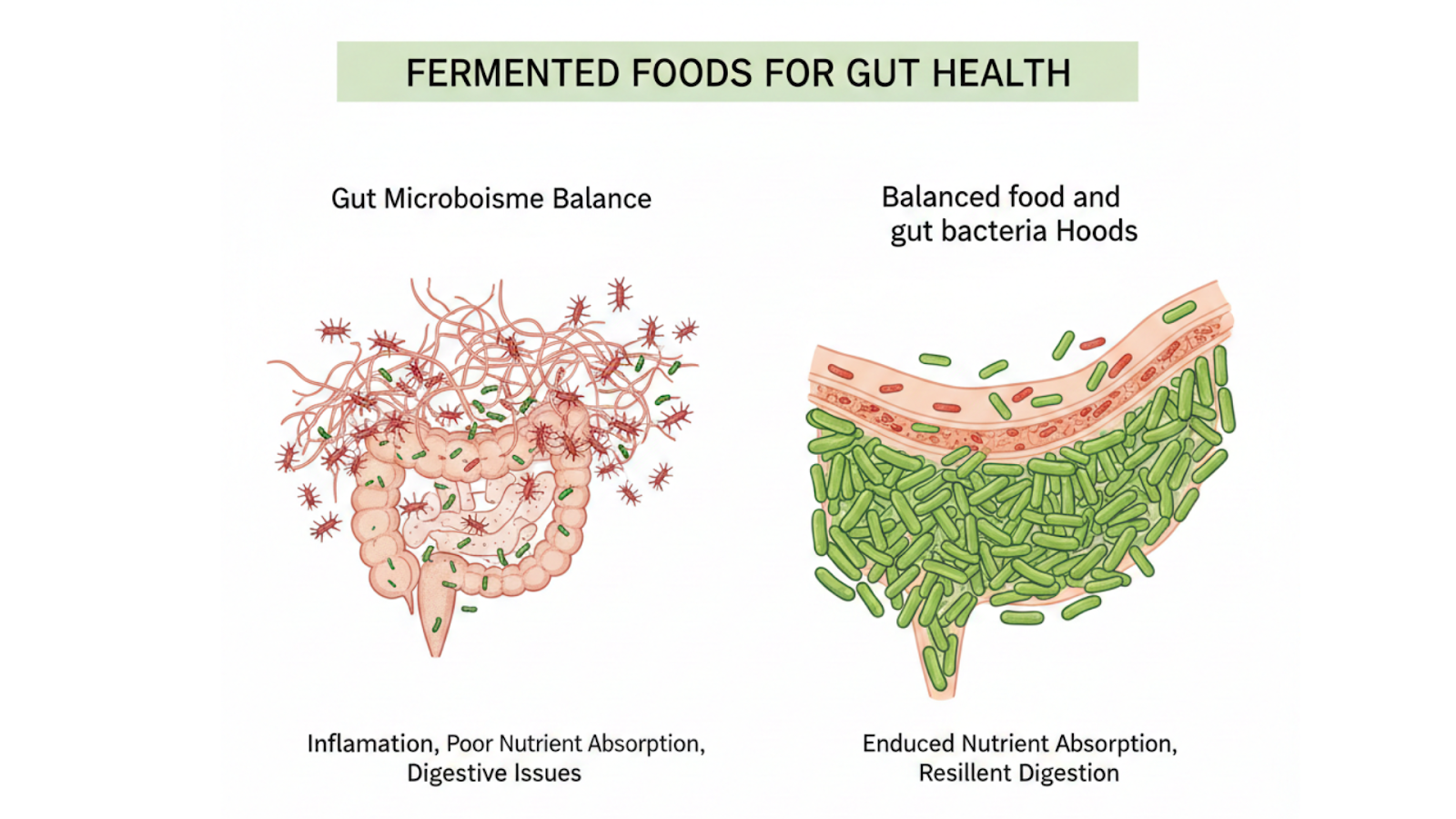
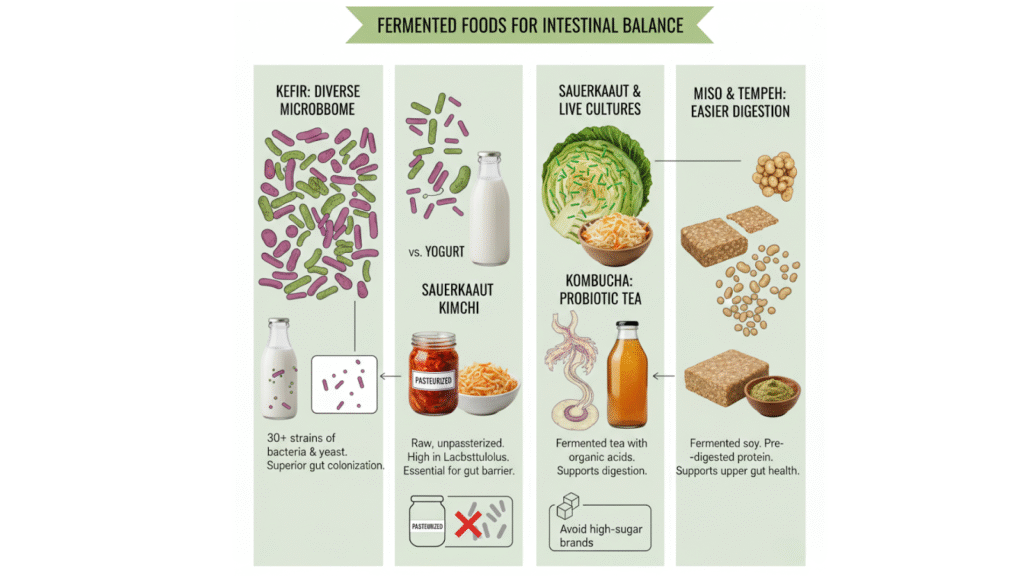
    2. Include Fermented Foods: Foods like Greek yogurt, kefir, and kimchi are naturally packed with live probiotics. Adding a small serving to your daily routine is like sending in a “peacekeeping force” to balance out your gut.
    3. Probiotics and Prebiotics: Supplements can be a great shortcut, but everyone’s body is different.
      Caution: It’s always smart to consult a professional before starting a new supplement to make sure you’re choosing the right strain for your specific needs.
    4. Reduce Sugar and Processed Foods: Highly processed snacks and sugary drinks feed the “bad” bacteria that cause inflammation. Cutting back even just a little can significantly reduce that jittery, anxious feeling.
    5. Manage Stress: Remember, the communication goes both ways. Activities like meditation, regular exercise, or just getting a solid eight hours of sleep tell your gut it’s safe to relax, which improves your digestion.
    6. Stay Hydrated: Water is essential for a healthy gut lining. Dehydration can slow down your digestion, leading to discomfort that makes you feel more on edge.
    7. Limit Antibiotics and NSAIDs: While sometimes necessary, overusing antibiotics or certain painkillers can wipe out your healthy bacteria. Use them only when truly needed to protect your microbiome’s natural balance.

    For a more structured approach, consider following a gut reset meal plan. It combines the top 10 foods for gut health in your daily meals to restore balance, improve digestion, and support mental clarity.

    When to See a Healthcare Professional

    While changing your diet and lifestyle can do wonders, sometimes your body needs a bit of expert backup. If you’ve been focusing on your gut health but still feel stuck, it might be time to chat with a pro. 

    If your persistent anxiety feels like it’s running the show and preventing you from enjoying your daily life, don’t try to tough it out alone. A mental health professional or a doctor can help you figure out the best path forward.

    You should also reach out for help if you are dealing with severe digestive issues. Things like intense pain, sudden weight loss, or chronic symptoms that don’t budge with basic diet changes need a closer look.

    A professional can provide a proper diagnosis and treatment, ensuring that there isn’t an underlying condition like a food intolerance or a specific infection that requires more than just a bowl of yogurt for gut health to fix. Remember, looking after yourself means knowing when to ask for a helping hand.

    Who to Consult for Gut Health & Anxiety

    Achieving emotional balance often requires looking beyond the mind and addressing the “second brain” located in your digestive system. Better mental wellness is within reach when you partner with a Calgary Based Gut Health Natural Practitioner who understands the intricate gut-brain axis and how microbial imbalances can trigger feelings of panic or worry. 

    At Natural Healing Haven, we bridge the gap between physical and emotional health by identifying how inflammation and nutrient deficiencies may be fueling your stress response. 

    By working with an expert who specializes in these connections, you can receive a tailored plan that uses clinical nutrition and natural therapies to calm your nervous system from the inside out.

    Conclusion

    Understanding the powerful link between your gut and your brain is a total shift in how we approach mental wellness. When you nourish your microbiome, you aren’t just improving your digestion; you are actively quieting the internal alarms that trigger stress and worry. 

    By prioritizing fiber, managing your stress levels, and leaning into whole foods, you’re building a foundation for a steadier, happier mind. Remember, you don’t have to overhaul your entire life overnight; even the smallest shifts in your daily habits can lead to a massive difference in how you feel.

    FAQs

    Can poor gut health cause anxiety?

    Yes, it can. Since your gut and brain are connected by the vagus nerve, an imbalance in gut bacteria (dysbiosis) can send distress signals to your brain. This often triggers symptoms of anxiety, irritability, and brain fog, as your gut is responsible for producing most of your body’s serotonin.

    How long does it take to improve anxiety through gut health?

    While everyone is different, many people notice a shift in their mood and energy levels within two to four weeks of consistent dietary changes. Significant repairs to the gut lining and a full rebalancing of bacteria typically take a few months of steady, healthy habits.

    Which probiotics help with anxiety?

    Specific strains known as “psychobiotics” are often recommended for mood support. Look for probiotics containing Lactobacillus helveticus and Bifidobacterium longum, as these have been shown in studies to help lower cortisol levels and improve the stress response.

    What foods improve gut health and reduce anxiety naturally?

    The best foods for this are high-fiber plants and fermented options. Focus on leafy greens, berries, oats, and lentils to feed good bacteria. Pair these with kefir, sauerkraut, or plain Greek yogurt to introduce live cultures that help soothe your nervous system.

  • How Does Cupping Help Athletes: A Quick Guide

    How Does Cupping Help Athletes: A Quick Guide

    Ever watched a championship game or the Olympics and wondered why the star players have those strange, circular bruises on their backs? It’s not a bizarre new trend or a mysterious injury. 

    It’s called cupping therapy, an ancient practice that has become the “secret weapon” for modern sports recovery. By using special suction cups for athletes, trainers are able to target deep muscle tension in a way that traditional massage often can’t reach.

    So, how does cupping help athletes stay at the top of their game? From elite swimmers to pro football players, the world’s most physical performers are turning to this benefit of cupping therapy because it works with the body’s natural healing process.

    Whether you’re a weekend warrior or a full-time pro, understanding why athletes do cupping can be the key to faster recovery and better performance without relying on harsh chemicals or invasive procedures.

    What Is Cupping Therapy?

    At its core, cupping is a simple technique where a provider places specialized cups made of glass, silicone, or plastic directly onto your skin. Once the cups are in place, a vacuum is created inside them. 

    This can be done using a mechanical pump or, in more traditional settings, by briefly using heat to remove the oxygen before placing the cup down.

    How Suction Works

    The magic happens through suction. While most bodywork (like massage) uses downward pressure to knead muscles, cupping does the opposite. It uses “negative pressure” to pull the skin, fascia, and top layers of muscle upward. 

    This suction causes your tiny blood vessels to expand, which creates that famous circular mark and encourages blood to rush into the area to begin the healing process.

    A Traditional Background

    Though it feels like a modern fitness trend, cupping has been around for thousands of years. It has deep roots in Traditional Chinese Medicine and ancient Egyptian and Middle Eastern cultures. 

    Historically, it was used to balance the body’s energy and treat everything from lung congestion to chronic pain. Today, we’ve simply adapted those ancient tools for modern athletic recovery.

    Dry vs. Wet Cupping

    There are two main ways this therapy is performed:

    • This is the most common version used in sports. It relies purely on suction to pull the tissue into the cup and keep it there for several minutes. Many people compare dry cupping vs wet cupping to see which is better for recovery and muscle relaxation, and dry cupping is often preferred for faster post-workout relief without breaking the skin.
    • Wet Cupping: This process involves the same suction, but it is followed by tiny, superficial scratches on the skin to draw out a small amount of blood. It is often used in traditional settings to “detoxify” or remove stagnant fluids from the body.

    Why Do Athletes Use Cupping?

    It isn’t just about looking cool on the sidelines; there are science-backed reasons why top performers swear by this treatment. Here is how those suction marks translate into real-world results:

    • After a grueling workout, your muscles are often filled with metabolic waste. Cupping therapy on arms acts like a vacuum for your circulatory system, pulling in fresh blood that carries nutrients and oxygen. This “flushing” effect helps your tissues repair themselves much quicker than resting alone.
    • Deep Muscle Relaxation: Sometimes a foam roller just doesn’t cut it. The suction from the cups reaches deep into the soft tissue, pulling apart tight fibers and releasing “trigger points” or knots. It forces the nervous system to switch into a state of rest, allowing stubborn muscles to finally let go.
    • Improved Flexibility: Think of your muscles like a sponge. If the sponge is dried out and tight, it breaks when you bend it. Cupping helps hydrate the fascia, the connective tissue that wraps around your muscles, making it more pliable. This leads to a better range of motion, which is crucial for preventing injuries during explosive movements.
    • Reduced Soreness: We’ve all felt that “day-after” stiffness known as DOMS (Delayed Onset Muscle Soreness). By reducing inflammation and clearing out lactic acid build-up, cupping significantly lowers the intensity of that post-training ache.
    • Support for Overall Performance: When your muscles aren’t stiff, and your blood is flowing freely, you can train harder and more frequently. By keeping the body in a “ready” state, cupping allows athletes to maintain peak performance throughout a long, demanding season.

    How Does Cupping Help Athletes?

    When you look at the list of benefits, it’s clear why this isn’t just a fad. Here is a deeper look at what actually happens under those cups to help an athlete stay in peak condition:

    Main BenefitHow It Works for Your Body
    1. Supports Muscle RecoveryIt speeds up the repair of micro-tears in muscle fibers by flushing out metabolic waste products like lactic acid.
    2. Improves Blood FlowThe suction creates “vasodilation,” which widens blood vessels to deliver a rush of oxygen and nutrients to tired tissues.
    3. Reduces Muscle TensionBy pulling the fascia and muscle layers apart, it breaks up stubborn knots and “stuck” tissues that cause stiffness.
    4. Helps With InflammationIt draws inflammatory markers to the surface, allowing the lymphatic system to drain them more effectively.
    5. May Reduce Pain NaturallyThe process can interrupt pain signals to the brain and trigger the release of endorphins, the body’s natural feel-good chemicals.
    6. Supports RelaxationIt stimulates the parasympathetic nervous system, helping athletes stay calm and sleep better before big events.

    What Does Cupping Feel Like?

    If you’re nervous about your first session, don’t be! While the marks might look intense, the experience is quite different from what you’d expect. Most people find it deeply relaxing once they get used to the unique sensation.

    Here is what you can expect during, before and after cupping therapy treatment:

    • Gentle Pulling Sensation: As soon as the cups are applied, you’ll feel a distinct “tugging” or lifting feeling. Unlike a massage that presses into your body, this feels like your skin and muscles are being gently stretched outward.
    • Tightness in the Treated Area: While the cups are on, you’ll feel a localized tightness. It’s firm pressure, but it shouldn’t be painful. Many athletes describe it as a “good kind of tight,” the kind that feels like a stubborn knot is finally being addressed.
    • Temporary Circular Marks: This is the most famous part of the process. Because the suction draws blood to the surface, you will likely have circular marks ranging from light pink to deep purple. These aren’t traditional bruises caused by impact; they are just a sign of increased blood flow.
    • Usually Fades Within a Few Days: You won’t be “spotted” forever! Depending on your circulation and how much tension was in the area, these marks typically disappear on their own within 3 to 7 days.

    When Do Athletes Use Cupping?

    Timing is everything in sports. Just like you wouldn’t do a heavy leg day right before a marathon, athletes are strategic about when they use their suction cups for athletes. To get the most out of the treatment, it is typically integrated into specific parts of a training cycle:

    After Intense Workouts: This is the most common time. Using cupping therapy for athletes within 24 to 48 hours of a heavy session helps clear out the “junk” (metabolic waste) from the muscles, preventing that extreme stiffness that can set in two days later.

    During Competition Season: When games or meets are back-to-back, the body doesn’t have much time to heal naturally. Athletes use cupping during the season to “reset” their muscles quickly so they can perform at 100% for the next event.

    As Part of Recovery Days: On scheduled rest days, cupping is a great way to stay “active” in your recovery. It keeps the blood moving and the fascia loose without adding the stress of a workout.

    Alongside Stretching and Mobility Work: Cupping is a team player. Many athletes find that if they use cups to loosen a tight area first, their stretching and mobility exercises become twice as effective because the “stuck” tissue has already been released.

    Is Cupping Safe for Athletes?

    When it comes to safety, the good news is that cupping is generally considered very safe for most athletes when performed by a trained professional or done properly with the right equipment. 

    Because it is a non-invasive therapy, it doesn’t involve the risks associated with medications or more intense procedures. Most people find that the biggest “risk” is simply looking like they’ve been hugged by a very friendly octopus for a few days.

    Those famous temporary marks are a completely normal part of the process and are expected after a good session. While they might look like bruises, they are actually just a sign that blood has moved to the surface to help with the healing process. 

    However, it is always a good idea to listen to your body. If you have certain skin conditions like eczema, thin skin, or active rashes, cupping might not be the best choice for you at that moment, as the suction could cause extra irritation. As long as you keep things clean and follow a few simple steps, it remains one of the most reliable ways to keep your body feeling its best.

    How Often Should Athletes Do Cupping?

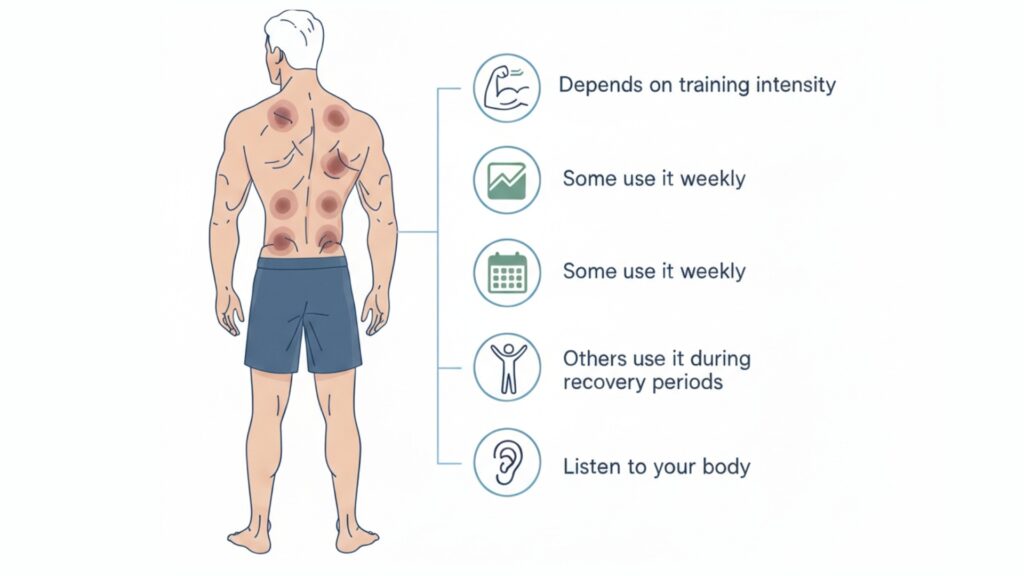
    If you’ve decided to give it a try, you’re probably wondering how to fit it into your schedule. The truth is, there isn’t a one-size-fits-all answer because it largely depends on your training intensity and how your body reacts to the suction.

    For many active individuals, a weekly session is the “sweet spot” to keep muscle tension at bay and maintain consistent blood flow. During a heavy competition season or a peak training block, some athletes might even bump this up to twice a week to handle the extra physical demand. 

    On the other hand, if you’re just using it for general maintenance, once or twice a month during your lighter recovery periods might be all you need to stay feeling loose.

    The most important rule is to listen to your body. Since the goal is to support your natural healing process, you don’t want to overdo it. If your skin is still tender or the circular marks haven’t faded yet, it’s usually best to wait a few more days before your next session. 

    Think of it as a tool in your kit, use it when you feel that stubborn “heaviness” in your muscles or when your mobility feels restricted, and give your tissues the time they need to respond to the treatment.

    Cupping vs. Other Recovery Methods

    While there are many ways to bounce back after a workout, cupping offers a unique “lift” that other techniques don’t provide. Here is how it stacks up against your usual recovery routine:

    Recovery MethodHow It Compares to CuppingHow They Work Together
    MassageMassage uses downward pressure to knead muscles. Cupping uses upward suction to decompress them.Use massage for overall relaxation and cupping for stubborn, deep-seated knots.
    StretchingStretching pulls muscles lengthwise. Cupping pulls the tissue vertically, loosening the fascia (the muscle’s “wrapper”).Cupping first “unsticks” the tissue, allowing you to get a much deeper, more effective stretch afterward.
    Foam RollingFoam rolling is a DIY way to apply pressure. It can be painful on sore spots, whereas cupping is often more targeted and less “gritty.”Use a foam roller for a quick daily flush and cupping once a week for deeper, focused recovery on problem areas.

    Who Should You Consult for Cupping Therapy

    When you’re ready to try this treatment, it’s important to work with a qualified professional who understands how to tailor the session to your specific athletic needs. You should look for a Natural Health Practitioner who has specialized training in manual therapies, as they can ensure the suction is applied safely and effectively to target your unique muscle tension. 

    For those who want to take a more holistic approach to their wellness, consulting a specialized expert like a Calgary-based hijama cupping therapy calgary can be a turning point. 

    These professionals often integrate cupping into a broader plan that looks at everything from your internal recovery to your external performance, helping you feel your best from the inside out.

    Conclusion

    In summary, cupping therapy offers a powerful range of benefits, from flushing out metabolic waste and boosting circulation to releasing deep muscle tension and improving flexibility. Providing natural recovery support, it allows you to bounce back faster without the need for invasive treatments. 

    To get the best results, it is essential to maintain a balanced recovery routine where cupping acts as a vital part of your overall athletic wellness. By investing in these natural methods, you ensure your body stays fluid, pain-free, and ready to take on your next big challenge.

    FAQS

    Does cupping actually help athletes?

    Yes. By creating negative pressure, cupping decompresses soft tissue, which increases blood flow and stretches the fascia (the connective tissue around muscles). This process helps clear out cellular debris and delivers oxygen-rich blood to tired muscles, effectively speeding up the body’s natural repair process.

    How often should athletes do cupping?

    It depends on your training volume. Most athletes find a “sweet spot” of once a week or once every two weeks during heavy training cycles. If you are in a maintenance phase, once a month is often enough to keep tissues pliable. Always wait for the marks from your previous session to fade before cupping the same area again.

    Why do Olympians do cupping?

    Olympians use it primarily for quick recovery between heats or events. Because it is a non-invasive, drug-free way to reduce muscle soreness and improve range of motion, it allows them to maintain peak performance without the downtime required by more aggressive treatments. It also helps manage the physical and mental stress of high-stakes competition.

    What kind of toxins does cupping pull out?

    While “toxins” is a popular term, cupping specifically helps the body clear out metabolic waste products like lactic acid, calcium deposits, and uric acid that build up in the muscles after intense exercise. Drawing these to the surface, it makes it easier for your lymphatic system to process and eliminate them.

    What do dark circles mean when cupping?

    In traditional practice, the color of the mark indicates the level of “stagnation” in the area. A light pink mark suggests healthy circulation, while a dark purple or “bruise-like” circle usually indicates a high concentration of metabolic waste and poor blood flow in that specific muscle. These darker marks often appear in areas where you feel the most tension or chronic pain.

  • How Do You Fix Leaky Gut: A Simple Guide

    How Do You Fix Leaky Gut: A Simple Guide

    Does it ever feel like your stomach is constantly on a rollercoaster? One day you’re bloated, the next you’re tired, and you just can’t figure out why. If you’ve been feeling “off” lately, you might be dealing with leaky gut syndrome.

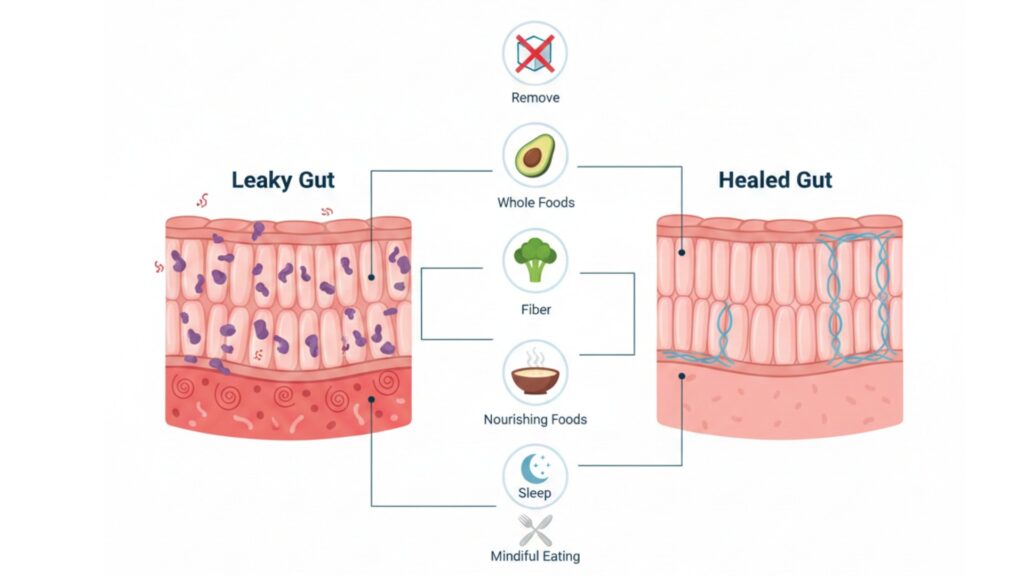
    Think of your gut lining like a fine-mesh screen that keeps the bad stuff out and lets the good nutrients in. When that screen gets “leaky,” things that shouldn’t be in your bloodstream start slipping through, causing all sorts of chaos in your body.

    Your gut is basically the engine room of your health. When it’s happy, you have energy and a clear head; when it’s struggling, everything from your skin to your mood can take a hit. 

    The good news? You don’t need a medical degree to start feeling better. Healing is all about getting back to basics, focusing on the right foods, managing stress, and building better daily habits. We’re going to break down exactly how to fix leaky gut with simple, practical steps you can start today.

    What Is Leaky Gut?

    Imagine your digestive tract is like a long, winding tube. The inside of this tube is lined with a very thin layer of cells that acts like a protective barrier. In a healthy body, this barrier is “semi-permeable,” which is just a fancy way of saying it acts like a high-tech security gate.

    How the Gut Barrier Works

    This “security gate” has one job: let the good guys in and keep the bad guys out. When you eat, your body breaks down food into tiny nutrients. A healthy gut lining allows vitamins, minerals, and nutrients to pass through the gut wall and enter your bloodstream to feed your cells.

    At the same time, it stays tightly closed to block out things like:

    • Unprocessed food particles
    • Harmful bacteria
    • Environmental toxins

    What Happens When It Weakens?

    Sometimes, that “gate” gets irritated or worn down. This can happen because of a poor diet, chronic stress, or even certain medications. When this happens, the “tight junctions” (the glue holding your gut cells together) begin to loosen.

    Instead of a solid wall, your gut lining becomes more like a leaky garden hose. Small holes or gaps open up, allowing those “bad guys”, toxins, and undigested food to slip through the cracks and escape into your body.

    Why It Affects Your Whole Body

    Once these particles get into your bloodstream, where they don’t belong, your immune system goes on high alert. It sees these “invaders” and starts an inflammatory response. This is why leaky gut doesn’t just stay in the stomach; it shows up everywhere:

    • Digestion: You might experience constant bloating, gas, or “leaky stomach” symptoms because your gut is overly irritated and unable to process food properly.
    • Energy: Since your immune system is working overtime to fight off those leaked particles, you end up feeling exhausted and “foggy.”
    • Skin: Your skin is often a mirror of your gut. When your body is trying to get rid of toxins that leaked out, it often pushes them out through your pores, leading to breakouts or redness.

    By understanding how to fix leaky gut, you aren’t just helping your stomach; you’re helping your entire body find its balance again.

    Common Signs Your Gut May Need Support

    How do you know if your gut is actually “leaky” or if you just had a heavy lunch? Your body is surprisingly loud when it’s unhappy; you just have to know what to listen for. When the intestinal lining is compromised, it sends out “S.O.S.” signals that show up in ways you might not expect.

    If you’ve been wondering how to fix leaky gut, the first step is identifying these common leaky gut symptoms:

    • Persistent Bloating and Gas: Do you feel like you’re carrying a balloon in your stomach after every meal? This is one of the most common symptoms of leaky gut, caused by an imbalance of bacteria and poor digestion.
    • General Digestive Discomfort: This includes that “heavy” feeling, occasional cramping, or unpredictable bathroom habits. It’s a sign your digestive tract is struggling to process what you’re putting in.
    • Skin Issues: Have you noticed more breakouts, redness, or itchy patches lately? Since your skin helps detoxify your body, leaky gut syndrome symptoms often show up on your face or arms as your body tries to flush out leaked toxins.
    • Low Energy and “Brain Fog”: If you’re waking up tired or feel like you’re walking through a mental cloud, your gut might be to blame. Inflammation from a leaky lining can drain your battery and make it hard to focus.
    • New Food Reactions: Do foods that used to be fine suddenly make you feel sick? When the gut is leaky, undigested food particles trigger your immune system, leading to sudden sensitivities.

    Recognizing these leaky Gut symptoms early is the key to a faster recovery. If more than two or three of these sound like your daily life, it’s a clear sign that your internal “security gate” needs some maintenance.

    How Do You Fix Leaky Gut Naturally? (Step-by-Step)

    Ready to stop the bloating and start feeling like yourself again? Healing isn’t about expensive “quick fixes.” It’s about giving your body the right environment to repair itself. If you’ve been asking how to fix leaky gut, here is a simple, no-nonsense roadmap to get you there.

    Step 1: Remove Foods That Irritate the Gut

    The first rule of fixing a leak is to turn off the water! You need to stop the irritation before the healing can start. For many, this means taking a break from:

    • Processed sugars and artificial sweeteners.
    • Excessive alcohol and caffeine.
    • Highly processed “junk” foods are filled with additives.

    Step 2: Eat Whole, Gut-Friendly Foods

    Think of your plate as a construction site. To rebuild that lining, you need high-quality materials. Focus on a gut-healing diet full of:

    • Lean proteins: Like wild-caught fish or grass-fed meats.
    • Healthy fats: Think avocados, olive oil, and walnuts.

    Step 3: Add More Fiber to Feed Good Bacteria

    Your “good” gut bacteria eat fiber. When you feed them well, they produce substances that actually strengthen your gut wall. Include a variety of colorful vegetables and low-sugar fruits (like berries) to keep your microbiome happy.

    Step 4: Support the Gut Lining with Nourishing Foods

    Some foods act like a soothing balm for your insides. Foods that heal the gut, like bone broth (rich in collagen) or fermented foods for gut health (like plain yogurt for gut health or kimchi) provide the specific nutrients and probiotics your body craves for leaky gut repair.

    Step 5: Reduce Stress Daily

    Did you know your brain and gut are constantly “talking”? High stress tells your gut to stop digesting and stay inflamed. Whether it’s a 5-minute walk, deep breathing, or just putting your phone away, lowering your stress is a non-negotiable part of leaky gut treatment.

    Step 6: Improve Your Sleep Routine

    Your body does its best repair work while you’re in deep sleep. If you’re skimping on rest, you’re skipping your gut’s “maintenance window.” Aim for 7-9 hours of quality shut-eye to give those intestinal cells time to knit back together.

    Step 7: Eat in a Way That Supports Digestion

    It’s not just what you eat, but how you eat. Slow down!

    • Chew thoroughly: Your stomach doesn’t have teeth; give it a head start.
    • Don’t eat on the run: Digestion happens best when your body is in “rest and digest” mode, not “fight or flight.”

    How Long Does It Take to Heal Leaky Gut Naturally?

    If you’re doing the work, you probably want to know: “When will I finally feel better?” It’s a fair question! While we all want a “magic pill” that works overnight, the truth is that your gut lining needs time to physically knit itself back together.

    Everyone Is Different

    There is no “one size fits all” stopwatch for healing. Because your body is unique, the time it takes depends on how long the irritation has been there and how your specific system responds to a gut-healing diet.

    Mild Cases vs. Long-Term Imbalance

    • Mild Irritation: If you’ve just been feeling a little bloated lately, you might notice a difference in as little as 2 to 4 weeks. By removing triggers and adding foods for leaky gut, the inflammation can settle down quite quickly.
    • Long-Term Issues: If you’ve been struggling with leaky gut syndrome symptoms for years, your body has more “repair work” to do. In these cases, it can take 3 to 6 months (or sometimes longer) to fully restore the gut barrier and rebalance your microbiome.

    The Power of Consistency

    Think of it like a gym routine. You won’t get six-pack abs in a day, but if you go every day, you’ll see the change. 

    The same applies to leaky gut treatment. Skipping your probiotic for leaky gut or having a “cheat weekend” filled with sugar can reset your progress. Staying consistent with your new habits is what actually gets you across the finish line.

    Focus on Long-Term Habits

    The goal isn’t just to “fix” the leak and go back to old habits. It’s about building a lifestyle that keeps your gut strong for years to come. 

    Once you learn how to fix leaky gut, you’ll realize that the energy and clarity you gain are worth keeping forever.

    Daily Habits That Protect Your Gut

    Once you’ve put in the hard work of healing, you want to make sure that “security gate” stays strong. You don’t need a total life overhaul to keep your digestion on track; it’s the small, boring things you do every day that make the biggest difference.

    Think of these habits as the daily maintenance crew for your intestinal lining. If you want to avoid seeing those leaky gut syndrome symptoms creep back in, here is a quick-reference table of the daily habits that act as a “shield” for your digestive health:

    Your Daily Gut-Protection Checklist

    Daily HabitWhy It MattersSimple Action Step
    Balanced MealsProvides the building blocks for a strong gut wall.Fill half your plate with colorful veggies at every meal.
    Regular MovementKeeps the “waves” of digestion moving naturally.Take a 15-minute walk after your largest meal.
    Stress ControlKeeps the gut-brain connection calm and happy.Practice 2 minutes of deep breathing before you start eating.
    Limit Processed FoodsReduces intake of chemicals that irritate the lining.Swap one “boxed” snack for a piece of fruit or a handful of nuts.
    Stay HydratedHelps the gut lining produce protective mucus.Carry a reusable water bottle and sip throughout the day.

    By sticking to these basics, you’re not just treating leaky gut syndrome symptoms; you’re building a foundation for long-term health. When your gut is protected, your energy stays high, your skin stays clear, and your digestion stays quiet.

    Who Should You Consult to Fix Leaky Gut Naturally?

    While taking charge of your own health through food and lifestyle is a powerful first step, navigating the complexities of chronic inflammation often requires a professional touch. 

    If your symptoms feel overwhelming, seeking out a Calgary Based Gut Health Natural Practitioner can provide you with the personalized testing and targeted supplement protocols needed to speed up your recovery.

    Connecting with experts at a dedicated Natural Healing Haven ensures you aren’t just guessing which probiotics or dietary shifts are right for your specific body. These specialists can help you pinpoint exact triggers and create a sustainable roadmap, turning the goal of long-term digestive wellness into a manageable reality.

    Conclusion

    Healing your body is a marathon, not a sprint, and it is important to remember that true leaky gut treatment takes time. You didn’t develop these symptoms overnight, so give your body the grace and patience it needs to rebuild that delicate internal barrier. 

    By shifting your focus toward simple daily habits like choosing foods that heal the gut and prioritizing rest, you are doing more than just fixing a temporary problem; you are transforming your entire approach to wellness.

    The most important thing to keep in mind is that small, consistent changes matter most. You don’t have to be perfect; you just have to be persistent. Swapping out processed snacks for foods for leaky gut and managing your daily stress levels creates a compounding effect that strengthens your system from the inside out.

    This natural approach doesn’t just mask the symptoms of leaky gut; it supports long-term gut health by addressing the root cause of the issue. Stay the course, listen to your body, and celebrate the small wins like more energy and less bloating along the way.

    FAQS

    Is fasting helpful for gut repair?

    Yes, intermittent fasting can give your digestive system a much-needed break. When you aren’t constantly digesting food, your body can redirect that energy toward “cellular cleanup” and repairing the intestinal lining. Even a simple 12 to 14-hour break between dinner and breakfast can help reduce gut inflammation and support leaky gut treatment.

    Are fermented foods enough?

    While sauerkraut, kimchi, and kefir are great, they are often just one piece of the puzzle. If your gut is severely irritated, some fermented foods might actually cause more bloating initially. For many, a high-quality probiotic for leaky gut is also needed to provide a concentrated dose of the specific “good” bacteria required to crowd out the bad ones.

    Can stress alone cause gut problems?

    Absolutely. Your gut and brain are connected by the vagus nerve, which acts like a two-way superhighway. High levels of chronic stress trigger the release of cortisol, which can physically weaken the “tight junctions” in your intestinal wall. This is why you might notice leaky gut syndrome symptoms flaring up during a busy week at work, even if your diet is perfect.

    Is leaky gut permanent?

    The good news is, it is not permanent! Your intestinal lining is made of some of the fastest-regenerating cells in your body, often replacing themselves every few days. By consistently following a gut-healing diet and removing irritants, you allow your body to heal the “leaks” and restore your health naturally.

  • Best Yogurt for Gut Health: A Natural Guide to Probiotic Choices

    Best Yogurt for Gut Health: A Natural Guide to Probiotic Choices

    Ever had that “heavy” feeling after a meal, or felt like your energy just vanished by 2 PM? I’ve been there too. It’s that uncomfortable bloating and sluggishness that makes you wonder if your digestive system has staged a quiet protest. We often hear that the secret to feeling like yourself again starts in your gut, but the grocery aisle can be confusing. You see dozens of tubs claiming to be the “healthy choice,” yet your stomach still feels like it’s doing somersaults.

    The truth is, while we’ve been told for years that yogurt is the ultimate superfood, not every cup is a winner. In fact, some of those “healthy” snacks are essentially dairy-flavored candy. 

    If you’ve ever felt frustrated trying to find the best yogurt for gut health amidst a sea of sugar and marketing jargon, you aren’t alone. Let’s get to the point and figure out which yogurts actually do the heavy lifting for your digestion, immunity, and overall vibe.

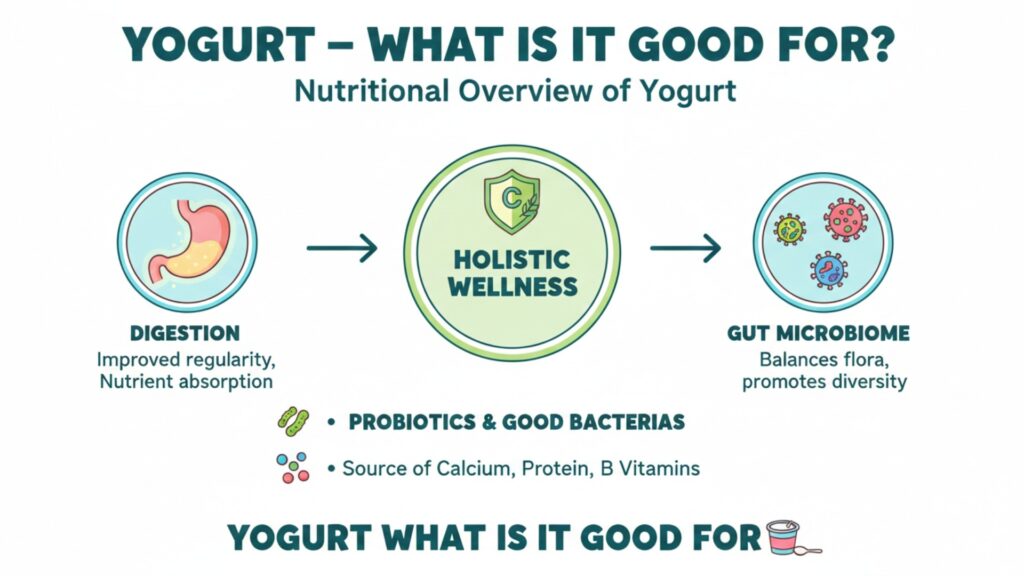
    Yogurt – What Is It Good For?

    Think of your gut as a garden. To keep it lush and green, you need the right seeds and a bit of daily maintenance. That is exactly what a high-quality yogurt provides. 

    But beyond the creamy taste, what is it good for? Most of us know it helps with digestion, but its benefits go much deeper than just “keeping things moving.”

    At its core, yogurt is a nutritional powerhouse packed with calcium for your bones, high-quality protein for muscle repair, and B vitamins that keep your energy levels steady. However, its real “secret sauce” is the presence of the best probiotic yogurt strains. 

    These tiny, living organisms act as a natural defense system. By flooding your gut with “good bacteria,” yogurt helps crowd out the “bad guys” that cause bloating and inflammation. This doesn’t just soothe your stomach; it also strengthens your immune system, as nearly 70% of your immune cells live right there in your gut.

    The Power of Probiotics and Live Cultures

    The magic happens during fermentation. When you choose a yogurt with live and active cultures, you are consuming millions of microscopic allies. These probiotics break down lactose, making it easier for many people to digest dairy without the usual discomfort.

    Furthermore, a daily serving of yogurt for gut health helps maintain the delicate balance of your microbiome. When your microbiome is balanced, your body can better absorb nutrients from all the other healthy foods you eat. 

    Whether you prefer a thick Greek-style or a convenient yogurt drink, you’re giving your body a natural tool to fight off fatigue and support a healthy metabolism.

    Does All Yogurt Have Probiotics?

    It’s the million-dollar question in the dairy case: Does all yogurt have probiotics? You’d assume the answer is a resounding “yes,” but here is the cold, hard truth: no, they don’t. 

    While all yogurt starts its life with live bacteria (that’s how milk becomes yogurt!), the journey from the farm to your fridge changes everything. Many commercial yogurts undergo “heat treatment” after fermentation to extend shelf life. This process is great for the grocery store’s bottom line, but it’s bad news for you because it kills off the very “good guys” your gut is craving.

    So, how do you tell the difference between a high-value probiotic yogurt and just a cup of sour milk? It all comes down to the processing. A “regular” yogurt might still have protein and calcium, but it lacks the bioactivity needed to change your gut health. 

    To get the real benefits, look for yogurt with live and active cultures on the label. This is your guarantee that the bacteria are still alive and kicking, ready to work on your digestion.

    The Sugar Trap and Processing

    Beyond heat, there is another “probiotic killer” to watch out for: excessive sugar. Many brands mask low-quality ingredients with syrups and artificial sweeteners. High sugar levels can actually feed the harmful bacteria in your gut, which basically cancels out any benefit the best probiotic yogurts were trying to provide.

    If you want to ensure you’re getting the real deal, stick to plain versions and add your own fruit. This ensures you’re getting the best yogurt for good bacteria without the sugar-induced inflammatory spike. 

    Remember, if the label doesn’t explicitly mention “live cultures,” you’re likely just eating a snack, not a supplement.

    What Does “Live and Active Cultures” Mean?

    If you’ve ever squinted at a yogurt tub wondering if you need a science degree to understand it, you aren’t alone. “Live and active cultures” is just a fancy way of saying the bacteria used to turn milk into yogurt are still alive when the product hits the shelf. 

    During fermentation, these cultures feast on milk sugars (lactose) and produce lactic acid. This doesn’t just give yogurt its signature tang; it creates a thriving environment for yogurt with live active cultures to grow.

    Why does this matter? Because for a probiotic to work, it has to be a “survivor.” It needs to make it past your stomach acid and into your intestines. If the yogurt was pasteurized after fermentation, those cultures are gone, leaving you with a snack that’s missing its most powerful health benefit.

    How to Read Your Yogurt Label Like a Pro

    To find the best yogurt for gut health, you need to look past the pretty packaging and dive into the fine print. Here is your quick checklist for the next time you’re in the dairy aisle:

    • The “Seal” of Approval: Look for the official “Live & Active Cultures” seal. This confirms the product contains at least 100 million cultures per gram at the time of manufacture.
    • Specific Strain Names: Truly high-quality best probiotic yogurts will list the specific “warriors” inside, such as Lactobacillus acidophilus, Bifidobacterium lactis, or L. bulgaricus.
    • The Order of Ingredients: If sugar or fruit juice is listed before the milk or cultures, put it back. You want the bacteria to be the star, not the sweetener.
    • “Heat-Treated” Warning: This is a major red flag. If the label says “heat-treated after culturing,” the probiotics have been neutralized.
    • “Made with” vs. “Contains”: Be wary of vague language. Yogurt with live and active cultures is a specific standard; “made with” doesn’t always mean they survived the journey to the store.

    By paying attention to these small details, you ensure you’re buying a functional food that actually improves your wellness, rather than just another grocery item.

    Does Greek Yogurt Have Probiotics?

    If you’ve walked down a dairy aisle lately, you know Greek yogurt is the reigning heavyweight champion. But does it live up to the hype for your microbiome, or is it just a high-protein trend? The short answer is: yes, Greek yogurt does have probiotics, but with a catch.

    The process of making Greek yogurt involves straining out the liquid whey. This is what makes it so thick, creamy, and protein-packed. While the straining process removes some of the sugar (lactose), the beneficial bacteria, those “good guys” we’ve been talking about, remain tucked away in the thick solids. 

    This makes it a fantastic yogurt for gut health because you’re getting a concentrated dose of nutrients without as much of the sugary filler found in traditional styles.

    When Greek Yogurt Wins (And When It Doesn’t)

    Not all Greek tubs are created equal. If the yogurt is flavored with “fruit on the bottom” or honey, the sugar content can skyrocket — which can actually trigger inflammation in the gut. To truly reduce gut inflammation, it’s important to choose wisely. To get the most out of your best probiotic yogurt, stick to the plain versions without added sugars.

    Here is a quick breakdown of how Greek yogurt stacks up against regular yogurt when it comes to your health goals:

    FeatureGreek YogurtRegular Yogurt
    Protein ContentVery High (Double regular)Moderate
    Probiotic CountHigh (if live/active)High (if live/active)
    TextureThick and creamyThin and smooth
    Sugar/LactoseLower (due to straining)Higher
    Best ForWeight loss & muscle repairGeneral hydration & light snacking

    When you choose a high-quality brand like Chobani protein yogurt, you’re getting that dual benefit of muscle-building protein and gut-supporting cultures. Just remember to check the label for those “live and active” strains to ensure you’re getting the digestive support you expect.

    Which Yogurt Should You Actually Buy?

    Ready to shop but feeling overwhelmed? Don’t worry, I’ve done the homework for you. Whether you’re looking for a high-protein punch to fuel your workout or a dairy-free delight that actually tastes good, this cheat sheet covers the heavy hitters for 2026.

    Remember, the best yogurt for gut health is the one that fits your lifestyle and your taste buds. Here is how the top brands stack up:

    Brand / TypeKey BenefitsProbiotic Powerhouse?Best For…
    Siggi’s Icelandic SkyrUltra-thick, low sugar, very high proteinYes (Multi-strain)Satiety & weight management
    Chobani Protein YogurtGreat texture, accessible, zero-sugar optionsYes (L. Acidophilus)Post-workout recovery
    Stonyfield OrganicClean ingredients, pasture-raised dairyYes (6+ live cultures)Families & organic purists
    Activia (Daily Drinks)Targeted “regularity” strainsYes (Bifidus Animalis)Bloating & digestive speed
    Cocojune (Coconut)Dairy-free, plant-based, very “clean” labelYes (BB-12 & more)Vegans & lactose sensitivity
    Bio-K+ (Drinkable)Medical-grade potency, very high CFUYes (CL1285® blend)Serious gut repair

    Best Probiotic Yogurts You Can Find

    Walking into the dairy aisle can feel like a maze of labels and claims. If you have ever felt overwhelmed trying to pick the “right” one, you are definitely not alone. The good news? You don’t need to be a nutritionist to find the best probiotic yogurts. Some of the most effective options are likely sitting right on the shelf of your local grocery store.

    Here is a look at the most reliable brands that balance great taste with the “good bacteria” your body is looking for.

    Activia Yogurt

    If your main goal is to beat that sluggish, bloated feeling, Activia is often the first name that comes to mind. What sets it apart is a specific probiotic strain called Bifidobacterium animalis lactis DN-173 010, which the brand spent years researching.

    A quick look at the Activia yogurt nutrition facts shows that it is designed specifically to help with “transit time,” which is just a polite way of saying it helps keep things moving smoothly. It is a convenient, everyday option for anyone who wants a targeted approach to digestive comfort without a lot of fuss.

    Chobani Protein Yogurt

    If you are someone who hits the gym or just needs a snack that actually keeps you full, Chobani protein yogurt is a fantastic double-threat. Because it’s a Greek-style yogurt, it is strained to be much thicker and packed with significantly more protein than regular versions.

    Even with the focus on protein, they don’t skip the gut benefits. It is loaded with live and active cultures like L. acidophilus and S. thermophilus. It’s the perfect choice for when you want to support your muscles and your microbiome at the same time, especially if you opt for their “less sugar” varieties.

    Bio-K Probiotics

    Sometimes, your gut needs more than just a maintenance snack; it needs a total reset. That is where bio-k probiotics come into play. These are concentrated, drinkable yogurts that lean more toward “wellness tool” than “dessert.”

    Bio-K+ is famous for its patented blend of three specific probiotic strains that are clinically proven to reach your gut alive. It is often the “go-to” choice for people looking for digestive recovery after a round of antibiotics or during a flare-up. If you want a therapeutic dose of bacteria in a small, powerful shot, this is the one to look for.

    Coconut Probiotic Yogurt – A Dairy-Free Option

    If you have decided to go dairy-free, whether it’s for your skin, your digestion, or a vegan lifestyle, you might feel like you’re missing out on the “probiotic party.” 

    But don’t worry, the rise of coconut probiotic yogurt has made it easier than ever to keep your gut happy without a single drop of cow’s milk. 

    For those who are lactose intolerant, this isn’t just a snack; it’s a way to enjoy that creamy, tangy experience without the bloating and discomfort that usually follows.

    But does a plant-based version actually hold up when compared to the best yogurt for gut health? The answer lies in the fermentation. 

    As part of natural remedies for bloating, adding a dairy-free probiotic option like coconut yogurt can help support healthy gut bacteria, improve digestion, and reduce excess gas. When your gut microbiome is balanced, your body is better able to break down food efficiently — which may mean less heaviness and fewer uncomfortable flare-ups.

    Is It “Healthier” Than Dairy?

    It’s a common misconception that “plant-based” always means “lower calorie.” In reality, coconut yogurt is naturally high in healthy fats, specifically Medium-Chain Triglycerides (MCTs), which your body uses for quick energy. However, it can be a bit of a trade-off:

    • Protein Gap: Unlike Chobani protein yogurt, coconut versions are usually very low in protein. If you’re using it as a meal replacement, you’ll want to add nuts or seeds.
    • The Sugar Trap: Because coconut can be quite tart when fermented, some brands load up on cane sugar. To find the best probiotic yogurt in the vegan aisle, always reach for the “unsweetened” or “plain” versions.
    • The “Clean” Factor: Check for thickeners. Since coconut milk is thin, many brands use gums or starches to get that “yogurt” feel. Look for brands like The Coconut Cult or Cocojune that focus on minimal, whole-food ingredients.

    Whether you’re pouring it over granola or blending it into a smoothie, coconut probiotic yogurt is a delicious, gut-friendly ally. It’s living proof that you don’t need dairy to support a thriving microbiome.

    Yogurt Drinks vs. Spoon Yogurt

    In the world of gut health, you often have to choose between a classic bowl of yogurt or a quick yogurt drink like kefir or Bio-K+. 

    But is there actually a difference in how they work? While a spoonable yogurt is great for a filling breakfast, drinkable versions are often “fermented longer,” which can sometimes lead to a higher concentration of yogurt with live active cultures.

    Essentially, a yogurt drink is a liquid version of your favorite probiotic food for gut health, often containing a wider variety of bacterial strains. 

    Because they are thinner, they are incredibly easy for your body to process on the go. However, some drinkable versions can be “sugar bombs” to help mask the sour taste of fermentation, so it’s vital to check the label before you chug.

    Which One Should You Grab?

    If you’re trying to decide which format fits your lifestyle, here is a quick breakdown of how they compare:

    FeatureSpoonable YogurtYogurt Drink (Kefir/Shots)
    Probiotic DiversityModerate (2–5 strains)High (Often 10+ strains)
    Protein ContentHigh (especially Greek style)Moderate to Low
    ConvenienceRequires a seat and a spoonGrab-and-go friendly
    SatietyKeeps you full longerQuick nutrient hit
    Best ForMeal replacement/BreakfastDigestive “boost” / Quick snack

    When it comes to the best probiotic yogurts, the “spoon vs. sip” debate really comes down to your personal goals. If you want a full meal that supports muscle growth, a Chobani protein yogurt bowl is the winner. 

    But if you’ve just finished a heavy meal and want to help your digestion catch up, a quick probiotic shot might be the more effective tool.

    Healthiest Yogurt Options in Canada

    If you’re shopping in the Great White North, you’re in luck. Canada has some of the strictest dairy standards in the world, which makes finding the healthiest yogurt Canada offers a bit easier than in other places. 

    By law, any product labeled “yogurt” in Canada must contain at least two specific bacterial strains: Lactobacillus bulgaricus and Streptococcus thermophilus.

    But “healthy” goes beyond just the legal minimums. In 2026, Canadian shoppers are looking for transparent labels that don’t just say “probiotics” but actually tell you which ones and how many. The gold standard for yogurt for gut health in Canada involves a combination of high-quality local milk and a lack of artificial fillers.

    What to Look for on Canadian Labels

    To ensure you’re getting the best yogurt for good bacteria, keep an eye out for these specific Canadian “quality markers”:

    • The Blue Cow Logo: This symbol guarantees the product is made with 100% Canadian milk, which means no growth hormones and high animal welfare standards.
    • Probiotic CFU Count: High-quality Canadian brands will often list the Colony Forming Units (CFU). For a real digestive benefit, you want a product that guarantees at least 1 billion CFU per serving.
    • A2 Protein Options: Many Canadian farms, like Eby Manor or Bles-Wold, now offer A2 milk yogurt, which many people find much easier on the gut than traditional dairy.
    • Grass-Fed Certification: Brands like Tree Island (from BC) or Organic Meadow (from Ontario) use milk from cows that graze on pasture, resulting in yogurt that is naturally higher in anti-inflammatory Omega-3s.

    Top Canadian Brands for Gut Health

    Whether you are in a major city or a rural town, these Canadian-made favorites are consistently top-rated for their probiotic profiles:

    BrandRegionWhy it’s a “Healthiest” Pick
    Olympic DairyBCClean, simple ingredients with no gelatin or chemicals.
    Liberté MéditerranéeQuebecFamous for its rich texture and high live culture count.
    President’s Choice (Organics)NationalAn accessible, budget-friendly way to get organic, probiotic-rich yogurt.
    RivieraQuebecKnown for their “pot-set” French style, which preserves delicate probiotics.

    By choosing local, organic, and minimally processed options, you’re not just supporting Canadian farmers; you’re giving your gut the highest quality “good bacteria” available.

    Common Mistakes When Choosing Yogurt for Gut Health

    Even with the best intentions, it’s easy to fall into a “marketing trap” at the grocery store. You see a picture of a fresh strawberry in a tub and assume you’re making a great choice for your body. 

    However, many people unknowingly grab products that actually work against their digestive goals. If you’ve been eating yogurt daily but still feel sluggish, you might be making one of these common mistakes.

    Finding the best yogurt for good bacteria requires a bit of detective work. Here are the most frequent blunders to avoid:

    • Falling for the “Fruit-on-the-Bottom” Trap: Most flavored yogurts are loaded with enough cane sugar or high-fructose corn syrup to rival a soda. Excess sugar feeds the “bad” bacteria in your gut, which can lead to more gas and bloating, completely canceling out the benefits of the probiotics.
    • Ignoring the Specific Probiotic Label: Just because a container says “made with real milk” doesn’t mean it’s the best probiotic yogurt. If the label doesn’t explicitly list the strains (like Bifidobacterium) or display the “Live and Active Cultures” seal, those beneficial bugs might have been killed off during heat processing.
    • The “All Yogurt is the Same” Assumption: Many people believe that as long as they are eating dairy, they are getting probiotics. Remember, do all yogurts have probiotics? No. Some are simply fermented for flavor and then pasteurized, leaving you with zero live benefits for your microbiome.
    • Overlooking the “Health” Halo of Portions: Even with the healthiest yogurt Canada or the US has to offer, portion size matters. Some “single-serve” cups are actually two servings in one, doubling your calorie and sugar intake. Conversely, if you only eat a tiny spoonful once a week, you aren’t giving those live cultures enough “reinforcements” to actually change your gut environment.
    • Trusting “Light” or “Diet” Versions: To save calories, these yogurts often use artificial sweeteners. Recent studies suggest that some of these sweeteners can actually disrupt your gut flora, making them a poor choice for yogurt for gut health.

    By avoiding these pitfalls, you ensure that every spoonful you take is actually moving the needle toward a flatter stomach and better energy.

    Who Can Help Improve Your Gut Health Naturally?

    While choosing the right yogurt is a great first step, sometimes your digestive journey requires a more personalized touch. If you have been struggling with persistent bloating or sensitivities, a natural health practitioner can provide the deep-dive analysis needed to map out your unique microbiome. Specifically, working with a Calgary Based Gut Health Natural Practitioner can offer you tailored advice on which specific bacterial strains your body is lacking, helping you decide exactly which yogurt or probiotic supplement will best support your individual wellness goals.

    Conclusion

    Choosing the right yogurt is a simple yet powerful way to reclaim your digestive harmony and boost your natural vitality. By prioritizing yogurt with live and active cultures and steering clear of hidden sugars, you are providing your body with the high-quality fuel it needs to thrive from the inside out. 

    Remember, true wellness is built on these small, mindful daily choices. Stay consistent, listen to your body’s unique cues, and let nature’s probiotics help you find your balance. 

    FAQs 

    What is the best probiotic yogurt for daily use?

    The best probiotic yogurt for daily use is one that is plain, unsweetened, and explicitly labeled with “Live and Active Cultures.” Look for brands like Chobani protein yogurt for a protein boost or specialized options like bio-k probiotics if you need a more therapeutic, high-potency dose.

    How often should you eat yogurt for gut health?

    Consistency is key! To see real results, you should aim for at least one serving of yogurt for gut health every day. Probiotics are transient, meaning they don’t stay in your system forever, so you need to provide your microbiome with a fresh supply of “good guys” regularly.

    Is plant-based yogurt as effective as dairy yogurt?

    Yes, as long as it contains added live cultures. A high-quality coconut probiotic yogurt can be just as effective as dairy versions for providing beneficial bacteria, making it an excellent choice for those with lactose sensitivity. Just keep an eye on the sugar and thickener content.

    Can yogurt improve digestion long-term?

    Absolutely. When you regularly consume yogurt with live active cultures, you help maintain a diverse microbiome. Over time, this can lead to improved nutrient absorption, a stronger immune system, and reduced chronic bloating, making it a staple of a natural healing lifestyle.

  • Hyperthyroidism vs Hypothyroidism – Understanding the Key Differences

    Hyperthyroidism vs Hypothyroidism – Understanding the Key Differences

    Think of your thyroid as your body’s internal engine. This tiny, butterfly-shaped gland sits in your neck and pumps out hormones that tell your cells how fast or slow to work. When your thyroid is humming along perfectly, you feel energized and balanced. 

    But what happens when that engine starts revving too high or stalling out completely? That is exactly what happens with hyperthyroidism vs hypothyroidism, two sides of the same coin that can leave you feeling like a stranger in your own skin.

    If you’ve been feeling unusually exhausted or strangely wired lately, you aren’t alone. One condition acts like an accelerator, speeding up your metabolism until your heart races and the pounds drop off without trying. The other acts like a brake, dragging your energy levels down, making you feel cold, and causing stubborn weight gain. 

    Understanding the difference between an overactive and underactive thyroid in Calgary is the first step toward reclaiming your health. We’re going to break down the symptoms, causes, and how you can naturally support your body to get back in sync.

    What Is Hyperthyroidism?

    Simply put, hyperthyroidism is when your thyroid gland becomes overactive. Instead of releasing just the right amount of hormones to keep your body steady, it goes into overdrive and floods your system with more than you need. 

    Think of it like a thermostat that is stuck in the “on” position; your body starts burning through energy much faster than it should.

    This surge of excess hormones affects almost every organ, including your heart. Because your metabolism is running at a record pace, your body is essentially working overtime 24/7, which can leave you feeling physically exhausted even though your mind feels “wired.” 

    Recognizing hyperthyroidism symptoms early is key to slowing things down and getting your system back into a healthy rhythm.

    Common Signs of an Overactive Thyroid

    If you are dealing with an overactive thyroid, you might notice your body reacting in ways that feel out of your control. Here are the most common hyperthyroidism symptoms to look out for:

    Often causing unintentional weight loss, a rapid or irregular heartbeat (palpitations), anxiety, excessive sweating, heat sensitivity, and tremors, an overactive thyroid can significantly affect your daily life and overall well-being.

    • Rapid Heartbeat: You might feel like your heart is racing, pounding, or skipping a beat even while you are sitting still.
    • Unexplained Weight Loss: A hallmark of an overactive thyroid, you may lose weight quickly without changing your diet or exercise routine.
    • Anxiety or Nervousness: Many people feel a constant sense of jitteriness, irritability, or “panic” that wasn’t there before.
    • Heat Intolerance: You might find yourself sweating profusely or feeling uncomfortably hot when everyone else around you is perfectly fine.
    • Tremors: A slight trembling or shaking in your hands and fingers is a frequent sign that your nervous system is overstimulated.

    What Is Hypothyroidism?

    On the opposite end of the spectrum, we have hypothyroidism, which is essentially an underactive thyroid. In this case, your thyroid gland is “sleepy” and fails to produce enough essential hormones to keep your body running at full speed. It is a common condition where the thyroid gland fails to produce enough essential hormones, causing metabolism to slow down.

    If hyperthyroidism is a racing engine, hypothyroidism is like trying to drive a car with a clogged fuel line; everything feels sluggish, heavy, and difficult to move.

    When your hormone levels drop, your metabolism takes a major hit. Since these hormones are responsible for converting food into energy, a shortage means your body starts storing that energy instead of burning it. This slowdown doesn’t just affect your weight; it impacts your digestion, your brain function, and even your body temperature. 

    For many, especially when looking at symptoms of hypothyroidism, women often report that the change can feel like a sudden “wall” of exhaustion that no amount of caffeine can fix.

    Common Signs of an Underactive Thyroid

    Because the body is slowing down, the symptoms tend to creep up gradually. You might dismiss them as “just getting older” or being stressed, but these are classic signs your thyroid needs help:

    • Fatigue: This isn’t just being tired; it’s an overwhelming exhaustion that makes it hard to get through your daily routine.
    • Weight Gain: You might notice the scale ticking upward even if you’re eating well and staying active.
    • Cold Sensitivity: While others are comfortable, you might find yourself reaching for a sweater or feeling a deep chill in your bones.
    • Dry Skin: Your skin may become flaky, itchy, or lose its natural glow as your cell turnover slows down.
    • Depression: A lack of thyroid hormones can significantly impact your mood, leading to feelings of sadness, lack of motivation, or persistent brain fog.

    Recognizing these symptoms of hypothyroidism in women and men is the first step toward getting your energy back.

    Hyperthyroidism vs Hypothyroidism – Key Differences

    While both conditions involve the same small gland in your neck, they sit at opposite ends of the health spectrum. One speeds you up, while the other slows you down. 

    Understanding the differences between hypothyroidism and hyperthyroidism is much easier when you look at them side-by-side.

    The main takeaway is that your thyroid acts as a control center. When it releases too much or too little hormone, it sends a ripple effect through every system in your body.

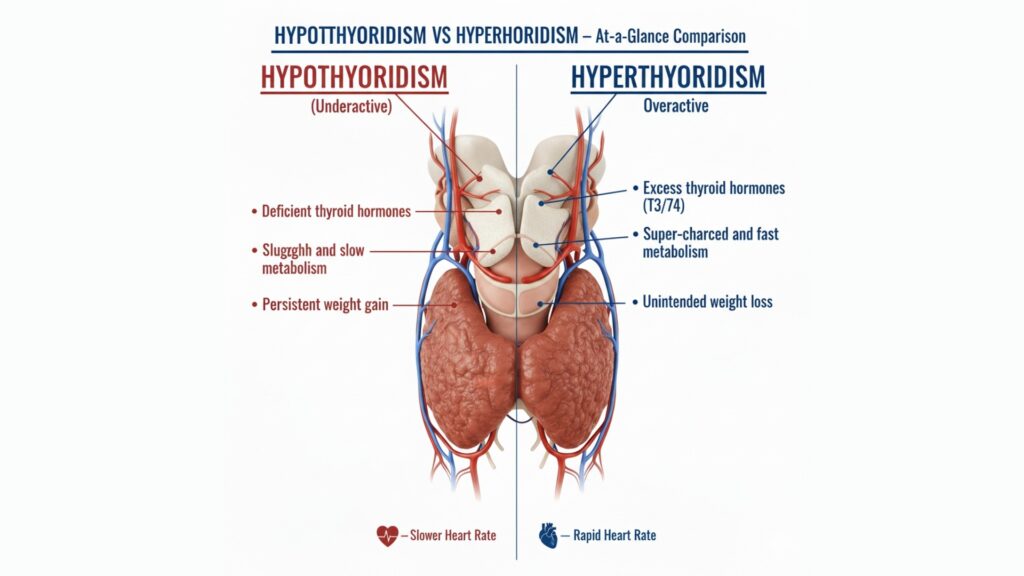
    At-a-Glance Comparison

    FeatureHyperthyroidism (Overactive)Hypothyroidism (Underactive)
    Hormone LevelsExcess thyroid hormones (T3/T4)Deficient thyroid hormones
    Metabolism SpeedSuper-charged and fastSluggish and slow
    Weight ChangesUnintended weight lossPersistent weight gain
    Heart RateRapid, racing, or poundingSlower than normal
    Energy LevelsRestless, anxious, or “wired.”Chronic fatigue and lethargy

    Causes of Hyperthyroidism

    Understanding the cause of hyperthyroidism is like finding out why your car’s cruise control is stuck on high. It’s rarely just one thing; usually, an underlying trigger is telling your thyroid to ignore the “stop” signals from your brain. 

    While lifestyle factors like high stress can certainly play a role in how you feel, most cases stem from specific medical conditions that force the gland into overdrive.

    Knowing what is happening behind the scenes helps you move away from just treating symptoms and toward addressing the root issue. Here are the most common factors that act as a cause of hyperthyroidism:

    • Graves’ Disease: This is the leading culprit. It’s an autoimmune disorder where your immune system attacks the thyroid, mistakenly causing it to produce way too much hormone.
    • Thyroid Nodules: Sometimes, small lumps (nodules) grow on the gland. While usually non-cancerous, these lumps can start acting independently, pumping out extra hormones on their own.
    • Excess Iodine Intake: Your thyroid uses iodine to make hormones. However, getting too much of certain medications or supplements can trigger the gland to over-produce.
    • Inflammation of the Thyroid: Also known as thyroiditis, this happens when the gland becomes inflamed, causing stored thyroid hormones to “leak” out into your bloodstream all at once.

    Causes of Hypothyroidism

    If hyperthyroidism is an engine revving too high, hypothyroidism is what happens when the fuel line is pinched. Understanding what causes hypothyroidism is essential because the treatment often depends on why the gland slowed down in the first place. For many, it isn’t just a “lazy” thyroid; it is often a response to an internal or external trigger that has disrupted the gland’s ability to do its job.

    While lifestyle factors like chronic stress can certainly aggravate the situation, most cases of an underactive thyroid stem from these common underlying reasons:

    • Hashimoto’s Thyroiditis: This is an autoimmune condition and the leading what causes hypothyroidism in many regions. Your immune system mistakenly attacks the thyroid tissue, leading to chronic inflammation and reduced hormone production.
    • Iodine Deficiency: Your thyroid needs iodine to manufacture hormones. While less common in some areas due to iodized salt, a lack of this mineral in your diet can cause the thyroid to struggle and eventually enlarge.
    • Thyroid Surgery: If a portion (or all) of the thyroid gland is removed to treat nodules, cancer, or hyperthyroidism, the remaining tissue may not be able to produce enough hormones for the body’s needs.
    • Certain Medications: Some drugs used for heart conditions, psychiatric disorders, or even cancer can interfere with how your thyroid produces or releases hormones.

    Symptoms That Need Immediate Attention

    While many thyroid issues develop slowly, some signs act like a “check engine” light that you simply shouldn’t ignore. Because your thyroid regulates vital functions like your heart rate and body temperature, a sudden shift can put a lot of strain on your system. If your body is sending out loud distress signals, it’s time to listen.

    Pay close attention if you notice a combination of these warning signs, as they often indicate that your hormone levels are significantly out of balance. In rare cases, more serious conditions such as those associated with thyroid lymphoma symptoms can also present with rapidly worsening swelling in the neck, difficulty swallowing or breathing, or unexplained hoarseness.

    Red Flags You Shouldn’t Ignore

    • Severe Fatigue: This isn’t just a mid-afternoon slump. We’re talking about an overwhelming, bone-deep exhaustion that prevents you from performing basic daily tasks.
    • Heart Palpitations: If you feel like your heart is fluttering, skipping beats, or racing while you are resting, take note. Many people wonder, does hyperthyroidism cause high blood pressure? The answer is yes; the extra strain on your heart can lead to elevated pressure and a rapid pulse.
    • Swelling in the Neck: Any visible enlargement at the base of your neck (often called a goitre) needs a professional look. While people often associate it with an overactive gland, you can actually develop a goitre with hypothyroidism as the gland swells while trying desperately to keep up with demand.
    • Sudden Mood Changes: While everyone has bad days, extreme shifts into intense anxiety, panic attacks, or deep, dark depression can be a direct result of thyroid hormones affecting your brain chemistry.

    How Is Hyperthyroidism Detected?

    If you suspect your metabolism is running too fast, you don’t have to keep guessing. Finding out how to detect hyperthyroidism is a straightforward process that usually starts with a simple conversation with your doctor about how you’ve been feeling. 

    Because the symptoms can mimic stress or caffeine sensitivity, medical professionals use a specific set of tools to see exactly what is happening with your hormone production.

    The sooner you get these tests done, the faster you can stop the racing heart and jittery feelings. Here are the primary ways doctors confirm an overactive thyroid:

    MethodWhat It Checks
    Blood TestsMeasures levels of TSH, T3, and T4 to see if hormones are too high.
    Thyroid ScanUses a small amount of radioactive iodine to see how the gland is functioning.
    Physical ExamChecks for tremors, skin changes, or a swollen thyroid gland.

    Diagnostic Steps for Hyperthyroidism

    Key medical evaluations are used to accurately identify an overactive thyroid.

    Diagnostic StepDescription
    Blood Tests (TSH, T3, T4)The gold standard for detecting hyperthyroidism. A low TSH level combined with high T3 or T4 levels usually confirms that the thyroid is overactive.
    Thyroid ScanAn imaging test that shows the size and shape of the thyroid and helps identify nodules responsible for excess hormone production.
    Physical ExaminationThe doctor checks for signs such as a rapid pulse, moist skin, or bulging eyes, which are common indicators of certain thyroid conditions.

    How Is Hypothyroidism Detected?

    Finding out if your metabolism has slowed down follows a similar path to checking for an overactive thyroid, but the results tell a very different story. If you’ve been feeling sluggish or struggling with persistent brain fog, knowing how to detect hypothyroidism starts with a simple screening process. Because the symptoms often overlap with general stress or aging, medical tests are the only way to get a definitive answer.

    Doctors look for specific markers that show your thyroid is struggling to keep up with your body’s demands. Here is the standard process for uncovering an underactive thyroid:

    Detection MethodWhat It MeasuresWhy It Matters
    TSH Blood TestThyroid-stimulating hormone levelsHigh TSH indicates your brain is “screaming” at your thyroid to work harder.
    Antibody TestingPresence of specific immune proteinsHelps determine if an autoimmune issue like Hashimoto’s is the cause.
    Symptom EvaluationPhysical and mental health changesConnects lab numbers to your real-world experience, like fatigue or cold skin.

    The Screening Process for Hypothyroidism

    A step-by-step guide to the tests and evaluations doctors use to detect an underactive thyroid accurately.

    Screening StepDescription
    TSH Blood TestThe most common first test. High TSH levels indicate that the brain is signaling the thyroid to produce more hormones. This is the primary method to accurately detect hypothyroidism.
    Antibody TestingChecks for specific antibodies to determine if an autoimmune condition, such as Hashimoto’s disease, is causing thyroid dysfunction.
    Symptom EvaluationA review of physical signs like slow heart rate, dry skin, or thinning hair. This helps the doctor understand how hormone deficiency affects daily life, complementing blood test results.

    Natural & Holistic Perspective on Thyroid Balance

    While medical testing is the first step in identifying hyperthyroidism vs hypothyroidism, many people find that supporting their body holistically makes a world of difference in how they feel day-to-day. Your thyroid is incredibly sensitive to the world around you. 

    This means that while it can be easily thrown off balance, it also responds beautifully to gentle, consistent care through lifestyle and nutrition. Many individuals begin exploring natural remedies for thyroid support as a complementary approach alongside proper medical guidance.

    The goal of a holistic approach isn’t to replace medical advice, but to create an environment where your thyroid doesn’t have to work so hard. By focusing on the root of your daily habits, you can often ease the intensity of your symptoms and improve your overall quality of life.

    Supporting Your Thyroid Naturally

    • Mindful Nutrition: Your thyroid relies on specific minerals like selenium and zinc to function optimally. Incorporating whole, nutrient-dense foods and avoiding highly processed sugars that cause energy crashes can help keep your metabolism steady. If you’re looking for how to fix an underactive thyroid naturally, focusing on an anti-inflammatory diet for Thyroid, mineral-rich foods is a powerful first step.
    • Stress Management: The “stress hormone” cortisol has a direct conversation with your thyroid. When you are constantly in “fight or flight” mode, your thyroid often takes a backseat. Practices like deep breathing, walking in nature, or consistent sleep can help signal to your body that it’s safe to find balance again.
    • Early Awareness: The most “natural” thing you can do is listen to your body’s whispers before they become screams. Paying attention to small changes in your skin, hair, or mood allows you to make adjustments early on.
    • Gentle Movement: For those with hyperthyroidism, calming exercises like yoga can help soothe a racing system. For those with hypothyroidism, consistent, low-impact movement can help give a sluggish metabolism a much-needed spark.

    Who to Consult for Hyperthyroidism and Hypothyroidism

    When managing the complexities of thyroid health, it is often beneficial to take a collaborative approach to your care. While an endocrinologist is the conventional specialist for hormonal imbalances, many people in Alberta seek out a natural health practitioner to address the lifestyle and nutritional foundations that support long-term recovery. 

    These practitioners focus on the “whole person” by evaluating how stress, gut health, and mineral deficiencies might be aggravating your symptoms. If you are looking for a personalized strategy that combines clinical insight with holistic wellness, exploring Natural Treatments for Thyroid in Calgary can provide you with the tools to manage your energy and metabolism more effectively alongside your standard medical checkups.

    Conclusion

    Understanding the tug-of-war between hyperthyroidism vs hypothyroidism is the first step toward feeling like yourself again. Whether your body is moving too fast or stalled in low gear, these symptoms are just your thyroid’s way of asking for help. 

    By paying attention to the “red flags,” knowing how to detect issues early, and supporting your body through healthy habits, you can bring your life back into a healthy balance.

    FAQS

    Can thyroid disorders affect blood pressure?

    Yes, both conditions can impact your readings. Hyperthyroidism often causes a racing heart and can lead to high blood pressure, while hypothyroidism can sometimes cause your blood pressure to rise as your heart works harder to pump blood through stiffened vessels.

    Are thyroid conditions more common in women?

    Statistically, yes, thyroid conditions are significantly more common in women, more likely than men to develop thyroid issues, especially following pregnancy or during menopause. This is why being aware of the symptoms that women frequently report is so important for early detection.

    Can lifestyle changes help manage symptoms?

    Yes, consistent lifestyle changes can significantly help manage, reduce, and sometimes even reverse symptoms of chronic conditions like diabetes, heart disease, and mental health disorders.

  • How to Detoxification of Body: The Complete Guide to Natural Rejuvenation

    How to Detoxification of Body: The Complete Guide to Natural Rejuvenation

    “The natural healing force within each of us is the greatest force in getting well.” This famous quote by Hippocrates perfectly sets the stage for what we’re talking about today. Are you feeling a bit sluggish lately? Maybe your skin looks dull, or your energy hits a wall by 2:00 PM? It’s easy to feel like your system is just “clogged up” from the daily grind. 

    Between processed snacks, city smog, and that third cup of coffee, our bodies take a lot of hits. But here is the good news: your body is already a master at cleaning itself out; sometimes it just needs a little bit of help to get back on track.

    If you’ve been searching for how to detoxification of body, you’ve probably seen some pretty wild “miracle” cures online. But true restoration isn’t about starving yourself or drinking weird potions for weeks. It’s about making smart, simple choices that support your liver, kidneys, and gut health

    In this guide, we are going to skip the fluff and look at practical, safe ways to hit the reset button. Whether you are searching for how to detoxification of body through an at-home cleanse or just want to build better daily habits, we’ve got you covered. Ready to feel lighter and more energized? Let’s dive in.

    What Is Body Detoxification?

    At its core, detoxification is simply the process of resting, cleaning, and nourishing the body from the inside out. By removing and eliminating toxins, then feeding your body with healthy nutrients, detoxifying can help protect you from disease and renew your ability to maintain optimum health. Detoxification Therapy provides a structured approach to support these natural cleansing processes, helping your body function at its best.

    But here’s the secret: your body isn’t just waiting for a green juice to start working. You are a 24/7 detoxing machine! Your system has high-tech “filtration centers” that work nonstop to keep you clean. Pairing Detoxification Therapy with an anti-inflammatory diet can enhance these effects by reducing stress on your organs and helping your body efficiently rid itself of toxins in the body naturally.

    How Your Body Cleanses Itself

    To understand how to help, you first need to know who the “cleaning crew” is:

    • The Liver: This is your primary filter. It identifies toxic substances and converts them into harmless material or ensures they are released from the body.
    • The Kidneys: These powerhouses constantly filter your blood to remove waste and excess water through urine.
    • The Colon: Also known as the large intestine, its job is to flush out solid waste so it doesn’t sit in your system.
    • The Lymphatic System: Think of this as your body’s drainage system; it helps move “trash” out of your tissues and into the bloodstream to be filtered.

    The Goal of a Body Detoxification Cleanse

    While your body is great at its job, our modern world is a bit overwhelming. Between processed foods and environmental pollutants, your “filters” can get backed up. 

    A body detoxification cleanse is a focused period where you reduce the “toxic load” you put into your body while eating foods that give these organs a helping hand.

    Key areas a cleanse focuses on:

    • Liver detoxification: Using specific nutrients to help the liver process fat-soluble toxins.
    • Colon cleansing: Boosting fiber intake to “sweep” the digestive tract, a crucial step in any natural colon cleanse.
    • Blood purification: Drinking plenty of water to help kidneys clear the bloodstream.
    • Skin detox: Using sweat and movement to clear out pores and improve circulation.

    Signs You May Need a Body Detox

    Ever feel like your body is trying to send you a text message, but you just can’t read it? Sometimes, the signs that you need a body cleanse and detox are subtle, while other times they are loud and clear. 

    If you’ve been feeling “off” lately, your system might be struggling to keep up with its natural cleaning duties.

    How do you know it’s time to learn how to detox your body? Look out for these common red flags:

    • Constant Fatigue: Do you wake up tired even after eight hours of sleep? When your liver is overworked, it can drain your overall energy.
    • Bloating and Digestive Discomfort: If you feel “puffy” or uncomfortable after every meal, your gut might be signaling that it’s backed up.
    • Poor Skin Health: Breakouts, rashes, or a dull complexion often mean your body is trying to push toxins out through your skin because other pathways are overloaded.
    • Brain Fog: Struggling to focus or feeling “cloudy” can be a sign of systemic inflammation that a detox can help clear.
    • Irregular Bowel Movements: If things aren’t moving along daily, those toxins are just sitting in your colon, getting reabsorbed into your system.
    • Unexplained Cravings: Finding yourself stuck in a loop of sugar and salt? A quick reset can help kill those cravings and fix your palate.

    At-Home Full Body Detox Methods

    You don’t need a massive budget or a week-long retreat to hit the reset button. In fact, some of the most powerful ways to support your health happen right in your kitchen. 

    Choosing a safe, at-home full-body detox cleanse is all about using natural ingredients to nudge your body’s systems in the right direction.

    Hydration & Water Detox

    Water is the ultimate fuel for your internal cleaning crew. It flushes waste from your cells and keeps your kidneys filtering efficiently. If plain water feels boring, a water cleanse detox is a tasty way to stay on track.

    Knowing how to make water detox drinks is simple: just infuse your water with fresh ingredients and let them sit for a few hours.

    • Lemon Water: Helps balance your body’s pH and provides a quick Vitamin C boost.
    • Cucumber & Mint: A refreshing blend that aids digestion and cools inflammation.
    • Ginger & Turmeric: This powerful duo acts as a natural anti-inflammatory “fire extinguisher” for your system.

    Foods That Naturally Detox the Body

    What you eat is either clogging your pipes or clearing them. To master a body detoxification cleanse, you should fill your plate with foods that detox naturally. These ingredients provide the specific enzymes and fiber your organs need to thrive.

    • Leafy Greens (Spinach, Kale): These are rich in chlorophyll, which helps clear the blood of environmental toxins.
    • Cruciferous Vegetables: Broccoli and cabbage contain sulforaphane, which supports the liver’s phase II detox process.
    • Garlic and Onions: These sulfur-rich foods help your body produce glutathione, the “master antioxidant.”
    • Citrus Fruits: Lemons and grapefruits are high in pectin and Vitamin C, which help improve gut health and the liver.
    • Green Tea: Packed with catechins, this drink helps speed up liver activity.

    Homemade Detoxifying Drinks

    If you’re on the go, homemade detoxifying drinks like smoothies and teas are the perfect way to pack in nutrients. These recipes are specifically designed to support a liver and body detox by providing liquid nutrition that is easy for your body to absorb. If you’re looking for simple ways on how to detox liver naturally at home, these drinks are a great place to start.

    • Beetroot Smoothie: Beets are the liver’s best friend; they help thin the bile so it flows more freely.
    • Lemon-Ginger Tea: A warm, soothing way to kickstart your metabolism in the morning.
    • Aloe Vera Juice: Known for its “slippery” properties, it helps soothe the digestive lining.
    • Green Smoothies: Blend spinach, green apple, and celery for a fiber-rich glass of liquid gold.

    Colon Detox at Home

    A colon detox at home doesn’t require any invasive procedures. The goal is to keep things moving so waste doesn’t linger. A healthy colon means a flatter stomach and a much happier mood!

    • Fiber-Rich Foods: Think chia seeds, flaxseeds, and lentils to “sweep” the intestinal walls.
    • Hydration: Without water, fiber can actually cause more backup, so keep that water bottle handy!
    • Probiotics: Foods like yogurt or kefir introduce “good” bacteria that break down waste more effectively.

    10-Day Detox Diet Plan (A Structured Approach)

    If you feel like your body needs more than just a “light refresh,” a structured 10-day detox diet might be exactly what you need. Think of this as a ten-day contract between you and your health. 

    It’s not about starvation; it’s about removing the “noise” of processed sugars, caffeine, and alcohol so your natural systems can finally catch up.

    How the 10-Day Reset Works

    The goal here is to flood your system with nutrients while giving your digestive tract a well-deserved break. During these ten days, you’ll focus on whole, single-ingredient foods that support a body cleanse and detox.

    A Typical Day on the Plan:

    Time of DayMeal / ActivityBenefits
    MorningWarm lemon water + Green smoothie (spinach, chia, apple)Wakes up the liver and provides a massive dose of fiber and antioxidants.
    Lunch“Rainbow” salad with leafy greens, beets, and chickpeasProvides phytonutrients and lean protein to support liver and body detox.
    AfternoonGinger tea + A handful of raw walnuts or almondsAnti-inflammatory boost that keeps cravings away until dinner.
    DinnerSteamed broccoli or bok choy with quinoa or sweet potatoEasy-to-digest complex carbs and greens that support your colon detox at home.
    EveningA cup of calming chamomile teaCalms the nervous system, preparing the body for its nighttime repair cycle.

    Tips for Success

    To get the most out of your at-home full-body detox cleanse, you need to look beyond just what is on your plate. Small lifestyle tweaks can make a massive difference in how you feel by day ten.

    TipAction ItemWhy It Works
    Keep it SimpleEat whole, single-ingredient foods.Reduces the chemical load on your liver.
    Move Your Body20-minute walk or light yoga.Pumps the lymphatic system to remove waste.
    Prioritize SleepAim for 7–9 hours per night.Allows the brain to “self-clean” via the glymphatic system.
    Stay HydratedDrink 2–3 liters of water cleanse and detox.Flushes toxins through the kidneys and skin.
    BreathworkPractice deep belly breathing.Helps the lungs expel gaseous waste and reduces stress.

    By the end of the ten days, most people report feeling lighter, thinking more clearly, and having a natural energy that no cup of coffee can match!

    Lifestyle Tips to Support Detoxification

    While what you put in your mouth is vital, your lifestyle habits act as the “engine” that drives a successful body cleanse and detox. Incorporating lifestyle counseling can help you identify habits that support your body’s natural detox processes and make sustainable changes.

    If you are eating clean but staying stressed and sedentary, your body’s filtration system can’t run at full speed.

    To get the best results, try incorporating these simple daily habits:

    • Regular Exercise: You don’t need to run a marathon! Just 20–30 minutes of movement boosts circulation and helps your lymphatic system pump out waste that doesn’t move on its own.
    • Adequate Sleep: Think of sleep as your body’s “janitor.” During deep sleep, your brain and cells undergo a repair process that flushes out metabolic waste accumulated during the day.
    • Stress Management: When you are stressed, your body produces cortisol, which can stall your digestion. Simple practices like meditation or deep breathing exercises tell your body it is safe to focus on healing.
    • Limiting “The Big Three”: To truly help your system, try to reduce or eliminate processed foods, alcohol, and refined sugar. These are the primary items that clog your filters and lead to inflammation.
    • Dry Brushing: This old-school technique involves brushing your skin with a natural bristle brush to stimulate blood flow and support a skin detox.

    Your Daily Detox Schedule

    To help you stay on track, here is a simple breakdown of a typical day during your 10-day detox diet. This schedule is designed to keep your energy high while giving your digestive system the rest it needs.

    Time of DayMeal / ActivityBenefits
    MorningWarm lemon water + Green smoothie (spinach, chia, apple)Wakes up the liver and provides a massive dose of fiber and antioxidants.
    Lunch“Rainbow” salad with leafy greens, beets, and chickpeasProvides phytonutrients and lean protein to support liver and body detox.
    AfternoonGinger tea + A handful of raw walnuts or almondsAnti-inflammatory boost that keeps cravings away until dinner.
    DinnerSteamed broccoli or bok choy with quinoa or sweet potatoEasy-to-digest complex carbs and greens that support your colon detox at home.
    EveningA cup of calming chamomile teaCalms the nervous system, preparing the body for its nighttime repair cycle.

    Quick Tips for a Successful Detox

    TipAction ItemWhy It Works
    Keep it SimpleEat whole, single-ingredient foods.Reduces the chemical load on your liver.
    Move Your Body20-minute walk or light yoga.Pumps the lymphatic system to remove waste.
    Prioritize SleepAim for 7–9 hours per night.Allows the brain to “self-clean” via the glymphatic system.
    Stay HydratedDrink 2–3 liters of water cleanse and detox.Flushes toxins through the kidneys and skin.
    BreathworkPractice deep belly breathing.Helps the lungs expel gaseous waste and reduces stress.

    Safety Considerations & Myths About Detoxing

    Before you jump into your new routine, let’s clear the air. There is a lot of noise out there about how to detoxify the body, and unfortunately, some of it can be more harmful than helpful. 

    A true body detoxification cleanse should make you feel stronger and more vibrant, not weak, shaky, or miserable.

    Busting Common Detox Myths

    Don’t fall for these common misconceptions that often do more harm than good:

    • Myth: You have to starve yourself.
      Truth: Your liver actually requires nutrients (like amino acids and vitamins) to process toxins. If you don’t eat, your detox organs can’t do their jobs!
    • Myth: “Detox Teas” are all you need. 
      Truth: Many “skinny teas” are just glorified laxatives. Real detoxification comes from supporting your organs with hydration and whole foods, not from quick-fix bathroom trips.
    • Myth: Extreme fasting is the only way.
      Truth: While intermittent fasting can be helpful, extreme or unsupervised long-term fasts can stress your body and lead to muscle loss.

    Listen to Your Body

    Detoxification is a natural process, not a race. If you experience severe headaches, extreme dizziness, or intense nausea, your “at-home full body detox cleanse” might be too aggressive.

    A Peer Note: Always consult with a healthcare professional before starting any new diet or detox program, especially if you have underlying health conditions, are pregnant, or are taking medication. A safe detox is a sustainable one!

    Your Daily Detox Schedule

    To help you stay on track, here is a simple breakdown of a typical day during your 10-day detox diet. This schedule is designed to keep your energy high while giving your digestive system the rest it needs.

    Time of DayMeal / ActivityBenefits
    MorningWarm lemon water + Green smoothie (spinach, chia, apple)Wakes up the liver and provides a massive dose of fiber and antioxidants.
    Lunch“Rainbow” salad with leafy greens, beets, and chickpeasProvides phytonutrients and lean protein to support liver and body detox.
    AfternoonGinger tea + A handful of raw walnuts or almondsAnti-inflammatory boost that keeps cravings away until dinner.
    DinnerSteamed broccoli or bok choy with quinoa or sweet potatoEasy-to-digest complex carbs and greens that support your colon detox at home.
    EveningA cup of calming chamomile teaCalms the nervous system, preparing the body for its nighttime repair cycle.


    Who to Consult for Safe and Effective Detoxification

    When seeking a professional to guide you through a safe and effective body cleanse and detox, it is essential to partner with experts who understand both medical science and holistic wellness. 

    Consulting a functional medicine doctor or a certified nutritionist ensures that your plan is tailored to your unique biology, helping you avoid the pitfalls of extreme fasting. 

    For those in Alberta, exploring specialized services like Calgary Detoxification therapy can provide access to medically supervised environments or holistic centers focused on organ support and lifestyle shifts. 

    One such sanctuary for wellness is the Natural Healing Haven, which focuses on restoring your body’s innate balance through gentle, evidence-based practices. 

    By working with a professional, you ensure that your journey remains a positive step toward vitality rather than a stressor on your system.

    Conclusion

    Learning how to detoxification of body isn’t about extreme measures, expensive kits, or starving yourself; it’s about returning to the basics and trusting your body’s incredible natural wisdom.

    By supporting your liver, kidneys, and gut with the right nutrients, consistent hydration, and mindful lifestyle habits, you allow your internal systems to do what they do best: heal, filter, and rejuvenate.

    Whether you start small with a simple homemade detoxifying drink each morning or commit to the structured approach of a 10-day detox diet, understanding the best methods for how to detoxification of body ensures the results speak for themselves. You’ll likely find yourself waking up with more clarity, moving with more ease, and enjoying a natural energy that no amount of caffeine can replicate.

    Remember, your health is a lifelong journey, not a quick weekend project. Start with one better choice today, stay consistent, and enjoy the feeling of a lighter, cleaner, and more vibrant version of yourself!

    FAQS

    How long does a typical body cleanse and detox take?

    The duration depends on your goals, but most people find success with a 10-day detox diet. A shorter 3-day reset can help reduce bloating, while a longer 10-day period allows your taste buds to reset and your energy levels to stabilize. Consistency in healthy habits matters more than the length of the program.

    Is it normal to feel tired while learning how to detox your body?

    Yes, it’s quite common to feel slightly tired or experience mild headaches during the first few days. As your body moves away from sugar and caffeine, it goes through a natural adjustment phase. This is a sign your system is recalibrating. Staying hydrated and getting enough rest can help ease this transition.

    Can I still eat solid food during an at-home full-body detox cleanse?

    Absolutely. Eating fiber-rich solid foods is often more effective than following a liquid-only cleanse. Leafy greens, cruciferous vegetables, and seeds support digestion by helping eliminate toxins naturally. A healthy detox focuses on nourishment, not restriction.

    How does a water cleanse detox actually help?

    A water cleanse supports kidney function by helping flush waste products such as urea and carbon dioxide from the bloodstream. Adding ingredients like lemon or ginger provides antioxidants that may reduce inflammation. Staying well-hydrated is one of the simplest ways to support your body’s natural detox system.

  • How to Detox Your Kidneys Naturally at Home

    How to Detox Your Kidneys Naturally at Home

    “The kidneys are the masters of the blood. They are the smart chemists who keep our internal environment pure.” — Dr. Homer W. Smith

    This powerful insight perfectly captures why your health starts with your filters. Your kidneys are your body’s personal filtration system, working 24/7 to pump out toxins and keep your minerals in balance. 

    But let’s be real: between processed snacks, extra salt, and not drinking enough water, these “smart chemists” can get overworked. When they slow down, you might feel sluggish, bloated, or just “off.”

    Learning how to detox your kidneys isn’t about some scary medical procedure or a chalky drink; it’s about supporting your internal chemistry with the right natural fuel. A kidney cleanse naturally refreshes your system, boosts your energy, and helps you feel lighter. 

    Instead of reaching for harsh chemicals, we’re looking at simple, kitchen-staple solutions to support kidney detoxification and overall gut health. Ready to hit the reset button on your health? Let’s dive into how you can start detoxifying your kidneys right from your own home.

    Why Kidney Detox Is Important

    Your kidneys are your body’s ultimate security system. Every single day, these two bean-shaped organs filter about 150 quarts of blood to remove waste and extra water. 

    They act as “smart chemists,” constantly regulating your fluids and balancing minerals like sodium and potassium. Without them, toxins would quickly build up in your bloodstream, leading to serious health issues.

    However, when your system is overloaded with processed sugar, salt, and dehydration, your kidneys experience stress. You might notice signs like:

    • Unexplained fatigue or feeling sluggish
    • Puffiness in the face, hands, or ankles (water retention)
    • Difficulty concentrating or “brain fog.”
    • Changes in how often you use the bathroom

    Supporting your kidney detoxification process isn’t just about avoiding illness; it’s about feeling your absolute best. When you focus on a kidney cleanse naturally, you unlock several health perks that ripple through your entire body.

    Benefits of Supporting Kidney Health:

    • Improved Toxin Removal: Helps your body flush out waste products more efficiently before they cause inflammation.
    • Better Energy Levels: When your blood is clean and your minerals are balanced, you stop feeling that midday “crash.”
    • Enhanced Digestion and Metabolism: A full body cleanse detox allows your metabolic processes to run more smoothly, reducing uncomfortable bloating.
    • Support for Blood Pressure Balance: Your kidneys play a leading role in managing blood pressure; keeping them clean helps keep your heart healthy, too.

    How to Detox Your Kidneys Naturally

    If you want to know how to detox your kidneys, you don’t need to look for a magic pill. The most effective kidney detoxification happens when you adjust your daily habits to support what your body already does best. 

    By making a few simple shifts at home, you can significantly lighten the load on your internal filters.

    Stay Hydrated

    Water is the ultimate tool for detoxifying the kidneys. Think of it as the carrier that picks up the trash (toxins) and hauls it out of your body. Without enough water, waste products can crystallize and form stones.

    • How much should you drink? For a solid kidney cleanse naturally, aim for about 8 to 10 cups of water daily. If you’re active or it’s a hot day, you’ll need even more to keep those filters flowing.

    Consume Kidney-Friendly Herbs and Foods

    Nature has provided a literal pharmacy of herbs for the kidneys that can help flush out excess uric acid and sodium. Adding these to your diet is a gentle way to support kidney detox natural processes:

    • Ginger: Many people ask, is ginger good for the kidneys? Yes! It is a powerhouse for reducing gut inflammation and protecting the kidneys from oxidative stress.
    • Dandelion Root: Acts as a natural diuretic, helping to increase urine flow and flush out waste.
    • Nettle Leaf: One of the most traditional kidney detox herbs, known for its ability to soothe the urinary tract.
    • Parsley: A natural “flusher” that helps reduce the buildup of toxins in the kidneys.
    • Cranberry: Famous for preventing bacteria from sticking to the bladder walls, which protects the entire system.
    • Green Tea: Packed with antioxidants that support overall detoxification and organ health.

    Reduce Salt, Sugar, and Processed Foods

    Your diet is the biggest factor in how hard your kidneys have to work. High salt intake forces the kidneys to hold onto more water, which spikes your blood pressure. 

    Similarly, too much refined sugar can lead to systemic inflammation. To clean kidneys effectively, swap out the packaged snacks for whole, fresh foods that don’t require your “internal chemists” to work overtime. Including fermented foods for gut health can further support kidney function by improving digestion and reducing the toxic load on your body.

    Exercise and Lifestyle Habits

    Moving your body is a key part of a full-body cleanse detox. Regular exercise improves blood circulation, ensuring your kidneys get the oxygen-rich blood they need to function. 

    Additionally, avoiding smoking and limiting alcohol is vital; these habits introduce heavy toxins that can cause long-term damage to the delicate vessels inside your kidneys.

    Supplements and Natural Remedies for Kidney Detox

    While whole foods are the foundation of any good health routine, sometimes your body needs a more concentrated boost. 

    Using the best supplements for the kidneys can help bridge the gap, providing the specific nutrients your “smart chemists” need to stay efficient. Supporting kidney function can also help the body maintain hormonal balance and treat estrogen dominance naturally by improving detox pathways.

    When looking at kidney detox natural options, focus on these key vitamins and minerals that specifically support filtration and protection:

    • Vitamin B6: This is a superstar for kidney health. It helps reduce the buildup of oxalates, which are common culprits in the formation of kidney stones.
    • Vitamin D: Your kidneys are responsible for activating Vitamin D in your body. Supplementing can support bone health and reduce inflammation when your kidneys are under stress.
    • Iron: Since kidneys help produce red blood cells, staying on top of your iron levels prevents the fatigue and anemia often linked to poor kidney function.
    • Omega-3 Fatty Acids: These healthy fats are great for detoxifying the kidneys because they lower inflammation and support healthy blood pressure.
    • Magnesium Citrate: A gentle mineral that helps prevent calcium from crystallizing in the kidneys, keeping your filters clear.

    Natural Remedies: The Magic of Herbal Teas

    If you aren’t a fan of pills, herbal teas are one of the oldest and most effective herbs for the kidneys. They provide hydration while delivering active plant compounds directly to your system. These herbal teas are some of the best Natural & Effective Remedies for a gentle kidney detox.

    • Dandelion Leaf Tea: A powerful natural diuretic that helps the body get rid of toxins in the body naturally while removing extra water, without leaching out important potassium.
    • Nettle Tea: Known for its ability to flush out metabolic waste and soothe the urinary tract.
    • Ginger and Turmeric Tea: A potent anti-inflammatory duo that protects kidney tissues from oxidative damage.
    • Cranberry Juice (Unsweetened): Helps maintain a clean urinary environment, preventing bacteria from causing stress to the kidneys.

    Important Note: Your kidneys are delicate. Always consult with a healthcare provider before starting new kidney detox herbs or supplements, especially if you have a history of kidney stones or existing medical conditions.

    Full Body Detox and Kidney Health

    True health doesn’t happen in a vacuum. Your organs work like a finely tuned orchestra, and the kidneys are the lead performers.

    A full body cleanse detox is only effective if your kidneys are functioning at their peak; otherwise, the toxins stirred up from other areas have nowhere to go.

    When you focus on how to detox your kidneys, you are essentially clearing the exit path for your entire body’s waste.

    The Liver-Kidney Power Duo

    If you want to know how to detox your liver and kidneys naturally at home, you have to understand their synergy. Adding simple habits and foods can help you detox the liver naturally at home while supporting kidney function.s

    The liver acts as a processing plant, breaking down complex toxins, while the kidneys act as the waste management team that flushes those toxins out through urine. If the liver is sluggish, the kidneys get overwhelmed with “unprocessed” waste.

    To support this duo, focus on bitter greens (like arugula) and antioxidants that protect both organs simultaneously. 

    By supporting your digestive and lymphatic systems alongside your kidneys, you ensure that toxins are moved out of the tissues and out of the body efficiently.

    Synergy for Total Detoxification

    SystemRole in DetoxBest Support Practice
    KidneysFilters blood & removes fluid wasteHigh water intake & kidney detox herbs
    LiverBreaks down chemicals & fatsBeets, cruciferous veggies, & milk thistle
    Digestive SystemEliminates solid wasteHigh fiber foods & probiotics
    Lymphatic SystemMoves immune fluid & cellular wasteDry brushing & regular daily movement

    By treating these systems as a team, you achieve a more thorough detoxification than just focusing on one organ alone.

    Signs Your Kidneys Are Healthier After a Detox

    After you’ve put in the work to focus on detoxifying your kidneys, how do you know if it’s actually working? Since you can’t see what’s happening inside those two small organs, you have to look for the “feedback” your body sends you. 

    When your internal filters are running smoothly, the changes are usually felt in your overall vitality and comfort.

    Here are the most common signs that your kidney cleanse naturally is a success:

    • Increased Energy: When your “smart chemists” aren’t bogged down by waste, your blood remains pure and oxygenated. This often results in a noticeable lift in your daily energy levels and the disappearance of that afternoon “brain fog.”
    • Clearer Urine: This is the most direct indicator. While dark or cloudy urine can signal concentrated waste, pale yellow and clear urine shows that your kidney detoxification process is working efficiently and your body is well-hydrated.
    • Better Hydration and Less Bloating: If you notice your rings fit better or your socks aren’t leaving deep indentations on your ankles, your kidneys are doing a great job regulating fluids. Reducing puffiness is a classic sign of a successful full-body cleanse detox, and one of the key benefits of using natural remedies for bloating to support fluid balance.
    • Improved Blood Pressure: Because the kidneys help control the volume of fluid in your blood vessels, a healthier system often leads to more stable and improved blood pressure readings.

    Tips for Maintaining Kidney Health Year-Round

    Learning how to detox your kidneys is a fantastic start, but the real secret to vitality is consistency. You don’t want to just “fix” your filters once a year; you want to keep them running smoothly every single day. 

    By turning these simple tips into long-term habits, you ensure that your kidney detoxification happens naturally and effortlessly.

    Here is how you can protect your kidneys for the long haul:

    HabitWhy It MattersAction Step
    Smart HydrationFlushes out sodium and urea naturally.Drink 8–10 cups of water; add lemon or herbs for the kidneys.
    Mindful MedicationNSAIDs (ibuprofen) can reduce blood flow to the kidneys.Use painkillers sparingly and only as directed by a pro.
    Salt ControlHigh salt spikes blood pressure and stresses the filters.Swap table salt for kidney detox herbs like parsley and garlic.
    Blood Pressure CheckHigh pressure damages the small vessels in the kidneys.Maintain a 30-minute daily walk to keep circulation steady.
    Routine Lab WorkDetects “silent” changes in your filtration rate.Schedule an annual blood test to monitor your kidney function.

    Choosing the Right Expert for Kidney Detoxification

    While home remedies are a great starting point, complex cases often benefit from professional guidance to ensure your filtration system is supported safely.

    Consulting with a Natural Health Practitioner can provide you with a personalized roadmap that balances herbal support with your specific metabolic needs. For those seeking specialized local care, exploring options like Calgary Detoxification therapy can offer access to advanced wellness strategies and professional monitoring.

    Working with an expert ensures that your journey to clean kidneys is backed by evidence-based practices, helping you avoid the common pitfalls of unregulated “miracle” cures.

    Conclusion

    Taking care of your kidneys is one of the best investments you can make for your future self. From understanding that ginger is good for the kidneys to mastering the art of a kidney cleanse naturally, you now have the tools to hit the reset button on your health. 

    Remember, learning how to detox your kidneys isn’t about extreme measures or expensive kits; it’s about small, mindful choices that support your body’s natural rhythm.

    By staying hydrated, incorporating kidney detox herbs, and watching your salt intake, you are actively helping your “smart chemists” keep your internal environment pure. 

    Your kidneys work tirelessly every single day to keep you feeling your best; giving them a little extra love through detoxification is the best way to ensure you stay energized, de-bloated, and healthy for years to come.

    FAQS

    How long does it take to detox your kidneys?

    Most people begin to notice improved energy levels and reduced water retention within 3 to 7 days of starting a natural kidney cleanse. However, since your kidneys work continuously to filter your blood, detoxification is most effective when followed as a long-term lifestyle habit rather than a short-term solution.

    Is ginger good for the kidneys?

    Yes, Ginger is generally considered good for kidney health. It contains powerful anti-inflammatory compounds that help protect the kidneys from oxidative stress. Adding fresh ginger to tea or meals is a simple and effective way to support your body’s natural detox process at home.

    Can a kidney cleanse help with weight loss?

    A kidney detox does not directly burn body fat, but it can help reduce water retention. By improving how your kidneys eliminate excess sodium, a cleanse may reduce bloating and puffiness, helping you feel lighter and more comfortable.

    What are the best kidney detox herbs to use at home?

    Common natural remedies for kidney detox include dandelion root, parsley, nettle leaf, and marshmallow root. These herbs act as gentle diuretics, supporting the kidneys in flushing out waste and reducing mineral buildup that can contribute to kidney stones.

  • Red Dragon Fruit Benefits: Nutritional Value and Health Advantages

    Red Dragon Fruit Benefits: Nutritional Value and Health Advantages

    “Health is a relationship between you and your body.” — Terri Guillemets

    This couldn’t be truer than when you first set eyes on a red dragon fruit. With its vibrant red flesh, packed with betalains, which help reduce inflammation, strengthen the immune system, promote healthy skin, and support heart health, scale-like skin and deep crimson flesh, this tropical gem, often called pitaya, is more than just a centerpiece for a fruit bowl. 

    While the white-fleshed variety is common, the red and pink dragon fruit types are the true heavyweights in the world of nutrition. These intensely colored varieties are packed with a higher concentration of antioxidants, offering a potent punch that their paler counterparts simply can’t match.

    Integrating this fruit into your diet isn’t just about adding a splash of color to your plate; it’s about nurturing that vital connection with your body through a unique profile of vitamins and minerals. 

    Whether you call it pitaya dragon fruit or simply dragon fruit, the health advantages are backed by a dense nutritional architecture. From supporting your immune system to enhancing gut health and skin health, the red dragon fruit benefits stem from a complex mix of phytonutrients that work silently to optimize your well-being.

    Nutritional Value of Pitaya: What is Inside a Dragon Fruit?

    When you slice inside a dragon fruit, the vibrant magenta hue isn’t just for show; it is a visual indicator of its immense health potential. This deep pigment in the red and pink varieties comes from betalains, which are powerful antioxidants known for their ability to protect cells from oxidative stress. 

    Unlike many other tropical fruits, the nutritional value of pitaya offers a unique blend of essential micronutrients and bioactive compounds that support everything from heart health to immune function.

    The dragon fruit nutrition data reveals a remarkably dense profile for such a refreshing fruit. If you are tracking your intake and wondering how many calories you are consuming, you’ll be pleased to find it is a low-calorie, high-impact food, typically containing roughly 60 calories per 100g. 

    Despite its light caloric footprint, the dragon fruit nutritional info highlights significant levels of Vitamin C for skin vitality, iron for energy production, and magnesium for muscle function. 

    This combination ensures that the dragon fruit’s nutritional value remains a top choice for those seeking maximum nourishment with every bite.

    The Biological Advantages of Dragon Fruit (Pitaya)

    The systemic advantages of dragon fruit extend far beyond simple vitamins; they offer a biological shield for the body. By regularly consuming this vibrant fruit, you are providing your immune system with the essential tools it needs to function at its peak. 

    The high concentration of Vitamin C and carotenoids found in the pitaya dragon fruit helps stimulate white blood cell production, which is your body’s primary line of defense against infection.

    Furthermore, the red dragon fruit benefits include a significant reduction in systemic oxidative stress. Because the red variety is so rich in polyphenols and betacyanins, it effectively scavenges free radicals that can cause cellular damage over time. 

    This antioxidant activity not only supports longevity but also helps manage inflammation throughout the body, making it a functional food choice for long-term vitality.

    Dragon Fruit Pitaya Benefits for Gut Health

    A healthy body begins in the core, and the dragon fruit pitaya benefits for the digestive system are particularly impressive. In fact, among the many fruits good forgut health, dragon fruit stands out due to its unique prebiotic fiber content.

    While many fruits provide standard fiber, the flesh and the tiny black seeds found inside a dragon fruit serve as a specialized food source for the beneficial bacteria in your gut, such as Lactobacilli and Bifidobacteria.

    By nourishing these “good” microbes, the fiber helps promote a balanced and flourishing microbiome. This doesn’t just improve digestion and regularity; it also enhances nutrient absorption and strengthens the gut barrier. 

    Incorporating the nutritional value of pitaya into your morning routine ensures that your digestive tract remains efficient and your metabolic health stays on track.

    Comparing Dragon Fruit Varieties: Red vs. White

    While all varieties of this tropical fruit are health-conscious choices, the dragon fruit red variety holds a clear nutritional edge over the more common white-fleshed type. 

    The most striking difference lies in the antioxidant capacity. The deep crimson or pink dragon fruit flesh is saturated with betacyanins, a specific class of antioxidants not found in the white variety. 

    These compounds provide superior protection against cellular damage and have been linked to improved cardiovascular health and reduced inflammation.

    When analyzing the dragon fruit nutritional value, it is important to note that the red variety typically offers a more robust flavor profile. 

    Because it is more nutrient-dense in terms of phytonutrients, it also carries a slightly higher natural sugar content than the white version. 

    However, this small trade-off is often considered worthwhile by nutritionists, as the concentrated red dragon fruit benefits and the sheer volume of health-protective pigments far outweigh the minor difference in sweetness.

    Quick Comparison: Red vs. White Pitaya

    To help you decide which variety fits your goals, here is a breakdown of how they stack up side-by-side:

    FeatureRed / Pink Dragon FruitWhite Dragon Fruit
    Antioxidant ProfileHigh (Rich in Betacyanins)Moderate (Polyphenols)
    Sugar ContentSlightly Higher (~11.5g per 100g)Lower (~7.65g per 100g)
    Flavor ProfileSweet & EarthyMild & Refreshing
    Iron & MagnesiumHigher ConcentrationModerate
    Best UseNutrient-dense Smoothie BowlsHydrating Salads & Salsas

    Choosing the red variety is essentially a way to upgrade your snack to a more potent “superfood” status, while the white variety remains an excellent choice for those keeping a closer eye on their daily sugar intake.

    Incorporating Red Dragon Fruit into a Healing Routine

    To truly maximize the nutritional value of pitaya, the method of preparation is just as important as the fruit itself. To preserve the delicate enzymes and the potent betalains that provide those famous red dragon fruit benefits, it is best to consume the fruit raw. 

    High heat can degrade some of the most sensitive antioxidants, so keeping it fresh ensures you are getting the full spectrum of its biological advantages.

    One of the most effective ways to integrate this powerhouse into your morning is through a vibrant smoothie bowl. Blending the pink dragon fruit with other nutrient-dense ingredients like spinach or chia seeds creates a breakfast that supports both energy and digestion. 

    Alternatively, you can toss cubes of dragon fruit red into a fresh summer salad; the natural sweetness pairs beautifully with citrus dressings and leafy greens. 

    By making pitaya dragon fruit a consistent part of your routine, you transform a simple snack into a proactive step toward long-term vitality and healing.

    When combined with mindful habits and professional lifestyle counseling, incorporating nutrient-rich foods like red dragon fruit can become part of a structured approach to improving overall wellness.

    Who Can Guide You on Including Red Dragon Fruit in Your Diet

    Transitioning to a more vibrant, nutrient-dense lifestyle is often more effective with expert support tailored to your unique biological needs. If you are looking to harness the full power of this tropical superfood, consulting with a Holistic Nutritionist Calgary can provide you with a personalized roadmap that integrates pitaya into your specific health goals. 

    Whether you are managing blood sugar or aiming to boost your antioxidant intake, professional guidance ensures you are using these functional foods effectively. 

    At the Natural Healing Haven, the focus is on bridging the gap between exotic nutrition and practical daily habits, allowing you to turn the deep pigments and fibers of the red dragon fruit into a sustainable pillar of your wellness journey.

    Conclusion

    Adopting the red dragon fruit benefits is about more than just enjoying an exotic treat; it is a commitment to fueling your body with the highest quality biological tools available. 

    From the dense dragon fruit nutritional info to the specific gut-healing properties of its prebiotic fiber, this fruit stands as a testament to the power of whole, colorful foods. Whether you choose it for its low-calorie profile or its superior antioxidant protection, the red pitaya is a small change that yields significant results.

    FAQS

    What is the nutritional value of pitaya?

    The nutritional value of pitaya lies in its density of iron and magnesium, and it is rich in fiber, antioxidants, and vitamins. It offers a balanced profile of essential micronutrients and powerful vitamins C, particularly betalains in red varieties, which support overall cellular defense.

    Are there specific advantages of dragon fruit for skin health?

    One of the key advantages of dragon fruit is its ability to promote a natural glow. The high concentration of antioxidants, vitamins, and minerals aids collagen production, while its antioxidants fight free radicals to reduce signs of aging and keep skin hydrated and firm.

    What should I know about dragon fruit nutritional info for weight loss?

    The dragon fruit nutritional info makes it an ideal how toLose Weight Fast Naturally and permanently because it is low in calories, but it has high water content (80-85%) and fiber. This combination helps you stay full longer and stabilizes blood sugar, preventing the cravings that often lead to overeating.

    How does the dragon fruit’s nutritional value support heart health?

    The dragon fruit’s nutritional value benefits the heart through the omega-3 and omega-9 fatty acids found in its seeds. These healthy fats, combined with fiber and antioxidants, help manage cholesterol levels and protect the integrity of your blood vessels.

  • Fermented Foods for Gut Health: A Natural Practitioner’s Guide

    Fermented Foods for Gut Health: A Natural Practitioner’s Guide

    “The road to health is paved with good intestines.” – Sherrill Sellman 

    This might sound like a cheeky piece of advice, but it highlights a truth that modern science is finally catching up to: your digestion is the engine room of your entire well-being. 

    When that engine starts to sputter, marked by bloating, sluggishness, or that “heavy” feeling, it’s rarely about a lack of expensive supplements. More often, it’s about a missing connection to the living, active cultures that our ancestors relied on to keep their systems resilient.

    This connection is found in the ancient art of alchemy, which we call fermentation. By reintroducing these cultured staples into your daily rhythm, you aren’t just eating; you’re gardening. You are planting the seeds for a diverse internal landscape that can process nutrients efficiently and keep your natural defenses sharp.

    Understanding how to use these traditional foods is the first step in turning your digestive health from a source of frustration into a source of vitality.

    How Fermented Foods Support Your Microbiome

    Understanding the impact of fermented food and gut bacteria health doesn’t require a biology degree. Think of your gut as a busy construction site. To keep everything running smoothly, you need a dedicated “maintenance crew.” 

    This is exactly the role that probiotics play within your digestive tract. These living cultures patrol the gut lining, ensuring it remains strong and intact, which is essential for proper nutrient absorption.

    When you prioritize the best fermented foods to eat for gut health, you are essentially sending in reinforcements. These beneficial bacteria work to “crowd out” harmful, opportunistic strains by competing for space and resources. 

    This natural competition is vital because it helps reduce gut inflammation, the localized irritation that often leads to discomfort and long-term digestive issues.

    By maintaining this bacterial balance, you ensure that your fermented foods for gut microbiome support are actually reaching the upper fermenting gut where they are needed most. 

    A well-maintained gut lining means fewer toxins enter your system and more vitamins and minerals make it into your bloodstream, turning your “maintenance crew” into a foundation for total body resilience.

    The Best Fermented Foods for Intestinal Balance

    Not every jar in the dairy or condiment aisle offers the same level of clinical utility. To truly support your fermented foods for gut microbiome goals, you must choose items that contain active, living organisms.
    Here is a curated selection of the most effective staples for restoring equilibrium.

    Kefir: The Powerhouse of Diversity

    While yogurt is a great starting point, kefir is often considered the gold standard for fermented drinks for gut health. Unlike yogurt, which usually contains only a few strains of bacteria, kefir is fermented with “grains” that harbor a complex community of over 30 different strains of beneficial bacteria and yeasts. This superior diversity makes it far more effective at colonizing the gut and supporting a gut health reset meal plan.

    Sauerkraut & Kimchi: The Raw Essentials

    Cabbage-based ferments like sauerkraut and kimchi are among the best fermented foods for gut health due to their high fiber content and lactic acid bacteria. 

    However, there is a catch: you must look for “raw” or “unpasteurized” versions found in the refrigerated section. 

    Canned or shelf-stable varieties have been heat-treated, which kills the live cultures your fermented stomach needs to thrive.

    Kombucha: The Effervescent Aid

    Kombucha is a tangy, sparkling tea that has gained popularity as a primary fermented drink for gut health. Many people drink it to Improve Gut Health Naturally, as it provides organic acids that can aid digestion. However, discernment is required when shopping.

    Many commercial brands are loaded with added sugars to appeal to a mass market, which can inadvertently feed the harmful bacteria you’re trying to crowd out. Always check the label for low-sugar, traditionally brewed options to support your goal of better gut health naturally.

    Miso & Tempeh: Pre-Digested Proteins

    For those who find legumes or soy difficult to digest, miso and tempeh are change-makers. The fermentation process breaks down the anti-nutrients and complex proteins in soy, making them much easier on the upper fermenting gut.

    • Miso is a fermented paste perfect for dressings and soups (just avoid boiling it to keep the bacteria alive).
    • Tempeh is a firm, nutty block that provides a dense source of probiotics and bioavailable protein.

    Is Apple Cider Vinegar a Fermented Food?

    It is one of the most common questions in the world of natural health: Is apple cider vinegar a fermented food? The short answer is yes. 

    Apple cider vinegar (ACV) is the result of a two-step fermentation process where yeast metabolizes the sugars, in apple juice to create alcohol, which is then converted into acetic acid by specific bacteria.

    However, not all bottles offer the same value for your fermented foods for gut microbiome strategy. To gain any probiotic benefit, you must choose a version that is raw, unfiltered, and contains the “Mother.” 

    This cloudy sediment is a complex structure of beneficial bacteria and enzymes. Without it, the vinegar is simply an acidic liquid used for flavor, lacking the living cultures needed to support your internal ecosystem.

    While ACV is excellent for stimulating stomach acid and preparing the upper fermenting gut for a meal, it requires careful handling.

    Practitioner Tip: Because of its high acidity, never drink ACV straight. To protect the delicate mucosal lining of your esophagus and the enamel of your teeth, always dilute one tablespoon in at least eight ounces of water.

    As any experienced gut health natural practitioner would advise, integrating ACV into your routine can be a brilliant way to reduce gut inflammation when used as a digestive tonic before meals, helping your body break down nutrients more efficiently.

    Managing “Upper Fermenting Gut” (Auto-Brewery Syndrome)

    While we often focus on the benefits of fermented foods for gut health and skin, there is a rare but significant condition where fermentation happens in the wrong place or at the wrong intensity. 

    This is often referred to as a “fermented gut” or, more clinically, Auto-Brewery Syndrome. In this scenario, an overgrowth of yeast in the upper fermenting gut begins to turn dietary carbohydrates and sugars into ethanol (alcohol) internally.

    This imbalance can lead to symptoms that mirror intoxication, such as brain fog, dizziness, and extreme bloating, even if you haven’t touched a drink. 

    It is a clear signal that the microbial ecosystem is severely out of sync, with fungal strains dominating the beneficial bacteria that usually keep them in check.

    If you suspect your system is over-fermenting in this way, the approach shifts from simply adding probiotics to strategically rebalancing the environment.

    Practitioner Tip: If you are dealing with an overactive fermented gut, pivot toward a strictly low-carbohydrate approach. By reducing the “fuel” (sugars and starches), you starve the yeast. 

    Additionally, incorporating natural antifungal support, such as oregano oil or caprylic acid, can help clear the path for your fermented foods for gut microbiome recovery to actually take hold.

    Homemade Fermentation: Simple Organic Recipes

    While artisanal jars of probiotics can be expensive, one of the best ways to secure the best fermented foods for gut health is to make them yourself. 

    Traditional countertop fermentation is incredibly cost-effective and allows you to control the quality of your ingredients, ensuring you are using the freshest organic fermented vegetables available.

    You don’t need fancy equipment to get started, just a clean glass jar, sea salt, and a little patience. The “Salt + Water + Time” method, also known as lacto-fermentation, is the foundation of almost every vegetable ferment.

    The Basic 3-Step Brine Method

    This method works for almost any vegetable, from crunchy carrots and radishes to classic cabbage.

    1. Prep and Pack: Wash and chop your organic vegetables. Pack them tightly into a clean glass jar, leaving about an inch of space at the top. You can add garlic, dill, or peppercorns to create your own unique recipes for fermented food.
    2. Submerge in Brine: Create a simple brine by dissolving 1 to 1.5 tablespoons of sea salt in 2 cups of filtered water. Pour the brine over the vegetables until they are completely submerged. This is critical; keeping the vegetables below the liquid line prevents mold and ensures healthy fermented foods for the gut microbiome environment.
    3. The Wait: Seal the jar loosely (or use a fermentation lid) and leave it on your kitchen counter out of direct sunlight. After 3 to 7 days, start tasting. Once it reaches your desired tanginess, move it to the refrigerator to slow the fermentation process.

    By mastering this simple rhythm, you can ensure your kitchen is always stocked with the best fermented foods to eat for gut health without breaking the bank. 

    It turns your home into a laboratory for wellness, providing a constant supply of “maintenance crew” members for your digestive tract.

    Who Can Guide You on Fermented Foods for Better Intestinal Health

    Finding the right path toward digestive wellness often requires a blend of traditional wisdom and professional insight. At Natural Healing Haven, we believe that restoring your microbiome is a collaborative journey that combines the power of time-tested staples with modern lifestyle adjustments. 

    If you are looking for personalized strategies to integrate these powerful foods into your daily routine, consulting with a Holistic Nutritionist Calgary can provide the tailored guidance necessary to navigate your unique biological needs. 

    Whether you are managing specific digestive sensitivities or simply looking to optimize your nutrient absorption, professional support ensures that your transition to a culture-rich diet is both safe and sustainable.

    Conclusion

    Restoring your digestive health isn’t about chasing the latest fad; it’s about returning to a way of eating that honors your biology. By incorporating the best fermented foods for gut health into your daily rhythm, you are doing more than just alleviating temporary discomfort. 

    You are actively participating in a biological restoration, providing your “maintenance crew” with the tools they need to reduce gut inflammation, strengthen your internal defenses, and unlock the full nutritional potential of every meal you eat.

    Whether you start by sipping a tangy fermented drink for gut health like kefir or by fermenting your own organic fermented vegetables on the kitchen counter, the key is consistency. 

    Your fermented foods for gut microbiome journey is a cumulative one; each small serving is a vote for a more resilient, energetic version of yourself. By making these traditional staples a non-negotiable part of your lifestyle, you ensure that your “road to health” is not just paved, but thriving.

    FAQS

    Are fermented foods good for gut health?

    Yes, fermented foods are essential because they provide a living source of beneficial bacteria that reinforce the intestinal barrier and improve immune function. By populating the gut with these cultures, you help reduce gut inflammation and create a resilient environment that naturally crowds out harmful pathogens.

    What is the best fermented drink for gut health?

    Kefir is widely considered the best fermented drink for gut health because it contains a much higher density and diversity of probiotic strains compared to standard yogurt or kombucha. It acts as a powerful liquid supplement that supports both the upper fermenting gut and the lower intestinal tract with every sip.

    What are the best fermented foods for microbiome diversity?

    The best fermented foods to eat for gut health variety are raw sauerkraut, kimchi, and traditional miso, as they provide unique bacterial strains along with prebiotic fiber. Rotating through a list of fermented foods for gut health ensures your microbiome receives the wide spectrum of microorganisms necessary for total systemic balance.

  • How to Fix an Underactive Thyroid Naturally: A Holistic Approach

    How to Fix an Underactive Thyroid Naturally: A Holistic Approach

    When Edison spoke these words, he wasn’t just predicting the future; he was describing a fundamental truth about how our bodies actually heal. If you’ve been feeling like a shell of your former self, dragging through the day with heavy limbs, a foggy brain, and a metabolism that seems to have hit a brick wall, you know exactly how frustrating it is when your “engine” starts to fail. That engine is your thyroid, and when it slows down, everything else goes with it.

    But here is the catch: popping a pill to mask the exhaustion doesn’t always bring back the spark. You might be told your “levels are normal,” yet you still can’t lose weight or find the energy to play with your kids. 

    Why is there such a gap between your lab results and how you actually feel? It’s because managing a symptom is not the same as restoring your vitality. It’s time to stop just “managing” your condition and start understanding how to fix an underactive thyroid naturally by looking at the bigger picture.

    Recognizing Thyroid Dysfunction: Symptoms and Root Causes

    To understand how to fix thyroid dysfunction, we first have to recognize the language the body uses to communicate distress. Your thyroid doesn’t just “quit”; it sends out a series of SOS signals that often start as whispers before turning into a roar. 

    When we ignore these signals or mask them with caffeine and sugar, we miss the opportunity to apply a natural therapy for hypothyroidism before the condition progresses.

    Common Symptoms of Thyroid Imbalance

    The most frustrating part of an underactive thyroid is how “invisible” the symptoms can feel to others, despite how heavy they feel to you. If you are struggling with any of the following, your metabolic engine may be stalling:

    • Persistent Fatigue: This isn’t just “a long day” tired; it’s a deep, cellular exhaustion that remains even after a full night’s sleep.
    • Unexplained Weight Gain: Finding that your clothes are getting tighter despite no changes in your diet or exercise routine is a classic sign of a slowing metabolic rate.
    • Cold Intolerance: Do you find yourself wearing a sweater when everyone else is comfortable? When your metabolism slows, your body struggles to generate internal heat.
    • Brain Fog: Feeling “spaced out,” having trouble concentrating, or forgetting simple words are common signs that your brain isn’t getting the metabolic energy it needs.

    Thyroid Symptoms in Male Patients: What to Watch For

    Hypothyroidism is often portrayed as a “woman’s issue,” but thyroid symptoms in male patients are more common than many realize and are frequently overlooked. Men often dismiss their symptoms as “just getting older” or a drop in testosterone.

    Beyond the standard fatigue, men should pay close attention to libido changes and a sudden decrease in muscle strength. 

    If you’re hitting the gym but losing muscle tone, or if your drive has vanished without explanation, it’s time to look at underactive thyroid treatment as a potential solution. Thyroid hormones are foundational to reproductive health and protein synthesis in both genders.

    Is Hypothyroidism Curable? Setting Realistic Expectations

    One of the most frequent questions people ask is: Is hypothyroidism curable? The answer depends largely on how you define “cure.” In conventional medicine, the focus is often on lifelong medicine for hypothyroidism to replace what the body isn’t making.

    However, from a holistic perspective, we focus on “remission” or “reversing symptoms.” While you may always have a genetic predisposition toward thyroid issues, many people find that through thyroid hypothyroidism natural treatment, they can restore their energy, lose the weight, and clear the fog to the point where the condition no longer impacts their quality of life. The goal isn’t just a lab result; it’s a body that functions with vitality and ease.

    The Role of Alternative Medicine for Hypothyroidism

    While conventional treatments focus on hormone replacement, a growing number of people are looking for a more comprehensive way to regain their health. Relying on a single metric from a blood test often fails to capture the complexity of how you actually feel. 

    This is where alternative medicine for hypothyroidism steps in, bridging the gap between clinical numbers and true physical vitality.

    Understanding Thyroid Treatment: Beyond Traditional Medicine

    The standard of care for decades has been synthetic hormone replacement. Many patients find themselves asking what is in levothyroxine, only to discover it is a synthetic version of Thyroxine (T4). 

    While T4 is the primary hormone produced by the thyroid, it is actually “inactive.” Your body must convert it into T3, the active form, before your cells can use it for energy.

    Many people seek alternative medicine for hypothyroidism because, despite taking their medication, they still experience “hypothyroid” symptoms. 

    This happens when the body struggles with that crucial conversion process. By supplementing traditional care with holistic strategies, we can support the body’s natural ability to utilize the hormones it already has.

    How to Fix Thyroid Dysfunction Through Gut Health

    If you want to know how to fix thyroid dysfunction, you have to look further down the body than just the neck. A staggering amount of thyroid hormone conversion (T4 to T3) happens in the liver and the digestive tract.

    When your gut is inflamed, or your liver is sluggish, this conversion slows down, leaving you with plenty of “inactive” hormone but very little “active” energy.

    Improving gut health through probiotics, digestive enzymes, and an anti-inflammatory diet isn’t just about digestion; it’s a direct remedy for underactive thyroid symptoms. By healing the gut, you are essentially clearing the path for your hormones to do their job.

    Nutritional Foundations: Remedies for Underactive Thyroid

    If your thyroid is the engine of your body, then nutrition is the fuel. You cannot expect a high-performance output if you are feeding the system “low-grade” materials. When exploring how to cure an underactive thyroid gland naturally, we must look at the specific micronutrients that the thyroid gland craves to do its job.

    Essential Food Supplement for Thyroid Health

    While a balanced diet is the goal, certain nutrients are so critical that they often require targeted supplementation or conscious dietary focus.

    • Iodine: The most famous medicine for hypothyroidism isn’t a drug, but a mineral. Iodine is the literal backbone of thyroid hormones. However, more isn’t always better; balance is essential to avoid “over-revving” the gland.
    • Selenium: Think of selenium as the “bodyguard” for your thyroid. It protects the gland from oxidative stress and is the primary driver behind the conversion of T4 into the active T3 hormone.
    • Zinc: Often overlooked, zinc is necessary for your cells to “hear” the thyroid hormone’s signal. Without enough zinc, your hormones might be circulating, but your cells remain “deaf” to their instructions.
    • Vitamin D: Frequently found to be low in those with thyroid issues, Vitamin D acts more like a hormone than a vitamin, helping to modulate the immune system and reduce the inflammation that often causes thyroid dysfunction.

    The Thyroid Diet: Foods to Include and Avoid

    Understanding thyroid hypothyroidism natural treatment means knowing that not all “healthy” foods are created equal. Some popular health foods can actually act as “goitrogens,” substances that interfere with iodine uptake.

    Avoid or Limit (Goitrogenic)Embrace (Thyroid-Supporting)
    Raw Cruciferous Veggies: Kale, broccoli, and cabbage (Cooking them neutralizes most goitrogens).Brazil Nuts: Just two nuts a day can provide your entire daily requirement of Selenium.
    Soy Products: Unfermented soy can block thyroid hormone activity, especially in those already deficient in iodine.Wild-Caught Fish: Rich in Omega-3s and naturally occurring iodine to support a healthy metabolic rate.
    Processed Sugars: These spike inflammation and “mute” thyroid receptors.Sea Vegetables: Kelp and nori are excellent natural sources of concentrated iodine.

    How to Treat Hypothyroidism Naturally with Herbal Support

    Beyond basic vitamins, the world of herbal medicine offers powerful hypothyroidism remedies that have been used for centuries. Two standout herbs are often at the center of a successful holistic plan:

    1. Ashwagandha: As a premier adaptogen, Ashwagandha helps lower cortisol (the stress hormone). High cortisol is a known “thyroid killer,” so by calming the nervous system, you’re giving your thyroid the space it needs to recover.
    2. Guggul: This traditional Ayurvedic resin has been shown to stimulate the thyroid gland directly and improve the conversion of T4 to T3, making it a staple in alternative medicine for hypothyroidism.

    Therapeutic Approaches to Thyroid Health

    Fixing the thyroid requires more than just dietary changes; it requires a shift in how you live and interact with your environment. Because your thyroid is highly sensitive to external signals, it acts as a sentinel for the body. If your environment feels unsafe, whether due to high stress or toxic overload, your thyroid will naturally slow down to conserve energy and protect you.

    Stress Management as a Therapy for Thyroid Problems

    One of the most significant, yet often ignored, remedies for an underactive thyroid is the management of the adrenal-thyroid axis. 

    There is a direct “Cortisol-Thyroid” connection that can halt even the best treatment plans. When you are under chronic stress, your adrenal glands pump out cortisol.

    High levels of cortisol do two things that damage thyroid health:

    1. They inhibit the production of Thyroid Stimulating Hormone (TSH).
    2. They block the conversion of inactive T4 into active T3.

    Essentially, high stress tells your body it is in “survival mode,” not “growth mode.” Incorporating a therapy for thyroid problems like meditation, deep breathing exercises, or even just prioritizing eight hours of sleep can lower cortisol and “unblock” your hormone production.

    Hypothyroidism and Natural Treatment: The Importance of Detox

    When considering how to treat hypothyroidism naturally, we must look at the “hidden” disruptors in our daily lives. Your thyroid requires iodine to create hormones, but iodine belongs to a family of elements called halogens. 

    Other halogens, such as fluoride (found in many water supplies and toothpastes) and chlorine (found in pools and tap water), have a similar atomic structure.

    Because they are “look-alikes,” these toxins can sit in the iodine receptors of your thyroid, effectively locking out the iodine your gland needs to function. This is why a natural treatment plan often includes:

    • Water Filtration: Using a high-quality filter to remove fluoride and chlorine from your drinking and shower water.
    • Toxin Reduction: Switching to fluoride-free dental care and organic household cleaners.
    • Sweat Therapy: Using infrared saunas or gentle exercise to help the body eliminate accumulated heavy metals that can interfere with thyroid signaling.

    By clearing these environmental hurdles, you allow your natural therapy for hypothyroidism to work much more effectively, giving your thyroid the clean environment it needs to thrive.

    For detail support, working with a practitioner who provides detoxification therapy can help remove accumulated toxins and support thyroid function more effectively.

    Integrated Wellness and Long-term Management

    True health isn’t a destination you reach and then forget about; it’s a state of balance you maintain. When you commit to a natural therapy for hypothyroidism, you are essentially learning how to tune your own instrument. 

    By integrating wellness into your daily rhythm, you move away from the “broken” mindset and toward a lifestyle where your thyroid and your energy can finally stabilize.

    How to Cure an Underactive Thyroid Naturally through Lifestyle Changes

    While the word “cure” is a heavy one, “reversal of dysfunction” is entirely within your reach. The most successful hypothyroidism remedies are those that become second nature.

    Start by auditing your movement. For a sluggish thyroid, less is often more. Intense, high-impact cardio can spike cortisol and further deplete an underactive thyroid. 

    Instead, adopt “functional movement” like walking in nature, swimming, or strength training. These activities build metabolic tissue without sending your body into a stress response.

    Thyroid-Friendly Lifestyle HabitsImpact on Your Health
    Low-Impact MovementPrevents cortisol spikes that shut down hormone production.
    7-9 Hours of SleepAllows the body to perform “deep repair” and hormone synthesis.
    Consistent Meal TimesStabilizes blood sugar, reducing stress on the endocrine system.
    Nature ExposureLowers sympathetic nervous system activity (Fight or Flight).

    Monitoring Your Progress: Blood Tests and Symptom Tracking

    How do you know if your thyroid hypothyroidism natural treatment is actually working? You have to look at the data both from the lab and from your own body.

    • The Lab Perspective: Don’t just settle for a TSH test. Ask for a “Full Thyroid Panel” that includes Free T4, Free T3, and Thyroid Antibodies. This gives you a map of how well your body is converting and using its hormones.
    • The Symptom Perspective: Keep a simple journal. Track your morning body temperature, your mood, and your digestion. Often, you will see your “brain fog” lift, and your temperature rise long before the lab results catch up.
    Metric to TrackWhat a “Win” Looks Like
    Morning Basal TempA steady rise toward $37°C$ (98.6°F).
    Energy LevelsFewer “afternoon slumps”; no need for 3 PM caffeine.
    DigestionRegularity and a reduction in bloating or constipation.
    Mental ClarityFaster recall and the lifting of “brain fog.”

    When to Seek Professional Thyroid Treatment

    There is no shame in needing support, and while lifestyle changes are the foundation, some cases of thyroid dysfunction require more intensive, specialized intervention.

    If you find that despite your best efforts with diet and a targeted food supplement for thyroid health, your symptoms are worsening, or if you notice physical changes like a swelling in the neck or persistent heart palpitations, it is time to consult an expert. 

    For those seeking Natural Treatments for Thyroid in Calgary, professional clinics provide the advanced diagnostic testing and holistic care necessary to uncover the root cause of your fatigue. Working with a qualified Natural Health Practitioner ensures that your protocol is safe, evidence-based, and tailored to your specific hormonal profile.

     If you are experiencing persistent common symptoms of thyroid issues, it is essential to understand your options, whether you need a bridge of medicine for hypothyroidism or a deeper dive into alternative therapies.

    Conclusion

    Reclaiming your energy from the grip of an underactive thyroid is not a sprint; it is a conscious return to balance. By moving beyond simply masking your symptoms with medicine for hypothyroidism and instead addressing the foundations of gut health, nutrient density, and stress management, you are giving your metabolic engine the tools it needs to restart. 

    Remember that every small choice, from choosing mineral-rich remedies for an underactive thyroid to prioritizing restorative sleep, is a signal to your body that it is safe to function at its peak again.

    Fixing your metabolism is about more than just a lab result; it is about waking up with clarity, moving with ease, and feeling like the person you were meant to be. While the path to how to cure underactive thyroid gland naturally requires patience and consistency, the reward is a life lived with full vitality rather than persistent exhaustion. Listening to your body’s signals, nourishing your system with intention, and seeking guidance through expert natural health consulting can help fine-tune your approach safely and effectively.

    Frequently Asked Questions

    What is the best hypothyroidism and natural treatment plan?

    The best natural treatment plan for hypothyroidism focuses on a balanced thyroid-supportive diet, stress management, adequate sleep, and targeted nutrients like iodine (if deficient), selenium, and zinc.

     Natural approaches work best when combined with regular medical monitoring rather than used as a replacement for prescribed treatment.

    Can I stop my medicine for hypothyroidism if I use natural remedies?

    No. You should not stop thyroid medication without consulting your doctor. Natural remedies can support thyroid health, but stopping medication suddenly may worsen symptoms and disrupt hormone levels.

    How long does it take to see results with natural therapy for hypothyroidism?

    Most people notice gradual improvements in energy, digestion, and mood within 4–8 weeks. Hormone balance takes time, so consistent lifestyle changes and follow-up testing are important.

    Are there specific thyroid symptoms in male patients that differ from those of females?

    Yes. In men, hypothyroidism may cause low libido, erectile dysfunction, muscle weakness, weight gain, and fatigue. These symptoms are sometimes overlooked, leading to delayed diagnosis.

    What food supplement for the thyroid is most critical?

    Selenium is one of the most important supplements for thyroid health, as it supports hormone conversion and reduces inflammation. However, supplements should only be taken after confirming deficiencies with a healthcare professional.