Blog

  • Menopause and Stomach Issues: What Every Woman Needs to Know

    Menopause and Stomach Issues: What Every Woman Needs to Know

    Have you ever felt like your digestive system hit the brakes the moment menopause began? Are you constantly battling a stubborn, puffy belly that no amount of crunches can fix? You’re not imagining it. That sudden, frustrating shift, the one that turns a predictable gut into a source of daily anxiety and discomfort, is a very real, hormonal symptom.

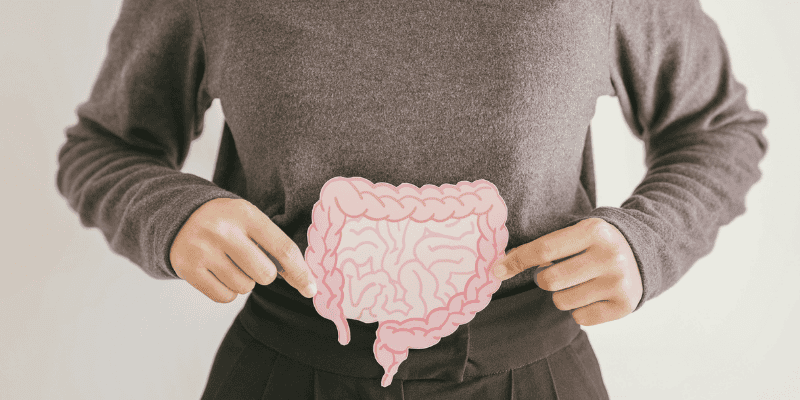
    The connection between menopause and stomach issues is deeply rooted in hormonal fluctuations, and it’s a frustrating reality for countless women. Menopause often causes stomach issues like bloating, constipation, diarrhoea, and abdominal pain due to hormonal changes that slow digestion, alter the gut microbiome, and increase intestinal permeability etc.

    This profound shift in your internal balance means that persistent puffiness, unpredictable bowel movements, and overall discomfort are now common complaints. It’s time to understand the science behind your menopause and tummy problems. In this guide, we will deep dive into the root causes, symptoms like bloating in menopause, and the specific solutions that can finally bring you relief.

    Why Menopause Affects Digestion

    If your gut feels like it’s operating in slow motion, it’s not a coincidence. The digestive distress you’re feeling is a direct result of the major hormonal shifts occurring in your body. It’s an internal revolution, and your gut is caught in the crossfire.

    How Hormonal Changes Affect the Gut

    The fluctuating and declining levels of estrogen and progesterone are the primary drivers of hormonal changes and digestive issues during this time. These hormones are not just reproductive; they are key players in the health and function of your entire gastrointestinal (GI) tract.

    • Slower Digestion: The decline in estrogen and progesterone directly impacts gut motility, the muscular contractions that move food through your system. When this process slows down, food stays in the stomach and colon longer. This leads to increased fermentation, causing excess gas, distention, and that persistent feeling of bloating in menopause.
    • Gut Microbiome Changes: Estrogen plays a vital role in maintaining the diversity and stability of your gut flora. As levels drop, the balance of bacteria shifts, affecting the menopause gut microbiome. An imbalance (dysbiosis) can impair nutrient absorption and increase the production of irritating compounds, leading to symptoms like both constipation and sudden diarrhea.
    • Increased Gut Permeability (Leaky Gut): Hormones help maintain the integrity of the intestinal lining. When this lining becomes compromised a state known as leaky gut menopause partially digested food particles and toxins can “leak” into the bloodstream. This triggers a mild but chronic inflammatory response that manifests as persistent abdominal discomfort and can exacerbate existing sensitivities.
    • Heightened Pain Sensitivity: Research suggests that hormonal shifts can also increase the sensitivity of the nerves lining the GI tract. This means that normal amounts of gas or mild contractions feel more intense and painful, heightening your overall abdominal discomfort.

    Common Stomach Issues During Menopause

    What You’re Really Feeling

    Let’s break down the specific menopause and stomach issues that often blindside women. From that never-ending puffiness to unpredictable bowel movements, these symptoms aren’t random; they’re linked directly to the hormonal cocktail of midlife.

    Persistent Puffiness: The Truth About Bloating in Menopause

    This is arguably the most common and frustrating symptom: that constant feeling of fullness and tightness. The feeling that your jeans fit perfectly in the morning, but are pinching by lunchtime. This feeling is not just water retention; it’s often excess gas combined with slower motility. 

    If you’re searching for answers on your chronic bloating in menopause, you now know it’s a physiological side effect of lower estrogen, causing slower food transit and fluid retention.

    The Unpredictable Gut: Constipation and Diarrhea with Menopause

    The digestive system becomes a temperamental thing during this transition. On one hand, many women struggle with constipation during menopause that classic slow-down caused by relaxed colon muscles. 

    On the other hand, the gut’s heightened sensitivity and stress can lead to sudden, unpredictable urgency, resulting in episodes of diarrhea with menopause. It’s a frustrating, high-low cycle that makes leaving the house feel like a risk.

    Sharp Discomfort: Menopause and Abdominal Cramps

    When things slow down or speed up unexpectedly, you feel it. Menopause and abdominal cramps are often reported as sharp, painful spasms, not just mild aches. This is caused by two factors: the colon struggling to move impacted waste, and the increased nerve sensitivity in the gut lining that makes typical contractions feel far more intense. The pain is real, and it’s a signal your digestive tract is under stress.

    Menopause and Flatulence: Shameful Wind

    Delayed food breakdown means that food is sitting longer in the colon, where it ferments more aggressively. The unfortunate result is excess gas. 

    If you’ve experienced a sudden increase in uncomfortable gas, you’re dealing with menopause and flatulence. It’s a natural, if unpleasant, consequence of a slower system.

    The Burn: Don’t Ignore Acid Reflux

    While less common than bloating, some women begin to experience frequent heartburn or acid reflux during this time. Slower overall digestion can mean stomach acid splashes back into the esophagus more easily. It’s another reminder that every part of the GI tract is affected by hormonal decline.

    What You Can Do to Relieve Symptoms

    The good news is that you don’t have to simply endure the discomfort of menopause and stomach issues. By making targeted, holistic adjustments, you can significantly improve your digestive health and quiet your symptoms.

    Smart Dietary Adjustments

    What you put in your body is your first line of defense against menopause and tummy problems.

    • Focus on Fiber: Increase your intake of soluble and insoluble fiber (whole grains, vegetables, and legumes) to bulk up stool and encourage regular bowel movements, fighting constipation in menopause.
    • Cut the Culprits: Reduce intake of processed sugar, refined carbohydrates, and artificial sweeteners. These foods feed the “bad” bacteria in your gut, exacerbating gas and inflammation.
    • Mindful Eating: Slow down when you eat. Chewing your food thoroughly is the first step in digestion and helps reduce the air swallowed, which contributes to menopause and flatulence.

    Targeted Probiotics

    Since hormonal changes and digestion can disrupt your gut flora, actively supporting your microbiome is essential.

    • Fermented Foods: Regularly consume foods rich in beneficial bacteria, such as yogurt, kefir, kimchi, and sauerkraut.
    • High-Quality Supplements: If dietary sources aren’t enough, consider high-quality probiotic supplements for menopause bloating. Look for products with diverse strains that specifically target gut motility and balance.

    Exercise & Movement

    Movement is a surprisingly powerful remedy for a sluggish gut.

    • Boost Motility: Low-to-moderate-intensity exercise, such as a daily brisk walk or yoga, acts as a natural massage for your intestines, physically stimulating motility and relieving gas.
    • Reduce Stress: Physical activity is one of the best ways to manage stress, which is a huge trigger for gut symptoms like menopause and abdominal cramps.

    Stay Hydrated

    It sounds simple, but staying properly hydrated is non-negotiable, especially for women battling constipation.

    • The Constipation Cure: Water works with fiber to keep stools soft and easy to pass. When you’re dehydrated, your body pulls water from your colon, making the problem worse. Drink water consistently throughout the day to support overall digestion.

    When to See a Doctor

    While many menopause and stomach issues can be managed through lifestyle adjustments, there are specific symptoms that warrant immediate medical attention. Taking prompt action ensures serious conditions are ruled out and that you receive the best possible care.

    You should consult your doctor immediately if you experience:

    • Severe or Persistent Pain: If you have intense menopause tummy pain or chronic menopause and abdominal cramps that do not respond to over-the-counter remedies.
    • Persistent Diarrhea or Constipation: If episodes of diarrhea with menopause or severe constipation menopause last longer than a week or significantly interfere with your daily life.
    • Worrying Symptoms: Any sign of blood in your stool, unexplained weight loss, or persistent nausea and vomiting. These are never normal and need immediate investigation.
    • Interference with Daily Life: If belly bloat and menopause symptoms, including menopause and flatulence, are causing you significant distress, anxiety, or preventing you from enjoying social activities.

    Remember, your doctor can conduct diagnostic tests to rule out conditions like Celiac disease, IBS, or other serious GI issues that can mimic hormonal digestive problems. Discussing options like HRT (Hormone Replacement Therapy) for digestive issues may also be a necessary step.

    Tuning In to Nature: How Natural Healing Haven Supports Menopausal Gut Relief

    While professional medical guidance is crucial for warning signs, a powerful, preventative, and restorative path lies in the principles of organic health. In Calgary, consulting a knowledgeable menopause guide can be transformative. By embracing a holistic treatment for menopause, you can incorporate plant-based, whole-food strategies including targeted supplements for menopause-related bloating as part of your journey to a natural healing haven.

    This approach maximizes the body’s innate ability to rebalance, promoting deep, sustainable relief from within. Taking charge of your health means understanding when to lean on nature and when to consult science, with Calgary-based guidance supporting every step of the process.

    Conclusion

    Digestive issues during menopause, whether it’s bloating, cramps, constipation, or unexpected bouts of diarrhea, are not just “in your head.” They’re the real, physiological result of hormonal changes that affect your gut as much as your mood or skin. But here’s the good news: you have options.

    Understanding how estrogen and progesterone influence digestion puts you in control. With small, consistent shifts like prioritizing fiber, taking probiotics, staying hydrated, and adding daily movement, you can create meaningful improvements in your gut health.

    And remember, tuning in to natural remedies during menopause and listening to your body doesn’t mean ignoring modern medicine. The smartest path is one that blends both: knowing when to lean on holistic, plant-based support, and when to consult your doctor for deeper investigations or treatments like HRT.

    So if your stomach has been sending out distress signals lately, don’t dismiss them. 

    Menopause may be a natural phase, but that doesn’t mean discomfort has to be. Relief is possible, and it starts with understanding, action, and support.

  • A 7-Day Gut Health Meal Plan

    A 7-Day Gut Health Meal Plan

    Imagine feeling vibrant, energetic, and radiant from the inside out. Your gut health holds the key. In fact, research shows that a balanced gut microbiome is linked to a stronger immune system, improved mental clarity, and even glowing skin. But when your gut is out of whack, it can feel like your whole body is suffering.

    7-Day Gut Reset Plan: Nourish Your Body, Revitalize Your Health

    Get ready to reboot your digestive system and kickstart a healthier you! This 7-day gut reset plan is designed to promote digestive health, reduce inflammation, and boost energy levels.

    DayBreakfastLunchDinnerSnack/Drink
    1Overnight oats and blueberriesLentil bowlGrilled salmon and spinachHerbal tea
    2Green smoothieChickpea saladVeggie stir-fryKombucha
    3Greek yogurt and nutsQuinoa with roasted vegetablesChicken and broccoliLemon water
    4Chia pudding with bananaBrown rice with tofuShrimp and zucchini noodlesGreen tea
    5Avocado toast on whole grainVegetable soupBaked cod and spinachAlmonds
    6Smoothie with kefirKale and lentil bowlSweet potato curryHerbal tea
    7Scrambled eggs with spinachQuinoa saladGrilled chicken and steamed greensChamomile tea

    This 7-day gut reset plan is a comprehensive program to support digestive health and overall well-being.

    The Food-Gut Connection

    The food you eat has a profound impact on your gut microbiome – the delicate balance of good and bad bacteria that live in your digestive system. When you fuel your body with whole, nutrient-dense foods, you’re giving your good bacteria the nourishment they need to thrive. 

    On the other hand, processed and sugary foods can disrupt this balance, leading to digestive issues, bloating, and a host of other problems.

    Reset, Restore, Revitalize

    That’s where a gut health reset plan comes in. By giving your gut a break from inflammatory foods and toxins, you can:

    – Detoxify your digestive system and eliminate waste

    – Reduce bloating and discomfort

    – Improve digestion and nutrient absorption

    – Boost your mood and energy levels

    – Glow from the inside out with healthier, more radiant skin

    In this article, we’ll explore our Gut Health Reset Meal Plan, including 3-day, 5-day, and 7-day plans to help you achieve optimal gut health and live the vibrant, healthy life you deserve.

    What to Include in Your Diet

    So, what foods should you be eating to support your gut health? Let’s dive in!

    Probiotics: The Good Bacteria Boosters

    Probiotics are the good bacteria that help keep your gut microbiome in balance. Include these probiotic-rich foods in your diet:

    – Yogurt: Rich in live cultures, yogurt supports digestive health and boosts immunity.

    – Kefir: A fermented milk drink that’s packed with probiotics and protein.

    – Kimchi: A spicy Korean fermented vegetable dish that’s a probiotic powerhouse.

    – Sauerkraut: Fermented cabbage that’s rich in vitamins, minerals, and probiotics.

    – Miso: A fermented soybean paste that’s a staple in Japanese cuisine.

    Prebiotics: The Fiber Feeds

    Prebiotics are non-digestible fibers that feed the good bacteria in your gut, helping them thrive. Include these prebiotic-rich foods in your diet:

    – Garlic: A natural prebiotic that supports gut health and immunity.

    – Onions: Rich in fiber and prebiotic compounds, onions are a gut-friendly addition to any meal.

    – Bananas: A convenient and delicious way to support your gut health.

    – Asparagus: A prebiotic-rich vegetable that’s perfect for salads, soups, and stir-fries.

    – Oats: A fiber-rich grain that’s gentle on the gut and supports digestive health.

    Fiber Sources: The Digestive Superstars

    Fiber is essential for healthy digestion and a balanced gut microbiome. Include these fiber-rich foods in your diet:

    – Chia seeds: A rich source of omega-3s and fiber, chia seeds support digestive health and satiety.

    – Flaxseeds: Rich in fiber and omega-3s, flaxseeds are a gut-friendly addition to smoothies and baked goods.

    – Lentils: A fiber-rich legume that’s perfect for soups, stews, and curries.

    – Leafy greens: Spinach, kale, and collard greens are all rich in fiber and antioxidants.

    Anti-Inflammatory Powerhouses

    Chronic inflammation can wreak havoc on your gut health. Include these anti-inflammatory foods in your diet:

    – Turmeric: A powerful anti-inflammatory spice that’s perfect for curries and soups.

    – Ginger: A natural anti-inflammatory that soothes digestive issues and supports gut health.

    – Olive oil: Rich in anti-inflammatory compounds, olive oil is a healthy addition to any meal.

    – Berries: Packed with antioxidants and anti-inflammatory compounds, berries are a delicious way to support gut health.

    Hydration Boosters

    Staying hydrated is essential for digestive health and a balanced gut microbiome. Include these hydration-boosting foods in your diet:

    – Lemon water: A refreshing and detoxifying drink that supports digestive health.

    – Herbal teas: Peppermint, chamomile, and ginger tea are all gut-friendly options that promote relaxation and digestive health.

    By incorporating these foods into your diet, you’ll be supporting your gut health and leading a vibrant, healthy life.

    Foods to Avoid for a Healthier Gut

    While incorporating gut-friendly foods is essential, it’s equally important to limit or avoid foods that can disrupt your gut health. Here are some common culprits to watch out for:

    1. Processed Foods

    Processed foods often contain artificial additives, preservatives, and unhealthy fats that can harm your gut microbiome. Limit foods like packaged snacks, frozen meals, and processed meats.

    2. Refined Sugar

    Consuming high amounts of refined sugar can lead to an imbalance of gut bacteria and contribute to digestive issues. Try to limit sugary drinks, baked goods, and sweets.

    3. Fried Items

    Fried foods are often high in unhealthy fats that can irritate the gut lining and cause inflammation. Opt for baked, grilled, or steamed options instead.

    4. Alcohol and Caffeine

    Both alcohol and caffeine can disrupt the balance of gut bacteria and cause digestive issues like bloating and discomfort. Enjoy them in moderation or consider alternatives.

    5. Dairy (for sensitive individuals)

    Some people may experience digestive issues due to lactose intolerance or sensitivity to certain dairy proteins. If you’re sensitive, consider limiting or avoiding dairy products or opting for lactose-free or non-dairy alternatives.

    By being mindful of these foods and limiting your intake, you can support your gut health and overall well-being.

    3-Day Gut Reset Plan: Nourish Your Body, Revitalize Your Health

    Get ready to reboot your digestive system and kickstart a healthier you! This 3-day gut reset plan is designed to promote digestive health, reduce inflammation, and boost energy levels.

    DayBreakfastLunchDinnerSnack/Drink
    1Overnight oats with chia seeds and berriesLentil salad with spinach and olive oilGrilled salmon with steamed broccoliHerbal tea, almonds
    2Green smoothie with spinach and flaxseedsQuinoa bowl with chickpeas and avocadoStir-fried veggies with tofuKombucha, apple slices
    3Greek yogurt with walnuts and bananaBrown rice with mixed vegetablesBaked chicken and roasted sweet potatoesGreen tea, carrot sticks

    This meal plan incorporates gut-friendly foods, fiber-rich ingredients, and healthy fats to support digestive health and reduce inflammation. Stay hydrated and listen to your body!

    5-Day Gut Reset Plan: Nourish Your Body, Revitalize Your Health

    Get ready to reboot your digestive system and kickstart a healthier you! This 5-day gut reset plan is designed to promote digestive health, reduce inflammation, and boost energy levels.

    DayThemeBreakfastLunchDinnerSnack/Drink
    1Refresh and RenewOatmeal with flaxseeds and berriesQuinoa salad with chickpeasBaked salmon and asparagusHerbal tea
    2Rebalance and RestoreSmoothie with kefir and spinachLentil soup with greensGrilled tofu and roasted carrotsNuts and an apple
    3Heal and NourishScrambled eggs with avocadoBrown rice and veggiesChicken stew with turmericGinger tea
    4Revitalize and RechargeGreek yogurt and chia seedsVeggie wrap with hummusStir-fried prawns and broccoliHerbal tea
    5Renew and RefreshGreen smoothieSweet potato bowl with kaleVegetable soup with quinoaPeppermint tea

    This 5-day gut reset plan is a comprehensive program to support digestive health and overall well-being.

    The Full Potential of Supporting Habits During Reset

    As you begin on your gut reset journey, it’s essential to support your body with healthy habits that foster a thriving digestive system. By incorporating these simple yet powerful habits, you’ll be amazed at how your body can heal, recharge, and transform.

    Hydrate Your Way to Better Digestion

    Drink at least 8+ glasses of water per day to help your body flush out toxins, absorb nutrients, and support the growth of beneficial gut bacteria. Make hydration a priority, and watch your digestive health flourish!

    Get Moving, Feel the Energy

    Incorporate light exercise like yoga or walking into your daily routine to stimulate digestion, boost energy, and support overall well-being. Regular physical activity can help regulate bowel movements, reduce stress, and promote a healthy gut-brain axis.

    Give Your Gut a Break

    Avoid late-night eating to give your digestive system a chance to rest and recharge. By allowing your body to focus on repair and rejuvenation, you’ll support a restful night’s sleep and wake up feeling refreshed and revitalized.

    Sleep Your Way to Better Gut Health

    Prioritize 7-8 hours of sleep per night to support the health and function of your gut. During sleep, your body repairs and regenerates tissues, builds bone and muscle, and strengthens your immune system.

    Post-Reset Transition: Maintaining Momentum for Long-Term Success

    You’ve reached a significant milestone in your gut health journey. Now it’s time to transition back to a more varied diet while maintaining the progress you’ve made.

    Gradually Reintroduce Restricted Foods

    Take a thoughtful approach to reintroducing restricted foods. Start with small amounts to test your tolerance and assess how your body reacts. This will help you identify any potential sensitivities or intolerances and make informed decisions about your diet.

    Maintain a Balanced, High-Fiber Diet

    Continue to prioritize whole, nutrient-dense foods that support digestive health and overall well-being. A balanced diet rich in fiber from fruits, vegetables, and whole grains especially good fruits for gut health like apples, bananas, and berries will help you maintain optimal gut function.

    Fermented Foods: A Gut-Friendly Staple

    Make fermented foods a regular part of your diet. Foods like kimchi, sauerkraut, and kefir contain probiotics that support the growth of beneficial gut bacteria and promote a healthy gut microbiome.

    These are some of the best foods for gut health, helping to improve digestion and overall well-being.

    Sustain Your Progress

    To maintain the benefits of your gut reset, focus on whole foods and limit your intake of processed and packaged foods. By making informed choices, you’ll support long-term digestive health and overall well-being.

    By following these guidelines, you’ll be well-equipped to maintain a healthy gut and enjoy the benefits of your gut reset for the long term.

    Where You Should Go for Guidance on Healing Your Gut Naturally

    If you’re in Calgary and struggling with low energy, bloating, or poor digestion, it’s time to consider a consultation with a Gut Health Natural Practitioner or a nutritionist. A structured plan like the Gut Reset Meal Plan isn’t just a trendy detox; it’s a science-backed strategy to rebalance your microbiome, reduce inflammation, and restore vitality.

    At Natural Healing Haven in Calgary, you’ll find personalized guidance that bridges modern nutritional science with time-tested healing practices. Whether you’re looking for a 3-day kickstart or a full 7-day reset, a professional consultation ensures your journey is tailored to your unique body, lifestyle, and long-term wellness goals.

    Conclusion

    Resetting your gut health is a journey, not a destination. By incorporating the habits and strategies outlined in this guide, you’ll be well on your way to achieving optimal digestive health and overall well-being. Remember to listen to your body, stay hydrated, and nourish your gut with whole, nutrient-dense foods. With patience, persistence, and the right approach, you can say goodbye to digestive discomfort and hello to a happier, healthier you.

    Take the first step towards a healthier gut and a happier life. Begin your gut reset journey now and discover the transformative power of optimal digestive health.

    FAQS

    How often should I do a gut reset?

    A gut reset can be beneficial every 3 to 6 months, depending on your lifestyle and how your body feels. If you’re experiencing symptoms like frequent bloating, sluggish digestion, low energy, or skin flare-ups, it’s a good time to consider a reset. Think of it as a seasonal tune-up for your digestive system to keep things functioning optimally.

    Can I drink coffee during the reset?

    While a small amount of black coffee might be tolerated by some, it’s generally recommended to limit or avoid it during a gut reset. Coffee can be acidic and irritating to the gut lining, especially if you’re dealing with inflammation or imbalance. Instead, opt for herbal teas like chamomile, peppermint, or ginger, which are soothing and gut-friendly alternatives.

    Are gut reset plans safe for everyone?

    Gut reset plans are typically safe for most people, especially when based on whole, nutrient-rich foods. However, individuals with chronic health conditions, pregnant or breastfeeding women, or those on medication should consult with a healthcare provider before starting any reset. Personalizing the plan based on individual needs is essential for safety and effectiveness.

    What are the signs my gut is improving?

    As your gut begins to heal, you may notice a variety of positive changes. These include more regular and comfortable bowel movements, reduced bloating and gas, increased energy, clearer skin, better focus, and even improved mood. Over time, fewer food sensitivities and stronger immunity are also signs of a thriving gut.

    Can I combine supplements with this plan?

    Yes, combining certain supplements like high-quality probiotics, digestive enzymes, or prebiotics can enhance the benefits of a gut reset. However, it’s important to choose the right products and dosages. Consulting a nutritionist or holistic health expert can help ensure that supplements complement the reset rather than overwhelm your system.

    How do you reset your entire gut?

    Resetting your gut involves a comprehensive approach: remove inflammatory and processed foods, focus on eating whole, fiber-rich, and probiotic-containing meals, drink plenty of water, reduce stress, prioritize sleep, and move your body regularly. Supporting your microbiome through consistent habits is key to long-term digestive wellness.

  • Top 10 Gut-Friendly Foods for a Healthy Stomach

    Top 10 Gut-Friendly Foods for a Healthy Stomach

    Did you know that your gut is home to trillions of microorganisms that play a vital role in your overall health? The gut microbiome is a complex ecosystem that influences various aspects, including digestion, immunity, mood, and cognitive function.

    When your gut is out of balance, it can lead to a range of problems, from bloating and abdominal pain to fatigue, skin issues, and even chronic diseases.

    The connection between gut health and overall well-being is profound. Research has shown that an imbalance of gut bacteria, also known as dysbiosis, can contribute to conditions like irritable bowel syndrome (IBS), inflammatory bowel disease (IBD), and even mental health disorders like anxiety and depression.

    But that’s the good news: food choices can dramatically improve gut function and overall health. By incorporating gut-friendly foods into your diet, you can support the growth of beneficial bacteria, raise your immune system, and even improve your mental clarity and mood.

    In this article, we’ll explore the top foods for gut health, including probiotic-rich foods, prebiotic-rich foods, and other gut-friendly options.

    We’ll also discuss how to incorporate these foods into your diet and provide tips for maintaining a healthy gut microbiome.

    Let’s get started on the path to a happier, healthier gut!

    1. Yogurt

    – Description: Yogurt is a fermented dairy product containing live cultures and probiotics that support gut health.

    – Benefits: Supports digestion, boosts the immune system, and promotes gut health by introducing beneficial bacteria into the gut.

    – How to include it in your diet: Enjoy yogurt as a snack, add it to smoothies, or use it as a base for sauces and dips. Choose plain, unflavored yogurt to avoid added sugars.

    2. Kefir

    – Description: Kefir is a fermented milk drink packed with diverse probiotics that support gut health and boost the immune system.

    – Benefits: Supports gut health, boosts the immune system, and promotes digestive balance by introducing beneficial bacteria into the gut.

    – How to include it in your diet: Drink kefir as a beverage, use it in smoothies, or as a substitute for yogurt. Kefir can be consumed plain or flavored with fruits or spices.

    3. Sauerkraut

    – Description: Sauerkraut is fermented cabbage rich in lactic acid bacteria that support gut health and boost the immune system.

    – Benefits: Supports gut health, boosts the immune system, and promotes digestive balance by introducing beneficial bacteria into the gut.

    – How to include it in your diet: Add sauerkraut to salads, sandwiches, or use it as a side dish. Choose unpasteurized sauerkraut to ensure it contains live cultures.

    4. Kimchi

    – Description: Kimchi is a spicy Korean superfood loaded with probiotics and vitamins that support gut health and boost the immune system.

    – Benefits: Supports gut health, boosts the immune system, and promotes anti-inflammatory responses by introducing beneficial bacteria into the gut.

    – How to include it in your diet: Use kimchi as a condiment, add it to stir-fries, or mix it into soups. Kimchi can be made with a variety of ingredients, including vegetables, seafood, and spices.

    5. Kombucha

    – Description: Kombucha is a fermented tea with natural probiotics and antioxidants that support gut health and boost the immune system.

    – Benefits: Supports gut health, boosts the immune system, and promotes detoxification by introducing beneficial bacteria into the gut.

    – How to include it in your diet: Drink kombucha as a beverage, or use it as a base for cocktails. Choose unpasteurized kombucha to ensure it contains live cultures.

    6. Garlic

    – Description: Garlic is a natural prebiotic that supports healthy gut bacteria growth and boosts the immune system.

    – Benefits: Supports gut health, boosts the immune system, and promotes antimicrobial responses by feeding beneficial bacteria in the gut.

    – How to include it in your diet: Add garlic to sauces, soups, or use it as a flavor enhancer. Garlic can be consumed raw or cooked.

    7. Bananas

    – Description: Bananas contain resistant starch and inulin that nourish good bacteria and support gut health.

    – Benefits: Supports gut health, promotes digestive balance, and provides essential nutrients like potassium and vitamins.

    – How to include it in your diet: Enjoy bananas as a snack, add them to smoothies, or use them in baked goods. Choose ripe bananas for easier digestion.

    8. Oats

    – Description: Oats are high in beta-glucans and prebiotic fiber that support gut health and promote digestive balance.

    – Benefits: Supports gut health, promotes digestive balance, and provides sustained energy by feeding beneficial bacteria in the gut.

    – How to include it in your diet: Enjoy oatmeal for breakfast, add oats to smoothies, or use them in baked goods. Choose rolled oats or steel-cut oats for the most nutritional benefits.

    9. Leafy Greens

    – Description: Leafy greens are a source of fiber and plant compounds that support microbial diversity and promote gut health.

    – Benefits: Supports gut health, promotes digestive balance, and provides essential nutrients like vitamins and minerals.

    – How to include it in your diet: Add leafy greens to salads, smoothies, or sauté them as a side dish. Choose a variety of leafy greens like kale, spinach, and collard greens.

    10. Almonds

    – Description: Almonds promote the growth of beneficial gut bacteria and support metabolism.

    – Benefits: Supports gut health, promotes satiety, and provides essential nutrients like healthy fats and protein.

    – How to include it in your diet: Enjoy almonds as a snack, add them to oatmeal or yogurt, or use them in baked goods. Choose unsalted almonds to avoid excess sodium.

    Incorporating these gut-friendly foods into your diet can have a significant impact on your overall health and well-being. By making these foods a part of your daily routine, you can support your gut health and promote a happy, healthy gut.

    Want to Improve Your Gut Health?

    A healthy gut is the foundation of overall well-being, playing a crucial role in maintaining a strong immune system, regulating digestion, and even supporting mental health. When your gut microbiome is out of balance, it can lead to issues like bloating, abdominal discomfort, fatigue, skin problems, and increased stress levels.

    For residents of Calgary and across Canada, there are many natural ways to nourish and support gut health. Incorporating gut-friendly foods into your diet such as fermented vegetables, whole grains, and omega-3-rich fish can promote a balanced gut microbiome. Staying hydrated, managing stress, and engaging in regular physical activity are also important steps in supporting digestive health and overall wellness.

    Calgary, known for its vibrant food scene and access to fresh Canadian produce, offers many opportunities to explore gut-friendly nutrition. Local markets and health food stores make it easy to find fermented foods, whole grains, and other probiotic-rich options to support your digestive system.

    If you’re serious about improving your gut health in Calgary, consulting a Gut Health Natural Practitioner can provide personalized guidance. Organizations like Natural Healing Haven offer valuable information and practical tips on gut health, nutrition, and wellness specifically for Canadians.

    Conclusion

    In conclusion, prioritizing gut health is essential for achieving optimal overall well-being. By understanding the importance of gut health and incorporating natural approaches such as gut-friendly foods, probiotics, and stress management techniques, individuals can take control of their health and unlock a happier, healthier life.

    With resources like Natural Healing Haven, individuals can access valuable information and practical tips to support their journey towards optimal gut health and overall wellness. By making informed choices and prioritizing gut health, individuals can reap the benefits of improved digestion, strengthened immunity, and enhanced mental well-being, leading to a more vibrant and fulfilling life.

    By investing in gut health, individuals can experience a profound impact on their overall quality of life, from increased energy and vitality to improved mental clarity and a stronger immune system. By taking the first step towards prioritizing gut health, individuals can embark on a journey towards optimal wellness and open their full potential.

    FAQS 

    Q: What are the best drinks for gut health?

    A: Water, kefir, kombucha, and herbal teas like peppermint and ginger are excellent for gut health.

    Q: How long does it take to improve gut health through diet?

    A: Noticeable improvements can occur within 1-4 weeks, but significant changes may take 3-6 months.

    Q: Can gut health affect weight loss and mood?

    A: Yes, a healthy gut microbiome supports weight management and produces neurotransmitters that regulate mood.

    Q: Are probiotic supplements necessary if you eat fermented foods?

    A: Not always. Fermented foods like yogurt, sauerkraut, and kimchi provide beneficial probiotics, but supplements can be helpful in certain cases, such as digestive issues or after antibiotics. Consult a healthcare professional for personalized advice.

  • The Secret Fruits Good For Gut Health A Quick Guide 

    The Secret Fruits Good For Gut Health A Quick Guide 

    “Let food be thy medicine and medicine be thy food.”Hippocrates

    Are You Tired of the Bloat and the Brain Fog?

    Let’s face it: dealing with a cranky digestive system isn’t just uncomfortable, it’s exhausting. Maybe you’ve tried all the yogurt, choked down supplements, and yet you still feel that tell-tale sluggishness. You’re constantly battling unpredictable energy dips, that persistent bloating after meals, or the sheer frustration of irregularity.

    It’s more than just a stomach issue; it can impact your focus, your mood, and your ability to enjoy life to the fullest. If your gut isn’t happy, you certainly won’t be.

    But what if the solution to a lighter, more energetic you was simpler and much more delicious than another complicated cleanse?

    The Secret Weapon is Already in Your Fruit Bowl

    Your gut, home to trillions of beneficial bacteria, is the command center of your well-being. It influences everything from nutrient absorption and immune function to, believe it or not, your mental clarity. Maintaining a successful, balanced gut flora isn’t a luxury; it’s a fundamental necessity for a vibrant life.

    And the single most impactful way to nourish this internal ecosystem? Your diet.

    While many foods can disrupt the delicate balance, others are powerful allies. That’s where nature’s candy comes in. Forget the synthetic powders and confusing regimens for a moment.

    We’re talking about the natural, vibrant, and incredibly effective power of fruits. Packed with fiber, prebiotics, and essential nutrients, fruits aren’t just a sweet treat; they are a targeted, delicious therapy designed to feed the good guys in your gut.

    Ready to discover which juicy allies can transform your digestive health? Let’s jump in.

    Best Fruits for Gut Health

    1. Bananas: The Gentle Gut Soother

    Often overlooked for its simplicity, the humble banana is a superstar for digestive health, especially for those with sensitive stomachs.

    Soothing & Gentle: If you’re prone to digestive discomfort or recovering from a flare-up, bananas are incredibly easy on the stomach lining, making them a cornerstone of any gentle or recovery diet.

    Microbiome Fuel (Prebiotics): Beyond basic fiber, bananas are an excellent source of inulin, a powerful prebiotic. This means they are non-digestible by you, but they are prime food for your beneficial gut bacteria, helping to nourish, grow, and strengthen your entire microbiome.

    The Mobility Helper: Their soft texture and balanced fiber content help bulk up stool and support consistent, healthy bowel movements.

    2. Apples: The Detoxifying Powerhouse

    An apple a day…” holds true, especially when considering gut vitality. Apples are much more than just a crunchy snack; they are a targeted source of fiber that works wonders from start to finish in your digestive tract.

    Pectin Power: Apples are famously rich in pectin, a form of soluble fiber. When consumed, pectin forms a gel-like substance in the digestive tract. This gel is critical for slowing digestion, helping to regulate blood sugar, and, most importantly, acting as a binder that aids in the gentle removal of waste.

    Natural Detox Support: By binding to toxins and waste products in the colon, the pectin in apples assists the body’s natural detoxification pathways, ensuring smoother transit and reduced toxic load.

    Motility and Cleansing: The combination of soluble and insoluble fiber makes apples highly effective at improving overall gut motility, helping things move along efficiently and preventing the stagnation that can lead to discomfort and bloat.

    3. Berries (Blueberries, Strawberries, Raspberries): The Protectors

    These vibrant little gems are nature’s antioxidants, but their benefits for the gut are truly next-level. Berries are significant for both protection and diversity within your internal ecosystem.

    Polyphenol Power: Berries are loaded with polyphenols, powerful compounds that don’t just fight free radicals; they also actively work to protect the delicate lining of the gut. This protective effect helps maintain the integrity of the intestinal barrier (major for “leaky gut” concerns).

    The Diversity Booster (Clinical Note): Experts frequently recommend a high intake of mixed berries for those showing signs of low microbial diversity. Polyphenols act as fuel for specialized bacteria, helping to broaden the types and numbers of beneficial flora in the colon.

    4. Citrus Fruits (Oranges, Grapefruit, Lemons): The Stimulating Cleansers

    Beyond their zesty flavor, citrus fruits offer a foundational support system for both gut function and immune health.

    Immunity and the Gut: The high dose of Vitamin C found in oranges and grapefruits is not just for fighting colds. Since a significant portion of your immune system resides in your gut, Vitamin C is vital for supporting the intestinal barrier and ensuring a robust gut-immune connection.

    Gentle Stimulants: The natural acids and fiber in citrus act as gentle digestive stimulants. Starting your day with lemon water or having an orange post-meal can help encourage the secretion of digestive juices, prepping the system for smooth processing.

    5. Kiwi: The Constipation Fighter

    Often prescribed specifically for regularity, the unassuming kiwi is a surprisingly powerful tool for managing bowel movement frequency.

    Better Bowel Movement Frequency: Multiple studies have confirmed that consuming two kiwis daily can significantly improve the speed and ease of stool transit, making it a reliable, drug-free solution for mild constipation.

    The Enzyme Advantage: Kiwi contains a unique natural digestive enzyme called actinidin. This enzyme helps break down proteins more efficiently, reducing the burden on the stomach and small intestine. It is highly recommended in cases of slow or sluggish digestion where food tends to sit heavily.

    6. Papaya & Pineapple: The Protein Digestion Duo

    If you suffer from that heavy, weighed-down feeling after eating a protein-rich meal (like steak or chicken), these tropical fruits are your new best friend. They contain specific enzymes that work outside of your body’s own system.

    Papain Power: Papaya contains papain, an enzyme that specifically targets and helps break down complex protein structures.

    Bromelain Lift: Pineapple provides bromelain, an enzyme renowned for its anti-inflammatory properties and its role in protein digestion.

    Targeting Sluggishness: For patients experiencing post-meal bloating, gas, or fullness due to slow protein breakdown, incorporating a small amount of fresh papaya or pineapple immediately after a meal can provide direct enzymatic support, leading to a much lighter, more comfortable digestion experience.

    Other Gut-Friendly Fruits to Keep in Rotation

    While the superstars get the spotlight, don’t overlook these incredible supporting actors that offer unique benefits to your digestive tract:

    Pears: An outstanding source of both soluble and insoluble fiber, pears help regulate bowel movements and support satiety.

    Pomegranates: These jewel-toned seeds are loaded with antioxidants that can reduce inflammation, which is key to a calm and happy gut environment.

    Figs: A traditional and highly effective natural laxative, fresh or dried figs are excellent for promoting regularity due to their dense fiber content.

    Mangoes: Like pineapple and papaya, mangoes contain several digestive enzymes that assist the body in breaking down food efficiently, reducing the chance of post-meal heaviness.

    Practice Tip: Involve the Seasons

    To truly optimize your gut health, follow the principle of rotation: eat a variety of fruits and rotate them seasonally.

    This not only ensures you get a wide spectrum of nutrients and fibers, but it also helps prevent potential sensitivities that can arise from eating the exact same foods daily. Variety is the spice and the secret to microbial diversity.

    How to Incorporate Fruits for Maximum Gut Benefit

    Knowing which fruits to eat is only half the battle; knowing how to eat them matters just as much!

    Whole Fruits vs. Juices

    Recommendation: Stick to whole fruits. When you juice a fruit, you strip away most of the essential fiber, leaving behind a concentrated sugar load. The fiber in whole fruits is what delivers the prebiotic benefit and provides satiety (that feeling of fullness). For your gut, the crunch is better than the sip.

    The Power of Synergy

    Maximize your gut-healing efforts by pairing these fruits with foods that are already rich in probiotics (the actual good bacteria):

    Fruit FocusProbiotic PairingResulting Synergy
    Bananas or BerriesKefir or Plain YogurtProvides prebiotics (fruit) to feed the probiotics (dairy/non-dairy), boosting colony strength.
    Apples or PearsFermented Vegetables (e.g., sauerkraut)Combines detoxifying fiber with live cultures for enhanced cleansing and restoration.

    Patient-Friendly Serving Ideas

    • The Gut-Healing Smoothie: Blend a banana (for creaminess and prebiotics), a handful of berries (for polyphenols), spinach, and a scoop of plain kefir.
    • Healing Fruit Bowls: Layer chopped kiwis, apples, and pomegranate seeds over plain Greek yogurt or coconut yogurt.
    • Herbal-Fruit Infusions: Add slices of lemon and ginger to warm water or a gentle herbal tea to create a digestive stimulant that tastes great.

    Fruits to Limit or Be Cautious With

    Not all seemingly healthy foods are kind to every gut, especially if you’re dealing with a diagnosed digestive condition.

    The Sugar Trap of Dried Fruits

    Limit dried fruits like raisins, dates, and dried cranberries. While they contain fiber, the dehydration process concentrates their natural sugars immensely. This high sugar load can sometimes be rapidly fermented by gut bacteria, which can trigger uncomfortable symptoms like gas, bloating, or diarrhea. It’s better to stick to a small amount as an occasional treat.

    High-FODMAP Caution

    If you have been diagnosed with Irritable Bowel Syndrome (IBS), certain typically healthy fruits may cause significant discomfort. These are fruits high in FODMAPs (Fermentable Oligosaccharides, Disaccharides, Monosaccharides, and Polyols), which are poorly absorbed carbohydrates.

    Fruits to approach with caution if you have IBS:

    • Apples (due to fructose/polyols)
    • Watermelon
    • Cherries

    Health Caution: Gut health is highly individual. If you suspect specific foods are triggering your symptoms, individual food sensitivity testing is often advised before implementing restrictive diets like low-FODMAP.

    Work with a practitioner to personalize your fruit choices, ensuring the foods you eat are helping, not hurting, your journey to digestive peace.

    Ready to Ditch the Bloat? Partner with Natural Healing Haven.

    Navigating the complexities of gut health shouldn’t be stressful. While nature provides incredible allies like enzymatic pineapple and prebiotic banana, understanding how to apply these insights to your unique body is the key to real results. That’s where Natural Healing Haven, serving Calgary and communities across Canada, can help.

    Going beyond generic lists, we act as your trusted Gut Health Natural Practitioner team, offering personalized guidance to identify the root causes of digestive discomfort.

    We help you create a sustainable, delicious, and science-backed diet plan that leverages the power of accessible, gut-friendly foods. By transforming the overwhelming noise of diet advice into a clear, actionable path, we guide you toward a thriving, healthy gut.

    Conclusion

    “The greatest wealth is health.” – Virgil

    You’ve seen the powerful potential locked within your fruit bowl. From the prebiotic comfort of the banana to the detoxifying fiber of the apple and the protective polyphenols of berries, nature has provided a delicious, vibrant toolkit for gut wellness.

    Taking control of that persistent bloat, irregularity, and energy slump doesn’t require complex chemistry it simply requires smart, mindful choices. Remember to prioritize whole fruits over juices, involve seasonal rotation, and always listen closely to your body’s unique signals.

    While this foundational knowledge is powerful, moving from information to true healing requires a personalized map. Ready to stop just managing your symptoms and finally achieve complete, lasting digestive harmony? Your next step toward true wellness awaits.

  • The 10 Unmistakable Signs of Bad Gut Health

    The 10 Unmistakable Signs of Bad Gut Health

    Think of your gut, or digestive system, not just as a place where food is processed, but as the body’s second brain and command center. At its core is the gut microbiome, a complex, bustling universe of trillions of microorganisms, including a delicate balance of good bacteria and bad bacteria, collectively known as gut flora. When this ecosystem is thriving, it’s called digestive wellness, and it’s the foundation of your holistic health.

    But when the scales tip, and the bad bacteria overpower the good bacteria, you enter a state of dysbiosis or digestive imbalance. This isn’t just a stomach issue; it’s a systemic problem. An unhealthy gut can lead to a host of problems that extend far 1beyond the bathroom, affecting everything from your Intestinal health and mood (gut-brain axis) to your skin and immune system. Poor gut health essentially puts a drag on your entire body.

    If you’ve been feeling “off” and wondering what’s causing it, your gut is likely trying to send you signals.

    Ready to find out what those early signs of gastrointestinal disease or imbalance are?

    We’ve broken down the 10 most common and essential symptoms of poor digestion and signs of an unhealthy gut to help you understand your body and start your journey toward restoring that vital microbiota diversity.

    If you frequently experience any of these unhealthy gut symptoms, it’s a clear indication that your gut health needs attention.

    Sign #1: Frequent Bloating or Gas

    This is one of the most common signs of bad gut health. If you’re constantly dealing with painful, distended bloating or excessive flatulence, it’s often a sign of bad bacteria in the stomach. These microbes produce excessive gas as they ferment food that your small intestine hasn’t properly digested, leading to consistent symptoms of poor digestion.

    Sign #2: Irregular Bowel Movements

    Chronic constipation, chronic diarrhea, or alternating between the two are definite signs of poor digestion. This inconsistency often signals a gut syndrome where the flora is imbalanced, preventing the rhythmic, healthy movement of waste through the digestive system.

    Sign #3: Unexplained Fatigue or Low Energy

    Did you know your gut flora produces B vitamins and helps regulate energy? If you’re experiencing chronic fatigue, despite getting enough sleep, it could be one of the subtle symptoms of gut imbalance. An unhealthy gut prevents proper nutrient absorption, leaving you constantly depleted.

    Sign #4: Skin Problems (Acne, Eczema, Rashes)

    When the gut lining becomes permeable, a condition known as Leaky gut, toxins and undigested food particles can enter the bloodstream. The skin often tries to detoxify these compounds, leading to flare-ups of conditions like eczema, rosacea, or persistent acne. This highlights the deep connection between Intestinal health and your outward appearance.

    Sign #5: Food Intolerances or Sensitivities

    If certain foods, like dairy or gluten, suddenly start causing digestive distress (bloating, cramps, diarrhea), it can be an unhealthy gut flora symptom. A compromised gut lining and lack of good bacteria make it harder for your body to fully break down specific components, triggering uncomfortable reactions.

    Sign #6: Frequent Illness or Weakened Immunity

    Up to 70% of your immune system resides in your gut. If your gut microbiome lacks microbiota diversity, your defense mechanisms are weakened. Finding yourself constantly catching colds or viruses is one of the important early signs of gastrointestinal disease and poor overall resistance.

    Sign #7: Mood Swings, Anxiety, or Depression

    This links directly to the gut-brain axis. Your gut produces about 90% of the body’s serotonin, a key neurotransmitter for mood. Dysbiosis disrupts this production, making mental health issues, including generalized anxiety and mood swings, a significant indicator of an unhealthy digestive system.

    Sign #8: Sugar Cravings and Poor Appetite Control

    The bad bacteria in your gut literally “crave” sugar and simple carbs to survive. When these undesirable microbes dominate, they send signals to your brain that result in intense, hard-to-control sugar cravings, a clear sign of microbial control and gut imbalance.

    Sign #9: Unexplained Weight Gain or Loss

    Your gut impacts how you store fat, how you absorb nutrients, and how you regulate hormones that control appetite. A sudden or chronic inability to manage weight can often be traced back to poor gut health and systemic inflammation.

    Sign #10: Bad Breath or Metallic Taste

    Halitosis (bad breath) that isn’t solved by brushing or a persistent metallic or sour taste is often a sign of fermentation issues or putrefaction in the digestive system, where the byproducts of bad bacteria create foul-smelling gases that are released through the breath.

    Restoring Your Digestive Wellness

    Recognizing the signs of an unhealthy gut is the first step toward reclaiming your holistic health. The key is to nurture your good bacteria and rebuild your microbiota diversity. Incorporating quality Probiotics and prebiotics can be highly effective in restoring digestive wellness and combating the effects of dysbiosis.

    When to Seek Professional Help

    While many of these symptoms of poor digestion can be managed with diet and lifestyle changes, you should consult a Gut Health Natural Practitioner if you experience:

    • Blood in stool.
    • Sudden, severe, or unrelenting abdominal pain.
    • Unexplained weight loss.
    • Persistent vomiting.
    • Symptoms that severely disrupt your daily life.

    Don’t ignore the signals your gut is sending you; your long-term health depends on it!

    How Natural Healing Haven Helps You Heal Your Gut Naturally

    Natural Healing Haven, based in Calgary, Canada, is dedicated to helping you reclaim your health by restoring the delicate balance of your gut microbiome through natural, holistic methods.

    Recognizing that a healthy gut is the cornerstone of overall wellness, they provide personalized wellness plans, expert guidance on probiotics and prebiotics, and nutrition advice tailored to support digestive balance using foods and practices accessible to Canadians in Calgary and beyond.

    By educating you on the early signs of gut imbalance, such as bloating, fatigue, and mood swings, Natural Healing Haven empowers you to take proactive steps toward digestive wellness. Their mission is to nurture your gut flora naturally, strengthen your immune system, and promote lasting holistic health so you can feel your best from the inside out, right here in Calgary, Canada.

    Conclusion:

    The Takeaway from Your Gut is Your Guide

    The constant discomfort, mysterious fatigue, and frustrating mood swings are not things you simply have to “live with.” These 10 unmistakable signs of bad gut health from chronic bloating and bad digestion symptoms to the connection between your gut and your brain via the gut-brain axis are your body’s clear signal that it needs support.

    By recognizing these unhealthy gut symptoms, you can move past just treating surface-level discomfort and start addressing the root cause: the microbial imbalance known as dysbiosis within your gut microbiome. Focusing on nurturing your good bacteria with proper Probiotics and prebiotics is the most powerful tool you have to re-establish microbiota diversity.

    Prioritize your Intestinal health today, and you will unlock comprehensive digestive wellness that transforms your holistic health for the better. Start listening to your gut; it holds the key to feeling your best.

  • Top 18 Herbs for Gut Health

    Top 18 Herbs for Gut Health

    Feeling sluggish after meals or dealing with occasional bloating? You’re not alone. The ancient wisdom of herbalism offers a wealth of support for the body’s most foundational system. If you’re searching for herbs for good digestion or natural ways to maintain balance, the answer might be growing in your garden.

    Modern research increasingly points to the serious connection between digestion and overall well-being. This is why more people are looking beyond simple remedies and seeking powerful herbs for gut health. But what exactly can nature do? We’re going to explore the best natural allies, not just remedies, but vital support for the entire gastrointestinal tract.

    We’ll jump into specific herbs that aid digestion, discussing how they work with your body’s mechanics, and why their effects go deeper than just easing a troubled stomach. From demulcents to bitters, these powerful plants are essential tools to support your digestive system. 

    Necessarily, we’ll highlight the connection to the microscopic world, revealing the top herbs for the microbiome that help cultivate a successful internal ecosystem. 

    By the end of this post, you’ll know exactly which herbs to help digestion you should add to your daily routine for a happier, healthier gut.

    According to the National Institute of Diabetes and Digestive and Kidney Diseases (NIDDK), an estimated 60 to 70 million Americans, and over 20 million Canadians, according to the Canadian Digestive Health Foundation (CDHF) are affected by digestive diseases. But gut health is about more than just avoiding a diagnosis. Modern functional medicine reveals that localized gastrointestinal inflammation is the silent driver behind systemic issues like brain fog, joint pain, and chronic fatigue.

    Understanding the Mechanics of Intestinal Inflammation. Inflammation is your body’s natural defense against pathogens. However, when the gut lining is constantly bombarded by stress, processed diets, or environmental irritants, this “fire” becomes chronic.

    Unlike acute inflammation, which resolves, chronic intestinal inflammation causes the junctions in your gut wall to loosen—a condition often referred to as “Leaky Gut.” This allows undigested food and toxins into the bloodstream, triggering a full-body immune response. This explains why a “sluggish gut” is often the root cause of systemic illness felt from coast to coast.

    1. Anti-Inflammatory & Soothing Herbs

    These herbs calm irritation in the digestive system, reduce inflammation, and provide a protective layer, helping to ease symptoms like bloating, pain, and indigestion.

    HerbKey Actions and Gut Benefits
    Ginger (New focus: Demulcent)Reduces inflammation, stimulates digestive juices, and is famous for soothing nausea and an upset stomach.
    TurmericRich in curcumin, which has powerful anti-inflammatory and antioxidant properties that support overall gut health and protect the gut lining. To see clinical results, target 500–2,000 mg per day. Must be paired with piperine (black pepper) to increase absorption by up to 2,000%.
    Marshmallow Root (NEW Addition: Demulcent)A demulcent herb that contains mucilage, creating a protective, soothing barrier over the irritated intestinal lining (critical for IBS/leaky gut).
    Slippery Elm (NEW Addition: Demulcent)Similar to Marshmallow Root, its high mucilage content coats the GI tract, reducing irritation and helping to firm up loose stool.
    RosemaryEnhances digestion, eases bloating, and contains compounds that fight oxidative stress in the gut environment.
    Boswellia (Frankincense)A powerhouse for chronic inflammation, Boswellia blocks the 5-lipoxygenase (5-LOX) enzyme—the primary trigger for inflammatory cytokines in the gut. Aim for 250–1,200 mg in divided doses.

    2. Probiotic-Boosting (Prebiotic) Herbs

    These herbs and plants are rich in non-digestible fibers and compounds that act as prebiotics, feeding beneficial gut bacteria and promoting a diverse, balanced microbiome.

    Herb/PlantKey Actions and Gut Benefits
    Chicory RootA potent natural source of inulin, a prebiotic fiber that encourages healthy bowel function and significantly supports microbiome diversity.
    Burdock Root (NEW Addition)A bitter herb that is also a fantastic source of inulin and other fructans; it supports detoxification pathways and gut flora balance.
    Dandelion Root (NEW Addition)Often roasted for teas, this root is another prebiotic powerhouse that supports the liver and bile flow, indirectly boosting gut health.
    GarlicContains allicin, which works as a selective antimicrobial, helping control harmful microbes while supporting the growth of beneficial gut bacteria.
    Onion & LeeksExcellent sources of prebiotic fructans that nourish good bacteria, contributing to improved digestion and microbial balance.

    Managing Dysbiosis: The Selective Antimicrobials

    A thriving gut requires a balanced internal ecosystem. When this balance shifts—a state known in clinical herbalism as Dysbiosis—harmful microbes begin to outnumber beneficial bacteria.

    Unlike conventional broad-spectrum treatments that can clear out all bacteria, certain herbs act as selective antimicrobials. Herbs like Garlic and Burdock Root (found across Canadian landscapes) contain compounds like allicin that target pathogenic overgrowth while providing the prebiotic fibers (inulin) needed to nourish your ‘good’ bacteria. For more ideas on how to feed your microbes daily, check out our list of foods for gut health and the best fruits good for gut health.

    Bitter Herbs & Digestive Stimulants (The best for “Aiding Digestion”)

    These herbs stimulate the liver to produce bile and the stomach to produce acid (HCL) before food even enters the stomach, which is the key to healthy digestion.

    HCL is the key to healthy digestion. If you suspect your levels are off, read our guide on the symptoms of low stomach acid.

    • Examples: Gentian, Artichoke Leaf, Dandelion Leaf, Angelica Root.


    Carminative Herbs (The best for Gas & Bloating Relief)

    These herbs contain volatile oils that relax the muscles of the digestive tract, helping to expel gas and reduce cramping.

    • Examples: Peppermint, Fennel Seed, Chamomile, Anise, Caraway.

    If you struggle with this daily, we have a deep dive on natural remedies for bloating that covers more than just herbs.


    3. Soothing and Protective Herbs (Demulcents)

    These herbs contain a high amount of mucilage (a thick, gelatinous substance) that literally coats and protects the gut lining, relieving irritation and promoting healing, particularly useful for sensitive stomachs or conditions like gastritis, ulcers, and intestinal permeability (leaky gut).

    HerbKey Actions and Gut Benefits
    Slippery ElmA powerful demulcent that forms a protective, slippery layer over the entire gut lining, reducing irritation, easing digestive discomfort, and slowing diarrhea.
    Marshmallow RootRich in mucilage, it actively soothes inflammation, calms spasms, and supports tissue healing in the digestive tract from the esophagus down to the colon.
    Aloe VeraThe inner leaf gel contains anti-inflammatory compounds and polysaccharides that may help soothe ulcers, reduce acid reflux, and ease general irritation in the intestines. Note: Use specifically prepared internal-use products.
    Licorice Root (Yashtimadhu)Yashtimadhu specifically helps to heal the protective mucosal lining of the stomach and duodenum, effective for acid reflux and ulcers. Because this is the DGL form, it is safe for those needing to protect their blood pressure. Take 760–1,520 mg roughly 20 minutes before meals to heal the mucosal lining

    4. Carminative Herbs for Gas & Bloating

    No gut health post is complete without addressing the common issues of gas and bloating. Carminative herbs are essential because their volatile oils help relax the smooth muscles of the digestive tract, allowing trapped gas to be released and easing cramping.

    HerbKey Actions and Gut Benefits
    Fennel SeedHighly effective at relieving gas, bloating, and cramps; it promotes peristalsis and has a mild antispasmodic effect. Chewing the seeds after a meal is a traditional remedy.
    Peppermint OilThe menthol in this herb is a potent antispasmodic, immediately calming painful spasms and cramps associated with Irritable Bowel Syndrome (IBS).
    ChamomileNot just for sleep, this gentle herb is a fantastic antispasmodic and nervine, helping to relax tension in the gut that can be exacerbated by stress.
    Anise SeedSimilar to fennel, it helps to dispel flatulence and supports overall digestive comfort, especially when consumed as a tea.

    The Gut-Brain Connection

    We view the gut as the “Second Brain.” Your gastrointestinal tract is intertwined with over 100 million nerve cells known as the Enteric Nervous System (ENS).

    The Gut-Brain Connection

    This is why high-stress lifestyles in cities like Toronto or Vancouver immediately manifest as “butterflies,” cramping, or urgency. To truly heal, we must soothe the nerves. Herbs like Chamomile and Lemon Balm act as “nervines,” relaxing the physical spasms of the gut while simultaneously calming the nervous system’s signal to the brain.

    This is why a ‘sluggish gut’ is often the root cause of systemic illness. If you feel your system needs a fresh start, a detoxification therapy can help clear the path for these herbs to work better.

    How to Use Herbs for Gut Health

    Incorporating these herbs can be simple and enjoyable. Here are the most common ways to use them effectively:

    • Teas (Infusions/Decoctions): Excellent for demulcent herbs (like Marshmallow Root) and carminatives (like Fennel or Chamomile). Steep light herbs (leaves/flowers) for 10 minutes and simmer roots (like Ginger or Turmeric) for 15-20 minutes.
    • Tinctures: Liquid extracts that offer concentrated dosages and high potency, often used for Bitters or potent anti-inflammatories.
    • Capsules & Powders: A convenient way to take standardized doses of herbs like Turmeric or Slippery Elm bark powder.
    • Culinary Use: Don’t overlook daily use! Simply incorporating Garlic, Onion, Ginger, and Rosemary into your cooking adds potent, daily gut support.


    Pairing with Probiotic/Prebiotic Foods: Maximize the effects of your herbal regimen by pairing it with fermented foods (yogurt, kefir, sauerkraut) and high-fiber prebiotic foods (oats, apples, beans).

    Dosage Caution and Consulting Healthcare Providers: Always start with the lowest effective dose. If you are pregnant, nursing, on prescription medication (especially blood thinners or diabetes drugs), or have a pre-existing medical condition, consult a qualified healthcare practitioner before starting any new herbal regimen.

    When to See a Doctor

    While herbs are powerful allies for chronic, mild, or functional digestive issues, a Gut Health Natural Practitioner emphasizes that they are supportive and not a replacement for medical care. Understanding the difference between a flare-up and a gastrointestinal disease is the first step toward long-term gut health.”

    Seek immediate medical attention if you experience any of the following symptoms:

    • Persistent or Severe Gut Pain: Pain that wakes you up at night or doesn’t resolve.
    • Blood in Stool or Rectal Bleeding: This is a critical symptom that requires investigation.
    • Sudden or Unexplained Weight Loss.
    • Chronic Diarrhea or Constipation that doesn’t respond to basic remedies.
    • Difficulty Swallowing or Vomiting Blood.

    Remember: Herbs can be incredibly effective for supporting a functional digestive system and microbial balance, but a physician is necessary to rule out serious underlying conditions like IBD (Inflammatory Bowel Disease), Celiac Disease, or ulcers. Always use your herbal regimen to complement a proper medical diagnosis, not replace it.

    What Role Does Natural Healing Heaven Play in My Gut Health Journey?

    At Natural Healing Haven, we believe that the journey to optimal health begins in the gut, and nature provides the best roadmap. 

    Our mission is to cut through the confusion and deliver clear, actionable information on which herbs for gut health and natural remedies truly work. We play the essential role of educator and curator, guiding you through the powerful world of anti-inflammatory spices, prebiotic roots, and soothing demulcents. 

    By providing expertly researched articles, practical usage guides for teas and tinctures, and responsible cautions, Natural Healing Heaven enables you to confidently choose the right herbs that aid digestion and build a successful, naturally balanced microbiome.

    Conclusion

    Adopting herbs for gut health is one of the most foundational steps you can take toward total body wellness. We’ve explored the incredible range of nature’s pharmacy, from potent anti-inflammatory agents like Turmeric and Ginger, to soothing demulcents like Marshmallow Root that protect the intestinal lining, and essential prebiotics that nourish your microbiome. 

    By thoughtfully incorporating these herbs that aid digestion, whether through simple teas or targeted tinctures, you gain powerful, natural tools to manage bloating, calm irritation, and cultivate a truly thriving digestive system. 

    Remember that the journey to a happier gut is continuous, and armed with the wisdom from Natural Healing Heaven, you are now equipped to choose the right herbs to help digestion and unlock a greater sense of well-being.

    If you want to see how these herbs fit into a broader lifestyle change, you might find a gut health reset meal plan helpful for organizing your kitchen. Otherwise, simply focusing on the fundamentals of improving gut health is the best way to build a routine that actually sticks.

    Frequently Asked Questions

    What are the most effective herbs for intestinal health and inflammation?

    For reducing intestinal inflammation, Turmeric and Boswellia are the most reliable choices because they inhibit the specific enzymes that trigger gut irritation. Turmeric should be taken with black pepper to ensure the body actually absorbs the curcumin, while Boswellia helps block the inflammatory pathways that cause long-term digestive distress. These work best when the goal is to calm the gut’s immune response and restore a normal environment for the microbiome.

    Which two herbs are best for healing the gut and stomach lining?

    Marshmallow Root and Slippery Elm are the two primary herbs for repairing the gut lining because of their high mucilage content.

    What is the best way to handle leaky gut using herbs?

    Leaky gut requires a combination of Aloe Vera to soothe the intestinal tissue and DGL (Licorice) to support the repair of the stomach’s protective lining. Aloe helps reduce active irritation in the intestines, while DGL encourages the production of the mucus that seals the gut wall without affecting your blood pressure.

  • Top 7 Natural Remedies for Brain Fog and Mental Fatigue Relief

    Top 7 Natural Remedies for Brain Fog and Mental Fatigue Relief

    Imagine staring at a screen, unable to string together a simple thought. The mind feels like a vast, empty white room or a dense, wet blanket. This permanent state of confusion, the struggle to work, study, or even maintain a normal conversation, is a crushing, common experience. The mental cloudiness often stems from chronic stress, poor sleep, inflammatory diet choices, or even underlying health issues. 

    A permanent cure for head fog requires asking: What is a natural remedy for brain fog that actually works? The effective strategy moves beyond temporary fixes toward sustainable, powerful, and safe natural remedies.

    What Exactly Is That Brain Fog Feeling?

    Brain fog isn’t a medical condition itself; it’s a cluster of symptoms that severely impair cognitive function. It feels like mental confusion, difficulty focusing, poor memory recall, and a general lack of mental sharpness. 

    Essentially, the brain feels slow, dull, and unresponsive. The goal is to restore cognitive flow and get concentration back.

    Lifestyle Remedies for Brain Fog

    The primary cure for brain fog lies in foundational lifestyle shifts; supplements are secondary.

    1. Improve Sleep Quality

    Consistently short-changing sleep directly contributes to the problem. The core strategy is committing to 7–9 hours of restful sleep nightly. During deep sleep, the brain cleanses itself, flushing out metabolic waste that contributes to next-day sluggishness.

    • Natural Aids: Using Lavender Tea and Magnesium Supplements supports relaxation and deeper rest.
    • Sleep Hygiene: Maintaining a pitch-dark, cool room and sticking to a consistent bedtime are essential.

    2. Stress Reduction Techniques

    Chronic stress floods the system with cortisol, a notorious saboteur of clarity. To combat this, introduce simple daily practices:

    • Meditation and Deep Breathing: Even five minutes of focused, mindful breathing interrupts the stress response, providing an instant mental ‘off-ramp’ to prevent fog from building.
    • Yoga and Tai Chi: These exercises combine gentle movement with breathwork, calming the nervous system and improving brain-body connectivity.

    3. Regular Physical Activity

    Movement increases blood flow to the brain, delivering essential oxygen and nutrients, one of the most powerful natural remedies.

    • Aerobic Exercise: Activities like a brisk walk, jogging, or dancing enhance circulation and combat mental stagnation.
    • Light Outdoor Activities: Exposure to natural light helps regulate the circadian rhythm, further supporting sleep and focus.

    Nutrition and Herbal Remedies

    Once the foundation of sleep and movement is stable, results can be amplified with targeted support from a Holistic Nutritionist.

    4. Balanced Diet for Mental Clarity

    The brain runs on what it is fed. A successful brain fog treatment almost always starts in the kitchen.

    • Omega-3 Rich Foods: These fatty acids are critical lubricants for brain cells. Include generous servings of salmon, flaxseeds, and walnuts for long-term brain health.
    • Whole Foods Over Processed Foods: Cutting out refined sugars stabilizes blood sugar. Switching to whole, unprocessed foods prevents the blood sugar crashes that kill brain power.
    • Staying Hydrated: Dehydration is a fast route to cognitive fatigue. Keeping a water bottle on hand is the simplest and cheapest cure for temporary head fog.

    5. Herbal & Natural Supplements

    These aids provide an extra lift in the journey to finding a natural cure for brain fog.

    • Ginkgo Biloba: Supports focus and memory by improving blood circulation to the brain.
    • Ashwagandha: As an adaptogen, it helps the body manage stress, lowering cortisol and directly alleviating fog.
    • Green Tea and Matcha: Provide a gentler, sustained lift thanks to L-theanine, which promotes focused energy without the jitters.
    • Turmeric/Curcumin: Provides powerful anti-inflammatory benefits to counter chronic low-grade inflammation, a suspected driver of brain fog.

    Cognitive Support Through Daily Habits

    An effective mental fog cure requires retraining the brain to handle information better.

    • Journaling to Declutter the Mind: Writing down swirling thoughts gets them out of the head, allowing for clear analysis and dramatically reducing mental clutter.
    • Digital Detox to Reduce Overstimulation: Setting specific times for a digital detox (especially before bed) gives cognitive capacity room to breathe and reset.
    • Time Blocking and Breaks to Boost Productivity: Using time blocking focuses periods on one task, followed by short, mandated breaks to prevent burnout.

    Natural Detox & Environmental Factors

    Minimizing external stressors and toxins is a critical part of a holistic natural cure for brain fog, and incorporating Detoxification Therapy can further enhance mental clarity and overall well-being.

    • Reducing Exposure to Toxins: Minimizing household chemicals, scented products, and being aware of poor indoor air quality (like mold) reduces the burden on the body and brain, proving effective for clarity.
    • Enhancing the Home Environment: Adding air-purifying plants or using certain essential oils (like citrus or peppermint) creates a more vibrant, brain-friendly space.

    When Natural Remedies May Not Be Enough

    While these lifestyle and herbal supports are powerful, it is vital to know when to seek professional help. Persistent, severe brain fog can signal a deeper issue, including Thyroid issues, Diabetes, clinical Depression, or Chronic Fatigue syndrome. If symptoms are severe, long-lasting, or drastically impact daily life despite consistent effort, seeking medical evaluation is true self-care.

    Why the Natural Healing Haven Actually Cures Brain Fog

    The Natural Healing Haven is highly effective at eliminating Brain Fog because it treats health not as a series of isolated symptoms, but as an interconnected whole. 

    It operates on a root-cause philosophy, moving beyond temporary fixes by using a custom blend of therapies like Ayurvedic treatments, detox programs, and mind-body practices to identify and correct the deep systemic imbalances (stress, toxin buildup) that cause chronic cognitive impairment. 

    This holistic approach ensures that balance is restored across the physical, mental, and emotional realms, providing a profound and sustainable state of well-being and lasting clarity.

    Conclusion

    Your Clear Mind Awaits

    Starting this journey with the frustration of mental fatigue is common, but the good news is that the plan for clarity is now clear. The sustainable solution involves prioritizing sleep, fueling the brain with whole foods, calming the nervous system with movement, and detoxing the environment.

    However, if you struggle with the lingering haze despite your best efforts, recognize the power of a fully integrated, root-cause approach. The Natural Healing Haven represents the philosophy that your mind, body, and spirit must heal together. 

    When you stop chasing isolated symptoms and embrace this comprehensive, custom-tailored care, you don’t just clear the fog; you forge a new, resilient foundation for a life lived with sustained energy and unbreakable clarity.

    FAQs

    What herb is best for brain fog?

    While results are personal, Brahmi (Bacopa monnieri) is often highlighted as the top herb. It’s traditionally used to enhance memory, improve concentration, and calm the nervous system, effectively clearing mental haze. Other excellent options are Ashwagandha (for stress-related fog) and Ginkgo Biloba (to boost blood flow to the brain).

    How long does it take for natural remedies to work?

    It depends on the remedy. Simple fixes like hydration or diet changes can show results in a few days to a week. However, for deep, chronic brain fog that requires a system rebalance (like a full detox), noticeable and lasting improvements usually take four to twelve weeks of consistent practice.

    Can herbal supplements really improve focus?

    Yes, they can. Many effective herbs act as nootropics (cognitive enhancers) or adaptogens (stress managers). They work by addressing root biological issues, such as increasing blood flow, balancing neurotransmitters, or lowering chronic stress hormones, to provide non-stimulant support for improved focus, memory, and sustained concentration.

  • Natural Ways to Treat Infertility and Restore Conception

    Natural Ways to Treat Infertility and Restore Conception

    Tired of Waiting? Infertility. It’s a word that carries immense emotional weight, turning the dream of starting a family into a stressful, drawn-out challenge. If you’re among the 1 in 6 couples worldwide who experience this journey, you know the emotional and physical toll it takes. You’ve likely felt the monthly heartache and the pressure to find a solution.

    But what if the answer isn’t just in expensive, invasive treatments?

    While conventional medicine is essential, an increasing number of people are discovering the power of natural approaches. We’re talking about more than just luck; we’re talking about addressing the root causes, optimizing your body’s health, balancing hormones, and improving the quality of your eggs and sperm through powerful, evidence-based lifestyle shifts.

    This isn’t about replacing your doctor; it’s about enabling your body to function at its peak reproductive potential.

    Ready to move from hoping to actively healing? Let’s jump into the practical, natural ways you can help your chances of conception.

    A Quick but Significant Note: 
    The information provided here is for educational purposes only. Always consult with your doctor or a fertility specialist before starting any new diet, supplement, or herbal regimen. Your journey is unique because it can ensure these natural strategies align safely with your unique medical history, and professional guidance is non-negotiable!

    Natural Therapies That Support Fertility

    Beyond the foundational habits, specific therapies can provide targeted, powerful support to the reproductive system. These are the tools that directly address hormonal balance, inflammation, and cellular health, the core pillars of a successful conception.

    1. Nutritional Therapy: Food as Fertility Medicine

    Your plate is the most powerful tool you have for fertility health. Nutritional therapy focuses on optimizing the building blocks for healthy eggs, robust sperm, and balanced hormones.

    Whole Foods for Hormone Health:
    Prioritize a diet rich in complex carbohydrates, lean proteins (especially plant-based), and healthy fats. This steady, nutrient-dense intake supports stable blood sugar, which is critical for regulating key reproductive hormones like insulin, estrogen, and progesterone.

    The Anti-Inflammatory Diet:
    Chronic, low-grade inflammation can interfere with ovulation, implantation, and sperm quality. Focus on foods that fight inflammation, such as leafy greens, colorful fruits, and high-quality olive oil.

    Key Fertility-Amplifying Nutrients:
    Omega-3 Fatty Acids: Essential for reducing inflammation and optimizing egg and sperm membrane health. (Found in: fatty fish, walnuts, chia seeds).

    Antioxidants (Vitamins C & E, Zinc, Selenium): 
    Critical for fighting free radicals that can damage both egg and sperm DNA (Found in: berries, nuts, whole grains).

    Coenzyme Q10 (CoQ10): 
    Highly recommended for improving the energy production and quality of both sperm and eggs.

    Targeted Elimination: 
    For some, removing inflammatory or allergenic foods can dramatically improve fertility outcomes. Common culprits include:

    Refined Sugar and Trans Fats: 
    Known hormone disruptors.

    Gluten or Dairy: 
    If a sensitivity is suspected, a temporary elimination trial can reduce inflammation and improve gut health, which is closely linked to hormone regulation.

    2. Herbal Medicine: Nature’s Hormonal Allies

    Certain herbs, when used under the guidance of an experienced practitioner, can help restore balance to the endocrine system, a fantastic way to enhance your search for natural ways to treat female/male infertility.

    Herbal CategoryKey HerbsPrimary Action & Fertility Benefit
    Adaptogens (Stress Relief)Ashwagandha, RhodiolaHelp the body manage and adapt to stress. By lowering cortisol, they prevent stress hormones from disrupting the reproductive axis.
    Hormone Support (Female Focus)Vitex (Chasteberry)Helps regulate pituitary function, normalize prolactin levels, and support the corpus luteum (progesterone production).
    Maca RootKnown for its ability to balance hormones and improve libido and overall energy in both men and women.
    Red Raspberry LeafA traditional uterine tonic, often used to strengthen the uterine lining and improve overall pelvic tone.
    Liver SupportMilk Thistle, DandelionThe liver is responsible for clearing excess hormones (like estrogen) and metabolic waste. Supporting the liver ensures hormones are processed efficiently, preventing imbalance.

    Remember: Herbal medicine is potent. Always consult a qualified herbalist or integrative physician before introducing these therapies, as proper dosage and timing (especially relative to your menstrual cycle) are vital.

    3. Acupuncture & Traditional Chinese Medicine (TCM)

    For centuries, Traditional Chinese Medicine (TCM) has been utilized as a powerful method to address the energetic and physical imbalances contributing to infertility. The cornerstone of this system, acupuncture, offers science-backed benefits for reproductive health.

    Improving Blood Flow to Reproductive Organs:
    Acupuncture involves inserting fine needles at specific points, which has been shown to dilate blood vessels. This crucial action dramatically improves blood flow to the ovaries and uterus (for women) and the testicles (for men). Increased blood flow delivers vital nutrients and oxygen, which are essential for healthy egg development, thicker uterine linings, and robust sperm production.

    Regulation of the Menstrual Cycle and Ovulation:
    TCM views the menstrual cycle as a reflection of overall health. Acupuncture and accompanying herbal formulas are used to harmonize the body’s energy (Qi) and blood, helping to:

    • Regulate cycle length and consistency.
    • Promote timely and successful ovulation.
    • Reduce stress (cortisol levels), which directly interferes with the hormones needed for a regular cycle (like FSH and LH).

    Support During IVF/IUI:
    Many studies support using acupuncture before and after embryo transfer (IVF) or insemination (IUI) to reduce stress and potentially improve implantation rates, making it an excellent complementary natural way to treat infertility.

    4. Lifestyle Changes: Your Daily Fertility Toolkit

    The choices you make every day are the foundation of your reproductive health. These powerful, non-negotiable lifestyle habits significantly contribute to the success of all other fertility efforts.

    • Stress Management Techniques: We know stress hurts fertility. 
    • Meditation and Mindfulness: Even 10 minutes a day can reset your nervous system.
    • Breathwork and Gentle Yoga: Activates the parasympathetic (rest and digest) nervous system, shifting the body out of ‘survival mode’ and into ‘reproductive mode.’

    Optimizing Sleep and Circadian Rhythm:
    Your body’s internal clock regulates every hormone, including those essential for reproduction (estrogen, progesterone, testosterone). Aim for 7–9 hours of quality, consistent sleep. Maintain a regular sleep/wake schedule and use blackout curtains to support the dark environment needed for optimal hormone release.

    Moderate, Supportive Exercise:
    The goal is movement, not exhaustion. Gentle activities like brisk walking, swimming, or fertility-focused yoga support circulation and mood without causing the hormonal depletion that often results from high-intensity or excessive endurance training.

    Limiting Exposure to Endocrine Disruptors (EDCs):
    EDCs are chemicals that mimic or block your body’s natural hormones, negatively affecting fertility for female and male partners alike.

    • Avoid Plastics: Swap plastic containers for glass, especially when heating food (BPA, BPS).
    • Cosmetics and Cleaners: Choose natural, unscented products to limit exposure to phthalates and synthetic fragrances.

    Mind-Body Connection in Fertility: Healing the Invisible Obstacles

    The journey through infertility is often a marathon of hope and heartbreak, carrying a heavy emotional toll that includes anxiety, grief, and frustration. Crucially, this emotional burden isn’t just a side effect; it can directly impact your physical ability to conceive.

    How Stress Affects Hormones

    Chronic stress causes your body to prioritize the “fight or flight” response, flooding your system with cortisol. This high cortisol level directly interferes with the production of vital reproductive hormones, potentially suppressing ovulation in women and negatively impacting sperm production in men. This creates a vicious cycle where the stress of trying to conceive actually hinders conception.

    Importance of Emotional Healing

    Addressing the mind is a key component of natural ways to treat infertility. Incorporating practices for emotional healing is not optional; it’s essential:

    • Therapy: Seeking professional support for trauma, grief, or chronic anxiety.
    • Journaling and Support Groups: Providing safe outlets to process complex emotions.

    Energetic Blocks and Trauma

    Some women find benefit in exploring modalities that address the physical storage of stress and trauma, such as Emotional Freedom Technique (EFT) or Somatic Healing. While not conventional, these approaches aim to release subconscious tension that may be contributing to chronic physiological imbalance.

    Partner’s Health Matters Too: The Male Factor

    Infertility is a couple’s issue, and roughly 30-40% of cases involve the male partner as the primary or contributing factor. Effective treatment requires both partners to commit to natural ways to treat male infertility.

    Importance of Addressing Male Fertility:
    The focus must be on optimizing sperm quality, motility (movement), and morphology (shape). Unlike finite eggs, sperm are continuously produced, making them highly responsive to positive lifestyle changes within a 90-day cycle.

    Natural Support for Men:
    Specific supplements can significantly enhance sperm health:

    • Zinc and Selenium: Essential minerals linked to improved sperm count and morphology.
    • Antioxidants (Vitamin C, E): Protect sperm DNA from oxidative damage.
    • Coenzyme Q10 (CoQ10): Boosts energy production within the sperm, improving motility.

    Lifestyle Habits That Impact Male Fertility:
    Men must be diligent in avoiding factors that damage developing sperm

    • Heat Exposure: Avoiding hot tubs, saunas, and tightly fitted clothing can keep the testes at the optimal cool temperature required for sperm production.
    • Alcohol and Toxins: Excessive alcohol and exposure to environmental toxins (pesticides, heavy metals) are known to compromise sperm count and DNA integrity.
    • Stress: Just as in women, stress can lower testosterone and negatively affect sperm quality.

    When to Seek Professional Help: Your Next Steps

    While natural strategies are powerful, they are not a substitute for professional medical guidance. Knowing when to escalate your care is key to a successful journey.

    Red Flags That May Require Advanced Care:
    Consult a specialist immediately if you experience

    • Irregular or absent menstrual cycles.
    • Known history of conditions like endometriosis, PCOS, or fibroids.
    • A significant male factor diagnosis (e.g., very low sperm count).
    • If you are over 35 and have been trying for six months, or under 35 and have been trying for one year.

    How a Functional Medicine Practitioner Can Help

    In Holistic Fertility Treatment, natural ways to address infertility focus on personalized plans that combine lifestyle changes, supplements, and herbs.

    The Importance of Comprehensive Testing:
    Don’t rely on assumptions. Comprehensive testing is vital for identifying underlying root causes:

    • Hormones: Full panels (estrogen, progesterone, testosterone, prolactin, FSH, LH).
    • Thyroid Function: A complete thyroid panel (TSH, free T3/T4) is critical, as subclinical hypothyroidism is a common cause of recurrent loss and infertility for female partners.
    • Nutrient Levels: Checking for deficiencies in Iron, Vitamin D, and B vitamins.
    • Gut Health: Testing for gut dysbiosis or food sensitivities that drive systemic inflammation.

    Authorization through knowledge is your greatest tool. By combining foundational lifestyle support with targeted natural therapies and professional testing, you can transform your fertility journey from passive waiting to proactive health optimization!

    Why does Natural Healing Heaven’s holistic model outperform conventional fertility treatments?

    Natural healing consultants in fertility are highly regarded because they employ a holistic, root-cause approach that treats the entire couple, not just the symptoms of infertility. Their expertise centers on modalities like Traditional Chinese Medicine (TCM), primarily using acupuncture to enhance blood flow to reproductive organs, regulate hormones, and dramatically reduce stress, alongside personalized herbal medicine to improve egg and sperm quality.

    By combining these time-tested, non-invasive methods with tailored nutritional and lifestyle coaching, they provide an individualized plan that can optimize a couple’s natural fertility and significantly support the success of conventional treatments like IVF and IUI, establishing them as compassionate, knowledgeable, and effective partners on the difficult journey to conception.

    Conclusion

    Natural fertility support isn’t just about trying “more things” it’s about getting an in-depth understanding of your body. By prioritizing holistic, root-cause care, you move beyond surface-level symptoms to address the true underlying imbalances that affect conception. 

    With time, consistency, and the right professional guidance, many couples find these natural approaches incredibly effective, proving that healing is always possible. Remember, holistic care is not an either/or choice; it’s a powerful complement to conventional treatments like IVF and IUI, maximizing your chances of success.

    FAQs 

    Q1: Can I use natural treatments alongside IVF or IUI

    Yes. Many natural therapies (like acupuncture, nutrition, and certain herbs) used to support IVF outcomes must be coordinated with your fertility clinic. Always consult your doctor before mixing treatments.

    Q2: How long does it take for natural treatments to work?

    Typically, 3–6 months is recommended to see meaningful changes in cycle regulation, hormone levels, and reproductive health. Everyone is different, and consistency is key.

    Q3: Are herbal remedies safe for fertility?

    They can be, but only when used appropriately. Some herbs are contraindicated during pregnancy or can interfere with medications. Always work with a qualified herbalist.

    Q4: What’s the best diet for fertility?

    A whole-food, anti-inflammatory diet focused on blood sugar stability, gut health, and hormone support is ideal. Think: lots of plants, healthy fats, quality protein, and minimal processed foods.

    Q5: Do stress and mental health really affect fertility?

    Yes. Chronic stress impacts the hypothalamic-pituitary-ovarian axis, the system that controls your reproductive hormones. Mind-body work is a core part of natural fertility support.

    Q6: What if my labs are “normal” but I still can’t get pregnant?

    This is incredibly common. Standard labs often don’t show functional imbalances. A practitioner can help interpret results more deeply and test things like cortisol, micronutrients, and gut health.

    Q7: Is fertility care just for women?

    No. Male fertility is equally important and also responds well to natural care. A full fertility workup should always include both partners.

  • 7 Natural Remedies For Menopause That Really Work

    7 Natural Remedies For Menopause That Really Work

    Stop battling the midlife heatwave.

    If you’re currently navigating the “change,” dealing with sleep-stealing night sweats, unpredictable mood swings, and those notorious hot flashes, you know how disruptive menopause can be. You’re ready for relief, but you want a solution that aligns with your wellness goals.

    While conventional Hormone Therapy (HT) has long been the standard for symptom relief, many women are increasingly cautious, prioritizing long-term health and seeking alternatives to synthetic hormones. You deserve effective relief without compromising your health, which is precisely why the search for natural remedies for menopause has surged.

    Instead of masking symptoms with pharmaceuticals, we’ll explore a holistic treatment for menopause, using the power of nature, nutrition, and simple lifestyle shifts. This is about finding true, sustainable natural medicine for menopause.

    In this guide, we cut through the confusion to deliver proven, science-backed advice and reveal the 7 natural menopause treatments that really work. We’ll show you exactly how to take control of your comfort and discover genuine natural menopause relief.

    If you’re looking for safe, natural ways to manage menopause symptoms, you’re in the right place.

    Effective Natural Remedies for Menopause: Symptom-Specific Relief

    To truly ease menopause symptoms naturally, it helps to target the specific issues you’re facing. Below is a comprehensive guide to alternative menopause remedies, organized by symptom for rapid relief.

    1. For Hot Flashes and Night Sweats

    These vasomotor symptoms are often the most disruptive, but several natural treatment options for menopause can help cool you down.

    Black Cohosh: This is one of the most popular natural remedies for menopause hot flashes. While results vary, many women find it provides short-term symptom reduction.

    Evening Primrose Oil (EPO): Rich in gamma-linolenic acid (GLA), EPO is a popular natural medicine for menopause, often used to reduce the severity of hot flashes.

    Flaxseed (Lignans): The phytoestrogens in ground flaxseed can help stabilize hormonal fluctuations, contributing to effective natural menopause relief.

    Immediate Action: Always dress in breathable layers, avoid spicy food, caffeine, and alcohol, known triggers that worsen heat episodes.

    Techniques: Practice deep breathing and use cooling techniques (like cool compresses or chilled drinks).

    2. For Anxiety, Mood Swings, and Depression

    Hormonal shifts can throw your emotions out of balance. This is where a holistic treatment for menopause really shines by addressing the mind-body connection.

    Adaptogens (Ashwagandha or Rhodiola): These herbs help the body adapt to stress, reducing cortisol levels and mitigating mood volatility.

    Regular Exercise: Moving your body, especially with brisk walking or yoga, is a potent mood lift and stress reducer.

    Magnesium-Rich Foods: Magnesium is essential for nerve function and relaxation. Prioritize leafy greens, nuts, and seeds.

    Mindfulness and Meditation: Integrating these practices can lower overall anxiety and provide sustained emotional stability.

    3. For Insomnia and Sleep Issues

    Quality sleep is vital for overall wellness. Targeting nighttime disruption is key to sustained natural menopause relief.

    Herbal Support: Chamomile tea can promote relaxation, while Valerian root is a stronger, well-known sedative.

    Magnesium Supplements: Taking a quality magnesium supplement before bed can relax muscles and quiet the nervous system.

    Digital Detox: Implement no screen time 1 hour before bed, as blue light interferes with melatonin production.

    Aromatherapy: Use lavender essential oil in a diffuser or apply topically to enhance relaxation and signal the body that it’s time to rest.

    4. For Bloating and Digestive Problems

    Menopause can slow digestion and increase bloating. Focus on gut health for a simple, natural treatment for menopause digestive issues.

    Probiotics: Introduce beneficial bacteria to support a healthy gut microbiome.

    Hydration: Drink plenty of water and sip herbal teas like peppermint or fennel, which aid digestion and reduce gas.

    Dietary Shift: Reduce refined carbs and sugar, which can feed problematic gut bacteria and increase inflammation.

    5. For Weight Gain and Metabolism

    Slowing metabolism is common post-menopause. Combat this with smart, sustainable strategies.

    Intermittent Fasting: Some women find time-restricted eating (intermittent fasting) helps reset insulin sensitivity and manage weight, but this requires personalized medical guidance.

    Whole-Food Diet: Focus on high-fiber vegetables and adequate protein to support muscle mass and satiety.

    Strength Training: This is the best defense against metabolic slowdown, boosting muscle mass, which burns more calories at rest.

    6. For Brain Fog and Memory

    If you feel mentally sluggish, focus on nutrients and activities that support brain health.

    Ginkgo Biloba: Traditionally used to improve blood flow to the brain, it may help enhance focus and mental clarity.

    Omega-3 Supplements: DHA and EPA from fatty fish or algae are essential for brain structure and function, helping clear the natural remedies for menopause brain fog.

    Mental Exercises: Engage in challenging activities like learning a language or puzzles, and maintain consistent routines to support memory.

    7. For Joint Pain and Aches

    Inflammation often increases post-menopause. Addressing this is an important part of a complete, holistic treatment for menopause.

    Turmeric and Curcumin Supplements: Curcumin is a potent anti-inflammatory compound that can help reduce joint discomfort.

    Movement: Gentle yoga or tai chi can improve flexibility and strengthen supporting muscles without high impact.

    Relief: Enjoy warm Epsom salt baths to soothe muscle and joint aches.

    Foods That Help During Menopause

    A healthy plate is your first line of defense and the most direct form of natural medicine for menopause.

    Phytoestrogen-Rich Foods: Continue to prioritize soy, tofu, and ground flaxseed to help smooth hormonal transitions.

    Nutrient Density: Load up on leafy greens, colorful berries (antioxidants), and fatty fish (Omega-3s).

    Hydration Tips: Always keep a water bottle nearby. Adequate hydration improves skin elasticity, aids digestion, and can help mitigate dehydration from night sweats.

    Lifestyle Tips That Support Natural Healing

    These broad strategies tie together all the targeted remedies, providing the holistic treatment for the menopause framework you need.

    Stress Management: Integrate daily practices like meditation, journaling, and breathing exercises. Reducing your stress response directly reduces symptom severity.

    Regular Physical Activity: Consistency is key. Even short, frequent walks contribute to better mood, sleep, and weight management.

    Getting Enough Sunlight (Vitamin D): Adequate Vitamin D is crucial for bone health, immune function, and mood. Aim for safe sun exposure or use a quality supplement.

    Staying Socially Connected: Maintaining strong social ties is important for mental well-being and combating the isolation that can sometimes accompany this transition.

    When to See a Doctor

    While these alternative menopause remedies are highly effective, they may not be enough for everyone. In such cases, exploring Naturopathic Menopause treatments can provide a more holistic approach to balancing hormones and easing symptoms naturally.

    Seek Medical Advice: If your symptoms are severe, drastically interfere with your daily life, or if natural remedies for menopause haven’t provided sufficient relief after consistent effort, it’s time to consult your healthcare provider.

    Discuss Options: Don’t be afraid to discuss all your options, including lower-dose HRT or other prescription medications, with a doctor specializing in menopausal health.

    Regular Checkups: Regardless of symptoms, regular checkups post-menopause are crucial for monitoring bone density, heart health, and overall wellness.

    You have the tools to take control. Adopting this natural treatment for menopause allows you to navigate the next chapter of life with vitality and confidence!

    Why Natural Healing Haven is Your Trusted Source for Genuine Relief

    Navigating the maze of supplements and conflicting advice in the search for natural remedies for menopause can be exhausting. That’s why Natural Healing Haven in Calgary, Canada, is your trusted haven. We cut through the confusion to provide only vetted, evidence-based solutions that offer immediate, symptom-specific comfort for hot flashes, sleep issues, and mood swings.

    Our commitment is to comprehensive wellness, ensuring the guidance you receive is a complete, holistic treatment for menopause plan that blends powerful nutrition, targeted lifestyle shifts, and proven natural medicine, so you can confidently achieve the genuine, lasting relief you deserve.

    Conclusion

    We’ve covered a wide range of strategies, from targeted supplements like Black Cohosh and Omega-3s to essential lifestyle adjustments like strength training and paced breathing. The core takeaway is the importance of adopting a natural, holistic treatment for menopause approach. 

    By using natural medicine for menopause rather than quick fixes, you are supporting your body’s ability to rebalance itself and find harmony during this transition.

    Remember that discovering your perfect blend of natural remedies for menopause takes patience. Don’t feel pressured to implement everything at once. 

    We encourage you to try just one or two of the 7 natural menopause treatments that really work, perhaps tackle your sleep issues first, or incorporate more phytoestrogens into your diet and see how your body responds. 

    Everyone’s experience is different, and what works wonders for one woman may only provide slight relief for another. Be patient with yourself, listen to your body, and adjust your plan as needed.

    You don’t have to suffer through menopause; nature offers plenty of safe and effective ways to help you grow during this phase of life.

    FAQs

    Are natural remedies safe? 

    When sourced from reputable suppliers and used correctly, most natural remedies are safe. However, they can interact with medications. Always consult your doctor before starting any new supplement or herb.

    Can you reverse menopause symptoms naturally? 

    Menopause is a natural, irreversible biological stage. However, you can significantly reduce, manage, and often eliminate disruptive symptoms naturally using a comprehensive holistic treatment for menopause plan.

    How long does menopause last? 

    The transition phase (perimenopause) can last anywhere from a few years to over a decade. Once you reach menopause (defined as 12 consecutive months without a period), post-menopause lasts for the rest of your life, though symptoms like hot flashes typically decrease in severity over time.

    Best vitamins for menopause?

     The most crucial are Vitamin D (for bone and immune health) and Magnesium (for sleep, mood, and nerve function). B Vitamins are also excellent for energy and hormonal balance.

    What is the best natural menopause relief? 

    The best relief comes from a combined approach: a diet rich in phytoestrogens, regular strength-based exercise, and effective stress management. There is no single “best” item, but rather a “best combination” adapted to your body.

    What is the number one herb for menopause? 

    Black Cohosh is arguably the most researched and widely used herb for managing vasomotor symptoms (hot flashes and night sweats), making it a top contender in the world of natural medicine for menopause.

  • How to Improve Gut Health Naturally

    How to Improve Gut Health Naturally

    Feeling sluggish? Battling bloating? The secret to feeling your best might not be in a pill or a fad diet, but right inside you, in your gut! This incredible ecosystem of trillions of bacteria, viruses, and fungi is more than just a place for digestion.

    It’s the command center for your immune system, a major player in your mood, and the key to your overall well-being. When this delicate balance is off, it can throw your whole body out of whack.

    But don’t worry, you don’t need a fancy, expensive treatment to get back on track. We’re here to show you how to improve gut health naturally, and it’s easier than you think! We’ll plunge into simple, actionable steps you can take today to restore balance and harmony from the inside out. 

    Get ready to learn how to improve gut health and digestion naturally and finally, leave that uncomfortable feeling behind for good.

    1. Diet and Nutrition for a Healthy Gut

    1. Diet and Nutrition for a Healthy Gut

    The foundation of a healthy gut starts with what you put on your plate. Think of it as feeding your internal garden; the right nutrients help the good bacteria flourish, while the wrong ones can invite trouble.

    Learning how to improve my gut health naturally is all about making smarter food choices.

    Go Big on Fiber

    Your gut microbes love fiber! Think of it as their favorite meal. By eating plenty of whole grains, fruits, vegetables, and legumes, you’re providing the essential fuel they need to bloom. This is a crucial step in understanding how to improve gut health naturally at home.

    Adopt the Power of Probiotics

    You’ve probably heard this term before, but probiotics are live, beneficial bacteria that help restore your gut’s natural balance. Foods like yogurt, kefir, sauerkraut, and kimchi are fantastic sources.

    Don’t Forget the Prebiotics

    Probiotics are great, but prebiotics are their food! These non-digestible fibers act as fertilizer for the good bacteria already living in your gut. Look for them in garlic, onions, bananas, and asparagus.

    Cut Back on the Bad Stuff

    The biggest enemies of a healthy gut microbiome are processed foods and refined sugar. They can feed the wrong types of bacteria and lead to inflammation. Limiting these foods is a major key to figuring out how to fix gut health.

    Drink Up!

    Water is essential for more than just staying hydrated. It helps break down food, allows nutrients to be absorbed, and keeps everything moving smoothly through your digestive tract, which is vital for maintaining microbiota balance.

    2. Simple Lifestyle Habits for a Palmy Gut

    2. Simple Lifestyle Habits for a Palmy Gut

    It’s not just about what you eat, your daily habits play a huge role in your gut’s health, too. Think of your gut as a reflection of your overall wellness. Learning how to improve gut health naturally means looking beyond your plate and into your daily routine.

    Move Your Body

    Regular exercise isn’t just good for your heart and waistline; it’s a fantastic way to improve your gut health. Physical activity can boost blood flow to your digestive system and even increase the diversity of your gut microbiome, making it a powerful tool for anyone looking to understand how to fix gut health.

    Keep Calm and Carry On

    Have you ever felt “butterflies” in your stomach when you’re nervous? That’s the powerful gut-brain connection at work! Chronic stress can negatively impact your gut flora. Incorporating relaxation techniques like meditation, deep breathing, or yoga can have a surprisingly positive effect on your digestive well-being.

    Prioritize Your Zzzs

    Your body needs rest to repair and restore itself, and that includes your gut. Poor sleep can disrupt the balance of your gut bacteria. Aim for 7–9 hours of quality sleep each night to give your gut the time it needs to reset.

    Be Smart with Antibiotics

    Antibiotics are life-savers, but they can also wipe out the good bacteria along with the bad. While sometimes necessary, avoid overusing them. When you do need them, consider taking a probiotic supplement afterward to help restore your gut flora.

    3. Natural Remedies and Supplements: A Helping Hand

    3. Natural Remedies and Supplements: A Helping Hand

    While diet and lifestyle are the most important factors, some natural remedies and supplements can provide extra support on your journey to figure out how to improve my gut health naturally.

    Natural Remedy/SupplementKey BenefitSpecific Examples
    Soothing TeasAids digestion and calms the gut.Ginger tea for nausea, peppermint for bloating, and chamomile for relaxing muscles.
    Probiotic SupplementsRestores and balances gut flora.Can be helpful when recovering from illness or if diet is lacking in probiotics.
    Digestive EnzymesHelps the body break down food more efficiently.Useful for individuals who have difficulty digesting certain foods.

    The Gut-Brain Connection: A Two-Way Street

    Your gut and your brain are in constant communication. This “gut-brain axis” is why stress can give you a stomach ache and why a healthy gut can improve your mood. When you take steps to support your gut, you’re also taking care of your mental well-being. This powerful link is another reason how to improve gut health naturally is such a holistic approach to wellness.

    Common Mistakes to Avoid on Your Gut Health Journey

    While the journey to a happy gut is rewarding, it’s easy to make a few missteps along the way. Knowing what to avoid is just as important as knowing what to do.

    1. Don’t Go Overboard with Restrictive Diets

    While it’s tempting to eliminate entire food groups, overly restrictive diets can starve your gut microbiome of the diverse nutrients it needs to prosper. Instead of cutting everything out, focus on adding in more of the good stuff.

    2. Listen to Your Body’s Cues

    What works for one person may not work for another. Pay attention to how your body reacts to certain foods. Ignoring food intolerances like gluten or lactose can lead to chronic inflammation and discomfort, making it much harder to figure out how to fix gut health.

    3. Don’t Skip Meals or Eat Irregularly

    Your gut loves routine. Erratic eating patterns can throw off your digestive system’s natural rhythm. Sticking to a consistent meal schedule can help keep things running smoothly.

    Why “Natural Healing Haven” is the Right Choice for Your Gut

    At Natural Healing Haven in Calgary, Canada, we believe that true wellness starts from within. Our approach is rooted in the principles of a Gut Health Natural Practitioner, focusing on restoring balance to your body’s core systems rather than just treating the symptoms.

    We guide you toward making sustainable, impactful choices that help you improve your gut health naturally, using whole foods, mindful habits, and proven herbal remedies.

    Our philosophy is that your body has an incredible capacity to heal itself it simply needs the right support.

    Conclusion

    Your Journey to a Happier Gut Starts Now!

    You’ve learned that improving your gut health isn’t about quick fixes or complicated diets. It’s about a holistic approach naturally nurturing your body with the right foods, habits, and mindset. From fiber-rich meals to stress-busting exercises, every small choice you make has a big impact on your gut. Remember, a healthy gut is the cornerstone of a vibrant, energetic you. It’s time to stop just living and start feeling your best! 

    FAQS 

    What is the fastest way to restore gut health?

    The fastest way is a multi-step approach focused on a clean diet. Start by immediately increasing your intake of prebiotic and probiotic foods (like yogurt, bananas, and oats) while eliminating processed foods, sugar, and alcohol. Staying well-hydrated is also essential for quick improvement.

    How do I detox my guts?

    Rather than a “detox,” focus on supporting your gut’s natural cleansing functions. You can do this by increasing your water and fiber intake, which helps to flush out waste. Additionally, limiting or eliminating junk food, and adding probiotic-rich foods will help balance your microbiome and support your digestive system.

    What are the symptoms of an unhealthy gut?

    Common symptoms include bloating, gas, and stomach pain. Other signs can be less obvious, such as fatigue, skin problems (like acne or eczema), unexplained weight changes, and even mood fluctuations or anxiety.