Category: Uncategorized

  • The 10 Unmistakable Signs of Bad Gut Health

    The 10 Unmistakable Signs of Bad Gut Health

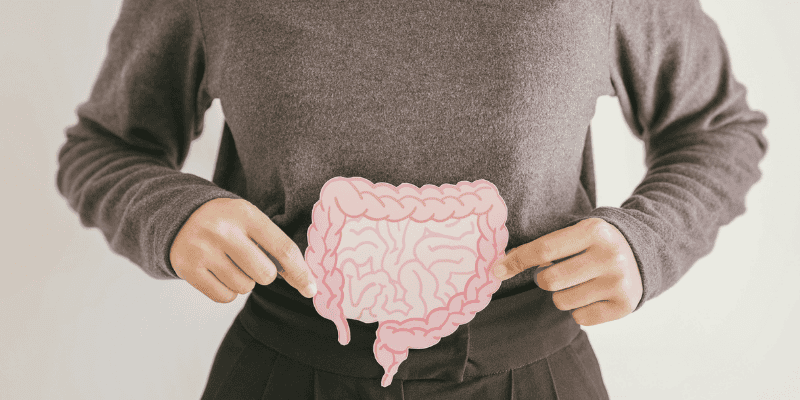
    Think of your gut, or digestive system, not just as a place where food is processed, but as the body’s second brain and command center. At its core is the gut microbiome, a complex, bustling universe of trillions of microorganisms, including a delicate balance of good bacteria and bad bacteria, collectively known as gut flora. When this ecosystem is thriving, it’s called digestive wellness, and it’s the foundation of your holistic health.

    But when the scales tip, and the bad bacteria overpower the good bacteria, you enter a state of dysbiosis or digestive imbalance. This isn’t just a stomach issue; it’s a systemic problem. An unhealthy gut can lead to a host of problems that extend far 1beyond the bathroom, affecting everything from your Intestinal health and mood (gut-brain axis) to your skin and immune system. Poor gut health essentially puts a drag on your entire body.

    If you’ve been feeling “off” and wondering what’s causing it, your gut is likely trying to send you signals.

    Ready to find out what those early signs of gastrointestinal disease or imbalance are?

    We’ve broken down the 10 most common and essential symptoms of poor digestion and signs of an unhealthy gut to help you understand your body and start your journey toward restoring that vital microbiota diversity.

    If you frequently experience any of these unhealthy gut symptoms, it’s a clear indication that your gut health needs attention.

    Sign #1: Frequent Bloating or Gas

    This is one of the most common signs of bad gut health. If you’re constantly dealing with painful, distended bloating or excessive flatulence, it’s often a sign of bad bacteria in the stomach. These microbes produce excessive gas as they ferment food that your small intestine hasn’t properly digested, leading to consistent symptoms of poor digestion.

    Sign #2: Irregular Bowel Movements

    Chronic constipation, chronic diarrhea, or alternating between the two are definite signs of poor digestion. This inconsistency often signals a gut syndrome where the flora is imbalanced, preventing the rhythmic, healthy movement of waste through the digestive system.

    Sign #3: Unexplained Fatigue or Low Energy

    Did you know your gut flora produces B vitamins and helps regulate energy? If you’re experiencing chronic fatigue, despite getting enough sleep, it could be one of the subtle symptoms of gut imbalance. An unhealthy gut prevents proper nutrient absorption, leaving you constantly depleted.

    Sign #4: Skin Problems (Acne, Eczema, Rashes)

    When the gut lining becomes permeable, a condition known as Leaky gut, toxins and undigested food particles can enter the bloodstream. The skin often tries to detoxify these compounds, leading to flare-ups of conditions like eczema, rosacea, or persistent acne. This highlights the deep connection between Intestinal health and your outward appearance.

    Sign #5: Food Intolerances or Sensitivities

    If certain foods, like dairy or gluten, suddenly start causing digestive distress (bloating, cramps, diarrhea), it can be an unhealthy gut flora symptom. A compromised gut lining and lack of good bacteria make it harder for your body to fully break down specific components, triggering uncomfortable reactions.

    Sign #6: Frequent Illness or Weakened Immunity

    Up to 70% of your immune system resides in your gut. If your gut microbiome lacks microbiota diversity, your defense mechanisms are weakened. Finding yourself constantly catching colds or viruses is one of the important early signs of gastrointestinal disease and poor overall resistance.

    Sign #7: Mood Swings, Anxiety, or Depression

    This links directly to the gut-brain axis. Your gut produces about 90% of the body’s serotonin, a key neurotransmitter for mood. Dysbiosis disrupts this production, making mental health issues, including generalized anxiety and mood swings, a significant indicator of an unhealthy digestive system.

    Sign #8: Sugar Cravings and Poor Appetite Control

    The bad bacteria in your gut literally “crave” sugar and simple carbs to survive. When these undesirable microbes dominate, they send signals to your brain that result in intense, hard-to-control sugar cravings, a clear sign of microbial control and gut imbalance.

    Sign #9: Unexplained Weight Gain or Loss

    Your gut impacts how you store fat, how you absorb nutrients, and how you regulate hormones that control appetite. A sudden or chronic inability to manage weight can often be traced back to poor gut health and systemic inflammation.

    Sign #10: Bad Breath or Metallic Taste

    Halitosis (bad breath) that isn’t solved by brushing or a persistent metallic or sour taste is often a sign of fermentation issues or putrefaction in the digestive system, where the byproducts of bad bacteria create foul-smelling gases that are released through the breath.

    Restoring Your Digestive Wellness

    Recognizing the signs of an unhealthy gut is the first step toward reclaiming your holistic health. The key is to nurture your good bacteria and rebuild your microbiota diversity. Incorporating quality Probiotics and prebiotics can be highly effective in restoring digestive wellness and combating the effects of dysbiosis.

    When to Seek Professional Help

    While many of these symptoms of poor digestion can be managed with diet and lifestyle changes, you should consult a Gut Health Natural Practitioner if you experience:

    • Blood in stool.
    • Sudden, severe, or unrelenting abdominal pain.
    • Unexplained weight loss.
    • Persistent vomiting.
    • Symptoms that severely disrupt your daily life.

    Don’t ignore the signals your gut is sending you; your long-term health depends on it!

    How Natural Healing Haven Helps You Heal Your Gut Naturally

    Natural Healing Haven, based in Calgary, Canada, is dedicated to helping you reclaim your health by restoring the delicate balance of your gut microbiome through natural, holistic methods.

    Recognizing that a healthy gut is the cornerstone of overall wellness, they provide personalized wellness plans, expert guidance on probiotics and prebiotics, and nutrition advice tailored to support digestive balance using foods and practices accessible to Canadians in Calgary and beyond.

    By educating you on the early signs of gut imbalance, such as bloating, fatigue, and mood swings, Natural Healing Haven empowers you to take proactive steps toward digestive wellness. Their mission is to nurture your gut flora naturally, strengthen your immune system, and promote lasting holistic health so you can feel your best from the inside out, right here in Calgary, Canada.

    Conclusion:

    The Takeaway from Your Gut is Your Guide

    The constant discomfort, mysterious fatigue, and frustrating mood swings are not things you simply have to “live with.” These 10 unmistakable signs of bad gut health from chronic bloating and bad digestion symptoms to the connection between your gut and your brain via the gut-brain axis are your body’s clear signal that it needs support.

    By recognizing these unhealthy gut symptoms, you can move past just treating surface-level discomfort and start addressing the root cause: the microbial imbalance known as dysbiosis within your gut microbiome. Focusing on nurturing your good bacteria with proper Probiotics and prebiotics is the most powerful tool you have to re-establish microbiota diversity.

    Prioritize your Intestinal health today, and you will unlock comprehensive digestive wellness that transforms your holistic health for the better. Start listening to your gut; it holds the key to feeling your best.
  • Top 18 Herbs for Gut Health

    Top 18 Herbs for Gut Health

    Feeling sluggish after meals or dealing with occasional bloating? You’re not alone. The ancient wisdom of herbalism offers a wealth of support for the body’s most foundational system. If you’re searching for herbs for good digestion or natural ways to maintain balance, the answer might be growing in your garden.

    Modern research increasingly points to the serious connection between digestion and overall well-being. This is why more people are looking beyond simple remedies and seeking powerful herbs for gut health. But what exactly can nature do? We’re going to explore the best natural allies, not just remedies, but vital support for the entire gastrointestinal tract.

    We’ll jump into specific herbs that aid digestion, discussing how they work with your body’s mechanics, and why their effects go deeper than just easing a troubled stomach. From demulcents to bitters, these powerful plants are essential tools to support your digestive system. 

    Necessarily, we’ll highlight the connection to the microscopic world, revealing the top herbs for the microbiome that help cultivate a successful internal ecosystem. 

    By the end of this post, you’ll know exactly which herbs to help digestion you should add to your daily routine for a happier, healthier gut.

    According to the National Institute of Diabetes and Digestive and Kidney Diseases (NIDDK), an estimated 60 to 70 million Americans, and over 20 million Canadians, according to the Canadian Digestive Health Foundation (CDHF) are affected by digestive diseases. But gut health is about more than just avoiding a diagnosis. Modern functional medicine reveals that localized gastrointestinal inflammation is the silent driver behind systemic issues like brain fog, joint pain, and chronic fatigue.

    Understanding the Mechanics of Intestinal Inflammation. Inflammation is your body’s natural defense against pathogens. However, when the gut lining is constantly bombarded by stress, processed diets, or environmental irritants, this “fire” becomes chronic.

    Unlike acute inflammation, which resolves, chronic intestinal inflammation causes the junctions in your gut wall to loosen—a condition often referred to as “Leaky Gut.” This allows undigested food and toxins into the bloodstream, triggering a full-body immune response. This explains why a “sluggish gut” is often the root cause of systemic illness felt from coast to coast.

    1. Anti-Inflammatory & Soothing Herbs

    These herbs calm irritation in the digestive system, reduce inflammation, and provide a protective layer, helping to ease symptoms like bloating, pain, and indigestion.

    HerbKey Actions and Gut Benefits
    Ginger (New focus: Demulcent)Reduces inflammation, stimulates digestive juices, and is famous for soothing nausea and an upset stomach.
    TurmericRich in curcumin, which has powerful anti-inflammatory and antioxidant properties that support overall gut health and protect the gut lining. To see clinical results, target 500–2,000 mg per day. Must be paired with piperine (black pepper) to increase absorption by up to 2,000%.
    Marshmallow Root (NEW Addition: Demulcent)A demulcent herb that contains mucilage, creating a protective, soothing barrier over the irritated intestinal lining (critical for IBS/leaky gut).
    Slippery Elm (NEW Addition: Demulcent)Similar to Marshmallow Root, its high mucilage content coats the GI tract, reducing irritation and helping to firm up loose stool.
    RosemaryEnhances digestion, eases bloating, and contains compounds that fight oxidative stress in the gut environment.
    Boswellia (Frankincense)A powerhouse for chronic inflammation, Boswellia blocks the 5-lipoxygenase (5-LOX) enzyme—the primary trigger for inflammatory cytokines in the gut. Aim for 250–1,200 mg in divided doses.

    2. Probiotic-Boosting (Prebiotic) Herbs

    These herbs and plants are rich in non-digestible fibers and compounds that act as prebiotics, feeding beneficial gut bacteria and promoting a diverse, balanced microbiome.

    Herb/PlantKey Actions and Gut Benefits
    Chicory RootA potent natural source of inulin, a prebiotic fiber that encourages healthy bowel function and significantly supports microbiome diversity.
    Burdock Root (NEW Addition)A bitter herb that is also a fantastic source of inulin and other fructans; it supports detoxification pathways and gut flora balance.
    Dandelion Root (NEW Addition)Often roasted for teas, this root is another prebiotic powerhouse that supports the liver and bile flow, indirectly boosting gut health.
    GarlicContains allicin, which works as a selective antimicrobial, helping control harmful microbes while supporting the growth of beneficial gut bacteria.
    Onion & LeeksExcellent sources of prebiotic fructans that nourish good bacteria, contributing to improved digestion and microbial balance.

    Managing Dysbiosis: The Selective Antimicrobials

    A thriving gut requires a balanced internal ecosystem. When this balance shifts—a state known in clinical herbalism as Dysbiosis—harmful microbes begin to outnumber beneficial bacteria.

    Unlike conventional broad-spectrum treatments that can clear out all bacteria, certain herbs act as selective antimicrobials. Herbs like Garlic and Burdock Root (found across Canadian landscapes) contain compounds like allicin that target pathogenic overgrowth while providing the prebiotic fibers (inulin) needed to nourish your ‘good’ bacteria. For more ideas on how to feed your microbes daily, check out our list of foods for gut health and the best fruits good for gut health.

    Bitter Herbs & Digestive Stimulants (The best for “Aiding Digestion”)

    These herbs stimulate the liver to produce bile and the stomach to produce acid (HCL) before food even enters the stomach, which is the key to healthy digestion.

    HCL is the key to healthy digestion. If you suspect your levels are off, read our guide on the symptoms of low stomach acid.

    • Examples: Gentian, Artichoke Leaf, Dandelion Leaf, Angelica Root.


    Carminative Herbs (The best for Gas & Bloating Relief)

    These herbs contain volatile oils that relax the muscles of the digestive tract, helping to expel gas and reduce cramping.

    • Examples: Peppermint, Fennel Seed, Chamomile, Anise, Caraway.

    If you struggle with this daily, we have a deep dive on natural remedies for bloating that covers more than just herbs.


    3. Soothing and Protective Herbs (Demulcents)

    These herbs contain a high amount of mucilage (a thick, gelatinous substance) that literally coats and protects the gut lining, relieving irritation and promoting healing, particularly useful for sensitive stomachs or conditions like gastritis, ulcers, and intestinal permeability (leaky gut).

    HerbKey Actions and Gut Benefits
    Slippery ElmA powerful demulcent that forms a protective, slippery layer over the entire gut lining, reducing irritation, easing digestive discomfort, and slowing diarrhea.
    Marshmallow RootRich in mucilage, it actively soothes inflammation, calms spasms, and supports tissue healing in the digestive tract from the esophagus down to the colon.
    Aloe VeraThe inner leaf gel contains anti-inflammatory compounds and polysaccharides that may help soothe ulcers, reduce acid reflux, and ease general irritation in the intestines. Note: Use specifically prepared internal-use products.
    Licorice Root (Yashtimadhu)Yashtimadhu specifically helps to heal the protective mucosal lining of the stomach and duodenum, effective for acid reflux and ulcers. Because this is the DGL form, it is safe for those needing to protect their blood pressure. Take 760–1,520 mg roughly 20 minutes before meals to heal the mucosal lining

    4. Carminative Herbs for Gas & Bloating

    No gut health post is complete without addressing the common issues of gas and bloating. Carminative herbs are essential because their volatile oils help relax the smooth muscles of the digestive tract, allowing trapped gas to be released and easing cramping.

    HerbKey Actions and Gut Benefits
    Fennel SeedHighly effective at relieving gas, bloating, and cramps; it promotes peristalsis and has a mild antispasmodic effect. Chewing the seeds after a meal is a traditional remedy.
    Peppermint OilThe menthol in this herb is a potent antispasmodic, immediately calming painful spasms and cramps associated with Irritable Bowel Syndrome (IBS).
    ChamomileNot just for sleep, this gentle herb is a fantastic antispasmodic and nervine, helping to relax tension in the gut that can be exacerbated by stress.
    Anise SeedSimilar to fennel, it helps to dispel flatulence and supports overall digestive comfort, especially when consumed as a tea.

    The Gut-Brain Connection

    We view the gut as the “Second Brain.” Your gastrointestinal tract is intertwined with over 100 million nerve cells known as the Enteric Nervous System (ENS).

    The Gut-Brain Connection

    This is why high-stress lifestyles in cities like Toronto or Vancouver immediately manifest as “butterflies,” cramping, or urgency. To truly heal, we must soothe the nerves. Herbs like Chamomile and Lemon Balm act as “nervines,” relaxing the physical spasms of the gut while simultaneously calming the nervous system’s signal to the brain.

    This is why a ‘sluggish gut’ is often the root cause of systemic illness. If you feel your system needs a fresh start, a detoxification therapy can help clear the path for these herbs to work better.

    How to Use Herbs for Gut Health

    Incorporating these herbs can be simple and enjoyable. Here are the most common ways to use them effectively:

    • Teas (Infusions/Decoctions): Excellent for demulcent herbs (like Marshmallow Root) and carminatives (like Fennel or Chamomile). Steep light herbs (leaves/flowers) for 10 minutes and simmer roots (like Ginger or Turmeric) for 15-20 minutes.
    • Tinctures: Liquid extracts that offer concentrated dosages and high potency, often used for Bitters or potent anti-inflammatories.
    • Capsules & Powders: A convenient way to take standardized doses of herbs like Turmeric or Slippery Elm bark powder.
    • Culinary Use: Don’t overlook daily use! Simply incorporating Garlic, Onion, Ginger, and Rosemary into your cooking adds potent, daily gut support.


    Pairing with Probiotic/Prebiotic Foods: Maximize the effects of your herbal regimen by pairing it with fermented foods (yogurt, kefir, sauerkraut) and high-fiber prebiotic foods (oats, apples, beans).

    Dosage Caution and Consulting Healthcare Providers: Always start with the lowest effective dose. If you are pregnant, nursing, on prescription medication (especially blood thinners or diabetes drugs), or have a pre-existing medical condition, consult a qualified healthcare practitioner before starting any new herbal regimen.

    When to See a Doctor

    While herbs are powerful allies for chronic, mild, or functional digestive issues, a Gut Health Natural Practitioner emphasizes that they are supportive and not a replacement for medical care. Understanding the difference between a flare-up and a gastrointestinal disease is the first step toward long-term gut health.”

    Seek immediate medical attention if you experience any of the following symptoms:

    • Persistent or Severe Gut Pain: Pain that wakes you up at night or doesn’t resolve.
    • Blood in Stool or Rectal Bleeding: This is a critical symptom that requires investigation.
    • Sudden or Unexplained Weight Loss.
    • Chronic Diarrhea or Constipation that doesn’t respond to basic remedies.
    • Difficulty Swallowing or Vomiting Blood.

    Remember: Herbs can be incredibly effective for supporting a functional digestive system and microbial balance, but a physician is necessary to rule out serious underlying conditions like IBD (Inflammatory Bowel Disease), Celiac Disease, or ulcers. Always use your herbal regimen to complement a proper medical diagnosis, not replace it.

    What Role Does Natural Healing Heaven Play in My Gut Health Journey?

    At Natural Healing Haven, we believe that the journey to optimal health begins in the gut, and nature provides the best roadmap. 

    Our mission is to cut through the confusion and deliver clear, actionable information on which herbs for gut health and natural remedies truly work. We play the essential role of educator and curator, guiding you through the powerful world of anti-inflammatory spices, prebiotic roots, and soothing demulcents. 

    By providing expertly researched articles, practical usage guides for teas and tinctures, and responsible cautions, Natural Healing Heaven enables you to confidently choose the right herbs that aid digestion and build a successful, naturally balanced microbiome.

    Conclusion

    Adopting herbs for gut health is one of the most foundational steps you can take toward total body wellness. We’ve explored the incredible range of nature’s pharmacy, from potent anti-inflammatory agents like Turmeric and Ginger, to soothing demulcents like Marshmallow Root that protect the intestinal lining, and essential prebiotics that nourish your microbiome. 

    By thoughtfully incorporating these herbs that aid digestion, whether through simple teas or targeted tinctures, you gain powerful, natural tools to manage bloating, calm irritation, and cultivate a truly thriving digestive system. 

    Remember that the journey to a happier gut is continuous, and armed with the wisdom from Natural Healing Heaven, you are now equipped to choose the right herbs to help digestion and unlock a greater sense of well-being.

    If you want to see how these herbs fit into a broader lifestyle change, you might find a gut health reset meal plan helpful for organizing your kitchen. Otherwise, simply focusing on the fundamentals of improving gut health is the best way to build a routine that actually sticks.

    Frequently Asked Questions

    What are the most effective herbs for intestinal health and inflammation?

    For reducing intestinal inflammation, Turmeric and Boswellia are the most reliable choices because they inhibit the specific enzymes that trigger gut irritation. Turmeric should be taken with black pepper to ensure the body actually absorbs the curcumin, while Boswellia helps block the inflammatory pathways that cause long-term digestive distress. These work best when the goal is to calm the gut’s immune response and restore a normal environment for the microbiome.

    Which two herbs are best for healing the gut and stomach lining?

    Marshmallow Root and Slippery Elm are the two primary herbs for repairing the gut lining because of their high mucilage content.

    What is the best way to handle leaky gut using herbs?

    Leaky gut requires a combination of Aloe Vera to soothe the intestinal tissue and DGL (Licorice) to support the repair of the stomach’s protective lining. Aloe helps reduce active irritation in the intestines, while DGL encourages the production of the mucus that seals the gut wall without affecting your blood pressure.

  • Top 7 Natural Remedies for Brain Fog and Mental Fatigue Relief

    Top 7 Natural Remedies for Brain Fog and Mental Fatigue Relief

    Imagine staring at a screen, unable to string together a simple thought. The mind feels like a vast, empty white room or a dense, wet blanket. This permanent state of confusion, the struggle to work, study, or even maintain a normal conversation, is a crushing, common experience. The mental cloudiness often stems from chronic stress, poor sleep, inflammatory diet choices, or even underlying health issues. 

    A permanent cure for head fog requires asking: What is a natural remedy for brain fog that actually works? The effective strategy moves beyond temporary fixes toward sustainable, powerful, and safe natural remedies.

    What Exactly Is That Brain Fog Feeling?

    Brain fog isn’t a medical condition itself; it’s a cluster of symptoms that severely impair cognitive function. It feels like mental confusion, difficulty focusing, poor memory recall, and a general lack of mental sharpness. 

    Essentially, the brain feels slow, dull, and unresponsive. The goal is to restore cognitive flow and get concentration back.

    Lifestyle Remedies for Brain Fog

    The primary cure for brain fog lies in foundational lifestyle shifts; supplements are secondary.

    1. Improve Sleep Quality

    Consistently short-changing sleep directly contributes to the problem. The core strategy is committing to 7–9 hours of restful sleep nightly. During deep sleep, the brain cleanses itself, flushing out metabolic waste that contributes to next-day sluggishness.

    • Natural Aids: Using Lavender Tea and Magnesium Supplements supports relaxation and deeper rest.
    • Sleep Hygiene: Maintaining a pitch-dark, cool room and sticking to a consistent bedtime are essential.

    2. Stress Reduction Techniques

    Chronic stress floods the system with cortisol, a notorious saboteur of clarity. To combat this, introduce simple daily practices:

    • Meditation and Deep Breathing: Even five minutes of focused, mindful breathing interrupts the stress response, providing an instant mental ‘off-ramp’ to prevent fog from building.
    • Yoga and Tai Chi: These exercises combine gentle movement with breathwork, calming the nervous system and improving brain-body connectivity.

    3. Regular Physical Activity

    Movement increases blood flow to the brain, delivering essential oxygen and nutrients, one of the most powerful natural remedies.

    • Aerobic Exercise: Activities like a brisk walk, jogging, or dancing enhance circulation and combat mental stagnation.
    • Light Outdoor Activities: Exposure to natural light helps regulate the circadian rhythm, further supporting sleep and focus.

    Nutrition and Herbal Remedies

    Once the foundation of sleep and movement is stable, results can be amplified with targeted support from a Holistic Nutritionist.

    4. Balanced Diet for Mental Clarity

    The brain runs on what it is fed. A successful brain fog treatment almost always starts in the kitchen.

    • Omega-3 Rich Foods: These fatty acids are critical lubricants for brain cells. Include generous servings of salmon, flaxseeds, and walnuts for long-term brain health.
    • Whole Foods Over Processed Foods: Cutting out refined sugars stabilizes blood sugar. Switching to whole, unprocessed foods prevents the blood sugar crashes that kill brain power.
    • Staying Hydrated: Dehydration is a fast route to cognitive fatigue. Keeping a water bottle on hand is the simplest and cheapest cure for temporary head fog.

    5. Herbal & Natural Supplements

    These aids provide an extra lift in the journey to finding a natural cure for brain fog.

    • Ginkgo Biloba: Supports focus and memory by improving blood circulation to the brain.
    • Ashwagandha: As an adaptogen, it helps the body manage stress, lowering cortisol and directly alleviating fog.
    • Green Tea and Matcha: Provide a gentler, sustained lift thanks to L-theanine, which promotes focused energy without the jitters.
    • Turmeric/Curcumin: Provides powerful anti-inflammatory benefits to counter chronic low-grade inflammation, a suspected driver of brain fog.

    Cognitive Support Through Daily Habits

    An effective mental fog cure requires retraining the brain to handle information better.

    • Journaling to Declutter the Mind: Writing down swirling thoughts gets them out of the head, allowing for clear analysis and dramatically reducing mental clutter.
    • Digital Detox to Reduce Overstimulation: Setting specific times for a digital detox (especially before bed) gives cognitive capacity room to breathe and reset.
    • Time Blocking and Breaks to Boost Productivity: Using time blocking focuses periods on one task, followed by short, mandated breaks to prevent burnout.

    Natural Detox & Environmental Factors

    Minimizing external stressors and toxins is a critical part of a holistic natural cure for brain fog, and incorporating Detoxification Therapy can further enhance mental clarity and overall well-being.

    • Reducing Exposure to Toxins: Minimizing household chemicals, scented products, and being aware of poor indoor air quality (like mold) reduces the burden on the body and brain, proving effective for clarity.
    • Enhancing the Home Environment: Adding air-purifying plants or using certain essential oils (like citrus or peppermint) creates a more vibrant, brain-friendly space.

    When Natural Remedies May Not Be Enough

    While these lifestyle and herbal supports are powerful, it is vital to know when to seek professional help. Persistent, severe brain fog can signal a deeper issue, including Thyroid issues, Diabetes, clinical Depression, or Chronic Fatigue syndrome. If symptoms are severe, long-lasting, or drastically impact daily life despite consistent effort, seeking medical evaluation is true self-care.

    Why the Natural Healing Haven Actually Cures Brain Fog

    The Natural Healing Haven is highly effective at eliminating Brain Fog because it treats health not as a series of isolated symptoms, but as an interconnected whole. 

    It operates on a root-cause philosophy, moving beyond temporary fixes by using a custom blend of therapies like Ayurvedic treatments, detox programs, and mind-body practices to identify and correct the deep systemic imbalances (stress, toxin buildup) that cause chronic cognitive impairment. 

    This holistic approach ensures that balance is restored across the physical, mental, and emotional realms, providing a profound and sustainable state of well-being and lasting clarity.

    Conclusion

    Your Clear Mind Awaits

    Starting this journey with the frustration of mental fatigue is common, but the good news is that the plan for clarity is now clear. The sustainable solution involves prioritizing sleep, fueling the brain with whole foods, calming the nervous system with movement, and detoxing the environment.

    However, if you struggle with the lingering haze despite your best efforts, recognize the power of a fully integrated, root-cause approach. The Natural Healing Haven represents the philosophy that your mind, body, and spirit must heal together. 

    When you stop chasing isolated symptoms and embrace this comprehensive, custom-tailored care, you don’t just clear the fog; you forge a new, resilient foundation for a life lived with sustained energy and unbreakable clarity.

    FAQs

    What herb is best for brain fog?

    While results are personal, Brahmi (Bacopa monnieri) is often highlighted as the top herb. It’s traditionally used to enhance memory, improve concentration, and calm the nervous system, effectively clearing mental haze. Other excellent options are Ashwagandha (for stress-related fog) and Ginkgo Biloba (to boost blood flow to the brain).

    How long does it take for natural remedies to work?

    It depends on the remedy. Simple fixes like hydration or diet changes can show results in a few days to a week. However, for deep, chronic brain fog that requires a system rebalance (like a full detox), noticeable and lasting improvements usually take four to twelve weeks of consistent practice.

    Can herbal supplements really improve focus?

    Yes, they can. Many effective herbs act as nootropics (cognitive enhancers) or adaptogens (stress managers). They work by addressing root biological issues, such as increasing blood flow, balancing neurotransmitters, or lowering chronic stress hormones, to provide non-stimulant support for improved focus, memory, and sustained concentration.