Category: Blog

  • How to Fix an Underactive Thyroid Naturally: A Holistic Approach

    How to Fix an Underactive Thyroid Naturally: A Holistic Approach

    When Edison spoke these words, he wasn’t just predicting the future; he was describing a fundamental truth about how our bodies actually heal. If you’ve been feeling like a shell of your former self, dragging through the day with heavy limbs, a foggy brain, and a metabolism that seems to have hit a brick wall, you know exactly how frustrating it is when your “engine” starts to fail. That engine is your thyroid, and when it slows down, everything else goes with it.

    But here is the catch: popping a pill to mask the exhaustion doesn’t always bring back the spark. You might be told your “levels are normal,” yet you still can’t lose weight or find the energy to play with your kids. 

    Why is there such a gap between your lab results and how you actually feel? It’s because managing a symptom is not the same as restoring your vitality. It’s time to stop just “managing” your condition and start understanding how to fix an underactive thyroid naturally by looking at the bigger picture.

    Recognizing Thyroid Dysfunction: Symptoms and Root Causes

    To understand how to fix thyroid dysfunction, we first have to recognize the language the body uses to communicate distress. Your thyroid doesn’t just “quit”; it sends out a series of SOS signals that often start as whispers before turning into a roar. 

    When we ignore these signals or mask them with caffeine and sugar, we miss the opportunity to apply a natural therapy for hypothyroidism before the condition progresses.

    Common Symptoms of Thyroid Imbalance

    The most frustrating part of an underactive thyroid is how “invisible” the symptoms can feel to others, despite how heavy they feel to you. If you are struggling with any of the following, your metabolic engine may be stalling:

    • Persistent Fatigue: This isn’t just “a long day” tired; it’s a deep, cellular exhaustion that remains even after a full night’s sleep.
    • Unexplained Weight Gain: Finding that your clothes are getting tighter despite no changes in your diet or exercise routine is a classic sign of a slowing metabolic rate.
    • Cold Intolerance: Do you find yourself wearing a sweater when everyone else is comfortable? When your metabolism slows, your body struggles to generate internal heat.
    • Brain Fog: Feeling “spaced out,” having trouble concentrating, or forgetting simple words are common signs that your brain isn’t getting the metabolic energy it needs.

    Thyroid Symptoms in Male Patients: What to Watch For

    Hypothyroidism is often portrayed as a “woman’s issue,” but thyroid symptoms in male patients are more common than many realize and are frequently overlooked. Men often dismiss their symptoms as “just getting older” or a drop in testosterone.

    Beyond the standard fatigue, men should pay close attention to libido changes and a sudden decrease in muscle strength. 

    If you’re hitting the gym but losing muscle tone, or if your drive has vanished without explanation, it’s time to look at underactive thyroid treatment as a potential solution. Thyroid hormones are foundational to reproductive health and protein synthesis in both genders.

    Is Hypothyroidism Curable? Setting Realistic Expectations

    One of the most frequent questions people ask is: Is hypothyroidism curable? The answer depends largely on how you define “cure.” In conventional medicine, the focus is often on lifelong medicine for hypothyroidism to replace what the body isn’t making.

    However, from a holistic perspective, we focus on “remission” or “reversing symptoms.” While you may always have a genetic predisposition toward thyroid issues, many people find that through thyroid hypothyroidism natural treatment, they can restore their energy, lose the weight, and clear the fog to the point where the condition no longer impacts their quality of life. The goal isn’t just a lab result; it’s a body that functions with vitality and ease.

    The Role of Alternative Medicine for Hypothyroidism

    While conventional treatments focus on hormone replacement, a growing number of people are looking for a more comprehensive way to regain their health. Relying on a single metric from a blood test often fails to capture the complexity of how you actually feel. 

    This is where alternative medicine for hypothyroidism steps in, bridging the gap between clinical numbers and true physical vitality.

    Understanding Thyroid Treatment: Beyond Traditional Medicine

    The standard of care for decades has been synthetic hormone replacement. Many patients find themselves asking what is in levothyroxine, only to discover it is a synthetic version of Thyroxine (T4). 

    While T4 is the primary hormone produced by the thyroid, it is actually “inactive.” Your body must convert it into T3, the active form, before your cells can use it for energy.

    Many people seek alternative medicine for hypothyroidism because, despite taking their medication, they still experience “hypothyroid” symptoms. 

    This happens when the body struggles with that crucial conversion process. By supplementing traditional care with holistic strategies, we can support the body’s natural ability to utilize the hormones it already has.

    How to Fix Thyroid Dysfunction Through Gut Health

    If you want to know how to fix thyroid dysfunction, you have to look further down the body than just the neck. A staggering amount of thyroid hormone conversion (T4 to T3) happens in the liver and the digestive tract.

    When your gut is inflamed, or your liver is sluggish, this conversion slows down, leaving you with plenty of “inactive” hormone but very little “active” energy.

    Improving gut health through probiotics, digestive enzymes, and an anti-inflammatory diet isn’t just about digestion; it’s a direct remedy for underactive thyroid symptoms. By healing the gut, you are essentially clearing the path for your hormones to do their job.

    Nutritional Foundations: Remedies for Underactive Thyroid

    If your thyroid is the engine of your body, then nutrition is the fuel. You cannot expect a high-performance output if you are feeding the system “low-grade” materials. When exploring how to cure an underactive thyroid gland naturally, we must look at the specific micronutrients that the thyroid gland craves to do its job.

    Essential Food Supplement for Thyroid Health

    While a balanced diet is the goal, certain nutrients are so critical that they often require targeted supplementation or conscious dietary focus.

    • Iodine: The most famous medicine for hypothyroidism isn’t a drug, but a mineral. Iodine is the literal backbone of thyroid hormones. However, more isn’t always better; balance is essential to avoid “over-revving” the gland.
    • Selenium: Think of selenium as the “bodyguard” for your thyroid. It protects the gland from oxidative stress and is the primary driver behind the conversion of T4 into the active T3 hormone.
    • Zinc: Often overlooked, zinc is necessary for your cells to “hear” the thyroid hormone’s signal. Without enough zinc, your hormones might be circulating, but your cells remain “deaf” to their instructions.
    • Vitamin D: Frequently found to be low in those with thyroid issues, Vitamin D acts more like a hormone than a vitamin, helping to modulate the immune system and reduce the inflammation that often causes thyroid dysfunction.

    The Thyroid Diet: Foods to Include and Avoid

    Understanding thyroid hypothyroidism natural treatment means knowing that not all “healthy” foods are created equal. Some popular health foods can actually act as “goitrogens,” substances that interfere with iodine uptake.

    Avoid or Limit (Goitrogenic)Embrace (Thyroid-Supporting)
    Raw Cruciferous Veggies: Kale, broccoli, and cabbage (Cooking them neutralizes most goitrogens).Brazil Nuts: Just two nuts a day can provide your entire daily requirement of Selenium.
    Soy Products: Unfermented soy can block thyroid hormone activity, especially in those already deficient in iodine.Wild-Caught Fish: Rich in Omega-3s and naturally occurring iodine to support a healthy metabolic rate.
    Processed Sugars: These spike inflammation and “mute” thyroid receptors.Sea Vegetables: Kelp and nori are excellent natural sources of concentrated iodine.

    How to Treat Hypothyroidism Naturally with Herbal Support

    Beyond basic vitamins, the world of herbal medicine offers powerful hypothyroidism remedies that have been used for centuries. Two standout herbs are often at the center of a successful holistic plan:

    1. Ashwagandha: As a premier adaptogen, Ashwagandha helps lower cortisol (the stress hormone). High cortisol is a known “thyroid killer,” so by calming the nervous system, you’re giving your thyroid the space it needs to recover.
    2. Guggul: This traditional Ayurvedic resin has been shown to stimulate the thyroid gland directly and improve the conversion of T4 to T3, making it a staple in alternative medicine for hypothyroidism.

    Therapeutic Approaches to Thyroid Health

    Fixing the thyroid requires more than just dietary changes; it requires a shift in how you live and interact with your environment. Because your thyroid is highly sensitive to external signals, it acts as a sentinel for the body. If your environment feels unsafe, whether due to high stress or toxic overload, your thyroid will naturally slow down to conserve energy and protect you.

    Stress Management as a Therapy for Thyroid Problems

    One of the most significant, yet often ignored, remedies for an underactive thyroid is the management of the adrenal-thyroid axis. 

    There is a direct “Cortisol-Thyroid” connection that can halt even the best treatment plans. When you are under chronic stress, your adrenal glands pump out cortisol.

    High levels of cortisol do two things that damage thyroid health:

    1. They inhibit the production of Thyroid Stimulating Hormone (TSH).
    2. They block the conversion of inactive T4 into active T3.

    Essentially, high stress tells your body it is in “survival mode,” not “growth mode.” Incorporating a therapy for thyroid problems like meditation, deep breathing exercises, or even just prioritizing eight hours of sleep can lower cortisol and “unblock” your hormone production.

    Hypothyroidism and Natural Treatment: The Importance of Detox

    When considering how to treat hypothyroidism naturally, we must look at the “hidden” disruptors in our daily lives. Your thyroid requires iodine to create hormones, but iodine belongs to a family of elements called halogens. 

    Other halogens, such as fluoride (found in many water supplies and toothpastes) and chlorine (found in pools and tap water), have a similar atomic structure.

    Because they are “look-alikes,” these toxins can sit in the iodine receptors of your thyroid, effectively locking out the iodine your gland needs to function. This is why a natural treatment plan often includes:

    • Water Filtration: Using a high-quality filter to remove fluoride and chlorine from your drinking and shower water.
    • Toxin Reduction: Switching to fluoride-free dental care and organic household cleaners.
    • Sweat Therapy: Using infrared saunas or gentle exercise to help the body eliminate accumulated heavy metals that can interfere with thyroid signaling.

    By clearing these environmental hurdles, you allow your natural therapy for hypothyroidism to work much more effectively, giving your thyroid the clean environment it needs to thrive.

    For detail support, working with a practitioner who provides detoxification therapy can help remove accumulated toxins and support thyroid function more effectively.

    Integrated Wellness and Long-term Management

    True health isn’t a destination you reach and then forget about; it’s a state of balance you maintain. When you commit to a natural therapy for hypothyroidism, you are essentially learning how to tune your own instrument. 

    By integrating wellness into your daily rhythm, you move away from the “broken” mindset and toward a lifestyle where your thyroid and your energy can finally stabilize.

    How to Cure an Underactive Thyroid Naturally through Lifestyle Changes

    While the word “cure” is a heavy one, “reversal of dysfunction” is entirely within your reach. The most successful hypothyroidism remedies are those that become second nature.

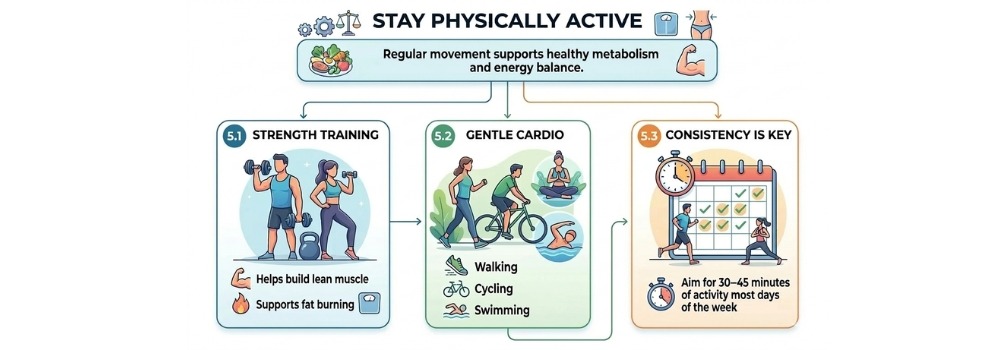
    Start by auditing your movement. For a sluggish thyroid, less is often more. Intense, high-impact cardio can spike cortisol and further deplete an underactive thyroid. 

    Instead, adopt “functional movement” like walking in nature, swimming, or strength training. These activities build metabolic tissue without sending your body into a stress response.

    Thyroid-Friendly Lifestyle HabitsImpact on Your Health
    Low-Impact MovementPrevents cortisol spikes that shut down hormone production.
    7-9 Hours of SleepAllows the body to perform “deep repair” and hormone synthesis.
    Consistent Meal TimesStabilizes blood sugar, reducing stress on the endocrine system.
    Nature ExposureLowers sympathetic nervous system activity (Fight or Flight).

    Monitoring Your Progress: Blood Tests and Symptom Tracking

    How do you know if your thyroid hypothyroidism natural treatment is actually working? You have to look at the data both from the lab and from your own body.

    • The Lab Perspective: Don’t just settle for a TSH test. Ask for a “Full Thyroid Panel” that includes Free T4, Free T3, and Thyroid Antibodies. This gives you a map of how well your body is converting and using its hormones.
    • The Symptom Perspective: Keep a simple journal. Track your morning body temperature, your mood, and your digestion. Often, you will see your “brain fog” lift, and your temperature rise long before the lab results catch up.
    Metric to TrackWhat a “Win” Looks Like
    Morning Basal TempA steady rise toward $37°C$ (98.6°F).
    Energy LevelsFewer “afternoon slumps”; no need for 3 PM caffeine.
    DigestionRegularity and a reduction in bloating or constipation.
    Mental ClarityFaster recall and the lifting of “brain fog.”

    When to Seek Professional Thyroid Treatment

    There is no shame in needing support, and while lifestyle changes are the foundation, some cases of thyroid dysfunction require more intensive, specialized intervention.

    If you find that despite your best efforts with diet and a targeted food supplement for thyroid health, your symptoms are worsening, or if you notice physical changes like a swelling in the neck or persistent heart palpitations, it is time to consult an expert. 

    For those seeking Natural Treatments for Thyroid in Calgary, professional clinics provide the advanced diagnostic testing and holistic care necessary to uncover the root cause of your fatigue. Working with a qualified Natural Health Practitioner ensures that your protocol is safe, evidence-based, and tailored to your specific hormonal profile.

     If you are experiencing persistent common symptoms of thyroid issues, it is essential to understand your options, whether you need a bridge of medicine for hypothyroidism or a deeper dive into alternative therapies.

    Conclusion

    Reclaiming your energy from the grip of an underactive thyroid is not a sprint; it is a conscious return to balance. By moving beyond simply masking your symptoms with medicine for hypothyroidism and instead addressing the foundations of gut health, nutrient density, and stress management, you are giving your metabolic engine the tools it needs to restart. 

    Remember that every small choice, from choosing mineral-rich remedies for an underactive thyroid to prioritizing restorative sleep, is a signal to your body that it is safe to function at its peak again.

    Fixing your metabolism is about more than just a lab result; it is about waking up with clarity, moving with ease, and feeling like the person you were meant to be. While the path to how to cure underactive thyroid gland naturally requires patience and consistency, the reward is a life lived with full vitality rather than persistent exhaustion. Listening to your body’s signals, nourishing your system with intention, and seeking guidance through expert natural health consulting can help fine-tune your approach safely and effectively.

    Frequently Asked Questions

    What is the best hypothyroidism and natural treatment plan?

    The best natural treatment plan for hypothyroidism focuses on a balanced thyroid-supportive diet, stress management, adequate sleep, and targeted nutrients like iodine (if deficient), selenium, and zinc.

     Natural approaches work best when combined with regular medical monitoring rather than used as a replacement for prescribed treatment.

    Can I stop my medicine for hypothyroidism if I use natural remedies?

    No. You should not stop thyroid medication without consulting your doctor. Natural remedies can support thyroid health, but stopping medication suddenly may worsen symptoms and disrupt hormone levels.

    How long does it take to see results with natural therapy for hypothyroidism?

    Most people notice gradual improvements in energy, digestion, and mood within 4–8 weeks. Hormone balance takes time, so consistent lifestyle changes and follow-up testing are important.

    Are there specific thyroid symptoms in male patients that differ from those of females?

    Yes. In men, hypothyroidism may cause low libido, erectile dysfunction, muscle weakness, weight gain, and fatigue. These symptoms are sometimes overlooked, leading to delayed diagnosis.

    What food supplement for the thyroid is most critical?

    Selenium is one of the most important supplements for thyroid health, as it supports hormone conversion and reduces inflammation. However, supplements should only be taken after confirming deficiencies with a healthcare professional.

  • How to Detox Liver Naturally at Home: Juices, Diet, and Supplements

    How to Detox Liver Naturally at Home: Juices, Diet, and Supplements

    “The human body is the only machine for which there are no spare parts.” — Hermann Biggs.

    This perspective reminds us that while we can upgrade our technology or repair our homes, our internal biology requires consistent, proactive care to last a lifetime. Nowhere is this more evident than with the liver, an organ that manages over 500 vital functions every single day. When the system becomes overwhelmed, we don’t need a replacement; we need a restoration.

    Reclaiming Your Vitality Through Natural Detoxification

    Learning how to detox liver naturally at home is less about aggressive “cleanses” and more about providing your body with the raw materials it needs to thrive. As the body’s primary filtration system, your liver is responsible for everything from metabolizing nutrients to clearing out metabolic waste. 

    By incorporating the best detoxification foods and hydration into your daily routine, you support this internal powerhouse in its mission to keep you energized and healthy.

    This guide offers a roadmap for refreshing your health from the inside out, utilizing simple, science-backed home remedies.

    Understanding Liver Health and Toxicity

    Before diving into specific remedies, it is essential to understand that the liver doesn’t just store toxins; it transforms them. It acts as the body’s ultimate gatekeeper, deciding what stays as fuel and what gets flushed away. 

    However, even the most efficient systems have a breaking point. When the toxic load from processed diets, alcohol, and environmental pollutants exceeds the liver’s processing capacity, your health begins to signal for help.

    Signs Your Liver Needs a Detox

    The liver is often called the “silent organ” because it rarely hurts, even when it’s struggling. Instead, it communicates through systemic symptoms that affect your daily quality of life. Common indicators that you should look into how to detox liver naturally at home include:

    • Chronic Fatigue: A sluggish liver struggles to manage glucose, leaving you feeling drained even after a full night’s sleep.
    • Skin Issues: When the liver can’t filter toxins effectively, the body may try to expel them through the skin, leading to acne, rashes, or itchiness.
    • Digestive Distress: Since the liver produces bile to break down fats, a backup in the system often results in bloating, acid reflux, or a sudden intolerance to fatty foods.

    A sluggish liver often causes a ripple effect that damages your gut health, leading to long-term bloating. When the liver produces less bile, your entire digestive tract struggles to process meals.

    The Anatomy of Detoxification: Phase 1 and Phase 2 Pathways

    To support your liver, you must understand its two-step filtration process. In Phase 1, the liver uses enzymes to turn fat-soluble toxins into intermediate substances. Ironically, these intermediates can sometimes be more reactive than the original toxin.

    This is where Phase 2 becomes critical. In this stage, the liver adds a protective molecule to those reactive substances, making them water-soluble so they can be safely excreted through urine or bile. 

    Effective remedies for liver detox focus on providing the specific antioxidants and amino acids needed to ensure Phase 2 keeps pace with Phase 1, preventing a “bottleneck” of toxins in your bloodstream.

    Healthy Liver vs. Fatty Liver: At a Sight

    Understanding the physical and functional differences between a healthy liver and one struggling with fat accumulation is the first step toward effective recovery. Below is a breakdown of how these states compare:

    FeatureHealthy LiverFatty Liver (Steatosis)
    Physical AppearanceSmooth, firm, and reddish-brown.Enlarged, yellowish, and greasy to the touch.
    Cellular FunctionEfficiently filters blood and metabolizes nutrients.Fat droplets build up inside cells, hindering function.
    Bile ProductionConsistent; supports optimal digestion of fats.Often sluggish; leads to bloating and indigestion.
    Inflammation LevelsLow; high regenerative capacity.Increased can lead to scarring (fibrosis/cirrhosis).
    Metabolic ImpactRegulates blood sugar and cholesterol effectively.Linked to insulin resistance and high triglycerides.
    Primary SolutionA balanced diet and regular physical activity.How to detox the liver naturally at home via diet & lifestyle.

    Nutritional Strategies: Juices and Best Detoxification Foods

    The foundation of any successful liver reset lies in the kitchen. By flooding your system with specific phytonutrients, you provide the chemical “tools” your liver needs to bind to toxins and usher them out of your body. Integrating a mix of potent liquids and fiber-rich solids creates a comprehensive approach to internal cleansing.

    Choosing the right foods can be confusing, but a holistic nutritionist can build a custom plan for your unique body. This ensures you are eating the exact nutrients your liver specifically lacks.

    Homemade Liver Detox Drink Recipes

    Starting your day with a targeted homemade liver detox drink can stimulate bile flow and kickstart Phase 1 detoxification enzymes. Here are three simple, effective blends you can make at home:

    • The Morning Flush: Mix 8oz of warm water with the juice of half a fresh lemon and a pinch of cayenne pepper. This remedy may stimulate bile flow, improve hydration, and support digestion, rather than “flush overnight waste, This lemon water trick is helpful because it addresses symptoms of low stomach acid by priming your digestion. Better acid levels mean your liver doesn’t have to work as hard to filter undigested food.
    • The Ruby Refresher: Combine 4oz of unsweetened fruit juice for liver detox, specifically tart cherry or pomegranate, with a splash of sparkling water. These fruits are rich in anthocyanins, which protect liver cells from oxidative stress, these juices work on the liver, you might also need natural remedies for bloating to ease stomach pressure today. Combining liver support with gut-soothing herbs helps you feel lighter immediately.
    • The Citrus Zest: Blend fresh grapefruit juice (ensure no medication contraindications) with a teaspoon of extra virgin olive oil. The naringenin in grapefruit has been shown to help prevent fat accumulation in the liver.

    Note: Grapefruit juice can interact with certain medications (such as statins or blood pressure drugs). Always consult your healthcare provider before adding grapefruit to your detox routine.

    The Power of Liver Cleansing Juice: Beets, Carrots, and Ginger

    When it comes to a dedicated liver cleansing juice, the combination of beets, carrots, and ginger is the gold standard.

    Beets contain betalains, compounds that reduce inflammation and support the Phase 2 detoxification pathway. Carrots are packed with beta-carotene and flavonoids, which improve overall liver function. 

    Adding fresh ginger provides a thermogenic effect, aiding digestion and reducing the metabolic stress on the liver. A daily 8oz glass of this liver detoxification juice acts as a concentrated shot of antioxidants that helps “wash” the hepatic filters.

    Best Detoxification Foods to Add to Your Diet

    While juices provide quick absorption, your main meals should be built around the best detoxification foods to provide sustained support. Focus on these three powerhouses:

    • Cruciferous Vegetables: Broccoli, Brussels sprouts, and cauliflower contain sulforaphane, which significantly increases the liver’s natural detoxification enzymes.
    • Garlic: Rich in sulfur and selenium, garlic activates the enzymes responsible for flushing out toxins and protects the liver from heavy metal damage.
    • Turmeric: The active compound, curcumin, is a potent anti-inflammatory that helps repair damaged liver cells and improves the production of bile.

    Juicing vs. Whole Foods: Which is Better for the Liver?

    A common question is whether you should drink your nutrients or eat them. The reality is that both serve distinct purposes in a liver-friendly lifestyle.

    FeatureJuicing (Liquid)Whole Foods (Solid)
    Nutrient AbsorptionQuick: Vitamins and minerals hit the bloodstream almost instantly.Steady: Nutrients are released slowly during the digestion process.
    Fiber ContentLow: Most insoluble fiber is removed during the juicing process.High: Essential for “sweeping” toxins out of the intestinal tract.
    Digestive EaseHigh: Gives the digestive system a “rest” while providing nutrients.Moderate: Requires energy to break down, which helps regulate blood sugar.
    Primary GoalTargeted liver detoxification juice for an acute nutritional boost.Long-term maintenance and blood sugar stabilization.

    Supplements and Remedies for Liver Detox

    While a nutrient-dense diet forms the foundation, specific liver detoxification supplements can provide the concentrated support needed to repair damaged cells and optimize filtration. However, not all supplements are created equal. The most effective approach involves using clinically backed compounds that target the liver’s internal chemistry.

    Best Liver Supplements for Maintenance and Repair

    Two powerhouses dominate the conversation when it comes to professional-grade liver support: Milk Thistle and N-Acetyl Cysteine (NAC).

    • Milk Thistle (Silymarin): This herb has been used for centuries as a premier remedy for liver detox. Its active component, silymarin, acts as a biological shield. 

    It stabilizes liver cell membranes to prevent toxins from entering and stimulates protein synthesis, which helps the liver regenerate itself after damage.

    • N-Acetyl Cysteine (NAC): NAC is a precursor to glutathione, the body’s “master antioxidant.” By replenishing glutathione levels, NAC fuels the liver’s ability to neutralize reactive oxygen species and heavy metals. It is so effective that it is used in clinical settings to treat acute liver toxicity.

    While research supports these supplements, their use should be guided by a healthcare professional, as effectiveness varies depending on individual health conditions.

    Liver Detoxification Supplements: Do They Really Work?

    The efficacy of a supplement depends entirely on its formulation and your baseline health. 

    The best liver cleanse supplements don’t “wash” the liver; rather, they provide the cofactors required for Phase 1 and Phase 2 detoxification pathways to function without a bottleneck. 

    While a healthy liver is self-cleansing, supplements act as “detox fuel,” ensuring the organ isn’t depleted of the enzymes it needs to handle a modern toxic load.

    Targeting Specific Conditions: Liver Supplements for Fatty Liver

    For those managing fat accumulation, the goal shifts toward metabolic repair. The best liver supplements for this condition often include:

    • Choline: Essential for transporting fats out of the liver, preventing the buildup that leads to sluggishness.
    • Berberine: Helps improve insulin sensitivity and has been shown to reduce liver fat percentage significantly.
    • Omega-3 Fatty Acids: Reduce inflammation within liver tissue and support healthy lipid metabolism.

    Note: These supplements can support recovery, but lifestyle changes such as diet, exercise, and medical monitoring remain the cornerstone of fatty liver management.

    Natural Remedies for Liver Detox

    Beyond capsules and tinctures, traditional external and herbal remedies offer a gentle way to support the “filtration factory” without adding digestive stress.

    • Dandelion Tea: Often found in the best liver cleansing juice blends, dandelion root acts as a natural diuretic and cholagogue, meaning it stimulates bile production and helps flush the kidneys and liver simultaneously.
    • Castor Oil Packs: This ancient therapy involves placing a cloth soaked in organic castor oil over the liver area (upper right abdomen). 

    When used with a heat source, it is believed to improve local blood circulation and lymphatic drainage, helping the liver move waste more efficiently while you relax.

    Disclaimer: Castor oil packs are a traditional remedy with anecdotal support. Scientific evidence is limited, so they should be considered complementary rather than primary therapy.

    Safety, Myths, and Medical Guidance

    When exploring how to detox the liver naturally at home, it is easy to get swept up in the latest viral trends. However, the liver is a complex biological organ, not a kitchen sink that needs a “scrubbing.” 

    Navigating the world of detoxification requires a discerning eye to separate marketing hype from physiological reality.

    Detoxing Your Liver: Fact versus Fiction

    There is a pervasive myth that you can “flush” your liver of years of damage with a weekend of specialized tea or a 48-hour “instant” cleanse.

    • The Fiction: You can forcefully eject “toxins” from your liver using a specific product.
    • The Fact: The liver is a self-cleaning organ. True detoxification is about supporting its natural, ongoing enzymatic processes. You don’t “clean” the liver; you provide it with the nutrients like those found in the best detoxification foods, to allow it to clean you.
      Avoid products that promise dramatic, overnight results, as these often rely on laxatives rather than actual hepatic support.

    Is a Liquid-Only Liver Detoxification Juice Diet Safe?

    While a liver cleansing juice is an excellent way to concentrate your intake of antioxidants, a liquid-only diet for an extended period can be counterproductive.

    The liver requires amino acids (protein) and fiber to complete the Phase 2 detoxification process and successfully escort waste out of the body. A liquid-only approach often lacks these essential building blocks, potentially causing toxins to recirculate in your system.

    Instead of a juice-only fast, aim to use fruit juice for liver detox as a supplement to a clean, whole-food diet. This ensures your body has the energy and fiber necessary to actually finish the “cleanup” job.

    When to See a Doctor: Signs of Severe Liver Distress

    While natural remedies are excellent for maintenance and mild sluggishness, they are not a replacement for medical intervention when serious issues arise. 

    If you experience the following symptoms, it is crucial to consult a healthcare professional rather than attempting a home remedy:

    • Jaundice: A yellowing of the skin or the whites of the eyes.
    • Severe Abdominal Pain: Particularly in the upper right quadrant.
    • Dark Urine or Pale Stools: Indicating a significant disruption in bile production or flow.
    • Significant Swelling: Unexplained edema in the legs or fluid accumulation in the abdomen.

    A medical professional can provide diagnostic testing to determine if you need targeted liver supplements for fatty liver or more intensive clinical treatment.

    Who to Consult for Detoxing Your Liver Naturally and Safely

    While dietary adjustments are a great start, professional guidance ensures your journey is both effective and scientifically sound. For those seeking specialized care in Calgary, Canada, institutions like the Natural Healing Haven and similar integrative wellness centers provide a sanctuary for holistic recovery. 


    Consulting with a licensed naturopathic doctor or a functional medicine practitioner allows you to undergo a comprehensive assessment before starting any intensive detoxification therapy. 


    These experts can adapt a plan specifically for your bio-individuality, ensuring that you support your liver naturally without the risks of nutrient deficiencies or “bottleneck” toxic reactions.

    If you feel your body needs more than just dietary changes, professional detoxification therapy offers a supervised way to reset. These sessions help clear deep-seated waste that simple home drinks might miss.

    Recovery and Results: What to Expect

    Embarking on a journey to revitalize your health through dietary and lifestyle changes is an investment in your future self. While the liver is remarkably resilient, it is the only organ in the body capable of complete regeneration. 

    The path to recovery is a marathon, not a sprint. Understanding the markers of progress will help you stay committed to the process.

    The Liver Recovery Roadmap

    While the liver is a master of regeneration, the timeline for seeing results depends on the consistency of your habits. Below is a breakdown of what to expect as you implement your natural detox strategy:

    PhaseDurationInternal & External Results
    The TransitionDays 1–7Blood sugar begins to stabilize; initial reduction in systemic inflammation and water retention.
    Functional OptimizationWeeks 2–4Phase 1 and Phase 2 pathways synchronize; improved bile flow leads to noticeably less bloating.
    Metabolic Repair1–3 MonthsEnhanced fat metabolism; clearer skin and more consistent daily energy levels.
    Cellular Regeneration3–6 MonthsMeasurable improvement in clinical markers (ALT/AST levels); significant reduction in liver fat.

    The Visual Transformation: Before vs. After

    Focusing on how to detox the liver naturally at home leads to tangible changes that you can both see and feel. When your internal “filter” is clear, your external health reflects that balance.

    BenefitBefore Detox (Congested)After Detox (Vitality)
    Energy LevelsFrequent mid-afternoon crashes and morning grogginess.Sustained, steady energy through better glucose regulation.
    Skin ClarityPersistent acne, redness, or a “dull” complexion.Clear, glowing skin is the result of the liver handling toxin removal.
    Digestive HealthChronic bloating and heavy discomfort after meals.Smooth digestion and efficient fat breakdown via optimized bile.
    Mental State“Brain fog” and difficulty focusing on daily tasks.Improved mental clarity and sharper cognitive function.

    Key Takeaway: The “Before vs. After”

    Transitioning your lifestyle isn’t just about a temporary “cleanse,” it’s about moving from a state of congestion (fatigue, skin breakouts, and heavy digestion) to a state of vitality. 

    By providing your body with the best detoxification foods and staying consistent, you transform your liver from a sluggish filter into a high-performance engine.

    Conclusion

    Learning how to detox the liver naturally at home is an act of reclaiming your health from the inside out. Your liver is a remarkably resilient organ, capable of profound repair when given the right environmental conditions and nutritional support. 

    By moving away from restrictive “quick fixes” and toward a lifestyle rich in best detoxification foods, hydrating liver cleansing juices, and high-quality remedies for liver detox, you are supporting the body’s most sophisticated filtration system.

    The journey toward a healthier liver is reflected in the vibrancy of your daily life, from the clarity of your skin to the consistency of your energy levels. Whether you are incorporating a daily homemade liver detox drink or seeking professional detoxification therapy at a center like Natural Healing Haven in Calgary, Canada, the key is consistency.

    Start with small, sustainable changes today, and your liver will reward you with a lifetime of better health, improved digestion, and renewed vitality.

    FAQs

    What is the fastest way to flush your liver?

    There is no “instant” flush; the liver detoxifies at a fixed biological rate. The quickest way to support this is by removing obstacles like alcohol and refined sugars, while flooding your system with water and the best detoxification foods to reduce the organ’s workload.

    Can I drink coffee while doing a liver cleanse?

    Yes. Black coffee contains antioxidants that may reduce inflammation and the risk of liver scarring. To maintain the benefits of your detox, avoid adding refined sugars or heavy dairy creams.

    What are the best liver cleanse supplements for alcohol drinkers?

    The best liver cleanse supplements for alcohol-related repair are Milk Thistle (Silymarin), which protects cell membranes, and N-Acetyl Cysteine (NAC), which restores glutathione levels. A B-complex vitamin is also vital for cellular recovery.

    Is lemon water enough for a daily liver detox?

    No. While lemon water is an excellent homemade liver detox drink for stimulating bile, it is only a “primer.” True detoxification requires fiber and a variety of nutrients found in whole foods and liver detoxification juice to fully clear waste.

    Are there side effects to a homemade liver detox drink?

    Some may experience mild “healing” symptoms, such as headaches or digestive shifts, as the body mobilizes waste. To avoid discomfort, start with small amounts of potent ingredients and maintain high water intake.

  • Cupping Therapy Sciatica: How to Relieve Nerve Pain Naturally

    Cupping Therapy Sciatica: How to Relieve Nerve Pain Naturally

    If you’ve ever felt a sharp, electric jolt shoot from your lower back all the way down to your toes, you know that sciatica is more than just a “sore back.” It can make simple things like putting on your shoes or sitting at your desk feel like a chore. While many people reach for heating pads or painkillers, more people are turning to an ancient yet effective relief method: cupping therapy for sciatica.

    So, how does it actually work? Most massages work by pressing down on your muscles, but cupping does the opposite. By using suction to create “negative pressure,” it gently pulls the skin and muscle layers upward. 

    This process is incredible for nerve decompression; it creates tiny amounts of space between tight tissues, lifting the pressure off your sciatic nerve and allowing blood to flow back into the area to jumpstart healing.

    Understanding Cupping Treatment for Sciatica

    If you are struggling with persistent leg pain, you aren’t alone. Seeking a cupping treatment for sciatica is a great way to address the root of the problem rather than just masking the symptoms. 

    By understanding how your body works and how suction changes the environment around your nerves, you can take control of your recovery.

    What is Sciatica? Symptoms of a Pinched Nerve in the Lower Back

    Sciatica isn’t actually a medical diagnosis; it is a name for a set of symptoms. The sciatic nerve is the largest in your body, originating in your lower spine from the nerve roots labeled L4 through S3. These roots bundle together in your lower back, travel through your hip, and run all the way down each leg.

    When these nerve roots are compressed or irritated, you experience a “pinched nerve.” You might feel:

    • Numbness or tingling in your foot.
    • A burning sensation in the glutes.
    • Weakness when trying to move your leg or foot.
    • Sharp pain that gets worse when you sneeze or sit for long periods.

    How Asian Suction Therapy Works for Nerve Decompression

    While it is commonly known as asian suction therapy, this technique has been used for centuries to treat deep-seated pain. Unlike a traditional massage that uses “positive pressure” (pushing into the muscle), cupping uses “negative pressure” (pulling the muscle away).

    This pulling action is vital for decompression. When the suction lifts the skin and the fascia, it creates physical space. This allows compressed tissues to expand, taking the direct pressure off those L4 through S3 nerve roots. Some practitioners may also recommend Hijama Wet Cupping for those looking for a more traditional detoxifying experience.

    Does Cupping Help Sciatic Pain? The Science of Blood Flow and Inflammation

    You might be wondering, does cupping help sciatic pain on a biological level? The answer lies in how your body heals.

    When the cups are applied, they pull fresh, oxygen-rich blood into the area. This is why you see the red or purple circles that are blood coming to the surface. This “micro-trauma” tells your brain to send healing nutrients to the lower back. This process helps:

    1. Flush out toxins: It moves stagnant blood and cellular waste away from the nerve.
    2. Reduce Inflammation: By improving lymphatic drainage, cupping helps decrease the swelling that often causes the nerve to feel pinched in the first place.
    3. Break down scar tissue: If your pain is caused by old injuries, the suction helps soften stiff tissues that might be tugging on the nerve.

    Techniques for Cupping Therapy on the Back and Legs

    When you go in for a session, the practitioner doesn’t just place cups randomly. There is a specific strategy used to ensure cupping therapy on the back and legs provides the most relief for that pinched nerve.

    Blanket Cupping: Creating Space for the Sciatic Nerve to Breathe

    One of the most effective methods for nerve pain is called “blanket cupping.” This involves placing several cups along the path of the nerve to create a wide area of decompression.

    A great way to visualize this is the “Parting of the Seas” concept. When the cups are placed on either side of the spine or along the thigh, they pull the tight muscles and fascia away from the center. 

    This “parting” action creates physical space in the middle where the sciatic nerve sits. By pulling the crowded tissues outward, the nerve finally has “room to breathe,” which can quickly dampen that sharp, radiating pain.

    Selecting Cup Sizes: Grips vs. Edge Cups for Large Muscle Groups

    Not all cups are created equal. To get the best results from cupping for sciatica, different sizes are used depending on where the pain is:

    Cup TypeBest Used ForWhy It’s Used
    Large Cups (Grips)Cupping for lower back, glutes, and hamstrings (thighs).Provides strong suction to reach deep into thick, heavy muscle groups.
    Small Cups (Edge Cups)Calves, ankles, and the Achilles area.Fits better on bony or narrow areas to ensure the suction doesn’t break.

    If you have tension that travels all the way down, adding cupping therapy on the calves can help complete the release of the entire nerve pathway.

    Choosing the Right Technique: Static vs. Moving

    Both techniques are effective for cupping therapy on the back, but they serve different purposes depending on how your pain feels that day.

    TechniqueHow it WorksBest For…
    Static CuppingCups are placed on “trigger points” and stay still for 5–10 minutes.Releasing deep, stubborn knots and specific “hot spots” of pain.
    Moving (Gliding)Oil is applied, and the cups are moved across the skin.Stretching the fascia increases overall blood flow and a massage-like feel.

    Precise Where to Place Cupping for Sciatica

    Knowing exactly where to place cupping for sciatica is the key to getting fast relief. Because the sciatic nerve is so long, the treatment usually follows the entire length of the nerve to ensure no “traffic jams” are stopping the flow of blood and energy.

    During your consultation, your therapist might discuss the differences between dry cupping and wet cupping to decide which method fits your pain level best.

    Following the Sciatic Pathway: From Lumbar to Gastroc

    To get the most out of your session, the cups should follow the “nerve highway.” This path starts at the lumbar spine (your lower back) and moves all the way down to the gastrocnemius (your calf muscle).

    The goal is to decompress the nerve at every major point where it might be getting squeezed. Usually, a practitioner will start with cupping for lower back tension and then place cups progressively lower, following the line of pain you feel. By treating the whole path, you ensure that releasing a knot in your back doesn’t just push the tension further down into your leg.

    Critical Safety Areas: Avoiding the Popliteal Space

    While cupping therapy on the back and legs is very safe, there is one spot you must always avoid: the popliteal space. This is the soft “hollow” area directly behind your knee.

    Important Safety Note: Never place a cup directly over the back of the knee. This area contains sensitive blood vessels and nerves that are very close to the surface.

    Strong suction here can be painful and potentially harmful. Always skip the knee and move straight from the thigh to the calf.

    Deep Tissue Focus: Glutes and Hamstring Placement

    For many people, the “bottleneck” for sciatic pain is in the hips and thighs. This is why practitioners spend a lot of time on:

    • The Glutes: The sciatic nerve runs right under (and sometimes through) the piriformis muscle in your buttock. Placing large cups here can help release deep-seated pressure.
    • The Hamstrings: Since these are large, meaty muscles, using the “grip” style cups helps to stretch the tissue and pull it away from the nerve.
    Placement AreaImportance of Sciatica
    Lower Back (L4-S3)Addresses the root of the nerve where it exits the spine.
    Glutes / HipsReleases the “piriformis” muscle, a common spot for nerve pinching.
    HamstringsDecompresses the nerve as it travels down the back of the leg.
    Calf (Gastroc)Helps relieve the tingling or “tight sock” feeling in the lower leg.

    Benefits of Cupping for Sciatica and Lower Back

    Choosing cupping for sciatica is about more than just temporary pain relief. It’s a way to help your body heal itself by changing the environment around your nerves and muscles. When you reduce the physical stress on your back, your whole body feels the difference.

    Can Cupping Help a Pinched Nerve? Reducing Pressure and Adhesions

    Many people ask, “Can cupping help a pinched nerve?” The answer lies in how the suction affects “adhesions.” Adhesions are spots where your muscles, fat, and skin get stuck together, almost like internal glue. These sticky spots can pull on nerves and keep them trapped in a painful position.

    Cupping therapy lifts the tissue to break these sticky bonds. By reducing this internal “tug-of-war,” the suction:

    • Reduces the physical squeeze on the nerve.
    • Allows the nerve to glide smoothly through your muscles again.
    • Breaks up old scar tissue that might be causing chronic stiffness.

    Targeted Relief for Lower Back Stiffness and Gluteal Tightness

    The lower back and glutes are the heavy lifters of your body, which is why they get so tight. When you use cupping for lower back stiffness, you are targeting the exact muscles that support your spine. Chronic pain in these areas can be incredibly draining, often leading to mental fatigue; in these cases, many people look for natural remedies for brain fog to help clear the mental exhaustion that comes with long-term discomfort.

    If your glutes (the muscles in your buttocks) are too tight, they can press directly on the sciatic nerve. Using cupping therapy on the back and hips helps these large muscle groups relax in a way that regular stretching simply can’t reach. It provides a deep “release” that feels like the pressure is finally being let out of a balloon.

    Improving Mobility: Before and After Treatment Results

    The ultimate goal of any cupping treatment for sciatica is to get you moving again. Most people notice a significant change in their range of motion after just one session.

    FeatureBefore TreatmentAfter Treatment
    FlexibilityFeeling stiff; hard to bend or tie shoes.Muscles feel “loose” and more elastic.
    Pain LevelSharp, shooting, or electric jolts.Dull ache or significantly reduced “zaps.”
    Blood FlowColdness or numbness in the leg.The area feels warm and “alive” as circulation returns.
    MovementGuarded walking or limping.Smoother, more confident steps.

    Whether you are a professional athlete or someone who just wants to walk through the grocery store without pain, cupping therapy for sciatica offers a natural path to better mobility.

    Application and Aftercare Protocols

    To get the most out of your cupping treatment for sciatica, the way the cups are applied and how you care for your body afterward are just as important as the treatment itself. Proper protocols ensure that you don’t over-stress your tissues while maximizing the “space” created for your nerves.

    Determining Suction Power: The 25% to 75% Rule

    When it comes to cupping therapy sciatica relief, more suction isn’t always better. Practitioners often use the 25% to 75% rule to manage suction strength. This is especially important during “blanket cupping,” where many cups are used at once.

    • 25% Suction (Light): Used for sensitive areas, moving cupping, or your very first session. It gently wakes up the nervous system.
    • 50% Suction (Medium): The “sweet spot” for most cupping therapy on the back. It’s strong enough to pull blood to the surface without causing discomfort.
    • 75% Suction (Strong): Reserved for deep, meaty muscle groups like the glutes or hamstrings. It’s used sparingly to release deep-seated cupping for lower back knots.

    Using the right power ensures that we decompress the nerve without causing the body to “tense up” against the treatment.

    Post-Treatment Recovery: Using Heat to Enhance Results

    Once the cups are removed, your pores are open, and your circulation is high. This is the perfect time to use gentle heat. Applying a warm compress or sitting with a heating pad (on a low setting) helps to maintain the “space” the cups created.

    Heat keeps the blood flowing and prevents the muscles from snapping back into a tight, defensive state. Think of it as “setting” the treatment. However, avoid extreme heat like saunas or scalding hot showers immediately after, as your skin will be extra sensitive.

    Cupping Therapy on the Back: Professional vs. Home Care

    While home cupping kits are popular, there are big differences between a DIY session and seeing a specialist for asian suction therapy.

    FeatureProfessional TreatmentHome Care (DIY)
    PrecisionA therapist can reach exact nerve exit points (L4-S3).Difficult to reach your own lower back accurately.
    SafetyGuaranteed to avoid dangerous areas like the back of the knee.Higher risk of “over-cupping” or marking sensitive skin.
    Suction ControlCan adjust from 25% to 75% based on tissue response.Often limited to “on or off” with simple pump sets.
    DiagnosisCan identify if pain is from a muscle or a disc issue.Only treats the surface symptom of pain.

    Conclusion

    Dealing with the sharp, radiating pain of a pinched nerve can feel like an uphill battle, but cupping therapy for sciatica offers a time-tested way to fight back. By using the power of suction to create space for your nerves to breathe, this treatment goes beyond just hiding the pain; it addresses the physical pressure and lack of blood flow that keep you feeling stiff.

    Whether you are looking for cupping for lower back stiffness or a full-body asian suction therapy session to loosen your glutes and hamstrings, the goal is always the same: to help your body heal naturally. By decompressing the tissues around your spine and legs, you can finally move away from the “electric” jolts of sciatica and get back to the activities you love.

    Remember, everybody is different, which is why consulting with a natural health consultant is vital to tailoring your recovery. If you are tired of living with constant discomfort, a professional cupping treatment for sciatica at Natural Healing Haven might be the missing piece in your puzzle, giving your sciatic nerve the relief and space it truly deserves.

    Frequently Asked Questions

    How long does it take for cupping to help sciatica?

    Relief from sciatica through cupping therapy varies from person to person. Some individuals notice reduced pain and muscle tension after one or two sessions, while others may require several weeks of consistent treatment. Factors such as the severity of sciatica, overall health, and frequency of sessions can affect results.

    Where do you place cups for a pinched nerve in the hip?

    For a pinched nerve in the hip, cups are typically placed on the lower back, hips, buttocks, and sometimes along the back of the leg following the sciatic nerve pathway. This placement helps improve blood flow, reduce muscle tightness, and relieve pressure on the affected nerve.

    Can cupping therapy for sciatica cause more pain initially?

    Yes, some people may experience mild discomfort, soreness, or increased sensitivity after the first session. This is usually temporary and occurs as the body responds to increased circulation and muscle release. Any initial pain typically subsides within 24 to 48 hours.

    Is cupping safe for lower back herniated discs?

    Cupping can be safe for lower back herniated discs when performed by a qualified and experienced practitioner. However, it should be used as a complementary therapy, not a replacement for medical treatment. Consulting a healthcare professional before starting cupping therapy is strongly advised.

    Does Asian suction therapy leave permanent marks?

    Asian suction therapy does not leave permanent marks. The circular marks that appear are caused by increased blood flow under the skin and usually fade within a few days to two weeks, depending on skin type and intensity of treatment.

  • How to Lower Cortisol Naturally: Diet, Supplements, and Lifestyle Results

    How to Lower Cortisol Naturally: Diet, Supplements, and Lifestyle Results

    Do you ever feel like you’re constantly “on,” even when you’re trying to relax? If you’re dealing with racing thoughts, restless nights, or stubborn weight gain, you might be experiencing cortisol elevation (high cortisol. 

    While this hormone is essential for our survival, living in a state of cortisol addiction where your body becomes stuck in a permanent “fight or flight” loop can drain your energy and damage your health.

    The good news is that you don’t need a prescription to find your calm again. Learning how to lower cortisol naturally is about making small, intentional shifts in your daily routine. By focusing on a cortisol detox diet and the right lifestyle habits, you can signal to your brain that it’s finally safe to turn off the alarm and start healing.

    Understanding High Cortisol (Cortisol Eleve)

    When we talk about cortisol elevation, we are simply talking about having high levels of the body’s main stress hormone. Cortisol isn’t a “bad” hormone; in fact, we need it to wake up in the morning and stay alert. 

    However, when your body stays in a high-alert state for too long, it begins to wear down your systems. Understanding how to naturally decrease cortisol starts with understanding where it comes from.

    The Anatomy of Stress: How the Adrenal Glands Work

    Your stress response is controlled by a team effort called the HPA axis (the connection between your brain and your adrenal glands). When you perceive a threat, your brain signals your adrenal glands to release a flood of cortisol.

    This triggers the “fight or flight” response, increasing your heart rate and pumping sugar into your bloodstream for quick energy. For those going through significant life transitions, such as aging, finding natural remedies for menopause can also help manage these hormonal surges.

    This response is especially heightened during hormonal shifts. For those navigating the complexities of menopause, managing cortisol is vital to reducing hot flashes and mood swings naturally.

    Signs You Need to Lower Cortisol Levels

    If the stress never stops, your body forgets how to turn the alarm off. You might notice specific physical signs that it’s time to learn how to lower cortisol levels. Common symptoms include:

    • The “Wired but Tired” Feeling: You are exhausted all day, but your brain starts racing the second your head hits the pillow.
    • Physical Changes: Unexplained weight gain (especially around the stomach), a puffy face, or muscle weakness.
    • Mental Fog: Feeling constantly anxious or unable to focus. If this persists, looking into natural remedies for brain fog can help restore your mental clarity.

    Understanding “Cortisol Addiction” and Chronic Stress Loops

    It sounds strange, but it is possible to develop a cortisol addiction. This happens when your body becomes so used to high levels of stress hormones that “calm” actually feels uncomfortable. 

    Breaking this chronic stress loop is the first step toward a healthier version of yourself. In some cases, physical therapies like cupping for migraines can help break the tension held in the body from these loops.

    Techniques to Naturally Decrease Cortisol

    Lowering your stress hormones isn’t about one giant lifestyle overhaul; it’s about sending “safety signals” to your brain through your daily habits. If you want to know how to naturally decrease cortisol, you have to look at how you move, breathe, and eat.

    Lifestyle Protocols: Sleep, Exercise, and Breathwork

    One of the most effective ways to signal to your body that the danger has passed is through restorative movement. While we often think “more is better” with fitness, high-intensity workouts can actually spike your levels if you are already burnt out.

    To keep your hormones balanced, try these protocols:

    • Restorative Exercise: Swap the heavy cardio for walking in nature or yoga. These activities help with lowering cortisol levels by calming the nervous system rather than taxing it further.
    • Prioritize Sleep: Cortisol follows a natural rhythm it should be high in the morning and low at night. Establishing a strict “lights out” routine helps reset this clock.
    • Box Breathing: Simple breathwork (inhaling, holding, and exhaling for 4 seconds each) can physically shut down the fight-or-flight response in minutes.

    The Cortisol Detox Diet: Strategies for Hormonal Balance

    What you put on your plate acts as a set of instructions for your hormones. A cortisol detox diet focuses on removing inflammatory triggers like excessive caffeine and processed sugars that keep your body in a state of high alert.

    The goal of this “detox” isn’t deprivation; it’s about stabilizing your blood sugar. When your blood sugar crashes, your body releases more cortisol to bring it back up, creating a vicious cycle of stress. 

    By eating consistent, whole-food meals, you take the pressure off your adrenal glands and allow your hormones to find their natural baseline.

    Nutritional Strategies: Diet and Supplements

    Changing your internal chemistry doesn’t just happen through mindset; it happens through nutrition. By choosing specific nutrients, you can physically inhibit the production of stress hormones and help your body recover faster from daily pressures.

    What Foods Lower Cortisol? (The Anti-Inflammatory Approach)

    When your body is stressed, it craves sugar for quick energy. However, giving in to those cravings actually keeps your levels high. If you are wondering what foods lower cortisol, the answer lies in anti-inflammatory choices that keep your blood sugar balance. Also, when the body is under constant stress, it deprioritizes digestion, often leading to symptoms of low stomach acid that further prevent the absorption of calming minerals like magnesium. Restoring this balance is essential for stabilizing your metabolic health.”

    • Complex Carbs: Foods like oatmeal, sweet potatoes, and quinoa help the brain produce serotonin, which balances out stress.
    • Omega-3 Fatty Acids: Found in salmon, walnuts, and flaxseeds, these healthy fats reduce inflammation and protect your brain from the effects of high cortisol.
    • Probiotics: These are essential because knowing how to improve gut health naturally is directly linked to lower stress levels, a stressed brain, and an inflamed gut create a feedback loop that is hard to break. Following a gut health reset meal plan ensures you are providing the building blocks for neurotransmitters that counteract high cortisol.
    • Dark Chocolate: In moderation, dark chocolate is rich in flavonoids that have been shown to reduce the metabolic response to stress.

    Magnesium and Cortisol: The Critical Connection

    If there is one mineral you should prioritize, it’s magnesium. The relationship between magnesium and cortisol is a bit of a “catch-22”: when you are stressed, your body dumps magnesium into your urine, and when your magnesium is low, your body becomes even more reactive to stress.

    Magnesium acts as a “gatekeeper” for your nervous system. It helps relax your muscles and regulates the nervous system so that you don’t overreact to small stressors. Incorporating magnesium-rich foods or a high-quality supplement is a foundational step in any free cortisol-reducing diet plan.

    Top Supplements to Reduce Cortisol

    Beyond vitamins and minerals, certain herbal “adaptogens” are famous for their ability to help the body “adapt” to stress. Here are the most effective supplements to reduce cortisol:

    • Ashwagandha: This ancient herb is perhaps the most well-studied for lowering cortisol levels and reducing feelings of anxiety.
    • Rhodiola Rosea: Excellent for those dealing with “burnout,” as it helps improve energy levels while keeping the stress response in check.
    • Phosphatidylserine: A fatty substance that protects your brain cells and has been shown to dampen the cortisol response specifically after physical or mental stress.

    Scientific Perspective on Stress Management

    While the feeling of stress is mental, the impact of cortisol elevation is purely physical. Science shows that when your stress hormones stay high for too long, they begin to change how your body functions at a cellular level, particularly regarding how you store energy and handle sugar.

    The Science Behind “Cortisol Eleve” and Metabolic Health

    There is a direct, scientific link between high cortisol and metabolic issues. When you have cortisol elevated, your body is essentially stuck in a state where it thinks it needs constant fuel to “fight” a threat. This leads to a spike in blood sugar, which then triggers insulin.

    Over time, this cycle can lead to insulin resistance. This is why one of the most common signs of chronic stress is an increase in deep abdominal fat, often called “stress belly.” 

    Managing the metabolic response is the first step, but for many, the physical skin laxity remains a concern. Learning how to tighten stomach skin through targeted nutrition and movement can help restore your confidence as your hormones stabilize.

    High cortisol signals the body to store fat in the abdominal area to protect your vital organs, making it very difficult to lose weight until you address the stress at its source.

    Chronic elevation doesn’t just impact fat storage; it can also suppress your metabolism. Many patients find that balancing cortisol is the missing link in addressing thyroid dysfunction and restoring overall energy.

    Evidence-Based Breathing Techniques for Immediate Reduction

    If you need to know how to lower cortisol naturally in a matter of seconds, science points toward the Vagus nerve. 

    This nerve acts as the “brake pedal” for your nervous system. By using specific breathing techniques, you can manually signal your brain to lower its cortisol output.

    The Physiological Sigh:

    Take a deep breath in through your nose, followed by a second short “sip” of air at the very top to fully expand the lungs. Then, exhale slowly through your mouth. Doing this just three times can significantly lower your heart rate.

    4-7-8 Breathing: 

    Inhale for 4 seconds, hold for 7, and exhale for 8. The long exhale is the “secret sauce” here; it tells your HPA axis that there is no immediate danger, causing a natural drop in your stress response.

    Safety, Application, and Professional Guidance

    To bring everything together, it is helpful to see how these changes look in practice. Whether you are adjusting your meals or considering adding new vitamins, having a clear roadmap makes the process much less stressful.

    Creating a Free Cortisol-Reducing Diet Plan at Home

    Following a free cortisol-reducing diet plan doesn’t require expensive “superfoods.” The goal is to eat in a way that keeps your blood sugar stable and your inflammation low. Here is a simple structure for a day of eating designed to support your adrenal glands:

    MealWhat to EatWhy it Works
    BreakfastScrambled eggs with spinach and avocado on whole-grain toast.Protein and healthy fats prevent an early morning cortisol spike.
    LunchGrilled salmon or chickpeas with a large leafy green salad and quinoa.High in Omega-3s and fiber to keep your energy steady.
    SnackA small bowl of Greek yogurt with walnuts or a piece of dark chocolate.Provides probiotics and magnesium to lower cortisol.
    Because your gut produces a significant portion of your ‘calm’ neurotransmitters, prioritizing gut health is a non-negotiable step in any long-term stress reduction strategy.
    DinnerRoasted chicken or tofu with sweet potatoes and steamed broccoli.Complex carbs at night help your brain prep for restful sleep.

    When Supplements to Lower Cortisol Are Necessary vs. Optional

    While lifestyle and diet are the foundation, supplements to reduce cortisol can be a powerful “booster” when you are going through an especially difficult season. However, they should be used strategically.

    Note: Always consult with a healthcare professional before starting new supplements, especially if you are taking medication for blood pressure or anxiety, as some adaptogens can interact with these prescriptions.

    Supplement StatusWhen to UseKey Examples
    Daily FoundationUse these to support overall health and fill nutritional gaps.Magnesium, Omega-3s, and Vitamin C.
    Necessary (Targeted)Use when you feel “burnt out,” “wired but tired,” or under heavy deadlines.Adaptogens like Ashwagandha or Rhodiola.
    Optional/Short-termUse during periods of high physical stress (like intense training).Phosphatidylserine or L-Theanine.

    Results and Recovery Expectations

    One of the most common questions people ask is: “If I start today, how soon will I feel different?” While the body is incredibly resilient, undoing the effects of chronic stress is a gradual process of building trust with your nervous system.

    Timeline: How Long Does It Take to Lower Cortisol Levels?

    Because cortisol is a hormone, your body needs time to recalibrate. You won’t see a total transformation overnight, but you can expect a general timeline for how to lower cortisol levels effectively:

    • Days 1–7: You may notice immediate improvements in your digestion and a slight reduction in “jitters” by practicing breathwork and following a cortisol detox diet.
    • Weeks 2–4: This is when most people start to feel “human” again. Your sleep quality usually improves, and that “wired but tired” feeling begins to fade as you stay consistent with supplements to reduce cortisol.
    • Months 3+: Long-term hormonal balance is usually achieved here. This is when your metabolism stabilizes, and the physical markers of cortisol elevation begin to reverse significantly.

    Before and After: Visual and Physical Changes

    When you successfully learn how to decrease cortisol naturally, the changes are often visible in the mirror. High cortisol causes the body to hold onto salt and water, often leading to what doctors call “moon face” or general facial puffiness.

    Beyond reducing inflammation, chronic stress can break down collagen fibers. Utilizing facial cupping therapy can help drain the lymphatic fluid associated with ‘cortisol face’ while stimulating natural rejuvenation.

    What you can expect during recovery:

    • Reduced Inflammation: As your levels drop, the puffiness in your face and midsection often diminishes, revealing your natural bone structure and reducing bloating.
    • Restored Sleep Cycles: Instead of waking up at 3:00 AM with a racing heart, you’ll find it easier to fall asleep and, more importantly, stay asleep.
    • Stable Energy: You’ll move away from the “energy peaks and crashes” of cortisol addiction and toward a steady, calm focus that lasts throughout the day.

    Conclusion

    Learning how to lower cortisol naturally isn’t about escaping stress entirely; that’s impossible in our modern world. Instead, it’s about giving your body the tools it needs to recover. 

    By shifting toward a cortisol detox diet, prioritizing the relationship between magnesium and cortisol, and breaking the cycle of cortisol addiction, you are teaching your nervous system that it no longer needs to stay in “survival mode.”

    The physical and mental symptoms of cortisol elevation are simply your body’s way of asking for a break. Whether you start by adding supplements to reduce cortisol to your morning routine or by following a free cortisol-reducing diet plan, every small step helps. Be patient with yourself; your hormones didn’t become imbalanced overnight, and they will take some time to stabilize.

    As you stay consistent with these lifestyle shifts, you’ll find that the “wired but tired” feeling fades, replaced by a steady energy and a much deeper sense of peace. True healing requires looking at the whole person, not just the symptoms. Consulting with an experienced natural health consultant can help you weave these dietary, lifestyle, and supplemental threads into a cohesive plan for lasting vitality. You have the power to change your internal environment one meal, one breath, and one restful night at a time.

    Frequently Asked Questions

    What is the fastest way to lower cortisol naturally?

    The fastest natural ways include deep breathing, short walks, adequate sleep, reducing caffeine, and managing stress through relaxation techniques like meditation.

    Can a cortisol detox diet cause withdrawal symptoms?

    Yes, some people may experience mild symptoms such as headaches or fatigue, especially if cutting out caffeine or sugar suddenly.

    Which form of magnesium is best for cortisol reduction?

    Magnesium glycinate and magnesium threonate are commonly recommended because they support relaxation and stress regulation.

    Does coffee increase cortisol addiction?

    Coffee can temporarily raise cortisol levels, especially when consumed in excess or on an empty stomach, but it does not cause true addiction to cortisol.

    Is there a specific diet plan for “cortisol eleve”?

    There is no single diet, but balanced meals with protein, healthy fats, complex carbs, and stress-supportive nutrients can help manage elevated cortisol levels.

  • Best Cupping Therapy on Feet: Benefits and Healthy Results

    Best Cupping Therapy on Feet: Benefits and Healthy Results

    In an age of high-tech gadgets and complex procedures, it’s fascinating that one of the most effective paths to recovery is thousands of years old. Cupping therapy has moved beyond its ancient roots to become increasingly studied and recognized as beneficial for pain management and physical restoration. While it’s famously used on the backs of elite athletes, a new trend is focusing on our very foundation: our feet.

    If you’ve ever dealt with the sharp sting of plantar fasciitis, persistent calf tightness, or that heavy sensation in your legs after a long day, you know how debilitating foot pain can be. By applying cupping therapy on the feet, practitioners are able to target deep-seated tension and boost circulation in ways a traditional massage simply can’t. 

    This unique blend of traditional wisdom and modern physical therapy doesn’t just soothe the skin; it restores mobility and revitalizes your stride.

    Understanding Cupping Therapy on the Feet

    While many are familiar with the sight of suction cups on the back, cupping therapy on the feet requires a more nuanced approach. The feet are structurally complex, containing a dense network of bones, ligaments, and thick fascia.

    Applying cupping therapy here isn’t just about skin-level suction; it’s about deep structural decompression that helps the body heal from the ground up. This mirrors how cupping therapy on the neck can relieve cervical stiffness by targeting deeper fascia layers.

    How Cupping Therapy Works on the Foot and Calf

    The magic of cupping on the feet lies in the principle of negative pressure. Unlike massage, which uses downward pressure to compress muscles, cupping creates a vacuum that lifts the tissue.


    This myofascial release pulls the layers of skin and fascia apart, allowing fresh blood and nutrients to flood into areas that are usually tight and oxygen-starved.

    Just as cupping therapy on the stomach can aid digestion and core muscle release, foot cupping helps restore balance from the ground up.

    When focusing on the cupping points on the feet, practitioners typically target three main areas:

    • The Heel: To address structural strain and calcification.
    • The Plantar Surface (Arch): To stretch the thick fascia and improve flexibility.
    • The Ball of the Foot: To relieve pressure from high-impact activities.

    The physiological effect is immediate. By targeting specific foot cupping points, the therapy signals the nervous system to relax, reducing the “guarded” feeling often associated with chronic foot pain.

    What Techniques Are Used in Foot Cupping Therapy?

    To ensure the best results, a professional cupping therapy foot session follows a specific sequence. It isn’t as simple as just “sticking a cup on.” Here is how a typical session unfolds:

    • Preparation with Effleurage: The therapist begins by applying a specialized cream or oil. This is followed by effleurage light, stroking movements that warm up the skin and prepare the lymphatic system for the suction to follow.
    • Positional Release Technique: This is a game-changer for foot recovery. While the cup is attached to the cupping on the bottom of the feet, the therapist may “shorten” the foot by manually moving the toes or ankle. 

    This slackening of the tissue under suction allows the cup to grab deeper layers of fascia once the foot is extended again.

    Comparison: Static vs. Dynamic Cupping for Feet

    FeatureStatic CuppingDynamic (Sliding) Cupping
    TechniqueCups are placed and left stationary on specific foot cupping points.Cups are moved across the skin using oil or cream as a lubricant.
    Primary GoalTargeted release of deep-seated knots and “trigger points.”Broad myofascial release and drainage of the entire lower limb.
    Best ForChronic localized pain, such as specific heel pain or localized adhesions.Improving overall circulation and flushing the lymphatic system.
    DurationUsually remains in one spot for 5 to 10 minutes.Constant movement for the duration of the treatment area.
    SensationA strong, steady pulling or “tightening” sensation.A vigorous pulling feeling, similar to a deep tissue massage.
    Visual ResultMore likely to leave the classic circular “cup kisses” (marks).May leave temporary redness or light streaks that fade quickly.

    Why the Combination Matters

    Most effective cupping therapy foot sessions don’t choose one over the other; they use both. A therapist might start with dynamic cupping to “warm up” the fascia and then transition to static placement of the cupping on the bottom of the feet to tackle stubborn issues like plantar fasciitis.

    This multi-faceted approach is why many patients find it far superior to a standard foot massage; cupping addresses both the surface tension and the deeper structural restrictions.

    Foot Cupping Benefits and Recovery Outcomes

    Beyond the immediate feeling of relaxation, cupping therapy on the feet initiates a complex biological repair process. By understanding the science behind the suction, it becomes clear why this treatment is more than just a surface-level remedy. 

    Similarly, cupping therapy for the thyroid is applied with precision to support glandular health, showing how cupping can benefit both localized pain and systemic wellness.

    Relieving Foot Pain and Tension Naturally

    The primary goal of cupping therapy foot treatments is to address the mechanical stress placed on the plantar fascia. 

    Throughout the day, our feet endure repetitive impact, leading to collagen microdamage and localized inflammation.

    When a cup is applied, it creates vasodilation, a widening of the blood vessels. This process is crucial because:

    • It flushes out metabolic waste and inflammatory markers trapped in the tissue.
    • It delivers a fresh supply of oxygenated blood to accelerate tissue repair.
    • It softens the “crunchy” texture of fascial adhesions, leading to long-term foot cupping benefits such as increased elasticity and reduced morning stiffness.

    Cupping Therapy for Plantar Fasciitis and Heel Pain

    Many patients turn to this practice with one specific question: Does cupping help plantar fasciitis?

    The answer lies in the decompression of the plantar surface. Plantar fasciitis is essentially a “tension” problem; the tissue is too tight and pulls painfully on the heel bone. By cupping the bottom of the feet, we manually lift that tension.

    Furthermore, the tension in your heel is rarely just about the foot itself. The benefits of hijama for heel pain often come from treating the entire posterior chain. 

    By using cups to decompress the area where the Achilles tendon meets the heel, we reduce the constant “tug-of-war” on the calcaneus (heel bone), providing profound relief for chronic heel spurs and inflammation.

    Calf and Achilles Integration for Full Recovery

    To achieve a truly “healthy result,” a practitioner will rarely look at the foot in isolation. The foot and calf are part of the same kinetic chain; a tight gastrocnemius (calf muscle) or soleus will inevitably pull on the foot. 

    Treating cupping therapy on calves alongside the feet ensures complete kinetic chain alignment and long-term relief.

    Treating cupping therapy on calves alongside the feet allows for:

    1. Trigger Point Release: Deactivating painful knots in the calf muscles that refer pain down to the arch.
    2. Restoring Range of Motion: Using dynamic cupping while the patient performs a passive range of motion (moving the ankle back and forth) helps “re-glide” the tissues.
    3. Kinetic Chain Alignment: When the calf is loose, the Achilles can move freely, which finally allows the plantar fascia to heal without being constantly overstretched.

    This integrated approach ensures that you aren’t just treating a symptom, but rather fixing the mechanical root of the problem.

    Hijama and Cupping on Feet: Holistic Health Benefits

    While modern medicine often focuses on the structural mechanics of the foot, traditional practices like hijama look at the body as an interconnected energy system. 

    By applying cupping therapy on feet, we bridge the gap between physical relief and holistic wellness.

    This practice aligns with broader spiritual and physical health goals. Integrating Islamic cupping therapy allows patients to experience a time-tested method of purification that supports both the soul and the physical foundation.

    Hijama Cupping Benefits Beyond Pain Relief

    The term “hijama” comes from the Arabic word for “sucking,” and its history is deeply rooted in systemic detoxification. 

    When performing hijama on the feet, the focus shifts from mere muscle relaxation to broader hijama advantages, such as:

    • Toxin Removal: In traditional medicine, the feet are seen as the “collecting point” for toxins due to gravity. Suction helps draw metabolic waste and “stagnant blood” to the surface, where the lymphatic system can more easily process it.
    • Improved Blood Flow: By creating a localized vacuum, hijama cupping benefits the circulatory system by forcing the body to replenish the area with fresh, nutrient-rich blood.
    • Energy Balance (Qi/Prana): Much like reflexology, the soles of the feet contain points linked to every major organ. Stimulating these foot cupping points is believed to clear blockages in the body’s energy pathways, helping you feel more “grounded” and energized.

    Compared to modern sports cupping, which focuses almost exclusively on muscle fibers, traditional hijama seeks to balance the body’s internal “humors” and immune response.

    Combining Traditional Hijama and Modern Cupping Techniques

    The most effective modern treatments now blend these two worlds. By combining the strategic placement of cupping therapy foot points from hijama with the anatomical precision of myofascial therapy, practitioners can offer a “total recovery” experience.

    For example, a session might begin with dynamic cupping to loosen the fascia (modern approach) and conclude with stationary cups on specific meridian points to promote systemic detox (hijama approach). 

    This dual method ensures that while your feet feel physically lighter, your entire body benefits from improved circulation and reduced stress levels.

    Recovery and Healthy Results: What to Expect

    After a session, you may notice circular marks on the cupping of the bottom of the feet. These are not bruises; they are “cup marks” that indicate where stagnation was heaviest. Most patients report:

    • An immediate “lightness” in their step.
    • Improved sleep quality (due to the grounding effect on the nervous system).
    • A significant reduction in the sharp “first-step” pain common in the morning.

    Many feel an immediate ‘lightness,’ the true magic happens through cumulative healing. Reviewing before and after cupping therapy results can help you visualize the long-term structural changes that occur when you commit to a consistent foot care routine.

    Professional Techniques and Safety Guidelines

    While the process of suction might look simple, cupping therapy on the feet requires a high level of precision. 

    Because the feet house delicate nerves and are the primary source of your balance, understanding the “how” and “where” is just as important as the treatment itself. 

    Much like cupping therapy on arms, professional placement ensures safety and maximizes recovery outcomes.

    Can You Cup Your Feet at Home?

    With the rise of DIY wellness kits, many people ask, “Can you cup your feet on your own?” Professional guidance is recommended for chronic conditions for home use; there are significant safety concerns to keep in mind.

    A professional practitioner ensures:

    • Correct Pressure: The skin on the arch is sensitive; too much suction can cause blistering, while too little won’t reach the fascia.
    • Anatomical Accuracy: Professionals avoid placing cups directly over varicose veins or sensitive nerve bundles.
    • Sterilization: Especially with traditional hijama, maintaining a sterile environment is vital to prevent infection.

    For chronic conditions like does cupping help plantar fasciitis, professional placement is almost always necessary to achieve the specific myofascial release required for long-term healing.

    Professional Cupping Treatment and Aftercare

    The end of a cupping therapy foot session is just as important as the beginning. Once the vacuum is released, the therapist follows a specific protocol to lock in the hijama cupping benefits:

    1. Cup Removal: The seals are broken gently to avoid skin trauma.
    2. Post-Session Effleurage: The therapist will repeat light, sweeping massage strokes. This helps “push” the newly released toxins into the lymphatic system and ensures the fresh blood flow is distributed evenly.
    3. Healing of Marks: Those circular “cup kisses” usually fade within 3 to 7 days. They are a sign of successful stagnation release, not a traditional bruise.
    4. Hydration: You will be advised to drink plenty of water to help your kidneys flush the metabolic waste released during the session.

    Between professional visits, you can maintain your results with light feet cupping at home using a soft silicone cup. This keeps the tissue pliable and prevents the fascia from tightening back up.

    Cupping Therapy Results

    The ultimate goal of any recovery session is to move better than you did when you walked in. When it comes to cupping therapy on the feet, the results are often felt immediately, but the long-term cumulative effects are what truly change your quality of life.

    What to Expect After Cupping on the Feet

    Post-treatment, most patients describe a sensation of “walking on air.” Because cupping on the feet physically lifts the weight of compressed tissue off the nerves and bones, the relief is palpable.

    • Short-Term Results: You will likely notice a significant reduction in foot fatigue and the “heavy” feeling in your legs. The acute pain associated with walking, especially that sharp first step in the morning, tends to diminish as the inflammation is flushed out.
    • Long-Term Results: Consistent sessions help “re-train” the fascia. By regularly stimulating cupping points on the feet, you maintain a state of low tension, preventing the recurrence of chronic issues. This creates a lasting sense of balance and structural alignment.

    Supporting Achilles and Calf Mobility

    True foot health is a “chain reaction.” You cannot have a healthy foot without a flexible calf and a resilient Achilles tendon. One of the most significant foot cupping benefits is how it addresses the leg-foot chain.

    Through myofascial release, cupping helps to:

    1. Lengthen the Achilles: By decompressing the area where the calf muscle transitions into the tendon, cupping reduces the “pull” on the heel.
    2. Deep Tissue Restoration: The suction reaches deeper than the traditional way, breaking up microscars in the gastrocnemius and soleus muscles.
    3. Restore the Kinetic Chain: When the calf and Achilles move freely, the foot can strike the ground naturally, which prevents secondary pain in the knees and hips.

    By adding these hijama advantages into your routine, you aren’t just masking pain; you are restoring the entire mechanics of your movement.

    Conclusion

    In the end cupping therapy on the feet is much more than a treatment; it is a comprehensive approach to restoring your body’s foundation. By utilizing negative pressure to decompress the thick fascia of the soles, this ancient practice effectively enhances circulation and restores flexibility that traditional treatments often miss.

    As we’ve explored, the secret to lasting relief lies in the kinetic chain. When foot treatments are combined with systemic relief at Natural Healing Haven, the results are transformative. Much like how cupping for shoulder pain restores upper body range, foot cupping eliminates the structural ‘pull’ that causes chronic heel inflammation, allowing the body to heal naturally.

    Whether you seek the detoxifying hijama advantages or targeted sports recovery, a professional natural health consultant can help align these therapies with your specific wellness goals. If you are tired of living with foot fatigue, we offer a path to long-term recovery that brings your entire body back into perfect balance.

    FAQs

    Can you cup the bottom of your feet safely?

    Yes, it can be safe when done gently and correctly. The skin on the soles is sensitive, so light suction and short sessions are best.

    Does cupping help plantar fasciitis and heel pain?

    It may help reduce tightness and improve blood flow, which can ease discomfort. It’s usually most effective when combined with stretching and rest.

    What are the main hijama advantages for foot health?

    Hijama may help improve circulation, reduce muscle tension, and promote relaxation in tired or overworked feet.

    How often should you do cupping therapy on the feet?

    Many practitioners recommend weekly sessions, but frequency should be tailored to individual needs. Doing it too often can cause soreness or skin irritation.

    What are the best foot cupping points for relaxation and mobility?

    Common points include the arch, heel, and the ball of the foot, focusing on areas that feel tight or tender.

  • Hijama for Hair Fall: Benefits, Techniques, and Regrowth Results

    Hijama for Hair Fall: Benefits, Techniques, and Regrowth Results

    Have you tried countless oils, shampoos, and treatments for hair loss but still see strands falling every time you comb? Hair fall can feel frustrating, especially when nothing seems to work long-term. This is where hijama for hair fall steps in as a traditional yet powerful method to restore scalp health. 

    Rooted in centuries-old healing practices, hijama focuses on detoxifying the body and improving blood circulation, which directly supports stronger, healthier hair.

    But how does it actually help with thinning hair or alopecia? The answer lies in hair cup therapy, a technique that uses gentle suction on specific hijama points on the head to stimulate dormant follicles. 

    By drawing out toxins and increasing nutrient-rich blood flow to the scalp, this therapy creates the ideal environment for regrowth. For many, it’s not just about stopping hair fall, it’s about reviving confidence and finding a natural solution when modern products fail.

    Understanding Hijama for Hair Fall and Scalp Health

    How Hijama Wet Cupping Stimulates Hair Follicles

    One of the main reasons hijama is considered effective for hair fall is its ability to remove stagnant blood from the scalp. When toxins and waste build up in the tiny vessels around hair roots, circulation slows down, and follicles don’t receive the oxygen and nutrients they need. 

    Through hijama wet cupping, small suction cups are placed on specific hijama points on the head. This gentle suction draws out impurities and allows fresh, nutrient-rich blood to flow back into the scalp.

    Think of it as clearing a blocked pipeline; once the obstruction is removed, the supply of vitamins, minerals, and oxygen can reach the roots again. 

    This improved circulation not only strengthens existing hair but also helps stimulate dormant follicles, giving them a chance to regrow. For people struggling with thinning patches or alopecia, this natural detox process can be a turning point.

    The Anatomy of the Scalp: Why Poor Circulation Causes Loss

    The scalp is a delicate area with hundreds of tiny blood vessels feeding each follicle. When circulation is poor, two major problems occur:

    • DHT buildup: Dihydrotestosterone (DHT) is a hormone linked to hair thinning. Without proper blood flow, DHT accumulates around follicles, shrinking them over time.
    • Oxygen deficiency: Hair roots need oxygen to stay active. A lack of oxygen weakens follicles, leading to shedding and slower regrowth.

    By improving circulation, hijama helps to reduce DHT buildup and restore oxygen supply to the scalp. This is why many people seek professional cupping therapy, where natural practitioners combine traditional pinpoint techniques with holistic wellness to target hair health at the root.

    Techniques and Application: Hair Cupping Therapy

    Wet Cupping vs. Dry Cupping for Hair Growth

    When it comes to hair cupping therapy, there are two main approaches: wet cupping and dry cupping. Both involve placing cups on the scalp to stimulate circulation, but the difference lies in how they work.

    • Dry cupping uses suction only. It helps increase blood flow temporarily but doesn’t remove toxins or stagnant blood.
    • Wet cupping, on the other hand, combines suction with small incisions to draw out impurities. This detox effect is especially important for people dealing with alopecia or chronic hair fall, as it clears blockages that prevent nutrients from reaching the follicles.

    For long-term regrowth, hijama wet cupping is often preferred because it not only boosts circulation but also removes harmful buildup that weakens hair roots. If you’re curious about the differences, you can explore more in Wet cupping vs. dry cupping.

    Identifying Key Hijama Points on the Head (Sunnah Points)

    In traditional practice, specific hijama points on the head are targeted to maximize results. These are known as Sunnah points, and they play a vital role in restoring scalp health:

    • Yafookh (Crown Point): Located at the very top of the head, this point is believed to enhance overall blood circulation to the scalp and stimulate dormant follicles.
    • Qamahduwah (Back of Head Point): Found near the base of the skull, this point helps relieve tension, improve oxygen supply, and reduce DHT buildup around the hair roots.

    By focusing on these anatomical locations, practitioners aim to balance detoxification with improved nutrient delivery, making hijama for hair growth more effective and holistic.

    Benefits of Hijama on the Head for Hair Restoration

    Detoxification and Reduced Inflammation

    One of the most recognized hijama benefits is its ability to detoxify the body. When applied to the scalp, hijama helps remove stagnant blood and toxins that often contribute to inflammation. 

    This process not only improves circulation but also reduces irritation linked to scalp conditions such as dermatitis and dandruff. By calming inflammation and clearing blockages, hijama creates a healthier environment for follicles to thrive, making it a natural support for hair restoration.

    Hijama for Alopecia Areata and Male Pattern Baldness

    Hair loss caused by alopecia areata or male pattern baldness often has immune and hormonal roots. Hijama works by modulating the immune response, helping reduce the overactivity that attacks hair follicles in alopecia areata. 

    For male pattern baldness, improved circulation helps limit DHT buildup, which is a key factor in follicle shrinkage. By targeting hijama points on the head, natural practitioners aim to restore balance, strengthen follicles, and encourage regrowth in areas most affected by thinning.

    Secondary Relief: Connecting Hair Cupping to Migraine Relief

    Interestingly, the same scalp points used in hair cupping therapy often overlap with those used for pain management. Many people report that hijama sessions not only improve hair health but also ease tension headaches and migraines. 

    This dual benefit makes hijama a holistic therapy that supports both scalp restoration and overall wellness. For example, targeted scalp hijama can align with points known to cupping help migraine pain, offering relief beyond just hair growth.

    Scientific Perspectives and Evidence

    Does Hair Cup Therapy Work? Research on Blood Flow

    Modern studies on cupping therapies highlight one consistent finding: improved blood circulation. When applied to the scalp, hair cup therapy enhances microcirculation, allowing oxygen and nutrients to reach follicles more effectively. 

    Research suggests that removing stagnant blood through hijama wet cupping reduces oxidative stress and inflammation, both of which are linked to hair thinning.

    While large-scale clinical trials are still limited, smaller studies and anecdotal evidence show promising results. Patients often report reduced shedding and stronger regrowth after regular sessions. 

    The mechanism is simple yet powerful: by clearing blockages and stimulating fresh blood flow, hijama creates the right environment for hair restoration.

    Hijama vs. PRP (Platelet-Rich Plasma): A Natural Alternative?

    PRP (Platelet-Rich Plasma) therapy has become popular in dermatology clinics for hair loss. It involves injecting concentrated platelets into the scalp to stimulate follicle activity. While effective, PRP is costly and requires repeated clinical visits.

    Hijama offers a natural alternative. Instead of injections, hijama relies on detoxification and circulation improvement to achieve similar outcomes. 

    For individuals seeking a holistic approach without synthetic interventions, hijama for hair growth provides a gentler option. It not only supports follicle health but also contributes to overall wellness, something PRP does not address.

    In essence, hijama may not replace PRP entirely, but it stands as a viable, traditional method for those who prefer natural healing and long-term scalp health.

    Safety, Preparation, and Aftercare

    Do You Need to Shave Your Head for Hijama?

    One of the most common concerns people have before trying hijama for hair fall is whether they need to shave their head. The good news is that shaving is not always required. Practitioners can perform hair cupping therapy by parting the hair and applying cups directly to the scalp.

    • For men: Shorter hair makes the process easier, but shaving is not mandatory.
    • For women: Cups can be placed by carefully sectioning the hair, so women can undergo hijama without compromising their hairstyle.

    The key is accessibility to the scalp. As long as the practitioner can reach the hijama points on the head, the therapy can be performed effectively.

    Here’s a quick comparison:

    GroupShaving Required?Notes
    MenOptionalEasier with short hair, but not necessary
    WomenNot requiredHair can be parted for cup placement

    Professional Care vs. At-Home Risks

    While hijama may look simple, performing it at home without proper training carries risks. The scalp is sensitive, and poor hygiene can lead to infections or scarring. 

    Professional practitioners follow strict sterilization protocols, use medical-grade cups, and know the exact Sunnah points to target for hair growth.

    Risks of at-home hijama include:

    • Improper sterilization leading to bacterial infection
    • The incorrect placement of cups reduces effectiveness
    • Excessive suction is causing scalp damage

    That’s why professional care is strongly recommended. Trained practitioners ensure safety, precision, and hygiene, making the therapy both effective and risk-free. 

    Choosing expert care also means you benefit from holistic wellness practices, often combined with other therapies like Decomposition cupping therapy for deeper detoxification.

    Recovery and Results: What to Expect

    Post-Session Recovery: Scabs and Sensitivity

    After a hijama session on the scalp, it’s normal to experience mild sensitivity. Small scabs may form where cups were applied; these are part of the natural healing process. Most scabs fall off within a few days, leaving the scalp clear and refreshed. Some people also notice slight tenderness or redness, but this usually fades quickly.

    To support recovery:

    • Keep the scalp clean and avoid scratching scabs.
    • Use mild, natural oils if dryness occurs.
    • Avoid chemical-based shampoos for a few days to let the scalp heal.

    This short recovery period is a small trade-off for the long-term benefits of hijama for hair fall, as the detox process sets the stage for healthier regrowth.

    Before and After Results: Timeline for Regrowth

    Hair restoration through hijama is gradual, but many people notice visible changes over time. The process often follows a clear timeline:

    TimelineExpected Results
    2–4 weeksReduced shedding, scalp feels lighter and healthier
    6–8 weeksAppearance of fine Baby hairs begins appearing along thinning areas.
    3–6 monthsNoticeable increase in hair density, stronger roots
    6–12 monthsFuller regrowth, improved thickness, and healthier scalp circulation

    The most encouraging sign is the growth of baby hairs, which indicates that dormant follicles are reactivating. With consistent sessions and proper aftercare, hijama can help transform thinning patches into visibly denser hair.

    Conclusion

    Hijama is more than just a traditional remedy; it’s a holistic approach to restoring scalp health and encouraging regrowth. By targeting hijama points on the head, practitioners improve circulation, reduce DHT buildup, and create the right environment for follicles to thrive.

    Beyond hair restoration, hijama connects to broader wellness practices. From easing migraines through cupping help migraine pain to supporting detox with decomposition cupping therapy, its impact extends across the body. Together, these therapies highlight the holistic hijama benefits that make hijama a trusted choice for those seeking natural healing.

    As a leading choice among natural therapy clinics in Calgary, Natural Healing Haven connects hair restoration to broader wellness practices. From easing migraines to supporting full-body detox, our approach highlights the comprehensive benefits that make hijama a trusted path for those seeking authentic, natural healing.

    Frequently Asked Questions

    Is hijama for hair fall painful on the scalp?

    Most people describe hijama as mildly uncomfortable rather than painful. The suction from the cups may feel tight, and small incisions can cause slight sensitivity, but the process is generally well tolerated. The sensation is similar to facial cupping therapy, where gentle suction stimulates circulation without significant pain.

    How many sessions of hijama for hair growth are needed?

    The number of sessions depends on the severity of hair fall and individual response. Many people start with monthly sessions for 3–6 months, then reduce frequency once regrowth becomes visible. Consistency is key, as regular sessions maintain circulation and detox effects for lasting results.

    Can I wash my hair immediately after hair cupping therapy?

    It’s best to wait at least 12–24 hours before washing your hair. This allows the scalp to heal and prevents irritation. When you do wash, use mild, chemical-free shampoos to avoid disturbing the recovery process.

    Does hijama help with dandruff and greying?

    Yes, hijama can support scalp health by reducing inflammation and improving circulation, which often helps with dandruff. While it doesn’t reverse greying, better blood flow and detoxification may slow down premature greying. For overall wellness, many people look for cupping on legs or cupping therapy arms alongside scalp hijama to improve systemic circulation.

    Is there a specific diet to support hijama benefits for hair?

    A balanced diet rich in iron, protein, and vitamins (especially Vitamin D and B-complex) enhances hijama’s effects. Staying hydrated and avoiding processed foods also helps maintain healthy circulation. For broader wellness insights, check out cupping’s top benefits, which highlight how lifestyle and therapy together support long-term results.

  • Anti-Inflammatory Diet for Thyroid: Foods, Plans, and Natural Support

    Anti-Inflammatory Diet for Thyroid: Foods, Plans, and Natural Support

    Are you constantly feeling sluggish, even after a full night’s sleep? Does it feel like your metabolism has hit a brick wall, no matter how healthy you try to eat? For many, the missing piece of the puzzle isn’t just medication; it’s about calming the fire of inflammation in the body.

    If you’re struggling with brain fog, unexpected weight gain, or joint pain, your thyroid might be sending out an SOS. Transitioning to an anti-inflammatory diet for thyroid health can be a turning point, helping to reduce the autoimmune triggers that keep you feeling exhausted.

    By focusing on nutrient-dense, whole foods, you can support your hormones and regain your energy. Whether you are eating for hypothyroidism or dealing with an overactive gland, the right nutritional approach helps stabilize your system.

    In this guide, we’ll break down the best foods to include, which lifestyle habits to adopt, and how to build a sustainable hypothyroidism diet plan that works for your unique body. 

    Nutritional Strategies: Anti-Inflammatory Diet for Thyroid

    Reversing the symptoms of a sluggish metabolism starts with what you put on your plate. A well-designed thyroid-friendly anti-inflammatory diet isn’t about deprivation; it’s about crowding out inflammatory triggers with foods that act as medicine. 

    By choosing ingredients that reduce oxidative stress, you provide your thyroid with the optimal environment to produce and convert hormones efficiently.

    Anti-Inflammatory Foods List: Nutrient-Dense Choices for Healing

    To heal the thyroid, you need to focus on specific micronutrients that act as fuel for the gland.

    Selenium-Rich Foods: Brazil nuts are the gold standard here, but moderation is critical. Just 1–2 nuts per day provides enough selenium to support thyroid hormone conversion (T4 into T3). Consuming too much can lead to selenium toxicity, which may cause nausea, hair loss, or nerve damage.

    Leafy Greens: Spinach, Swiss chard, and collard greens are packed with magnesium and antioxidants that help reduce systemic inflammation.

    Healthy Fats:  Wild-caught salmon, sardines, and walnuts are high in Omega-3 fatty acids. These fats are vital for cell membrane integrity, which plays a key role in efficient hormone signaling.

    They also provide natural support for those dealing with the joint stiffness often associated with osteoarthritis.

    Foods to Avoid: Gluten, Soy, and Goitrogens

    While adding good foods is important, removing “triggers” in your diet is just as critical. Some studies and clinical observations suggest gluten may trigger immune reactions in susceptible individuals, particularly those with Hashimoto’s.

    Soy can also be problematic for some, as it may interfere with the absorption of thyroid medication. Additionally, you may have heard of “goitrogens,” substances found in raw cruciferous vegetables like broccoli and cabbage that can interfere with iodine uptake. 

    You don’t have to quit them entirely, but steaming or cooking these veggies neutralizes most of the goitrogenic effect, making them much safer for your thyroid.

    Hashimoto’s Diet Plan vs. Diet for Hyperthyroid

    It is important to recognize that a Hashimoto’s diet plan differs significantly from a diet for hyperthyroid management.

    Focus AreaHashimoto’s (Hypo)Hyperthyroidism
    Primary GoalReduce autoimmune attacks and boost energy.Calm the metabolism and prevent muscle loss.
    Key FoodsSelenium, Zinc, and cooked cruciferous veggies.Calorie-dense whole foods and cruciferous veggies (often kept raw to slow thyroid).
    Triggers to AvoidGluten and dairy (common inflammatory triggers).Excessive caffeine and high-iodine foods like seaweed.

    For those with Hashimoto’s, the focus is often on better gut health to stop the immune system from overreacting. Conversely, those with an overactive thyroid need to focus on calorie density and protein to ensure the body doesn’t burn through its own muscle tissue too quickly.

    Lifestyle Factors and Natural Healing Haven

    Diet is a massive piece of the puzzle, but your lifestyle acts as the glue that holds your progress together. Your thyroid doesn’t work in a vacuum; it is constantly communicating with your digestive system and your adrenal glands. To see real change, you have to look at the “Natural Healing Haven” of your entire body.

    Gut Health and the Thyroid: Why “gut-supporting probiotics” Matter

    There is a powerful connection known as the gut-thyroid axis. In fact, a significant portion of your inactive thyroid hormone (T4) is converted into the active version (T3) by beneficial bacteria in your belly. If your microbiome is out of balance, your thyroid will struggle, no matter how much medication you take.

    To fix this, start by incorporating foods for gut health like kefir, kimchi, and fiber-rich berries into your daily routine. Many people find that adding gut-supporting probiotics helps replenish essential probiotics that lower the inflammation affecting the thyroid. 

    If you’ve been feeling bloated or reactive to everything you eat, focusing on improving gut health is the most effective way to ensure your hormones actually reach your cells.

    Stress Management and Adrenal Support

    Your thyroid and adrenal glands are like a team of horses pulling a carriage. When you are chronically stressed, your adrenals produce high levels of cortisol, which can block thyroid hormone production. 

    This is why “stress-induced fatigue” often feels exactly like thyroid issues. Simple practices like deep breathing, daily walks in nature, or even specialized herbs for gut health that also act as adaptogens can help lower your stress response and give your thyroid a chance to recover.

    The Role of Cupping Therapy for Thyroid Health

    In addition to diet and stress management, some people look toward ancient healing modalities to support glandular function. One interesting approach is cupping therapy for thyroid health. 

    Some people explore cupping therapy, which involves placing suction cups on specific points of the body to improve blood flow and encourage lymphatic drainage. 

    While it may feel soothing and supportive, scientific evidence is limited, and results vary. Always consult a qualified practitioner before trying cupping, especially if you have thyroid or autoimmune conditions.

    Targeted Natural Support: Beyond the Basics

    To round out your healing journey, it is important to address the specific nutrient gaps that are common with thyroid imbalances.

    Benefits of Taking Vitamin D and B12 Together

    If you are dealing with the “afternoon slump” or feeling physically weak, you might be missing these two heavy hitters. 

    There are immense benefits of taking vitamin D and B12 together, especially for those with autoimmune thyroid conditions. 

    Vitamin D helps regulate the immune system to stop it from attacking the thyroid, while B12 is essential for cellular energy.

    Thyroid Support Supplements: What to Look For

    When choosing a thyroid supplement, quality matters. You want a formula that addresses multiple pathways. Look for thyroid support supplements that include:

    • Zinc: To assist in hormone signaling.
    • Iodine: (In moderation) To provide the building blocks for hormones.
    • Selenium: To protect the gland from oxidative stress.

    For a detailed approach, using a gut health reset meal plan alongside these nutrients ensures that your body can actually absorb the supplements you’re taking.

    A Quick Note on Other Health Concerns

    While focusing on your thyroid, you might be noticing other body changes. For example, some people ask how to reduce the gap between teeth naturally at home when they start noticing shifts in their oral health; while this is usually a separate dental issue, keeping your overall inflammation low through an anti-inflammatory diet benefits every part of your body, from your hormones to your gums. 

    Furthermore, managing your minerals can also help with conditions like osteoarthritis and hormone-related shifts, such as its important to know how to treat estrogen dominance naturally.

    Scientific Evidence and Safety

    While an anti-inflammatory diet for thyroid health provides a strong foundation for feeling better, it is essential to balance holistic changes with evidence-based medical care. 

    Understanding how your lifestyle choices interact with clinical treatments ensures you get the best of both worlds.

    Medical Management vs. Dietary Interventions

    According to guidelines from the Mayo Clinic and the British Thyroid Foundation, dietary changes are most effective when they complement rather than replace prescribed medical management. One of the most critical safety factors is the timing of your thyroid medication.

    Specific foods and supplements can significantly interfere with how your body absorbs synthetic hormones like levothyroxine. 

    Both organizations recommend taking thyroid medication on an empty stomach, typically 30 to 60 minutes before breakfast. To avoid “blocking” your medication, you should wait at least four hours after your dose before consuming:

    • Iron or Calcium Supplements: These are known to bind to thyroid hormones in the gut.
    • High-Fiber Foods: While great for improving gut health, an excess of fiber at the same time as your pill can reduce its effectiveness.
    • Soy Products: Large amounts of soy can hinder hormone absorption.

    When to Seek Professional Care for Low Iron Hypothyroidism

    It can be difficult to tell the difference between standard thyroid fatigue and the exhaustion caused by low thyroid and iron deficiency. 

    Because these two conditions often occur together, you should seek professional care if you experience “new” or worsening symptoms like extreme breathlessness, brittle nails, or a pale complexion.

    If your energy doesn’t improve despite following a solid hypothyroidism diet plan, it’s time for a blood test.

    A doctor can check your ferritin (stored iron) and TSH levels to see if you need targeted low iron hypothyroidism treatment. Never start high-dose iron supplements without professional guidance, as excess iron can be just as harmful as a deficiency.

    Recovery and Results: What to Expect

    Committing to a new way of eating is a big step, and it is natural to wonder how soon you will see a return on your investment. 

    While everybody is different, moving toward an anti-inflammatory diet for thyroid health creates a cumulative effect. You aren’t just masking symptoms; you are changing the underlying environment of your cells.

    Timeline: How Long Does an Anti-Inflammatory Diet Take to Work?

    Most people begin to notice subtle shifts within the first two weeks, especially regarding digestion and bloating. If you have been strictly following a gut health reset meal plan, this is usually when the “brain fog” starts to lift.

    By the six-to-eight-week mark, your systemic inflammation levels typically drop enough for your thyroid hormones to work more efficiently. This is often the point where patients notice their hair stops shedding as much and their morning energy feels more stable.

     If you are also managing low iron hypothyroidism, it may take three to four months to fully replenish your iron stores and feel the maximum impact on your stamina.

    Signs Your Thyroid is Healing (Weight, Energy, Skin)

    As your inflammation cools down and your hormones stabilize, your body will start sending you “green lights.” Here is what healing looks like:

    Reduced Puffiness: One of the first signs of success is the disappearance of “myxedema” or thyroid puffiness, especially around the eyes, face, and ankles.

    Better Temperature Regulation: If you’ve spent years wearing sweaters in the summer, feeling your hands and feet stay warm is a major sign that your metabolic thermostat is restarting.

    Stable Energy: Instead of the 3 PM crash, you’ll find your energy remains steady throughout the day.

    Skin and Hair Vitality: Your skin may lose its “doughy” or dry texture, becoming clearer and more hydrated. This is often a sign that your body is finally absorbing the benefits of taking vitamin D and B12 together.

    Why a Natural Health Practitioner is Your Best Ally for Thyroid Recovery

    Navigating hormone health alone can be overwhelming. While general advice helps, a natural health practitioner offers a personalized roadmap that standard appointments often miss. They don’t just look at your TSH levels; they look at the whole picture, connecting your digestion, stress, and environment.

    These experts focus on bio-individuality to determine if your specific thyroid body type requires a unique nutritional balance or if your fatigue stems from low iron hypothyroidism. By identifying hidden triggers like gut imbalances, they help you navigate a hashimoto diet plan without the guesswork. 

    If you are tired of “one-size-fits-all” solutions, a natural practitioner provides the expert guidance needed to choose the right supplements for hypothyroidism and fast-track your path to feeling like yourself again.

    Conclusion

    Ultimately, reclaiming your health from a thyroid imbalance is about more than just managing a number on a lab report; it is about calming the internal environment that allows your hormones to thrive. By adopting a targeted anti-inflammatory diet for thyroid health, you are addressing the systemic “fire” that often leads to burnout and metabolic stagnation. 

    Whether you are eating for hypothyroidism or navigating the unique challenges of an overactive system, the shift toward nutrient-dense, whole foods provides your body with the stability it needs to repair itself.

    As you move forward, remember that consistency is your greatest ally in this journey. From implementing a structured Hashimoto’s diet plan to understanding the powerful benefits of taking vitamin D and B12 together, every small adjustment brings you closer to a life free from brain fog and exhaustion. 

    By fueling your body with a specific anti-inflammatory foods list and supporting your system with high-quality thyroid support supplements, you are not just treating a condition; you are investing in a more vibrant, energetic version of yourself.

    Frequently Asked Questions

    What is the best eating plan for hypothyroidism?

    A balanced diet with whole foods, lean protein, healthy fats, and key nutrients like iodine, selenium, and zinc works best. Avoid processed foods and excess sugar.

    Can I take thyroid supplements with medication?

    Some supplements can interfere with thyroid medication. Calcium and iron should be taken hours apart, and supplements should only be used with medical advice.

    Is a vegan diet good for hyperthyroidism?

    Yes, if well-planned. It should provide enough protein, vitamin B12, iron, calcium, and avoid excess iodine.

    What constitutes a proper Hashimoto’s diet plan?

    It focuses on anti-inflammatory whole foods, adequate protein, healthy fats, and nutrients like selenium and vitamin D while limiting processed foods.

  • Hijama on Head: Benefits, Procedure, and Recovery for Migraines & Hair

    Hijama on Head: Benefits, Procedure, and Recovery for Migraines & Hair

    Have you ever felt like a heavy fog was clouding your thoughts, or noticed your hair thinning despite trying every serum on the market? In the fast-paced, high-pressure environment of Canada, where heat, dust, and daily stress take a toll on our bodies, many are looking backward to ancient wisdom to find modern relief. Hijama on the head is more than just a traditional ritual; it is a targeted reset for your scalp and mind that addresses the root cause of stagnation where it matters most.

    But how exactly can a centuries-old practice outperform high-tech clinical treatments? If you’ve been searching for a way to revitalize your energy and restore your hair’s natural vitality, understanding the science and tradition behind this therapy is the first step. By focusing on the crown, this treatment opens a pathway to wellness that bridges the gap between physical health and mental sharpness.

    Understanding Hijama on the Head (Head Cupping Therapy)

    What is Head Cupping Therapy and How Does It Work?

    At its core, head cupping therapy involves the application of specialized suction cups to the scalp to draw out “stagnant” blood and metabolic waste. Over time, factors like poor diet, environmental toxins, and even harsh climatic conditions in Canada can cause micro-circulation in the scalp to become sluggish. When the suction is applied, it creates a vacuum that pulls these deep-seated impurities to the surface.

    In traditional Hijama terminology, ‘impurities’ or ‘toxins’ refer to stagnant blood and inflammatory by-products rather than medically defined toxins.

    This process facilitates Hijama and cupping therapy by creating a localized inflammatory response that signals the body to send fresh, oxygenated blood to the area. By clearing away this cellular debris, the scalp is essentially “unclogged,” allowing nutrients to reach the hair follicles and brain tissues more efficiently than before.

    The Connection Between Scalp Circulation and Overall Health

    The scalp is one of the most vascular areas of the body, yet it is often the first place to suffer from poor circulation due to tension and gravity. 

    Using head cupping techniques does more than just treat the skin; it impacts the entire nervous system. Because the head houses the command center of the body, improving blood flow here can alleviate systemic issues like lethargy and chronic tension.

    When you undergo a hijama treatment, you aren’t just focusing on a localized spot. The increased blood flow helps regulate blood pressure and enhances the delivery of glucose to the brain. 

    This is why many patients report an immediate sense of “lightness” and improved cognitive function following their session.

    Traditional Significance: The “Sunnah Points” on the Head

    In Canada, the practice of hijama cupping therapy benefits from a deep-rooted cultural and spiritual history. Traditional texts place immense value on specific “Sunnah points” located on the vertex (the top of the head) and the occiput (the back of the head). 

    These points are believed to be the most effective for “clearing the mind” and promoting healthy blood flow and scalp function.

    Practitioners often refer to the Al-Kahal and Al-Yafook points. Placing cups on these specific anatomical landmarks is thought to provide a holistic hijama benefit that balances the body’s internal humors. 

    For those in Canadian cities seeking to align their modern wellness routine with prophetic traditions, targeting these specific areas is considered the gold standard for achieving peak mental and physical clarity.

    Top Techniques Used in Head Cupping Therapy

    When exploring this treatment, it is essential to understand the different methods available. While the term ‘cupping’ is often used broadly, the specific approach can change based on your health goals, whether you are targeting deep-seated toxins or simply looking for a relaxing circulatory boost. Selecting the right cupping therapy service is important, as the technique must be tailored—ranging from dry suction for tension to wet hijama for systemic detoxification—to ensure your treatment effectively addresses your specific symptoms.

    Wet Cupping (Hijama) vs. Dry Cupping on the Head

    The primary distinction in this field is between dry cupping and wet cupping. Dry cupping focuses solely on creating a vacuum to pull the skin and muscle tissue upward, which is excellent for localized tension. However, the most traditional and sought-after method for the scalp is wet cupping, or Hijama.

    In wet cupping, the therapist creates a mild suction first, then makes tiny, superficial scratches or incisions on the scalp before reapplying the cup. This allows for the actual extraction of stagnant fluids and metabolic waste. 

    While dry cupping is similar to a deep-tissue massage for the scalp, wet cupping acts as a therapeutic cleansing process by removing ‘heavy’ stagnant blood that often contributes to headaches and lethargy.

    Preparation: Is Shaving Necessary for Hijama Treatment?

    One of the most common questions we hear in Canada is whether you need to shave your head to experience the benefits of hijama cupping. To put it simply: suction is the engine of this therapy. 

    For the cups to form an airtight seal, they need a smooth surface. If there is significant hair growth, air leaks into the cup, causing it to fall off and making the treatment ineffective.

    For most men, shaving the specific areas where the cups will be placed is a standard requirement to ensure the hijama cupping therapy benefits are fully realized. 

    While some modern clinics use specialized pumps to work around thin hair, a clean shave remains the gold standard for achieving the deep, consistent suction needed to stimulate the follicles and clear the scalp effectively.

    Top 3 Benefits of Hijama Cupping for the Head

    The scalp is the gateway to both our physical appearance and our cognitive performance. By addressing the vascular health of the head, this therapy offers a dual-action solution that clears the mind while nourishing the roots.

    Relief for Chronic Headaches and Migraines

    Living in the high-stress, fast-paced environment of major Canadian cities can often lead to debilitating tension. For those who suffer from persistent throbbing or light sensitivity, cupping for migraine relief offers a non-invasive alternative to daily medication. 

    By releasing the pressure built up in the capillaries of the scalp and neck, Hijama effectively reduces the frequency and intensity of these episodes. It targets the physical stagnation that often triggers vascular headaches, providing a sense of “lightness” that many patients describe as an immediate weight being lifted from their brow.

    Hijama for Hair Growth and Alopecia Recovery

    One of the most exciting applications of this treatment is hijama for hair growth. Many hair loss issues, including thinning and hijama for alopecia, stem from poor blood supply to the hair follicles. When the follicles are deprived of oxygen and essential nutrients, they eventually become dormant.

    Through hair cupping therapy, we can “wake up” these follicles. The vacuum created by the cups draws a fresh surge of nutrient-rich blood to the surface, flooding the scalp with the building blocks needed for hair repair. 

    This localized stimulation not only strengthens existing strands but also creates the ideal environment for new growth to emerge. For those struggling with patchy loss or general thinning, this localized stimulation enhances nutrient delivery to hair follicles, supporting growth.

    Mental Clarity: Reducing Brain Fog and Stress

    Beyond the physical benefits, the impact on mental performance is profound. If you find yourself struggling to focus or feeling mentally exhausted by midday, the detoxification provided by a head hijama treatment can be a game-changer. By improving the oxygenation of the blood circulating near the brain, the therapy helps dissipate “brain fog.”

    Interestingly, the endocrine system is also closely linked to our mental state; for instance, some patients exploring cupping therapy for thyroid issues find that managing their systemic health through Hijama also stabilizes their moods and energy levels.

    By reducing the physiological markers of stress, head cupping allows for sharper decision-making and a calmer, more centered perspective.

    Scientific and Clinical Evidence

    While hijama on the head is often discussed in the context of traditional wellness, modern science is increasingly validating its physiological impact. Researchers are peeling back the layers of how this ancient practice influences the complex vascular and neurological systems of the scalp.

    Research on Hijama and Cupping Therapy for Cerebrovascular Flow

    Recent studies have explored the “Nitric Oxide Theory,” which suggests that the suction from hijama and cupping therapy stimulates the release of nitric oxide in the treated area. This is a powerful vasodilator that relaxes blood vessels and significantly improves local circulation. 

    When applied to the scalp, this mechanism is believed to enhance cerebrovascular blood flow, ensuring that the brain receives a rich supply of oxygenated blood.

    Furthermore, clinical observations indicate that wet cupping may help in “filtering” the blood by removing excess lipids and metabolic waste products. 

    This detoxification process reduces the “sludge” in micro-circulation, which is particularly beneficial for the dense network of capillaries covering the skull. By optimizing this flow, the treatment helps maintain the delicate balance required for both cognitive function and scalp health.

    Case Studies: Hijama Treatment for Tension Headaches

    The clinical efficacy of this practice is perhaps most evident in the treatment of chronic pain. 

    A notable study involving patients with persistent tension-type headaches showed that those who underwent a consistent hijama treatment course experienced a significant reduction in both the frequency and severity of their symptoms. In many cases, patients reported a 66% decrease in headache intensity after just a few sessions.

    Another case series highlighted the success of using head cupping therapy for individuals who had not responded well to traditional migraine medications.

    By targeting specific trigger points on the occiput and vertex, the therapy successfully released myofascial tension and improved the drainage of inflammatory mediators. 

    This evidence suggests that for many people working in high-pressure environments across Canada, Hijama serves as a vital tool for long-term pain management and neurological relief.

    Safety, Application, and Professional Guidance

    While the prospect of revitalizing your scalp and clearing your mind is exciting, the delicate nature of the scalp requires a cautious and informed approach. Safety is the cornerstone of any successful hijama treatment, and understanding the protocols involved ensures that you reap the rewards without unnecessary risk.

    Is Hijama on Head Safe? Understanding the Risks

    When performed correctly, hijama on the head is a safe and remarkably effective procedure. However, because the scalp is highly vascular and sits directly over the skull, it is not without potential side effects if handled improperly. 

    Common, minor risks include temporary bruising, slight swelling, or a feeling of lightheadedness immediately following the session.

    In the warm Canadian climate, the primary concern is often infection control. Because wet cupping involves superficial incisions, the environment must be strictly sterile. If hygiene standards are neglected, there is a risk of skin infections or slow healing. 

    Additionally, those with certain blood disorders or those taking anticoagulants should consult a medical professional before seeking head cupping therapy, as the body’s ability to clot is vital for a safe recovery.

    Professional Application vs. At-Home Risks

    It can be tempting to try DIY wellness trends, but head cupping is a procedure that should never be performed at home. The scalp is a complex map of nerves and blood vessels; applying too much suction or making incisions too deep can lead to scarring or prolonged bleeding.

     A certified practitioner is trained to navigate the thin skin of the skull, ensuring that the hijama and cupping therapy are therapeutic rather than harmful.

    A professional setting also guarantees ‘bleed control,’ the ability to manage the extraction of stagnant blood safely and hygienically.

    Professionals in Canada are regulated to follow specific health and safety standards, using single-use, sterile equipment to eliminate the risk of cross-contamination. 

    By choosing a licensed clinic, you ensure that your journey toward hijama for hair growth and mental clarity is overseen by someone who understands the anatomical nuances of the head.

    Recovery and Results: What to Expect

    Entering a session for hijama on the head can feel like a big step, but understanding the recovery phase helps demystify the process. Your body’s ability to heal is remarkable, and when guided by the right aftercare, the transition from treatment to results is often much faster than patients anticipate.

    Healing Process: Scabs, Incisions, and Aftercare

    If you have seen a hijama treatment in person or via video, you’ve likely noticed the light, superficial scratches made on the scalp. These are not deep cuts; they are delicate incisions designed to bypass the outer layer of the skin. Within 24 to 48 hours, these tiny marks will begin to form microscabs as the body’s natural healing mechanism kicks in.

    To ensure the best results, aftercare is crucial. For the first 24 hours, it is vital to keep the scalp clean and dry. Avoid harsh chemical shampoos or intense sun exposure, a common challenge in Canada, to prevent irritation. 

    Applying a natural antiseptic like black seed oil or honey can soothe the area. You might also want to explore other areas of wellness, such as facial cupping therapy, but for the head specifically, patience is key. The redness typically fades within a week, leaving the skin rejuvenated.

    Before and After: Hair Density and Pain Reduction

    The “after” results of hair cupping therapy are where the true value lies. Many individuals suffering from thinning or hijama for alopecia notice a change in scalp health within a few sessions. Visually, the scalp often appears less inflamed, and as blood flow remains optimized, patients frequently report an increase in hair diameter and a reduction in fallout. 

    While it isn’t an overnight “miracle,” the cumulative effect of nourishing the follicles can lead to visible improvements in hair density.

    Beyond the mirror, the most significant change is often internal. Those tracking their health usually see a dramatic drop in the frequency of tension episodes. If you’ve previously sought cupping therapy on the neck for stiffness, you’ll find that head cupping provides a complementary release. 

    By keeping a simple log of your migraine frequency, you’ll likely find that the “heavy” feeling that once dominated your afternoons is replaced by sustained mental clarity and a significant reduction in the need for over-the-counter painkillers.

    Conclusion

    Choosing hijama on the head is more than just an investment; it is a serious commitment to your long-term neurological and physical health. By blending ancient traditional practices with a modern understanding of vascular health, this therapy offers a unique healing for those struggling with the modern-day burdens of stress, hair thinning, and mental fatigue. Whether you are seeking hijama for hair growth or a natural way to clear away the “fog” of a busy life, the targeted stimulation of the scalp provides a reset that few other treatments can match.

    As you look toward revitalizing your wellness routine, remember that the best results come from a consistent and professional approach. From the immediate relief of tension to the gradual improvement in hair density, the benefits of hijama cupping are deep-seated and transformative. If you are ready to experience the “lightness” and clarity that many across the globe have already discovered, now is the perfect time to consult with the natural health services at Natural Healing Haven in Calgary for certified, expert-led care.

    FAQs

    Does cupping on the head hurt more than back cupping?

    Head cupping may feel slightly more sensitive than back cupping due to the thinner skin and many nerve endings on the scalp. However, the discomfort is usually mild and temporary. Skilled practitioners minimize pain using gentle suction techniques.

    How often can you do hijama for hair growth?

    For promoting hair growth, hijama is typically recommended once every 3–4 weeks. Consistency over several months often gives better results, but frequency may vary depending on individual scalp condition and practitioner advice.

    Can I wash my hair immediately after head cupping therapy?

    It is best to avoid washing your hair for at least 4–6 hours after head cupping to allow the scalp to absorb the benefits and prevent irritation. Some practitioners recommend waiting until the next day for optimal results.

    Will hijama cure baldness or just help with thinning?

    Hijama primarily helps improve blood circulation and stimulate hair follicles, supporting hair growth and reducing thinning. It cannot fully cure genetic baldness, but it may slow hair loss and strengthen existing hair.

    What are the side effects of hijama on the head?

    Common side effects include mild redness, slight swelling, or temporary bruising at the cupping sites. These usually resolve within a few days. Rarely, some may experience headaches or scalp tenderness. Proper technique reduces the risk of complications.

  • Cupping for Shoulder Pain: Benefits, Techniques, and Recovery Results

    Cupping for Shoulder Pain: Benefits, Techniques, and Recovery Results

    You know that nagging, tight “knot” in your shoulder that just won’t quit? Whether it’s from crushing a workout or sitting hunched over a laptop for eight hours, shoulder tension can make every movement feel like a chore. 

    If you’ve seen those mysterious circular marks on your favorite athletes and wondered if it’s time to try cupping for shoulder pain, you’re in the right place. Let’s dive into how this ancient technique is helping people ditch the stiffness and reclaim their range of motion.

    Techniques Used in Shoulder Cupping Therapy

    Not all cupping is the same. Depending on your specific pain points, your therapist might use different methods to get your joints moving again.

    Static vs. Dynamic Cupping on the Shoulder Girdle

    Static cupping involves placing the cups on specific trigger points and leaving them there for 5 to 15 minutes. This is great for deep-seated knots. Dynamic cupping, on the other hand, involves applying oil and sliding the cups across the skin. 

    This “massage” style is perfect for the shoulder girdle, as it stretches the fascia and improves circulation across the entire upper back.

    Shoulder Cupping Placement for Sports and Rehabilitation

    Proper shoulder cupping placement is an art. For athletes, cups are often placed around the “wing bone” (scapula) and the front of the shoulder.

     This targeted placement helps decompress the joint space, making it a go-to for rehabilitation after heavy lifting or overhead sports.

    Benefits of Cupping for Shoulder Pain

    Why are so many people turning to the suction? It’s because the benefits go beyond just surface-level relaxation.

    Relief from Shoulder Soreness and Trapezius Muscle Fatigue

    We’ve all felt that heavy, burning sensation in our “traps” after a long day. Cupping helps flush out metabolic waste, providing rapid relief from general soreness after cupping sessions by bringing fresh, oxygenated blood to the fatigued muscle fibers.

    Cupping for Shoulder Impingement and Cupping Rotator Cuff Injuries

    If it hurts to lift your arm to the side, you might be dealing with impingement. Cupping for shoulder impingement aims to create space in the subacromial joint, reducing pressure on the tendons. 

    Similarly, cupping the rotator cuff areas helps manage inflammation and promotes faster healing of those tiny, essential muscles.

    Cupping and Frozen Shoulder: Can It Restore Mobility?

    Frozen shoulder (adhesive capsulitis) can feel like your arm is stuck in glue. Cupping and frozen shoulder treatments focus on breaking up the tight connective tissue. While it won’t cure it overnight, it can significantly “thaw” the joint and increase your range of motion.

    Scientific and Clinical Evidence for Shoulder Cupping

    What Research Says About Cupping Therapy for Upper Body Pain

    Modern studies suggest that cupping acts as a “mechanical signal” to the body, triggering an anti-inflammatory response. 

    Research indicates it’s particularly effective for chronic neck and shoulder tension, often outperforming standard care for short-term pain relief.

    Use of Cupping Therapy in Sports Medicine for Shoulder Instability

    In sports medicine, cupping therapy on the shoulder joints is used to improve “proprioception,” your body’s awareness of where the joint is. 

    Stimulating the nerves in the skin and fascia, it can help athletes feel more “stable” during complex movements.

    Safety, Application, and Professional Guidance

    Can You Perform Cupping Therapy on the Shoulder at Home?

    While home kits are popular, the shoulder is a complex area with many nerves and blood vessels. If you’re using cupping for neck pain or shoulder issues at home, stick to light suction and avoid the “danger zones” like the front of the neck or the armpit.

    Professional Shoulder Cupping Treatment and Aftercare

    A professional knows exactly where to place the cups for maximum impact. Aftercare is simple: stay hydrated, keep the area covered, and avoid extreme cold (like cold showers) for 24 hours to let the blood flow do its work.

    Cupping Therapy Results and Recovery Expectations

    Soreness After Cupping: What to Expect During Recovery

    It’s normal to feel a bit of soreness after cupping, similar to the feeling after a deep-tissue massage. 

    The “bruise-like” marks aren’t actually bruises; they are metabolic waste being drawn to the surface. They usually fade within 3 to 7 days.

    Before and After Cupping Therapy: Long-Term Mobility and Circulation

    When looking at before and after cupping therapy, the most striking change isn’t the circles on the skin; it’s the movement. 

    Patients often report being able to reach higher and move without that “catching” sensation. Over time, consistent sessions improve local circulation, meaning your muscles stay looser for longer.

    Who Is the Best Professional to Consult for Shoulder Cupping?

    When looking for the right expert, it is essential to find someone who understands the body’s natural flow and the complex mechanics of the shoulder joint. A Natural Health Practitioner is an excellent choice for those who prefer a holistic approach, as they focus on the body’s innate ability to recover and find balance.

     These specialists provide a serene environment where Cupping Therapy is used to stimulate your own healing response. They are particularly skilled in identifying the perfect shoulder cupping placement to help you move through the common soreness after cupping and toward lasting relief.

    If you are dealing with specific restrictions, these practitioners often use cupping therapy on shoulder points to address deep-seated tension that other methods might miss. Whether you are seeking cupping for shoulder impingement to open up the joint or cupping for neck pain that has started to radiate down your back, a holistic expert can tailor the treatment to your body’s unique needs. 

    From supporting a cupping rotator cuff recovery plan to providing a restorative touch for general fatigue, consulting with a specialist at Natural Healing Haven ensures your journey toward mobility is both gentle and effective.

    Conclusion

    Living with shoulder discomfort can feel like a constant uphill battle, but it doesn’t have to be your “new normal.” From targeting deep-seated tension with cupping for shoulder pain to improving long-term flexibility through better shoulder cupping placement, this therapy offers a powerful, natural way to hit the reset button on your body. 

    Whether you are seeking relief for a cupping rotator cuff injury, managing the stiffness of cupping and frozen shoulder, or simply trying to ease the soreness after cupping that comes with a high-performance lifestyle, the results speak for themselves.

    When you look at the before and after cupping therapy results, the increased range of motion, the reduction in localized inflammation, and the general sense of lightness, it’s clear why this practice has stood the test of time. 

    By addressing the body as a whole, including cupping on arms and cupping for neck pain, you aren’t just masking symptoms; you are inviting your body to heal from the inside out. 

    If you’re ready to stop pushing through the pain and start moving freely again, consulting with a natural health expert at Natural Healing Haven is the perfect first step toward a more mobile, pain-free you.

    FAQs

    Does cupping for neck pain also help the shoulders?

    Yes, cupping for neck pain can also help relieve tension in the shoulders, as these muscles are closely connected. Improved blood flow may reduce stiffness and ease discomfort across the neck and shoulder area.

    Is cupping for the rotator cuff safe for tears or strains?

    Cupping may be safe for mild strains when performed by a trained therapist.
    For suspected tears or severe pain, it’s best to consult a healthcare professional before starting cupping therapy.

    How often should cupping therapy be done on the shoulder?

    Cupping therapy is usually recommended once every 7–10 days for shoulder issues.
    The frequency can vary depending on pain level, activity, and recovery response.

    Can athletes use cupping for swimmer’s shoulder recovery?

    Yes, athletes often use cupping therapy to support recovery from swimmer’s shoulder. It may help reduce muscle tightness, improve circulation, and support faster recovery.

    What is the difference between deep tissue massage and cupping for the shoulder?

    Deep tissue massage uses firm pressure to work through tight shoulder muscles. Cupping therapy uses suction to lift tissues, promote blood flow, and release deeper muscle tension.

  • How to Clean Your Colon Naturally: A Complete Gut Detox Guide

    How to Clean Your Colon Naturally: A Complete Gut Detox Guide

    Are you tired of feeling heavy, sluggish, and chronically bloated? If so, you’re not alone. This daily discomfort often drives the search for a natural colon cleanse or a gentle natural gut detox. Many believe that years of modern eating habits have left sticky, old waste, sometimes vividly referred to as “old feces,” caked up inside. While your body is an amazing, self-cleaning machine, the desire to give the system a proactive reset is completely understandable. This guide is your simple, straightforward plan for how to clean your stomach and intestines naturally by working with your body, using food and hydration as powerful tools.

    When you decide to pursue this goal, you’ll encounter two fundamentally different approaches. The first involves quick-fix commercial pills, harsh chemical laxatives, or clinical procedures like natural colonic irrigation (hydrotherapy), which often carry risks like dehydration. Our focus, however, is exclusively on the second, safer path: the natural large intestine cleanse. This approach relies on simple, proven strategies like high-fiber foods and optimal hydration to naturally regulate and encourage the bowels to detox, providing a sustainable and low-risk way to achieve a comprehensive natural gastrointestinal cleanse. Let’s take a note from this guide, so let’s jump in!

    While your body is an amazing, self-cleaning machine, the desire to give the system a proactive reset is completely understandable. However, there is a big difference between a home “flush” and professional restoration.

    What is a Colon Cleanse?

    A colon cleanse, or a natural large intestine cleanse, is essentially a practice aimed at clearing out the large intestine of waste and purported toxins. While the medical community confirms that the body is highly efficient at removing waste on its own (via the liver and kidneys), many people seek a cleanse because they feel sluggish, constipated, or suspect old waste is causing problems.

    The overall goal is a natural gastrointestinal cleanse to achieve a feeling of lightness, improve regularity, and support the body’s detoxification process. For this guide, we define a colon cleanse not as a forceful procedure, but as a set of gentle, dietary, and lifestyle changes to effectively support and maximize the body’s natural waste elimination system.

    Any person dealing with chronic Gut Health concerns, like persistent IBS or severe bloating, a DIY approach may only find temporary relief. We offer specialized Detoxification Therapy designed to clear deep-seated toxins and support your organs safely. This guide provides the foundation for home care, but for a true clinical reset, a tailored professional plan is often the missing piece.

    The Two Paths to Cleansing: Gentle Support vs. Harsh Flushing 

    This table highlights the fundamental difference between the natural methods promoted in this guide and the more aggressive commercial approaches.

    FeatureThe Natural Colon Cleanse (Our Focus)The Commercial or Clinical Cleanse
    How It WorksSupports the body’s own natural cleansing ability. Uses gentle foods, water, and fiber to bulk up waste and push it out easily (how to naturally cleanse colon).Forces the issue using powerful chemicals, high-dose laxatives (pills/teas), or a machine (natural colonic irrigation).
    Core IngredientsWater, high-fiber foods, seeds (flax, chia), probiotics (yogurt), and gentle herbal teas.Unregulated herbal supplements, harsh stimulant laxatives (e.g., Senna), and high-volume water forced into the rectum.
    Safety and RiskLow-Risk. Focuses on healthy habits. Minimal side effects.Higher Risk. It can cause dehydration, electrolyte imbalance, and dependence on laxatives to detox the bowels naturally.
    GoalSustainable daily health for your large intestine. A gentle, effective, natural large intestine cleanse.A quick, forceful flush for a rapid (but often temporary) result.

    Best Natural Colon Cleanse Methods: How to Naturally Cleanse the Colon

    This table summarizes the core, safe methods for achieving a natural gut cleanse and supporting your digestive system.

    Natural MethodFunction in the CleanseExample/Action Step
    HydrationThe Ultimate Flush: Keeps stool soft and bulky; essential for moving “old feces.”Drink 6-8 glasses of pure water daily.
    High-Fiber FoodsThe Internal Scrub Brush: Adds mass to physically sweep the bowels (natural large intestine cleanse).Eat whole grains, fruits, vegetables, and legumes with every meal.
    Probiotics & Fermented FoodsNurturing the Gut: Adds beneficial bacteria to regulate movement and fight inflammation.Daily intake of yogurt, kefir, or sauerkraut.
    Lemon Water & ACVGentle Daily Kickstart: Stimulates bile and balances gut pH to start digestion.Drink warm lemon water or diluted Apple Cider Vinegar in the morning.
    Psyllium Husk / FlaxseedFiber Supplements: Provides a concentrated dose of bulk-forming fiber.Mix 1-2 teaspoons into water or a green smoothie daily.
    Herbal TeasSoothing Support: Calms the digestive tract and encourages gentle regularity.Sip on peppermint, dandelion, or ginger tea.
    Physical ActivityThe Body’s Massager: Stimulates intestinal muscles to speed up transit time.Walk, stretch, or do light exercise for 30 minutes daily.

    The safest and most effective way to achieve a natural colon cleanse and detox bowels naturally is by embracing these simple, science-backed methods that maximize your digestive health.

    1. Hydration: The Ultimate Flush

    Water is the foundation of a successful cleanse. When you are dehydrated, your colon steals water from your waste to supply the rest of your body, resulting in hard, difficult-to-pass stool (the “old feces” everyone wants to get rid of).

    • Importance of drinking enough water: Proper hydration keeps the stool soft and bulky, allowing it to move smoothly and quickly through the system. Think of water as the lubricant and vehicle for your natural gut cleanse. Aim for at least 6-8 glasses daily, increasing that amount when you increase your fiber intake.

    2. The Saltwater Flush: A Morning Reset

    A saltwater flush is often used by those experiencing acute constipation or a sense of “heaviness.” This method works by creating an osmotic effect, where the salt prevents the water from being absorbed by the kidneys, forcing it to move through the entire intestinal tract quickly.

    • The Method: On an empty stomach, mix 2 teaspoons of non-iodized sea salt (like Celtic or Himalayan salt) into 1 liter of lukewarm water. Drink it within a 5-minute window.
    • Most people feel the urge to eliminate within 30 to 60 minutes. It is essential to stay home and near a bathroom during this time.
    • This is a powerful method. At our natural health care clinic, we advise clients with high blood pressure, edema, or kidney concerns to skip this step, as the sodium load can be significant.

    3. High-Fiber Foods: The Internal Scrub Brush

    Fiber is the non-digestible part of plant foods that acts as the physical agent for a complete natural large intestine cleanse. It adds mass to stool, physically sweeping out waste.

    • Whole grains, fruits, vegetables, and legumes: These foods provide both soluble fiber (which absorbs water and softens stool) and insoluble fiber (which adds bulk and speed). Prioritizing high-fiber foods is the best way to gently and naturally achieve a complete evacuation and is a core component of how to get rid of old feces in the colon.

    4. Resistant Starches: The Prebiotic Powerhouse

    most carbohydrates are broken down in the small intestine, resistant starches live up to their name—they “resist” digestion and travel all the way to the colon. Once there, they act as a super-food for your beneficial gut bacteria.

    • How it Works: As these starches ferment, they produce butyrate, a short-chain fatty acid that is the primary fuel for the cells lining your colon. This process helps reduce inflammation and has even been linked to a lower risk of colon-related health issues.
    • You can find resistant starches in green (unripe) bananas, legumes, and seeds. Cook your potatoes or rice and let them cool completely before eating. The cooling process changes the starch structure, making it “resistant” and more effective for your gut health.

    5. Herbal Remedies: Targeted, Gentle Support

    Certain herbs contain properties that naturally stimulate or support bowel function, providing a supportive boost when aiming to cleanse the natural colon.

    • Psyllium Husk: A powerful source of soluble fiber that dramatically increases stool bulk, making it easier to pass.
    • Aloe Vera: Known for its soothing properties and mild laxative effects (use pure inner leaf gel/juice).
    • Ginger and Senna (use sparingly): Ginger can stimulate digestive juices, while Senna is a stronger stimulant laxative that should only be used short-term to encourage movement.

    6. Probiotics & Fermented Foods: Nurturing Your Gut

    A natural gut cleanse is just as much about what you add as what you remove. Probiotics introduce beneficial bacteria that help break down food, regulate bowel movements, and fight off less desirable flora.

    • Yogurt, kefir, kimchi, and sauerkraut: Regularly consuming these fermented foods helps maintain a healthy balance in your gut, which is vital for cleansing the digestive tract naturally.

    7. Lemon Water & Apple Cider Vinegar Drinks: Gentle Detox Support

    Starting the day with these simple liquids can activate the digestive system and prime the body for elimination.

    • Gentle daily detox support: Lemon juice helps stimulate bile production, aiding in fat digestion and movement. Apple Cider Vinegar (ACV) contains natural enzymes and acids that help balance gut pH and encourage a healthy digestive environment.

    8. Physical Activity: The Body’s Natural Massager

    Movement is crucial for a natural colonic irrigation effect (without the actual procedure). Exercise stimulates the muscles of the intestines, helping to push waste along.

    • How movement supports natural cleansing: Regular walking, yoga, or any form of abdominal movement speeds up transit time, preventing stool from sitting too long and becoming hard. Get up and move to keep things moving!

    9. Herbal Teas: Soothing and Moving

    Warm liquids and specific herbs are excellent for relieving gas, soothing discomfort, and encouraging gentle regularity.

    • Peppermint, dandelion, ginger, and green tea for detox: Peppermint and ginger calm the digestive tract, while dandelion acts as a mild diuretic and liver supporter, helping with your overall natural gut detox goals.

    10. Fiber Supplements: An Easy Boost

    When meeting daily fiber goals through diet alone is a challenge, natural supplements can fill the gap.

    • Natural psyllium husk or flaxseed powder: These powders are simple, pure fiber sources that are perfect for adding to water or smoothies to ensure you have enough bulk to sweep the colon clean and help you cleanse the colon naturally.

    11. Green Smoothies: The Power of Greens

    Smoothies are an ideal way to combine high fiber and high hydration into one easy drink.

    • Blend of fiber-rich fruits and leafy greens: Mixing spinach, kale, chia seeds, and berries provides a massive boost of vitamins, minerals, and the fiber needed to complete a powerful and delicious cleanse of the entire tract.

    12. Mindful Eating & Routine: The Long-Term Cleanse

    The most sustainable natural colon cleanse is one built on mindful habits that last long after a “detox” period is over.

    • Regular meals, proper chewing, and hydration: Eating at regular intervals trains your digestive system to be predictable. Chewing thoroughly breaks down food effectively, making the colon’s final job much easier. This daily routine is the ultimate strategy for how to clean your stomach and intestines naturally.

    Important Medical Considerations: Who Should Be Careful 

    Before starting a cleanse, especially if using any commercial products or laxatives, review these crucial medical warnings.

    Condition/GroupWhy Caution is RequiredRisk of Cleansing
    Pregnant/Breastfeeding WomenFluid and electrolyte changes are unsafe for the mother and child.Dangerous electrolyte shifts; potential harm to baby.
    IBS, Crohn’s, ColitisCleansing can aggravate sensitive digestive linings and inflammation.Severe pain, inflammation flare-ups, or potential bowel complications.
    Heart or Kidney DiseaseThese organs struggle to manage rapid shifts in body salts and fluids.Dangerous electrolyte imbalance, potential heart or kidney failure.
    Taking Regular MedicationThe rapid transit time reduces the body’s ability to absorb drugs.Reduced effectiveness of vital medications (e.g., heart, birth control).
    Frequent Laxative UsersColon muscles may become “lazy” and dependent on external stimulation.Laxative dependence, making it harder to detox bowels naturally without assistance.

    Potential Side Effects: What to Watch For Colon Cleanse

    Even a natural colon cleanse can cause shifts in your internal environment. It is important to listen to your body and stop the cleanse if you experience any of the following:

    • Dehydration: Excessive bowel movements can lead to a loss of fluids. Always pair a cleanse with increased water and electrolyte intake.
    • Electrolyte Imbalance: Rapid flushing can deplete essential minerals like potassium and sodium, which are vital for heart and muscle function.
    • Dizziness or Lightheadedness: This often occurs if blood sugar shifts or if the body is detoxing faster than the liver can process.
    • Nausea and Cramping: Mild gas is common when increasing fiber, sharp pain or persistent vomiting is a sign to stop immediately and consult a professional.

    Who to Consult for Your Natural Cleansing Journey

    If you’re in Calgary and often feel bloated, heavy, or off-balance, it’s a sign to address your gut health. Discomfort can point to deeper immune and digestive imbalances.

    Plant-based strategies can provide lasting relief, especially when guided by a Gut Health Natural Practitioner. At Natural Healing Haven, nutritional guidance combines with natural therapies to support digestion, reduce inflammation, and aid detoxification.

    For personalized care, consult your GP to rule out serious conditions, then work with a Certified Naturopathic Doctor (ND) or a gut-focused Registered Dietitian (RD) in Calgary for a tailored colon cleanse and long-term gut support.

    Your gut is the center of your balance. Take proactive steps to restore it with expert natural guidance.

    Conclusion

    The journey to a cleaner, lighter, and more energetic you isn’t found in a bottle of harsh laxatives or an expensive, extreme procedure. Instead, the real secret to a comprehensive natural colon cleanse lies in consistency and gentle support. This guide has shown you that achieving a natural gut detox is fundamentally about giving your body the right tools: massive doses of hydration, abundant high-fiber foods to sweep out built-up waste, and the nurturing support of probiotics and gentle herbs.

    Ultimately, your digestive health is not a mystery; it’s a system that thrives on simple, natural laws. By committing to mindful eating, regular movement, and recognizing the need for professional guidance from a Gut Health Natural Consultant when symptoms persist, you move beyond temporary fixes. Take charge of your gut today, and begin enjoying the freedom, energy, and comfort that comes from a fully functional, naturally cleansed system.

    Frequently Asked Questions

    How to get rid of old feces in the colon naturally and how to clean it?

    Focus on fiber and water. Increase water intake significantly to soften the waste (dried-out stool), and consume plenty of insoluble fiber (like vegetables, whole grains, or psyllium husk) to add bulk and sweep the colon clean. Consistent physical activity also naturally stimulates intestinal movement. Increase your intake of filtered water and soluble fiber sources like psyllium husk or ground flaxseeds to soften and move waste.

    How to cleanse your gut naturally in 3 days?

    Achieve a rapid reset by focusing heavily on liquids. Concentrate on drinking copious amounts of filtered water, clear vegetable broths, and fiber-rich green smoothies. Strictly avoid all processed foods, sugar, dairy, and meat. This high liquid volume and low digestive workload promote frequent, thorough elimination.

    What is the best drink to flush your colon?

    The ultimate flushing agent is plain, filtered water. For an effective boost, try Warm Lemon Water first thing in the morning to stimulate bile and kickstart the bowels, or a drink containing Psyllium Husk, which forms a powerful gel to physically sweep and cleanse the intestines.

    What are the signs of a blocked colon?

    Common indicators are persistent constipation, significant abdominal bloating, and a feeling of heaviness. A person also notices trapped gas or a complete inability to pass stool. Severe symptoms like sharp abdominal pain, vomiting, or a swollen.

    Can colon cleansing get rid of toxins from the body?

    The liver and kidneys are the primary organs for detoxification. A natural colon cleanse supports these organs by ensuring waste moves out of the system efficiently. This prevents old waste from lingering in the large intestine, reducing the opportunity for toxins to be reabsorbed into the bloodstream.

    What are the risks of a natural colon cleanse?

    Potential risks include dehydration and a temporary shift in electrolyte levels, such as sodium or potassium. Some patients experience mild cramping, dizziness, or nausea if the process is too rapid. Always prioritize gentle methods and maintain high water intake to mitigate natural colon cleanse risks.

    Is colon cleansing necessary for healthy people?

    The human body is designed to eliminate waste effectively on its own through regular bowel movements. Many healthy individuals choose gentle digestive support to maintain high energy levels and prevent occasional bloating. Focus on a high-fiber diet and proper hydration to support your body’s natural processes.

    Is apple cider vinegar a probiotic?

    Raw apple cider vinegar with “the mother” contains beneficial bacteria and enzymes. It functions as a digestive aid that helps balance gut pH and supports a healthy microbiome. It is often categorized as a fermented functional food rather than a standardized probiotic supplement.